The Story
Why it exists.
The beginning
Ramon Monegal created Alegria in 1999, naming it for the Spanish word for joy. The brief was simple: a fragrance that felt like the emotion sounded. Monegal reached for citrus fruits, yuzu, tamarind, bergamot, lychee, layered them bright and tart at the opening, then built a heart of white florals that turned the composition warm without losing its lift. Jasmine, magnolia, and tuberose anchor the middle, keeping the whole thing grounded in something rich and present. The base follows quietly: sandalwood, cherry wood, amber, and musk that stays close rather than announces itself. It's a fragrance that starts laughing and ends in something like contentment.
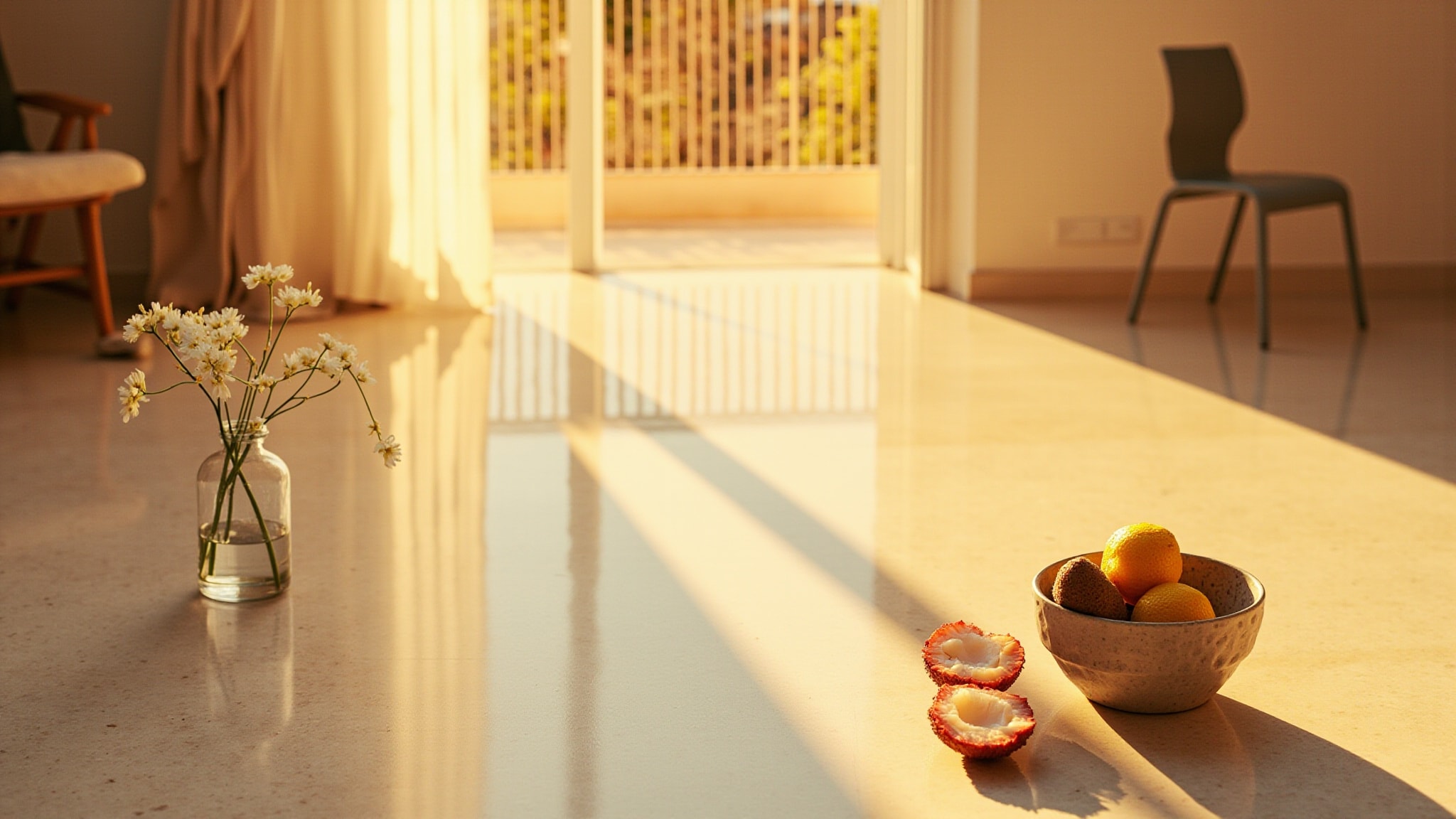
What makes the composition unusual is the top note count. Most fragrances lead with two or three citruses; Alegria stacks four, bergamot, yuzu, tamarind, and lychee, each bringing something different to the opening. Bergamot adds cool, floral-laced sharpness. Yuzu contributes a clean, almost Japanese brightness. Tamarind brings tart tropical weight. Lychee sweetens the whole thing just enough to keep it from reading as sharp. The result is a citrus opening that feels fuller than the sum of its parts, without any single note fighting for dominance.
The evolution
Alegria opens with all four citrus notes arriving at once, bergamot, yuzu, tamarind, and lychee hitting the skin like the first bright morning of a holiday. The sweetness is immediate but controlled. Within minutes, the florals begin to assert themselves. Jasmine and magnolia unfurl alongside tuberose, which carries a creamy, almost indolic warmth that pushes the scent in a different direction from what the opening promised. Rosemary lingers in the background, adding a green, herbal thread that stretches the composition's range. The citrus begins to recede around the two-hour mark, and the base takes over, musk and amber warming the foundation, sandalwood and cherry wood giving it a woody, slightly sweet drydown that stays close to the skin. The longevity is above average; expect four to six hours of presence, intimate rather than projecting, with the florals holding on longest.
Cultural impact
Alegria arrived in 1999 at a moment when bright, cheerful florals had a permanent place in the Spanish market. Ramon Monegal built the composition around a premise the name makes explicit: joy as a fragrance concept, translated through citrus and white florals rather than sweetness alone. It stood apart from the heavier, spicier florals common to the decade by keeping its structure light and its projection close. The fragrance earned above-average longevity marks from the community, a practical endorsement that the scent delivered on its promise without needing to be worn loudly.