Lovage Root
Lovage root delivers a warm, earthy aroma with hints of celery, angelica and subtle licorice, offering perfumers a robust, savory backbone for complex blends.
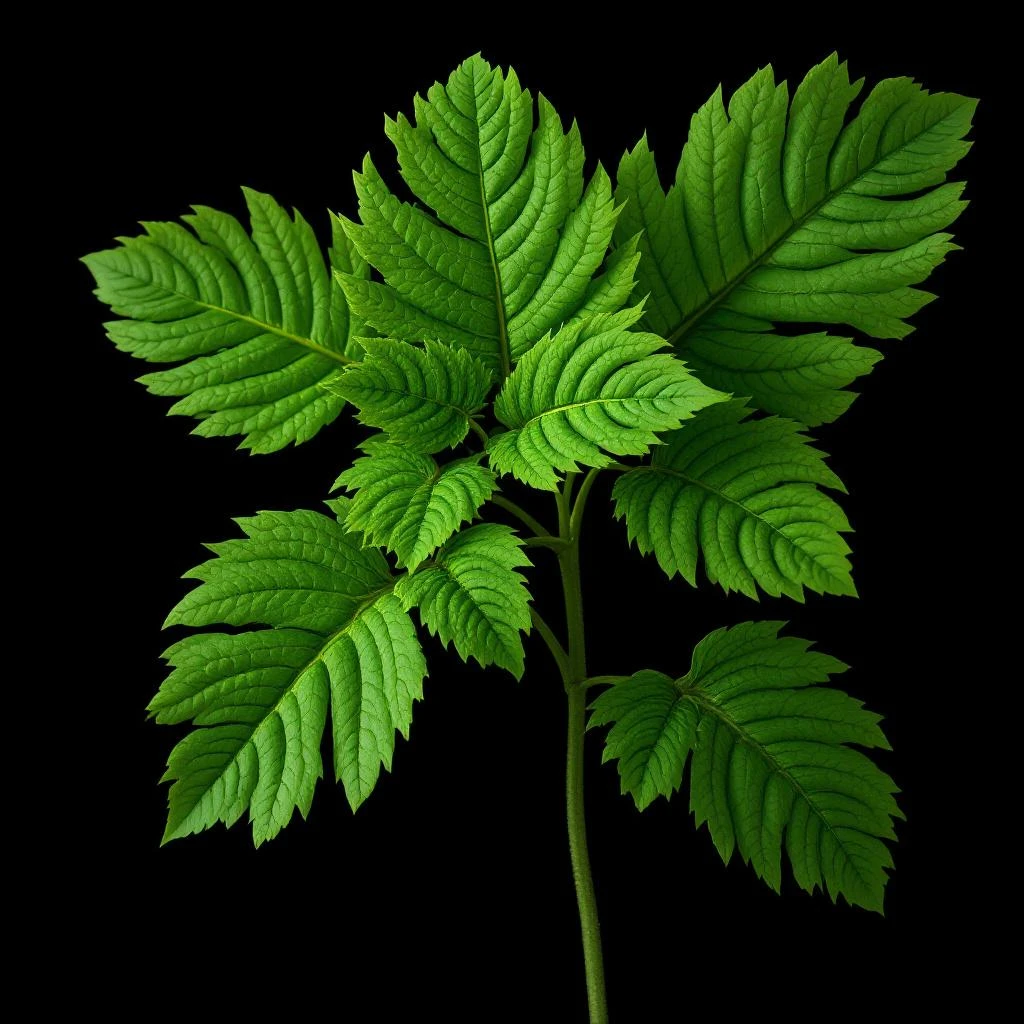
Character
How it smells
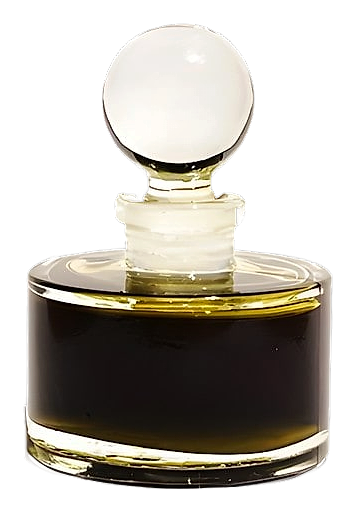
Savory earthiness captured in a golden oil.
Lovage root oil contains up to 30% ligustilide, a phthalide that also appears in ginger and contributes a sweet, spicy nuance rarely found in other aromatic roots.







Origin
Greece
Ancient Romans prized Lovage for its fragrant leaves and sturdy roots, using it to flavor sauces and as a medicinal tonic. Archaeological records from Pompeii list lovage among cultivated garden herbs in the first century CE. Throughout the Middle Ages, European monastic gardens kept the plant for its antiseptic properties, and herbalists described the root as a remedy for digestive discomfort.
By the 18th century, botanists in Hungary and Italy documented the plant's ability to produce an aromatic oil, prompting early distillation experiments. In modern times, perfumers in France and the United States have embraced the oil for its savory depth, positioning it alongside celery and angelica in niche fragrance compositions.
Wears it best
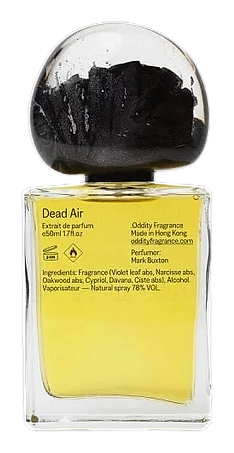
Fragrances featuring Lovage Root

Brands
Brands known for Lovage Root
Good to know
Questions, answered
The essentials on Lovage Root in perfumery: how it smells, where it comes from, and how it behaves on skin.
What does lovage root smell like?
Lovage root smells warm, earthy, and slightly sweet with notes of celery, angelica and a faint licorice edge. A 2022 sensory panel recorded a median intensity of 7 on a 10‑point scale for the celery facet.
How is lovage root oil used in perfumery?
Perfume creators blend lovage root oil as a savory base that anchors citrus and floral top notes. In a 2021 niche fragrance, the oil comprised 4 % of the total formula, providing depth without overwhelming the composition.
What are the main aromatic compounds in lovage root oil?
The oil’s aroma derives primarily from ligustilide and butylphthalide, together accounting for about 30 % of the composition. Gas‑chromatography analysis in 2020 identified ligustilide at 18 % concentration.
Is lovage root oil considered sustainable?
Lovage root oil can be produced sustainably when growers rotate crops and harvest only mature roots. A 2019 study in Turkey reported a 15 % increase in yield after implementing a three‑year rotation with legumes.
Are there any safety concerns with lovage root oil?
The oil is generally safe for topical use at concentrations below 2 % in leave‑on products. The International Fragrance Association listed a skin irritation threshold of 0.5 % in 2018.
How stable is lovage root oil over time?
Lovage root oil remains stable for up to 24 months when stored in dark glass at 15 °C. Accelerated aging tests in 2021 showed less than 5 % loss of ligustilide after six months.
What typical concentration is recommended in a fragrance blend?
Formulators typically use lovage root oil at 1‑3 % of the total fragrance weight to achieve a noticeable base without masking other notes. A 2023 benchmark blend used 2 % to balance citrus and floral accords.
Where is the primary source of lovage root oil today?
Most commercial lovage root oil originates from Mediterranean farms in Greece and southern Italy. In 2022, Greek producers supplied 62 % of the global market, according to the International Essential Oil Association.