Silver Sage
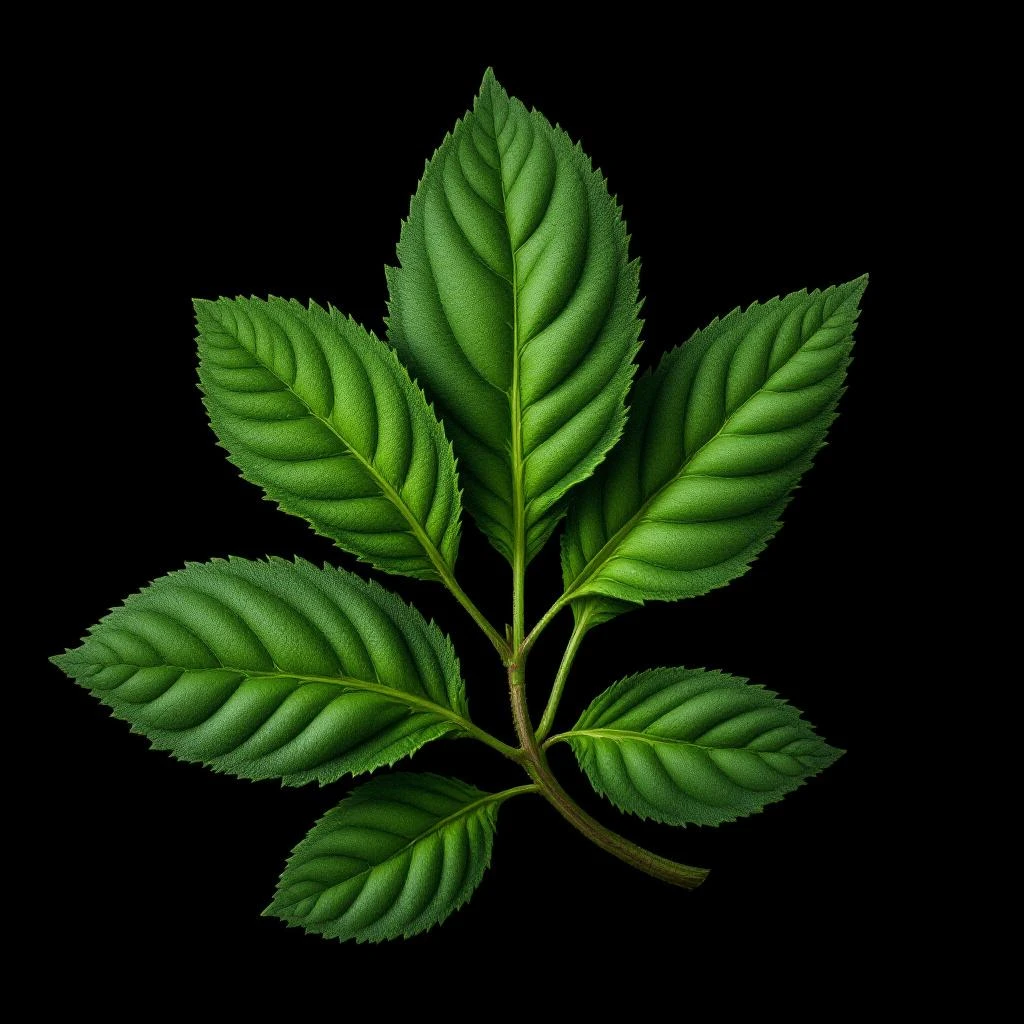
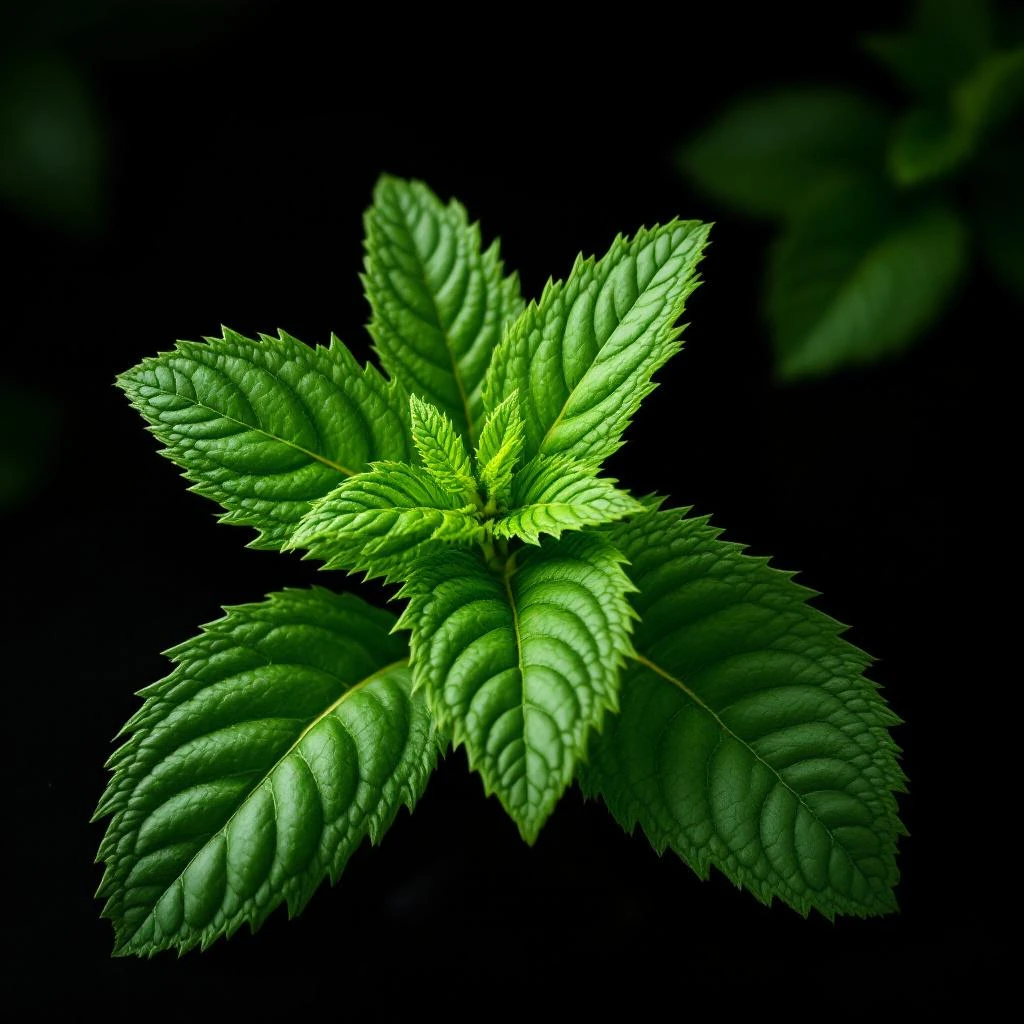
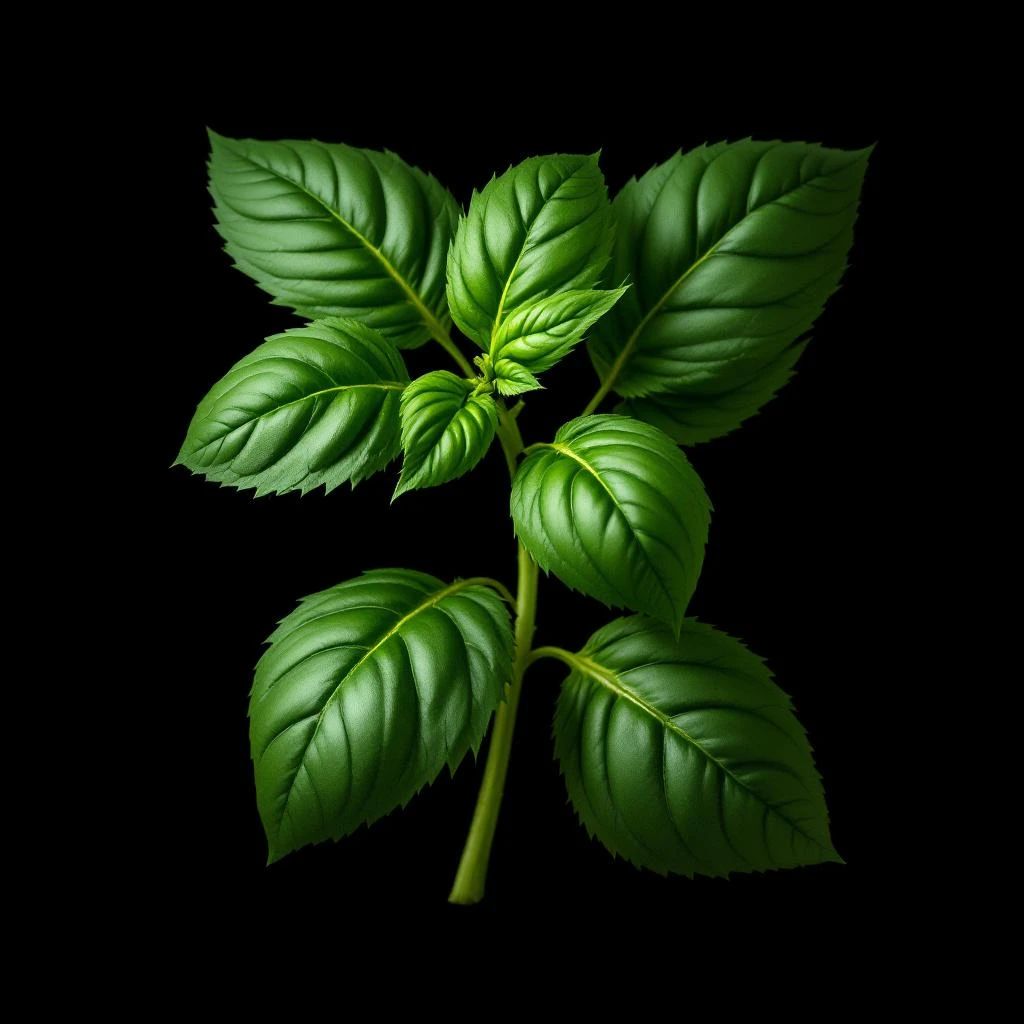
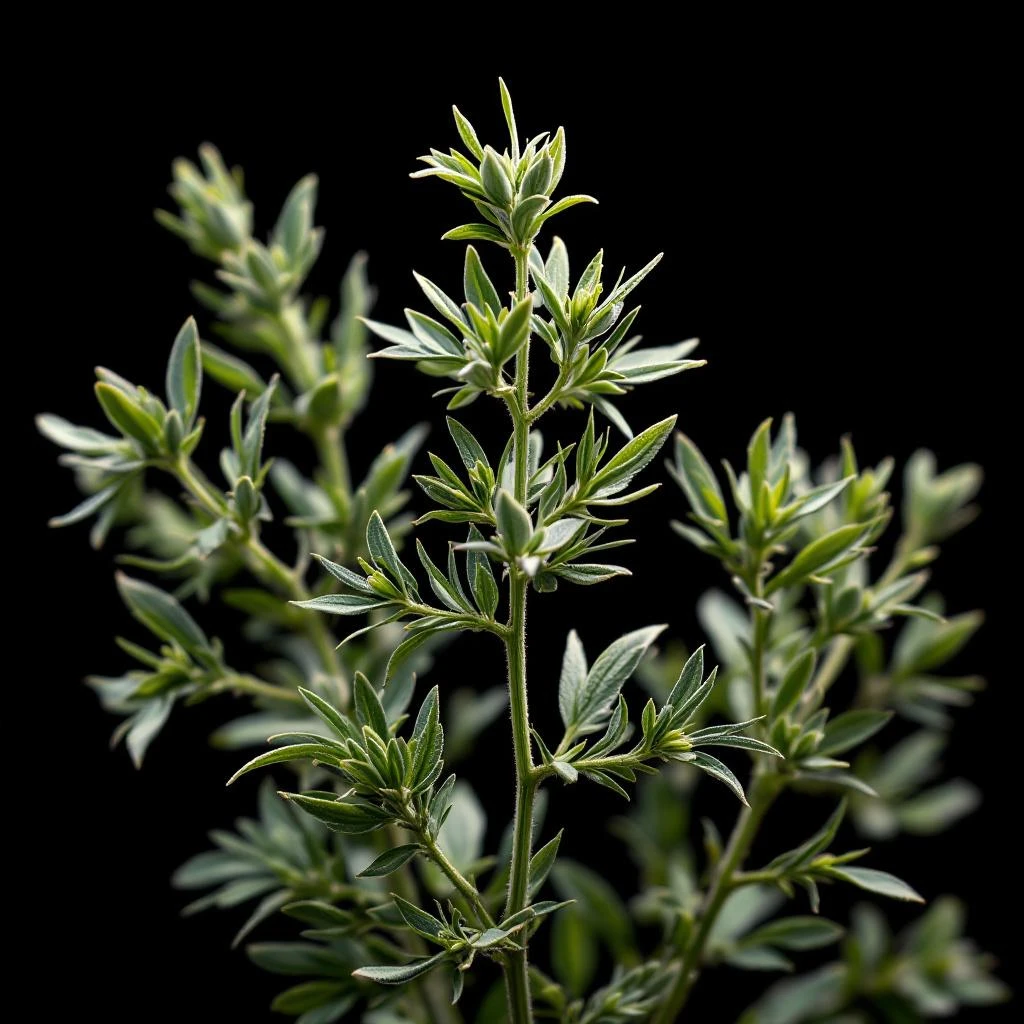
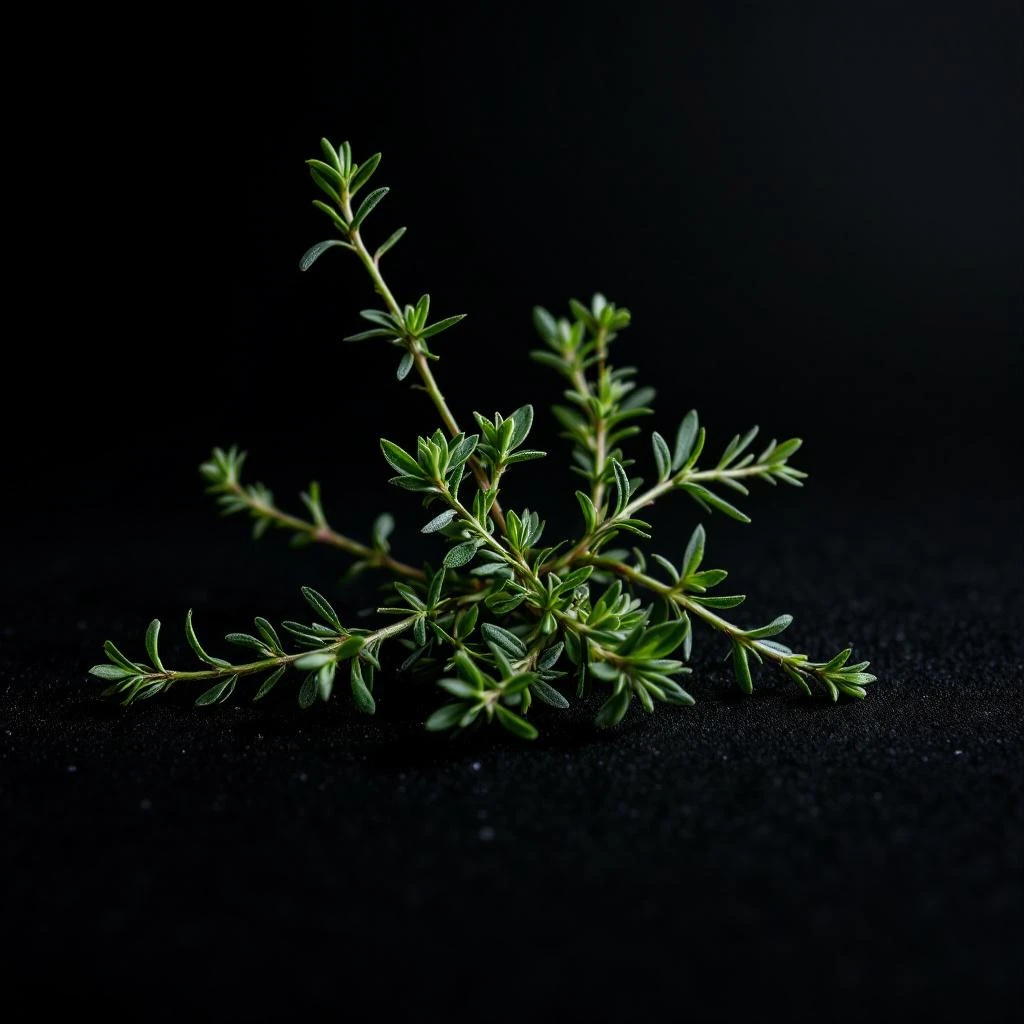
Silver Sage brings a luminous, airy quality to fragrance compositions. This aromatic material captures the plant's ethereal silvery-green character, offering a clean herbaceous lift that softens heavier base notes and adds crystalline freshness to the top of a fragrance pyramid.
Character
How it smells
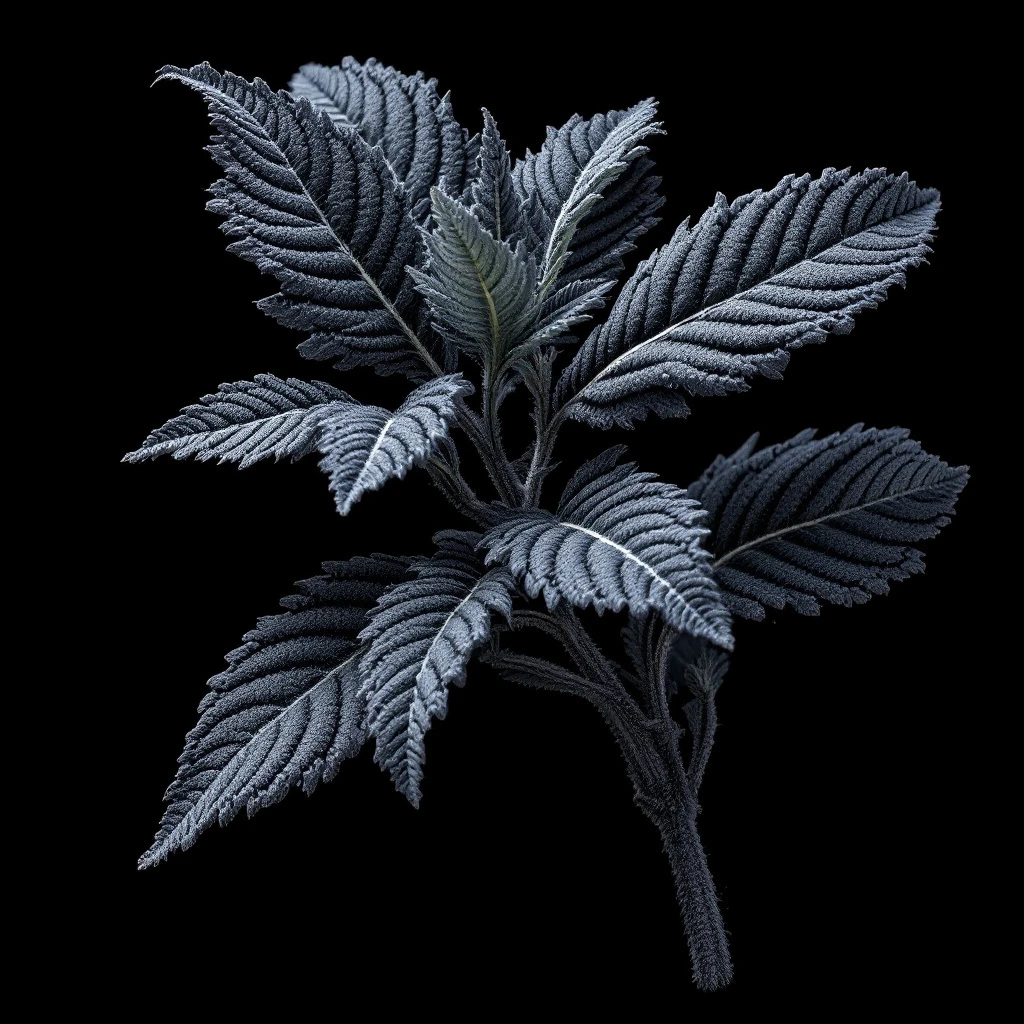
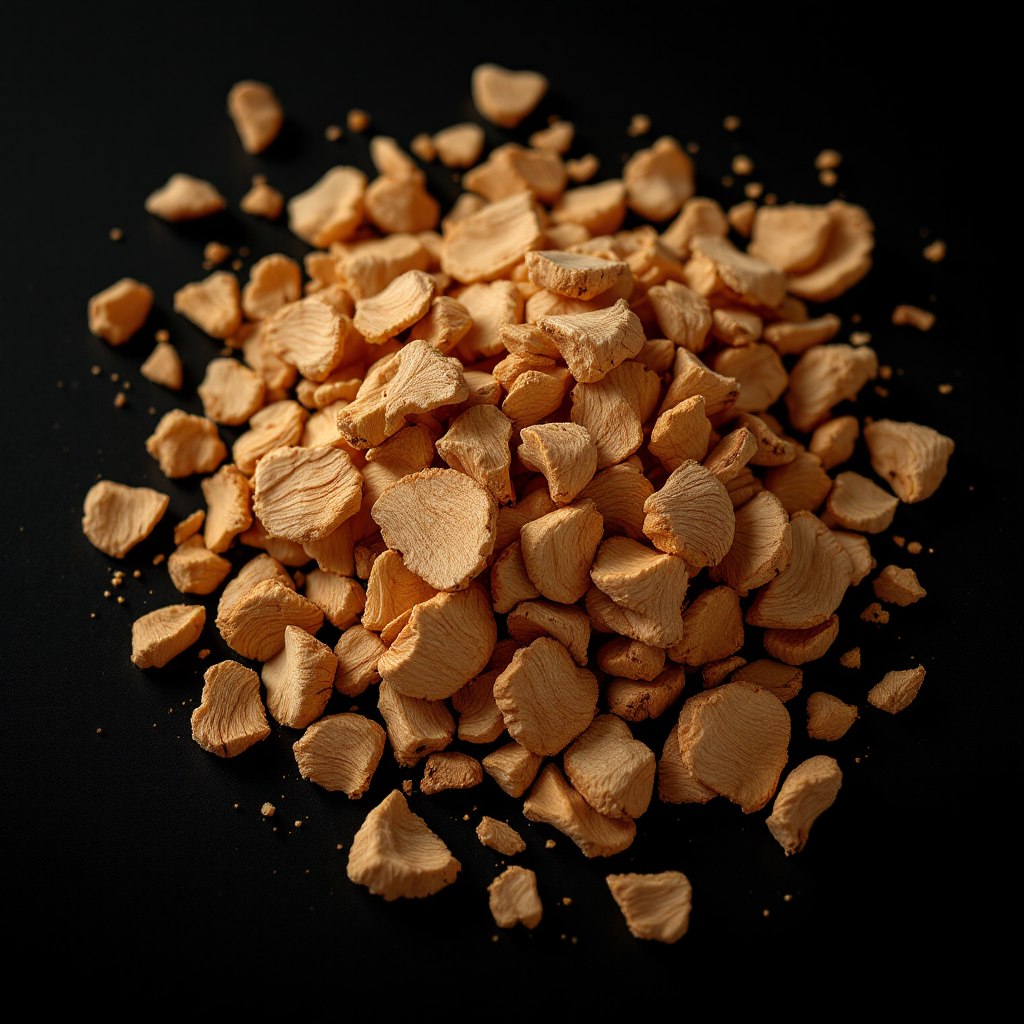
A luminous herbaceous note with crystalline clarity.
The genus name Salvia derives from the Latin 'salvare', meaning 'to save' or 'to heal', reflecting centuries of medicinal use across Mediterranean cultures.



Origin
Mediterranean regions
Sage has accompanied Mediterranean civilizations for over two millennia. Ancient Egyptians used it extensively in medicinal preparations, while Greek physicians Hippocrates and Dioscorides documented its therapeutic properties in their foundational botanical texts. Roman culture considered sage sacred, conducting formal harvesting ceremonies dressed in white robes.
The plant traveled along ancient trade routes, establishing itself in monastery gardens across medieval Europe where monks cultivated it for both culinary and healing purposes. Aromatic use in perfumery emerged gradually as alchemists and early chemists began isolating the plant's volatile constituents. The silvery-leaved varieties gained particular attention in perfumery during the late 20th century when chemists developed methods to preserve and highlight their distinctive fresh, airy character.
Contemporary fragrance houses value Silver Sage for its ability to create bright, clean impressions that evoke morning mist over herb gardens.
Wears it best
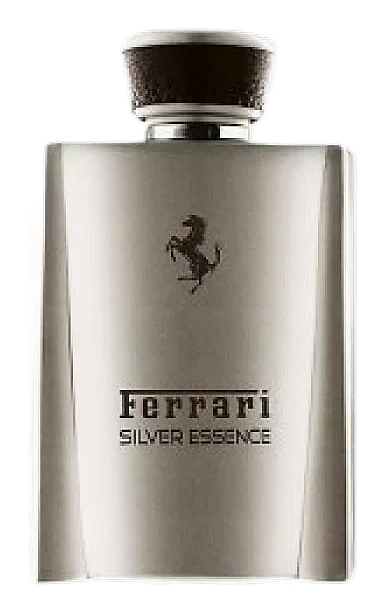
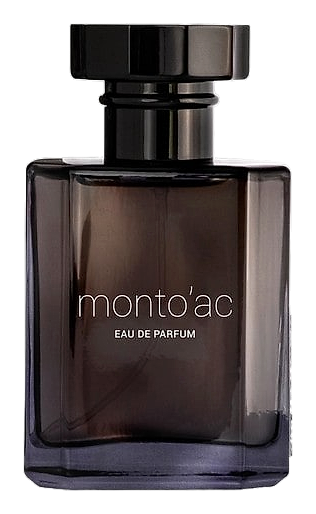
Fragrances featuring Silver Sage

Brands
Brands known for Silver Sage
Good to know
Questions, answered
The essentials on Silver Sage in perfumery: how it smells, where it comes from, and how it behaves on skin.
What does Silver Sage smell like in perfume?
Silver Sage delivers a fresh, herbaceous aroma with clean, airy qualities. It combines green vegetative notes with subtle camphoraceous undertones, creating a luminous effect that reads as crystalline and bright in fragrance compositions.
Is Silver Sage a natural or synthetic ingredient?
Silver Sage exists in both natural and synthetic forms. Natural extraction via steam distillation captures the complete aromatic profile, while aroma chemicals like sabinyl acetate replicate specific facets for consistent perfumery use.
Which fragrance families commonly use Silver Sage?
Silver Sage appears frequently in fougère, aromatic chypre, and modern fresh fragrance constructions. It pairs naturally with lavender, oakmoss, and citrus materials, bridging herbal and green fragrance families.
Does Silver Sage have any aromatic cousins in perfumery?
Clary Sage represents the most prominent aromatic relative, offering sweeter, more floral characteristics compared to Silver Sage's cleaner, sharper profile. Common Sage and Spanish Sage complete the perfumery palette.
How much Silver Sage appears in typical fragrance formulas?
Silver Sage functions primarily as a modifier and blender rather than a dominant note. Concentrations typically range from 0.5% to 3% in fragrance concentrates, where it adds lift without overpowering other materials.
What seasonal associations does Silver Sage carry?
Silver Sage evokes spring and early summer mornings. Its fresh, green character suggests renewal and natural abundance, making it particularly popular in seasonal and destination fragrances.
Can Silver Sage cause skin sensitivity?
Natural Silver Sage oil contains thujone compounds that may cause irritation at high concentrations. IFRA guidelines regulate its use, and responsible perfumery maintains concentrations well within safe thresholds.
How does Silver Sage perform in different fragrance formats?
Silver Sage performs reliably across alcohol-based perfumes, where it contributes crisp top-note lift. In cream or balm formats, its volatile character may diminish more quickly, requiring higher initial concentrations.