Green Tobacco
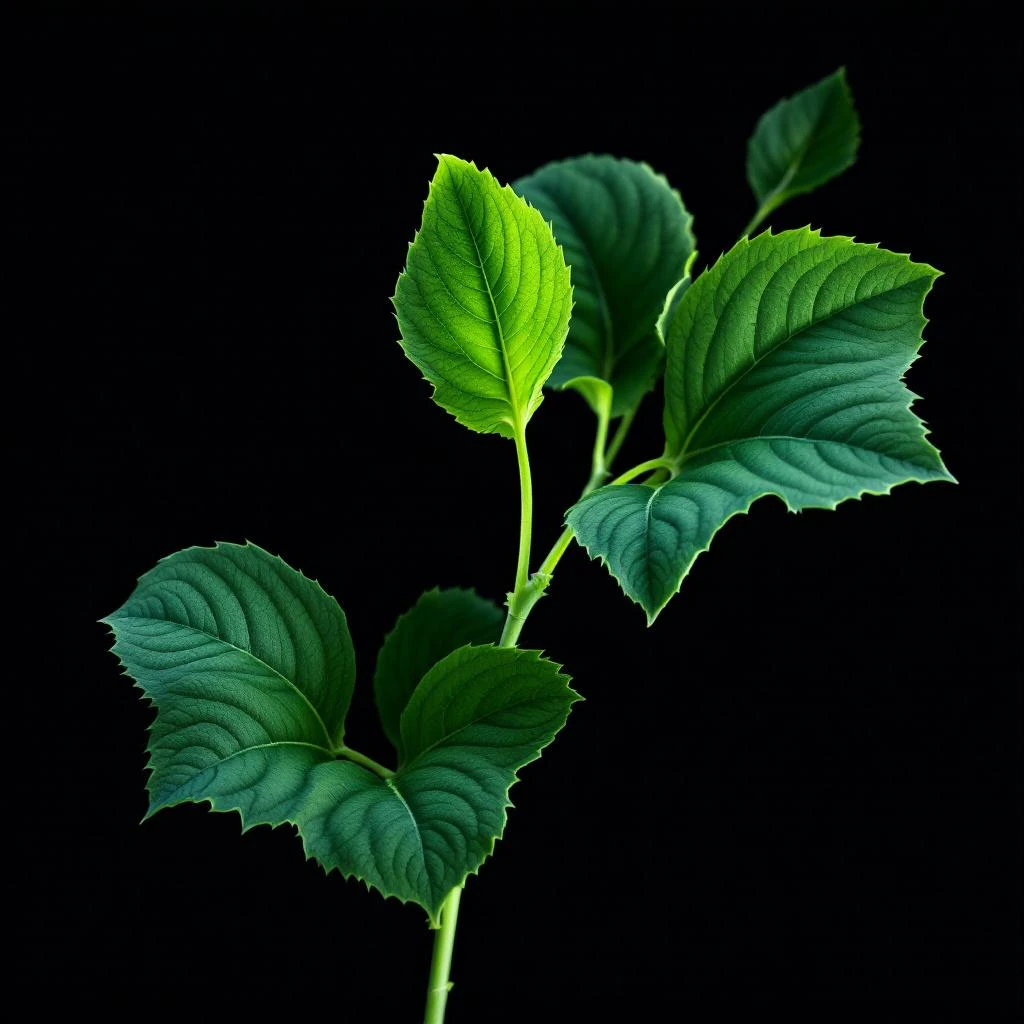
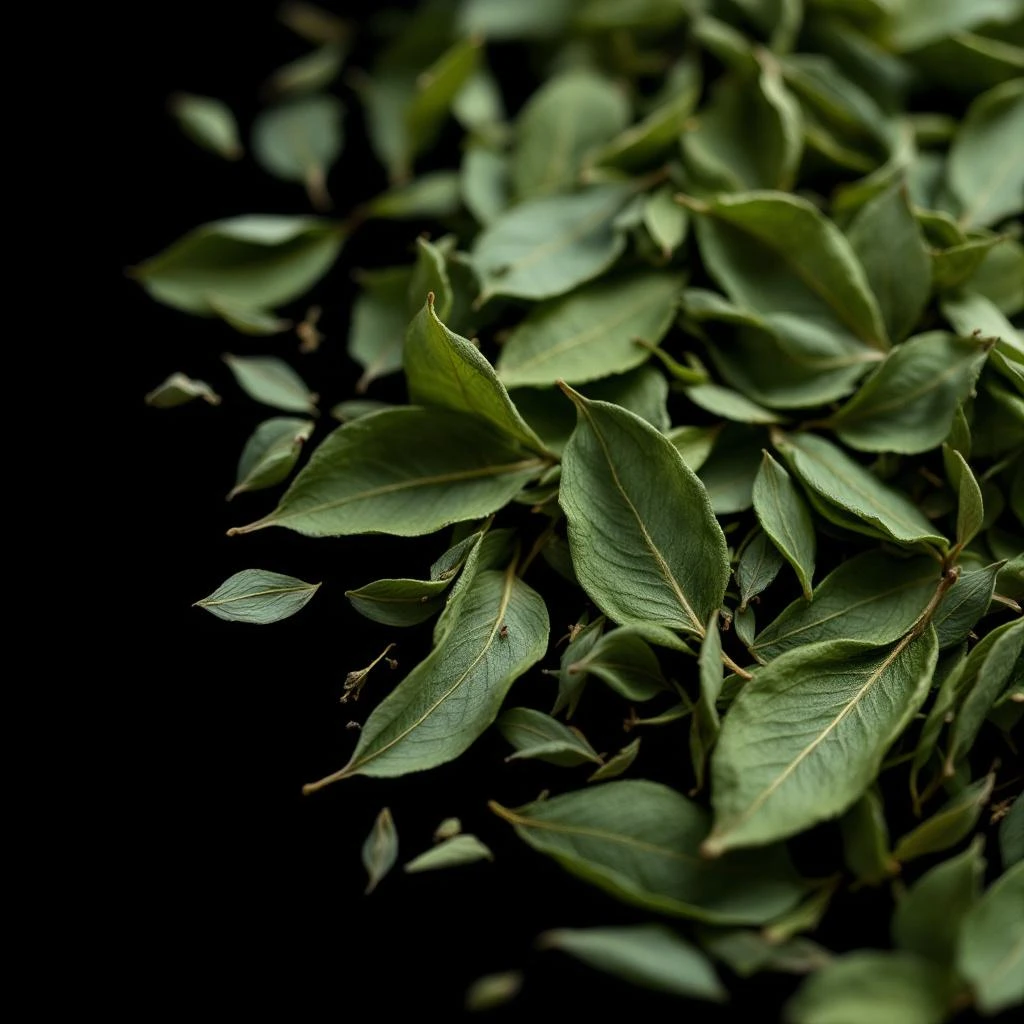
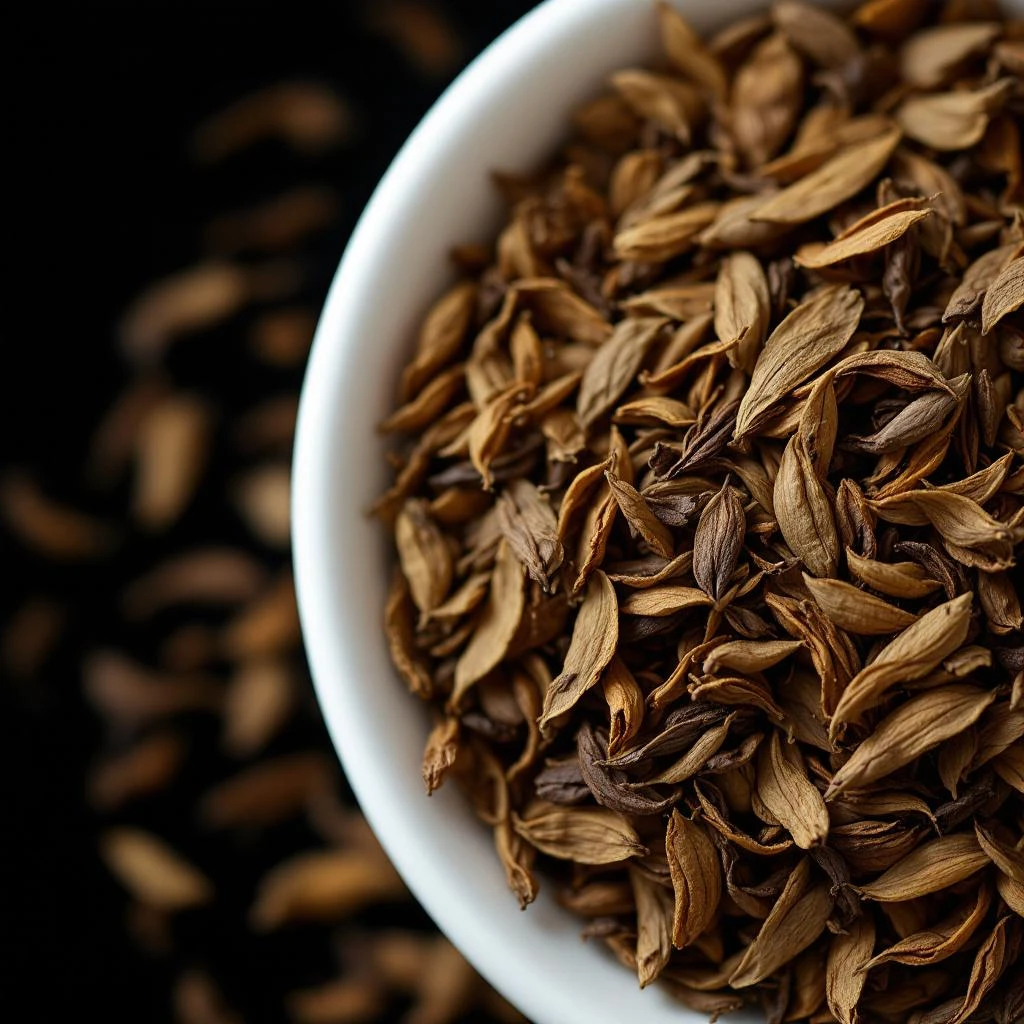
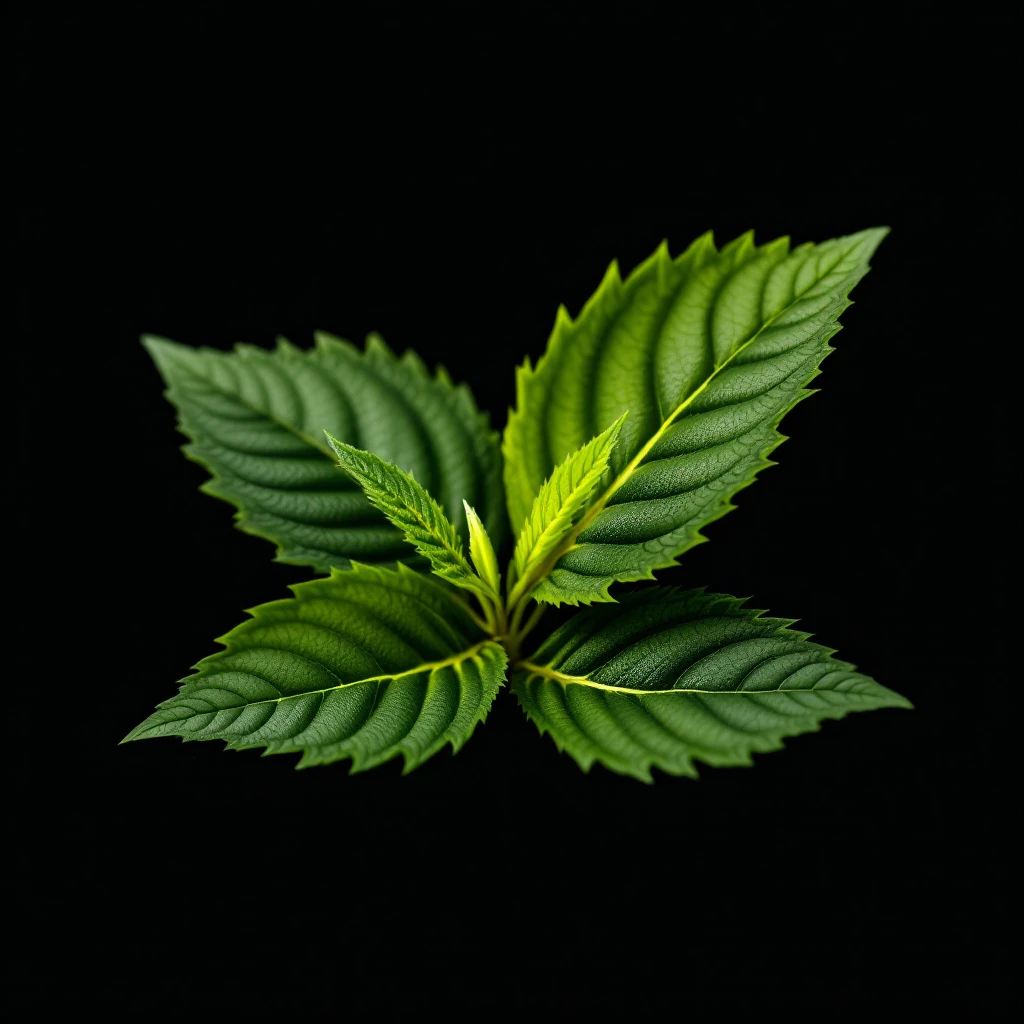
Green tobacco brings an unripened, vegetative edge to perfumery. Think crushed leaves still carrying chlorophyll and morning dew, a sharper, grassier cousin to the dried, honeyed tobacco accords found in classic amber compositions.
Character
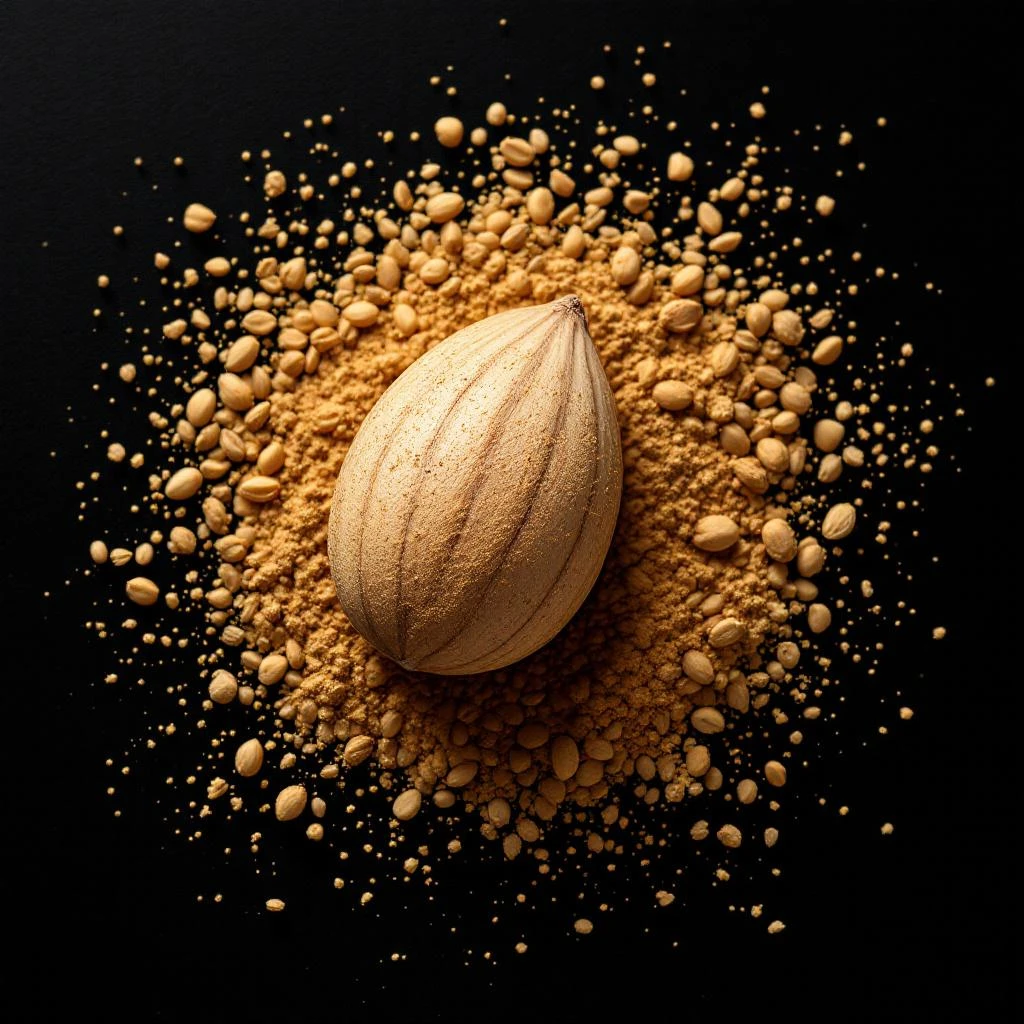
How it smells
The leaf before the flame
Green tobacco in perfumery predates the cured leaf note: the 1919 Caron classic Tabac Blond built its accord around the freshly cut, hay-like scent of uncured leaves rather than the dark, smoky pipe tobacco most people picture.




Origin
Americas (cultivation origin)
Tobacco itself traces back to indigenous American cultures around 5000 BC, cultivated across the Americas long before European contact. In perfumery, however, tobacco waited.
The modern synthetic fragrance industry took shape in Paris between 1889 and 1921, and tobacco broke through as a major note in 1919 with Caron's Tabac Blond, the first composition to place the accord at center stage. Early tobacco accords leaned heavily on coumarin, a molecule discovered in 1868, to recreate the sweet, hay-like undertone of curing leaves.
For decades the note skewed warm and dried, evoking a smoking room. The green expression emerged later as perfumers began isolating solanone in the 1960s and exploring the fresher, more vegetative facets of the living plant, opening a brighter, more architectural interpretation that anchors many contemporary compositions.
Wears it best
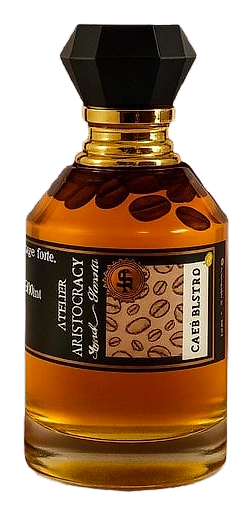
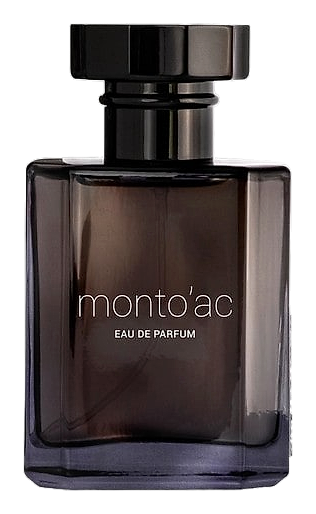
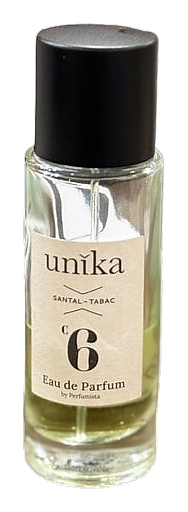
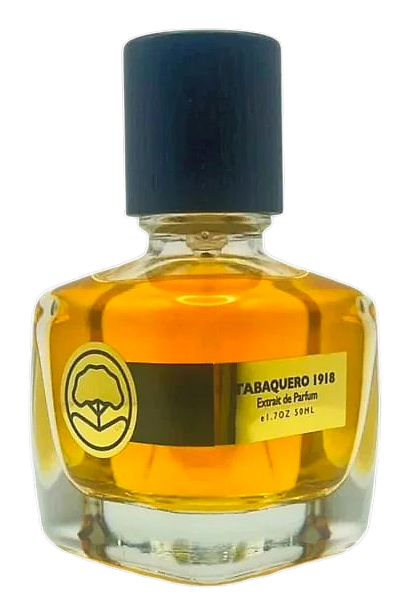
Fragrances featuring Green Tobacco
Brands
Brands known for Green Tobacco
Good to know
Questions, answered
The essentials on Green Tobacco in perfumery: how it smells, where it comes from, and how it behaves on skin.
What does green tobacco smell like in perfume?
It smells like fresh, crushed tobacco leaves carrying chlorophyll and a slightly grassy sharpness. The note sits closer to vegetation than to a smoking room, distinct from dried-tobacco accords that lean sweet and leathery.
How is green tobacco extracted for perfumery?
Most green tobacco notes rely on synthetic aroma chemicals, since cured leaves dominate the natural supply. Solanone, isolated from tobacco in 1967, supplies the grassy signature, while coumarin (first synthesized in 1868) adds the hay-like sweetness.
When did tobacco first appear in perfumery?
Tobacco broke through as a major note in 1919 with Caron's Tabac Blond, the first composition built around a tobacco accord. That early expression drew heavily on coumarin's hay-like nuance rather than the greener leaf facets.
Where does tobacco originate as a plant?
Tobacco originates in the Americas, cultivated by indigenous cultures as early as 5000 BC. Today it grows commercially across Asia, South America, and North America, though perfumery-grade extraction remains relatively niche.
Is green tobacco a natural or synthetic note?
Both. Natural tobacco absolute exists via solvent extraction, but the green character usually requires synthetic molecules like solanone because cured leaves lack the fresh, vegetative top notes the accord aims for.
What's the difference between green tobacco and tobacco notes?
Green tobacco captures the raw, leafy, slightly grassy scent of uncured foliage. Standard tobacco notes depict cured, dried leaves with warmer, sweeter, often honeyed or smoky tones reminiscent of a pipe or cigar.
Which key molecule defines the green tobacco accord?
Solanone is the defining molecule. Isolated from tobacco in 1967, it provides the grassy, leafy freshness that distinguishes green tobacco from the warmer, coumarin-driven dried-tobacco accords used since the early 20th century.
Why is coumarin important to tobacco perfumes?
Coumarin supplies the sweet, hay-like undertone that mimics the aroma of curing tobacco leaves. Discovered in 1868 and originally extracted from tonka beans, it anchored the very first tobacco accords, including Caron's 1919 Tabac Blond.