Muscadine Vine
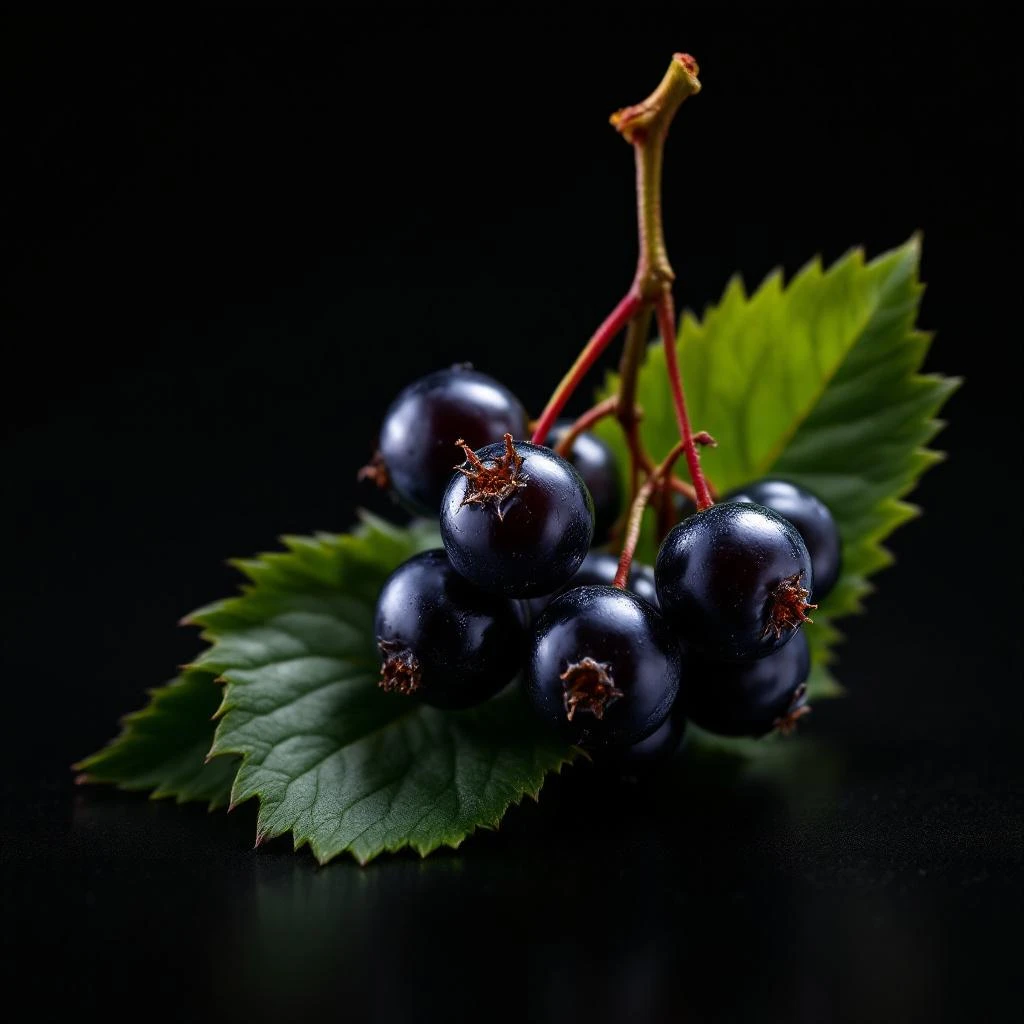
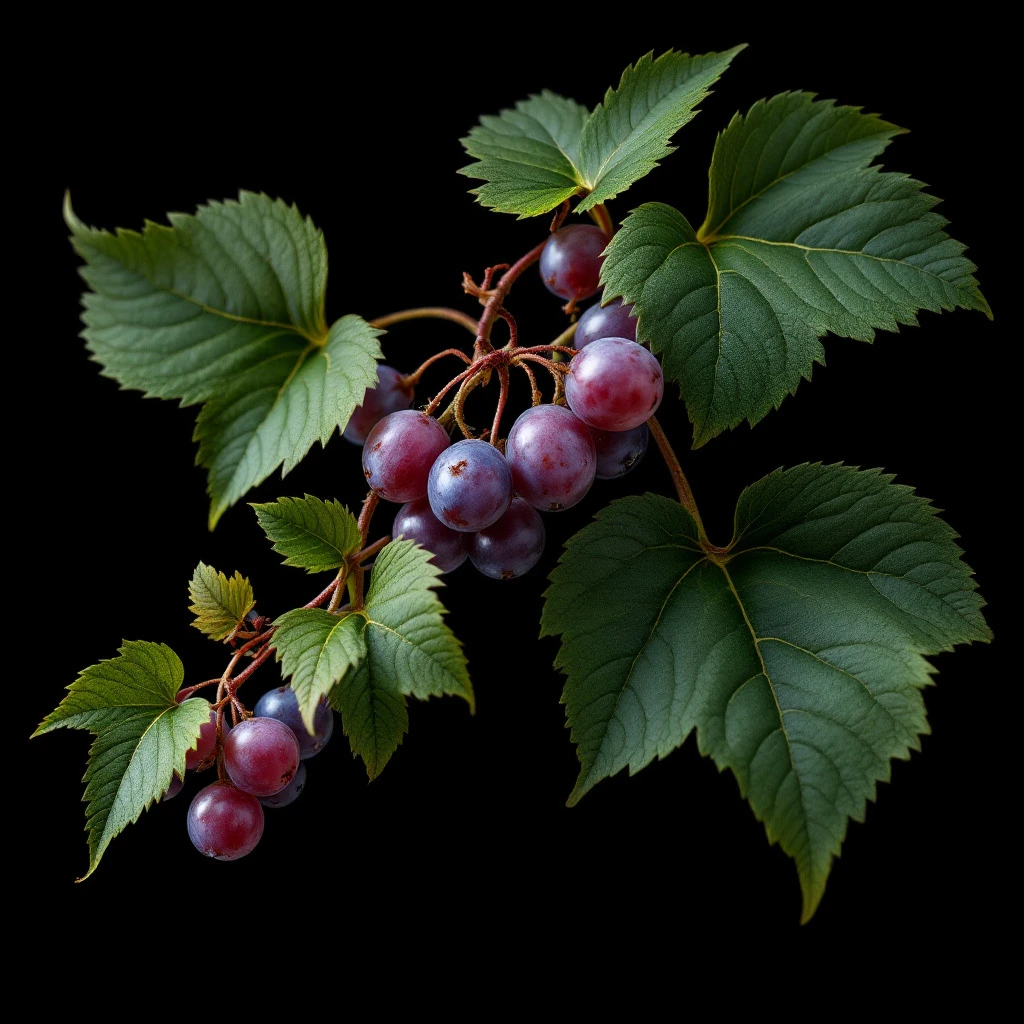
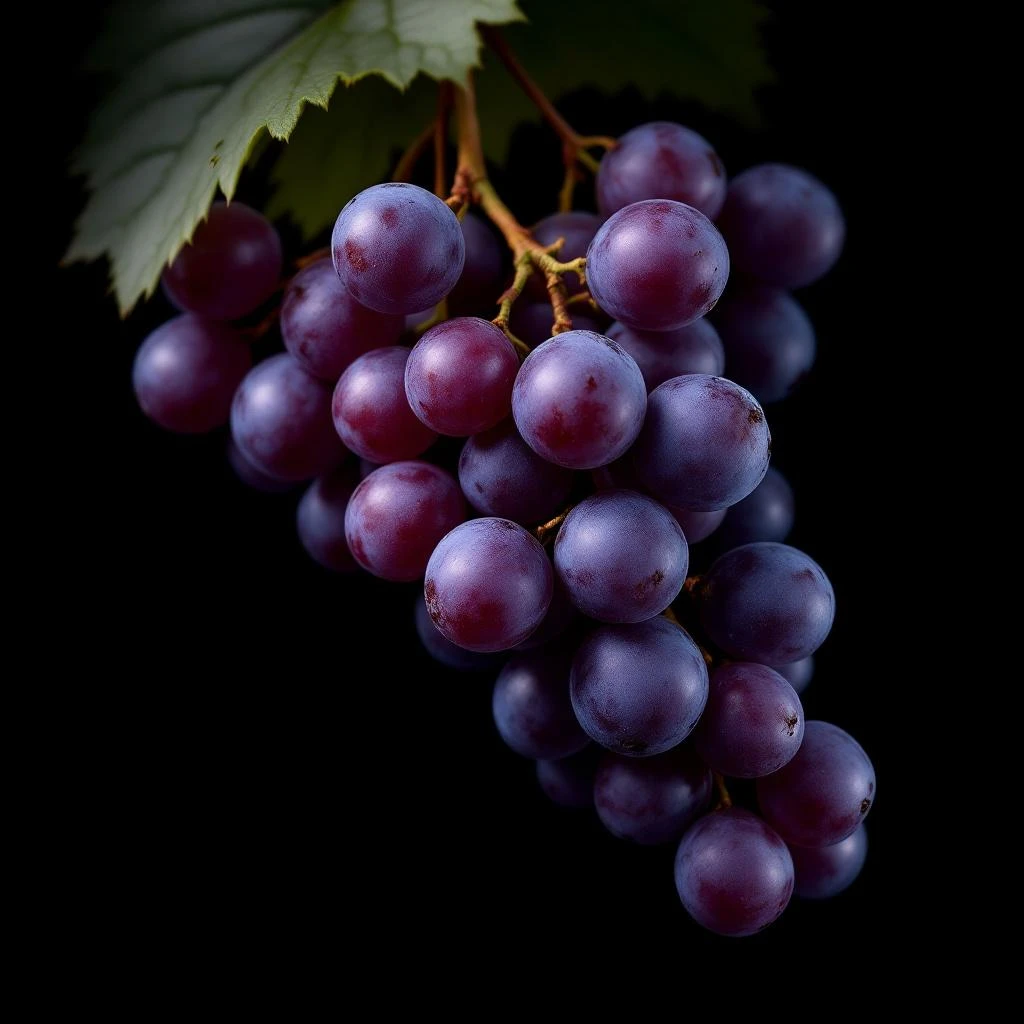
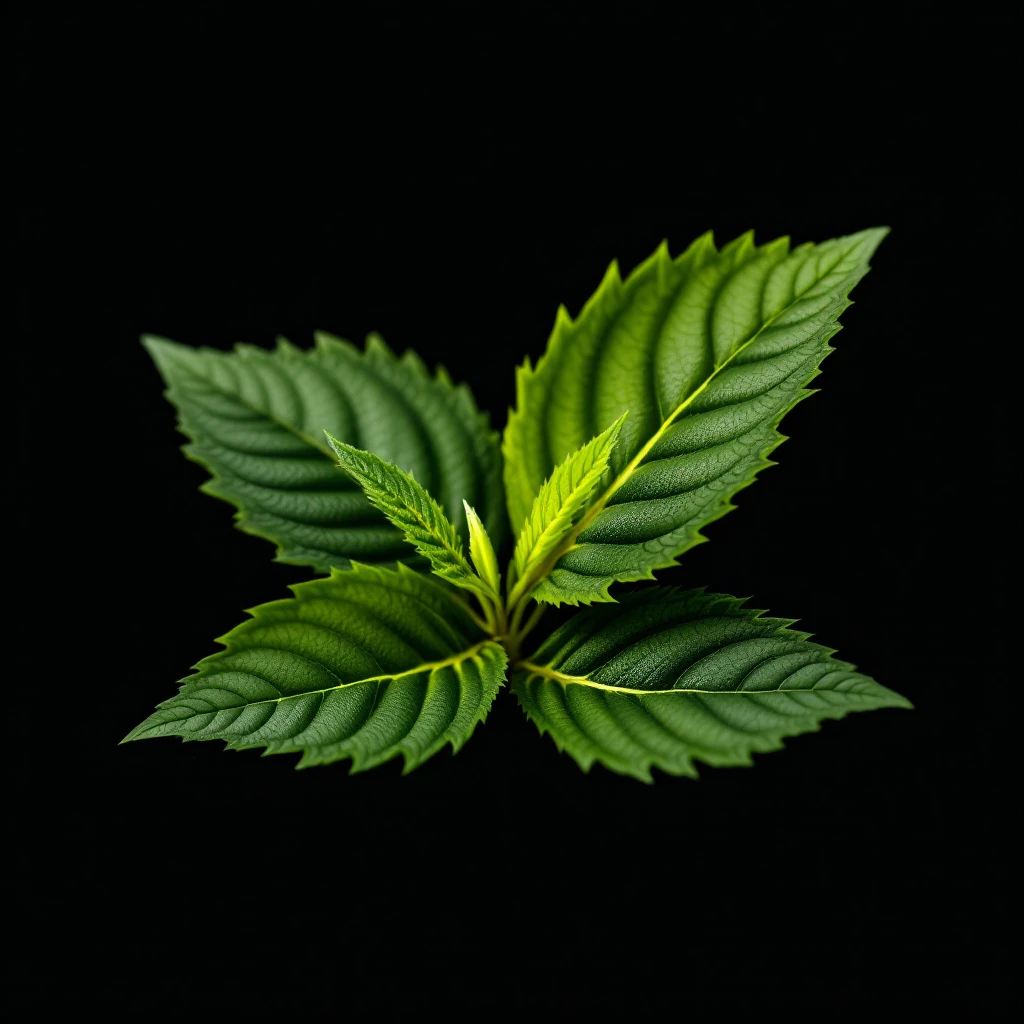
Muscadine vine captures the wild, musky sweetness of America's first cultivated grape. Native to the southeastern United States, this vigorous climber produces bronze-purple fruit with a distinctive earthy depth and rustic character rarely found in perfumery.
Character
How it smells
Wild American heritage in every note
The "mother vine" on Roanoke Island may exceed 400 years in age, possibly watched over by the indigenous Croatoan people before European arrival.



Origin
United States
Muscadine represents the oldest domesticated grape species in North America. Indigenous communities throughout the southeastern United States harvested wild muscadines for centuries before European colonization, valuing the thick-skinned fruit for its abundance and resilience.
The first recorded cultivation began on Roanoke Island, North Carolina, where a single "mother vine" still grows today, potentially dating back four centuries. Early European settlers named the grape after the Scuppernong River in Tyree County, North Carolina, where extensive cultivation first took hold.
The species earned the title of America's first cultivated grape, predating the introduction of European Vitis vinifera varieties to the continent. Muscadine culture became deeply embedded in Southern agricultural traditions, with the fruit eventually supporting a thriving wine industry and, more recently, a growing fragrance materials trade.
Wears it best
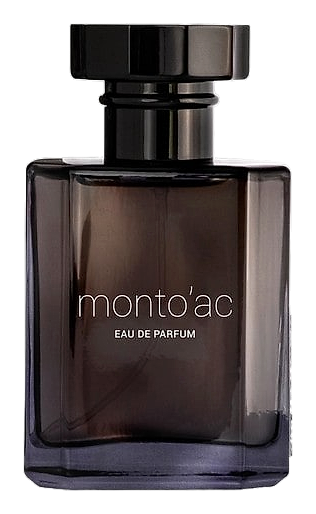
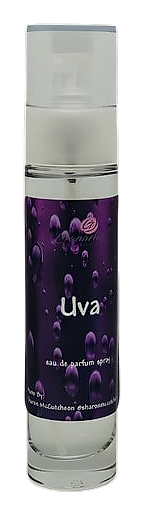
Fragrances featuring Muscadine Vine
Brands
Brands known for Muscadine Vine
Good to know
Questions, answered
The essentials on Muscadine Vine in perfumery: how it smells, where it comes from, and how it behaves on skin.
What does muscadine vine smell like in fragrance?
Muscadine vine absolute offers a jammy, wine-like sweetness with musky, earthy undertones and green vine character. It brings rustic depth uncommon in perfumery.
Where does muscadine grow natively?
Vitis rotundifolia grows natively across the southeastern United States, from Texas to the Carolinas. It thrives in full sun and hot, humid climates.
What makes muscadine different from common wine grapes?
Muscadine belongs to a distinct species (Vitis rotundifolia) separate from European wine grapes (Vitis vinifera). Its thick skin and unique aromatic profile set it apart.
Is muscadine the first American grape to be cultivated?
Yes. Muscadine was the first native North American grape species to be cultivated, with origins tracing to Roanoke Island in colonial-era Virginia.
How old is the muscadine mother vine?
The legendary mother vine on Roanoke Island may exceed 400 years in age, making it one of the oldest known grapevines in North America.
What extraction method produces muscadine fragrance materials?
Solvent extraction yields muscadine absolute from the fruit's thick skins and vine cuttings, preserving the grape's concentrated aromatic compounds.
Which indigenous peoples first used muscadine?
Indigenous communities throughout the southeastern United States harvested wild muscadines long before European contact, valuing the fruit's abundance.
Is muscadine production increasing today?
Muscadine grape acreage in the Southeast has grown steadily since 2003, driven by increased demand for muscadine products including wines and specialty extracts.