Silk Tree
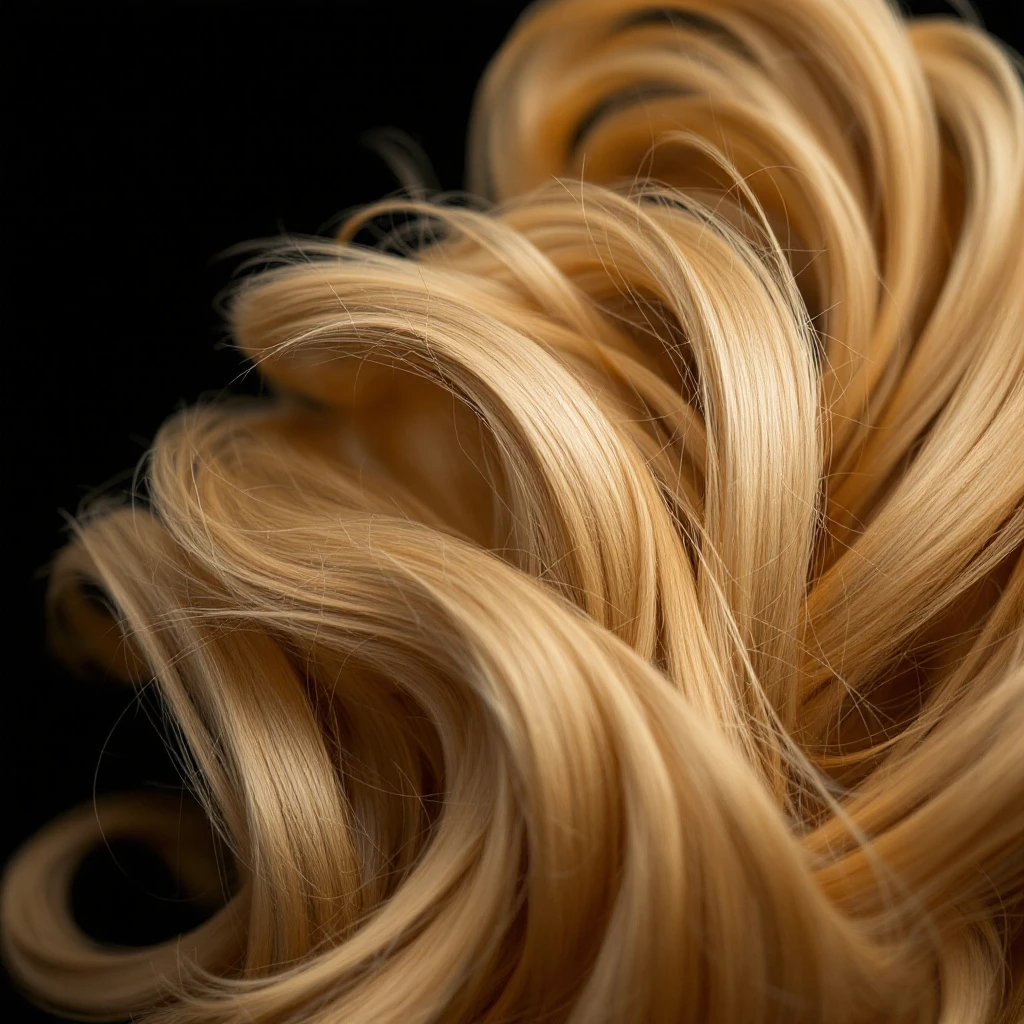
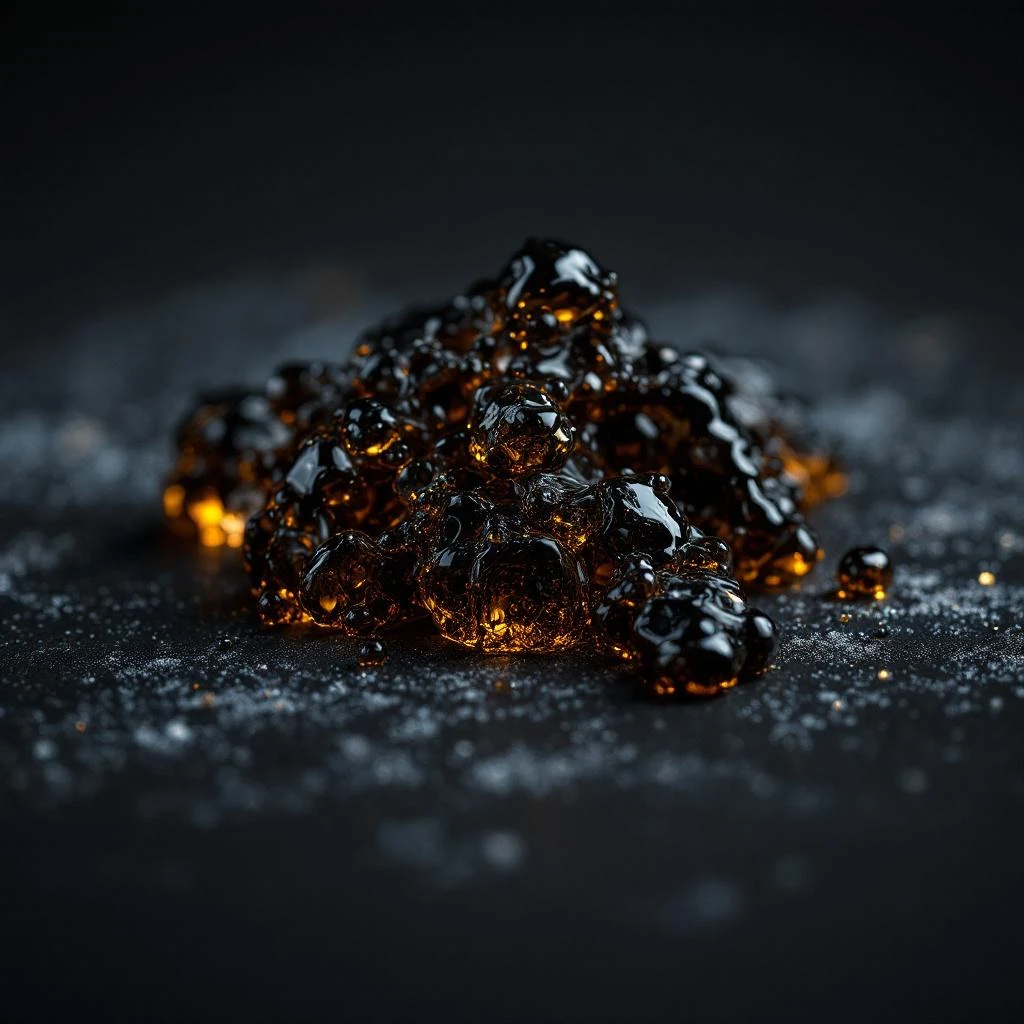
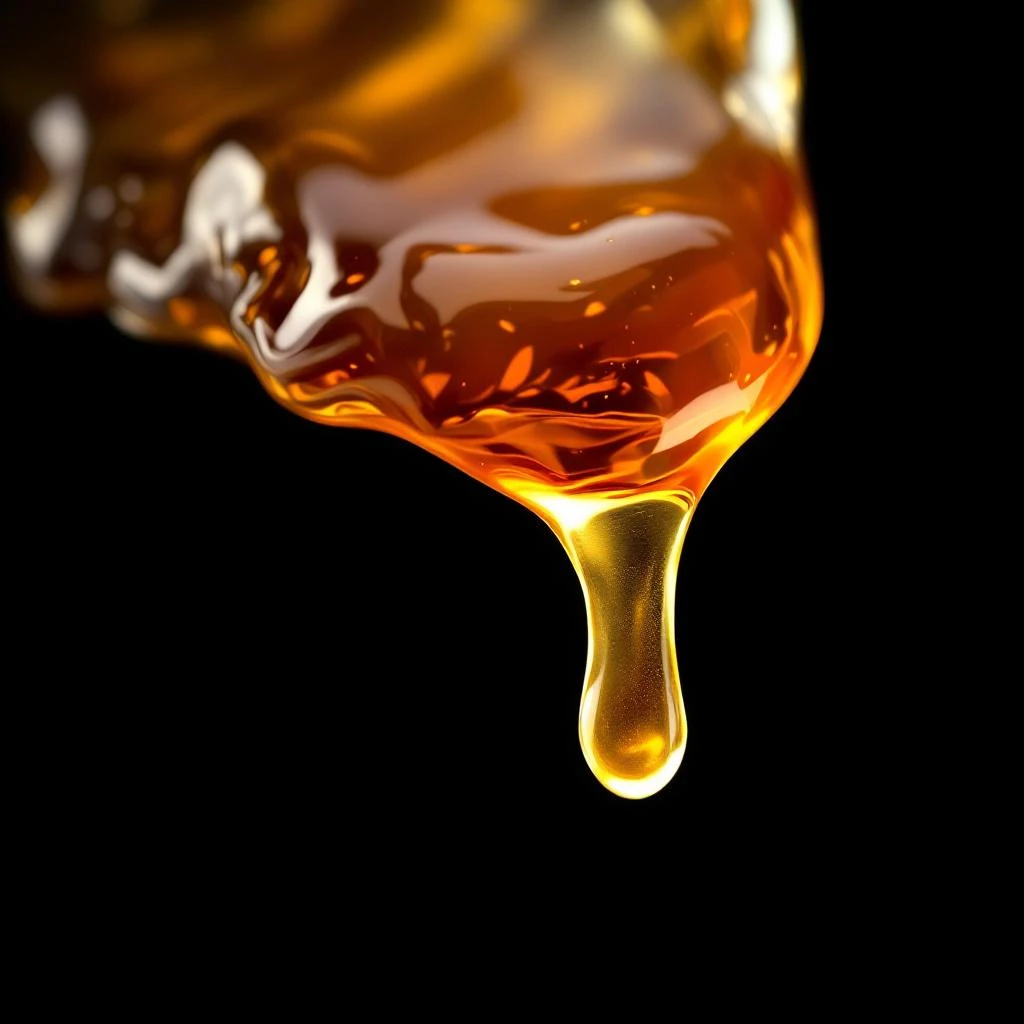
Silk Tree flower absolute is a delicate, powdery-floral ingredient that adds soft sweetness and a hint of honeyed warmth to fragrance compositions. In perfumery it functions as a heart note, lending subtle elegance and a creamy, romantic quality to floral and oriental blends.
Character
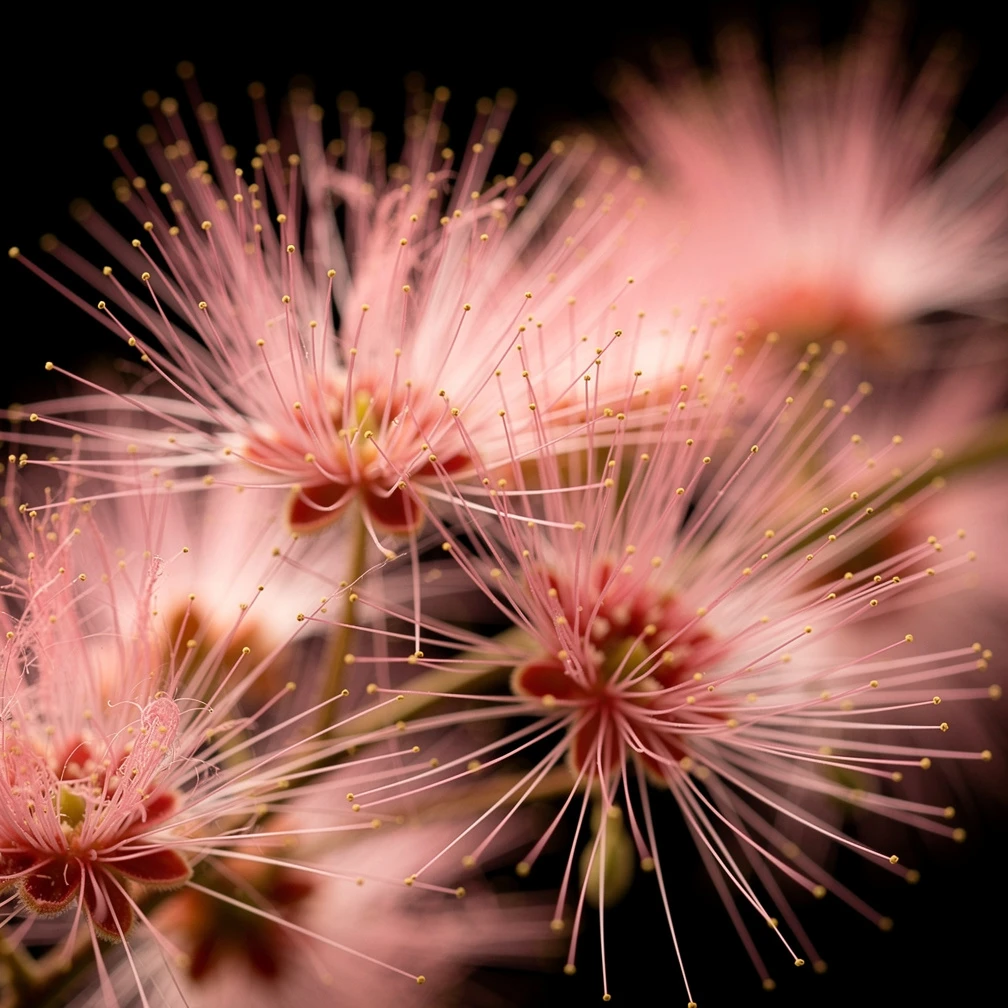
How it smells
Powdery petals, honeyed sweetness, quiet elegance.
The tree was namedAlbizzia julibrissinfor Filippo Albizzi, a 19th-century Italian naturalist who brought its seeds to Europe.





Origin
China
Silk Tree originates from Eastern Asia, where it has grown for centuries across China, Japan, and the Korean peninsula. Its botanical name, Albizia julibrissin, honors the Italian naturalist Filippo Albizzi, who introduced the species to European botanical collections in the late 18th century. The tree arrived in North America in the late 1700s and has since naturalized across much of the continent, prized for its ornamental qualities and distinctive bipinnate foliage.
In its countries of origin, the flowers held traditional significance and were occasionally used in rituals and decorative contexts. Written records of its aromatic use in perfumery are less documented than for other florals, and its modern role in the fragrance industry emerged gradually through specialty natural perfumery rather than through ancient aromatic traditions. The ingredient remains relatively niche, valued more for its contribution to specific fragrance expressions than for broad commercial application.
As the natural perfumery movement has grown, so has interest in lesser-used botanical materials like Silk Tree. Perfumers working in the green and natural segments have explored its soft, powdery floral character as an alternative to more dominant florals, though it remains a quieter presence in the overall landscape of fragrance ingredients.
Wears it best
Fragrances featuring Silk Tree

Brands
Brands known for Silk Tree
Good to know
Questions, answered
The essentials on Silk Tree in perfumery: how it smells, where it comes from, and how it behaves on skin.
What does Silk Tree smell like in perfume?
Silk Tree absolute has a soft, powdery-floral scent with honeyed sweetness and a creamy, slightly warm undertone. It reads as delicate and romantic, closer to mimosa or cassis than to bold florals like jasmine. In blends, it adds quiet elegance rather than assertive presence.
Why is Silk Tree used in perfumery?
Perfumers use Silk Tree to introduce a soft, powdery floral quality that warms a composition without overpowering it. It works well as a bridging note between brighter top notes and richer base components, adding depth and subtle romantic character to floral, oriental, and green fragrance families.
Is Silk Tree in perfume natural or synthetic?
Silk Tree absolute is a natural ingredient derived from Albizia julibrissin flowers via solvent extraction. Some fragrance houses may also offer a synthetic mimic of its powdery-floral character, but the natural material remains a specialty ingredient with a distinct, nuanced profile that synthetics approximate imperfectly.
What famous perfumes contain Silk Tree?
Silk Tree absolute appears primarily in niche and natural fragrance collections rather than mass-market perfumes. Specific mainstream brand formulations citing Silk Tree are limited in published fragrance databases, which suggests its use is concentrated among natural and artisanal perfumers who work closely with botanical absolutes.
Is Silk Tree a top note, heart note, or base note?
Silk Tree functions most effectively as a heart note in fragrance compositions. Its delicate, low-intensity aroma needs room to integrate with other ingredients rather than compete for attention. In the heart phase it bridges brighter opening notes with the deeper base, contributing warmth and soft floral character to the dry-down.
What notes pair well with Silk Tree in perfume?
Silk Tree pairs naturally with other soft florals such as mimosa, violets, and orris. In oriental blends it complements warm resins like benzoin and vanilla. For green or chypre structures, it works alongside galbanum and oakmoss, where its powdery quality adds nuance without disrupting the overall architecture.
How is Silk Tree extracted?
Silk Tree flowers are processed using solvent extraction to produce a concrete, which is then washed with alcohol to yield the absolute. This method is preferred over steam distillation because the aromatic compounds are temperature-sensitive and can degrade under high heat, reducing the delicate powdery-floral character that perfumers seek.
Is Silk Tree used in men's or women's fragrances?
Silk Tree absolute is gender-neutral in application. Its soft, powdery quality can appear in feminine florals, gender-neutral compositions, and even masculine woody blends where a subtle floral undertone is desired. The ingredient's role is dictated by the fragrance's overall structure rather than its target demographic.