Siam Wood
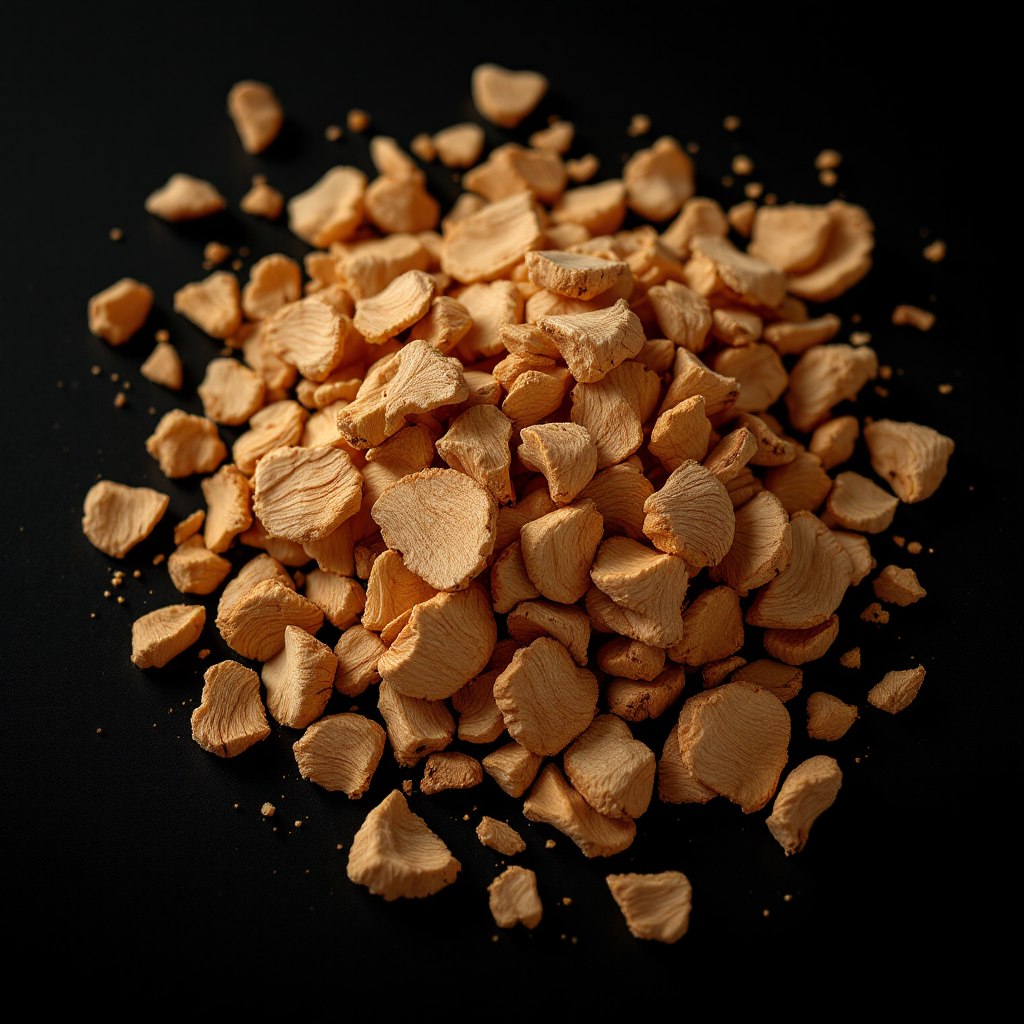
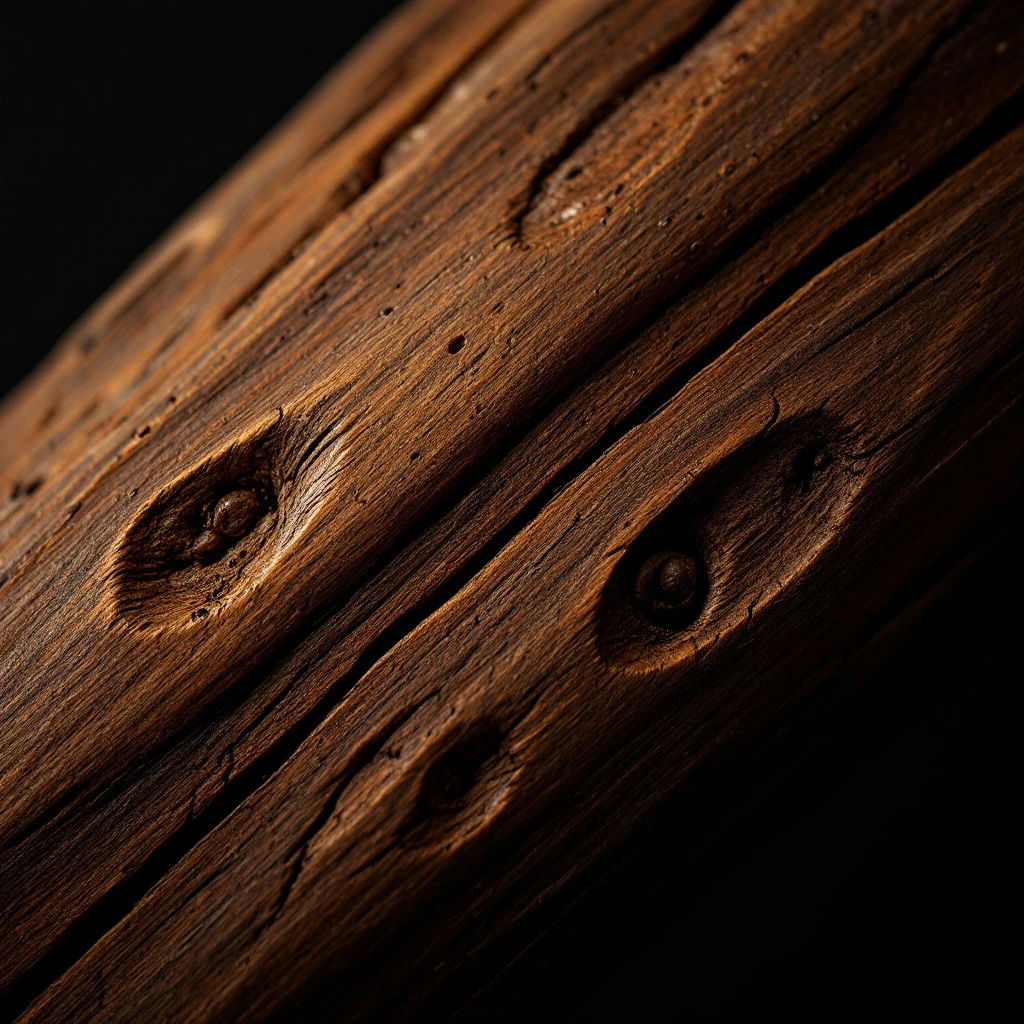
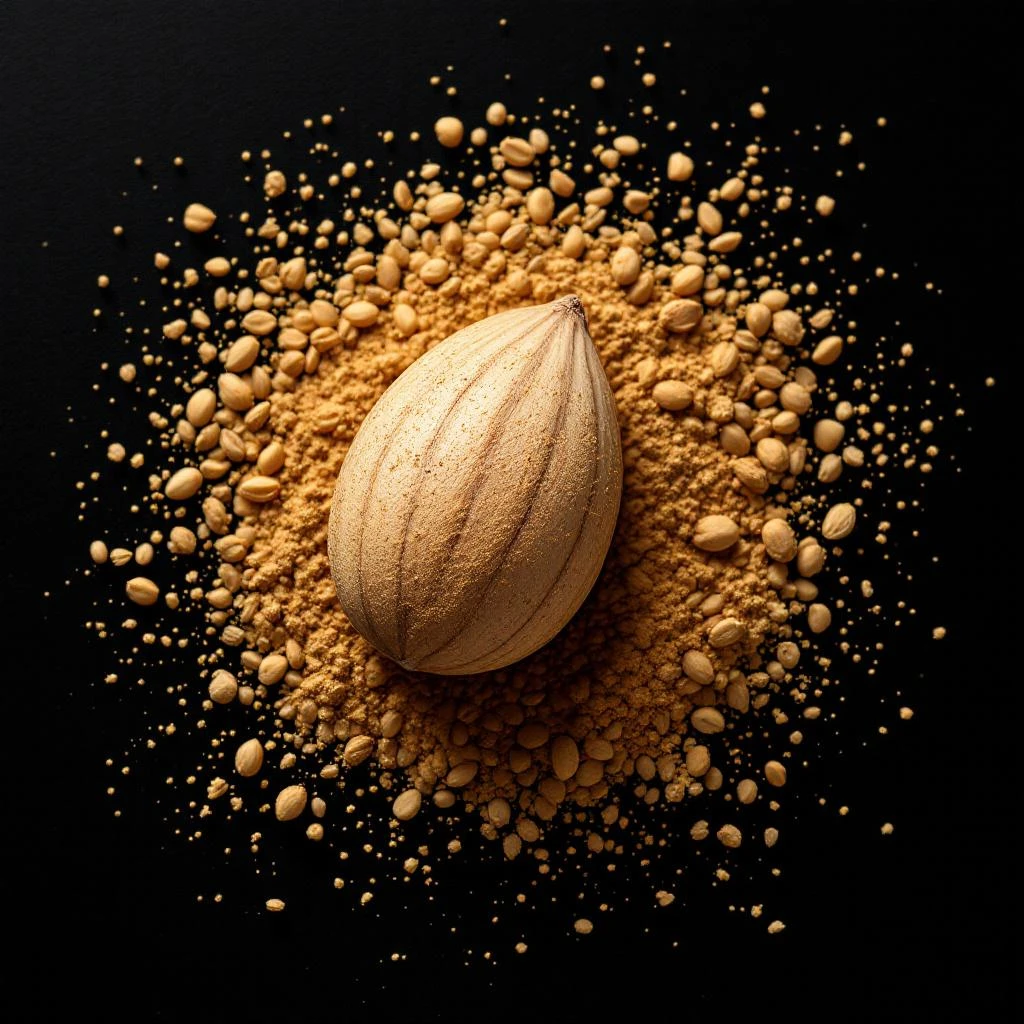
Siam Wood is an aromatic accord inspired by the rich botanical heritage of Thailand, blending benzoin resin's sweet warmth with the dry, pencil-like scent of teak or cedarwood.
Character
How it smells
Southeast Asia's warm woody signature
Benzoin from Siam is so distinct from other origins that trained evaluators can tell it apart by smell alone.






Origin
Thailand
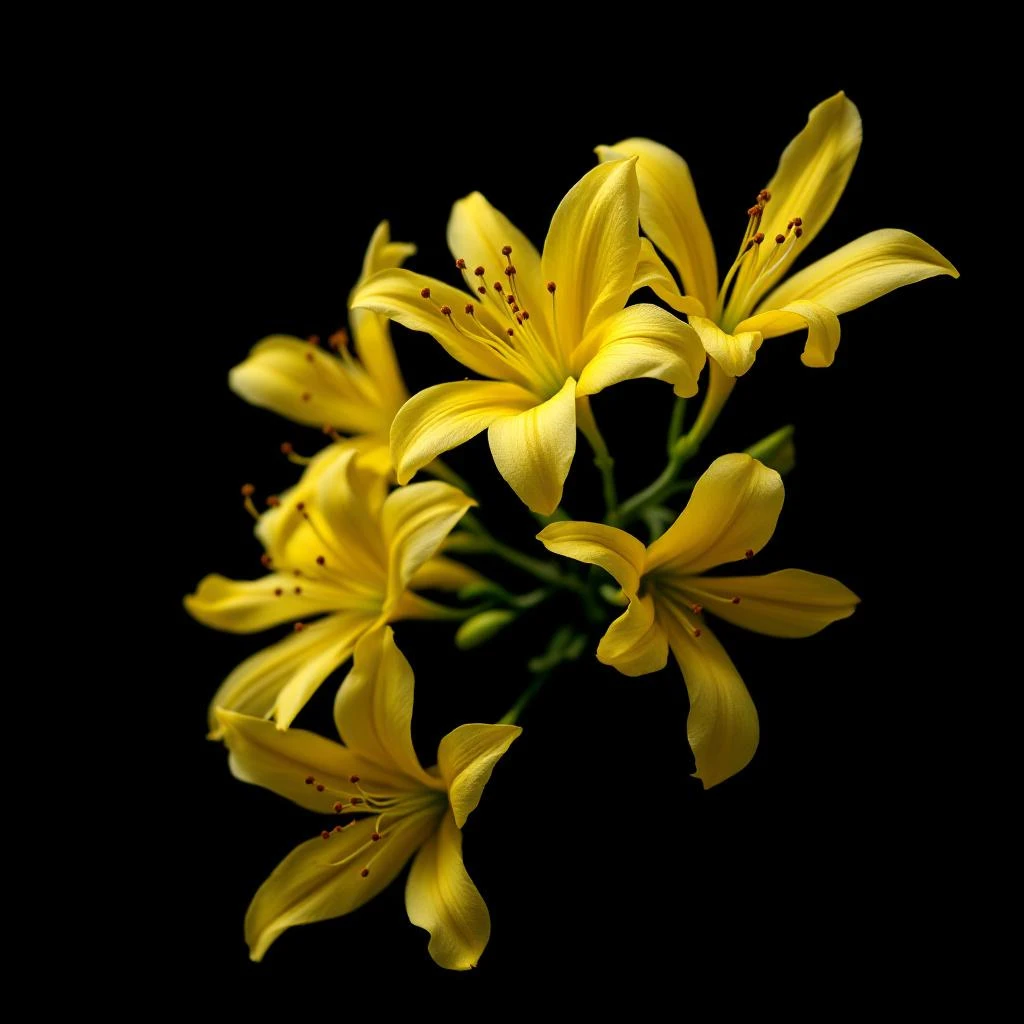
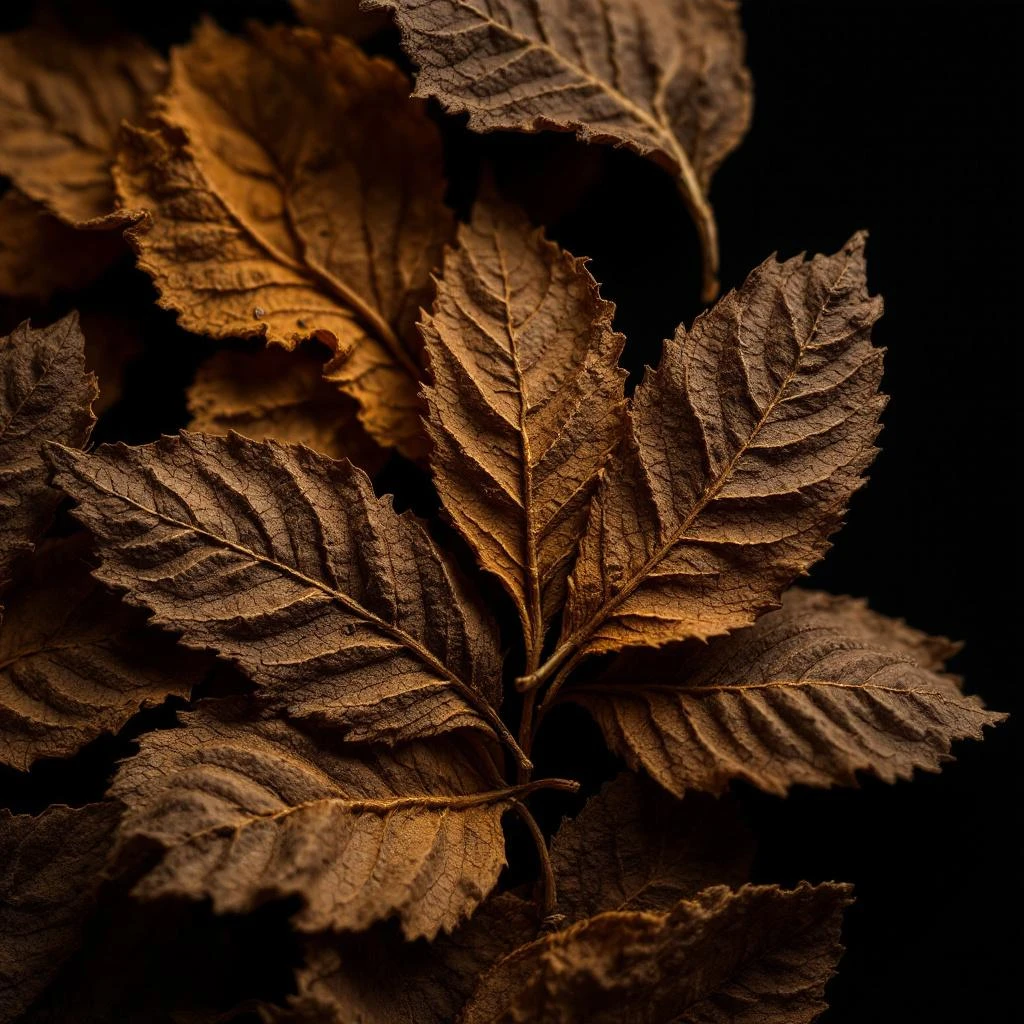
The Siam Wood accord traces its roots to the aromatic traditions of the ancient Siam kingdom, now Thailand, and surrounding regions of Southeast Asia. Benzoin resin from this area was among the most sought-after trade goods during the colonial era, prized by European perfumers for its sweet, vanillic character. Local traditions blended the resin with native woods and spices, creating a distinctive aromatic signature.
This regional combination became known as Siam Wood in Western perfumery circles. Today, the accord remains significant in oriental and woody fragrance compositions, particularly in niche perfumery where regional authenticity matters. Though the geographic boundaries of historical Siam have shifted, the aromatic profile endures, anchored by the characteristic benzoin from this part of the world.
Much of what enters the trade today actually originates in Vietnam and Laos, but perfumers maintain the Siam nomenclature to preserve the distinctive profile.
Wears it best
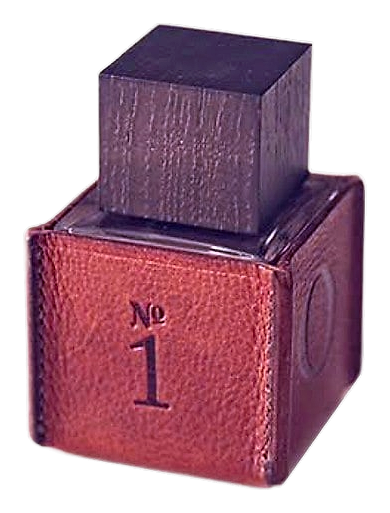
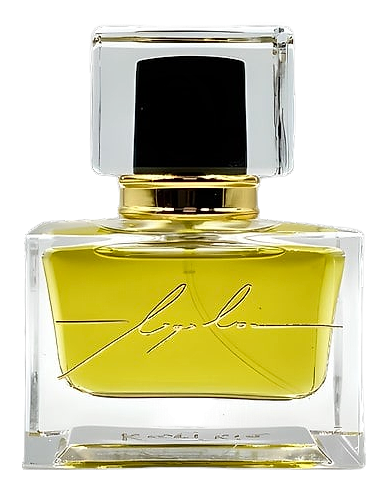
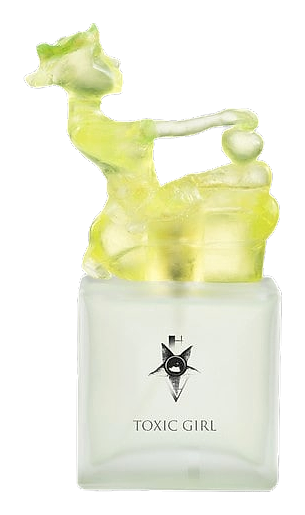
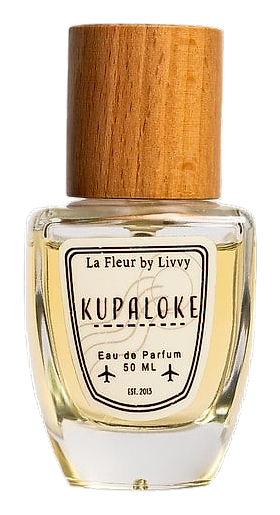
Fragrances featuring Siam Wood
Brands
Brands known for Siam Wood
Good to know
Questions, answered
The essentials on Siam Wood in perfumery: how it smells, where it comes from, and how it behaves on skin.
What is Siam Wood in perfumery?
Siam Wood is a perfumery accord combining benzoin Siam absolute with teak or cedarwood oils. It references the aromatic traditions of the Siam region, using Southeast Asian materials to create a warm, woody character with sweet balsamic depth.
Where does Siam Wood originate?
The accord draws from Thailand, Vietnam, Laos, and surrounding areas. Benzoin comes from Styrax tonkinensis trees native to these Southeast Asian forests, while the wood component typically sources from regional teak or cedar species.
How does Siam Wood differ from regular benzoin?
Benzoin alone is a single resin absolute. Siam Wood adds wood oils (teak or cedar) and sometimes spices, creating a more complex woody profile. The wood notes contribute dry, pencil-shaving facets that round out benzoin's sweet balsamic character.
What extraction method produces Siam Wood components?
Benzoin Siam uses solvent extraction to pull resin compounds from the styrax sap, yielding an absolute. Wood components are typically steam-distilled. The final accord blends these materials in specific ratios set by each perfumer.
How much Siam Wood do perfumers typically use?
Siam Wood accord appears primarily in heart and base compositions, usually comprising 2 to 8 percent of a formula. Higher concentrations create bold oriental statements; lower amounts add subtle warmth beneath brighter top notes.
What does Siam Wood smell like?
Siam Wood reads as warm and woody with sweet balsamic undertones. The benzoin component provides vanilla-like warmth; wood oils add dry, slightly pencil-like facets. Spice notes occasionally surface, creating complexity without overwhelming the blend.
Is Siam Wood available year-round?
Benzoin Siam flows seasonally with harvest cycles in Southeast Asia. Wood oils remain consistently available. Most perfumers maintain inventory to ensure year-round access, though long-term supply can fluctuate with weather and agricultural conditions.
How does Siam Wood compare to true sandalwood?
Siam Wood is significantly cheaper than sandalwood and offers different character. Sandalwood provides creamy, milky warmth; Siam Wood contributes drier, more resinous woodiness. Many perfumers use Siam Wood as an affordable anchor in woody compositions.