Senecio
Senecio is a versatile botanical ingredient derived from the extensive Asteraceae family, offering aromatic complexity in perfumery. Its contribution is primarily as a bridge element, lending herbaceous depth and a subtle green character that supports heart and base note compositions.
Character
How it smells
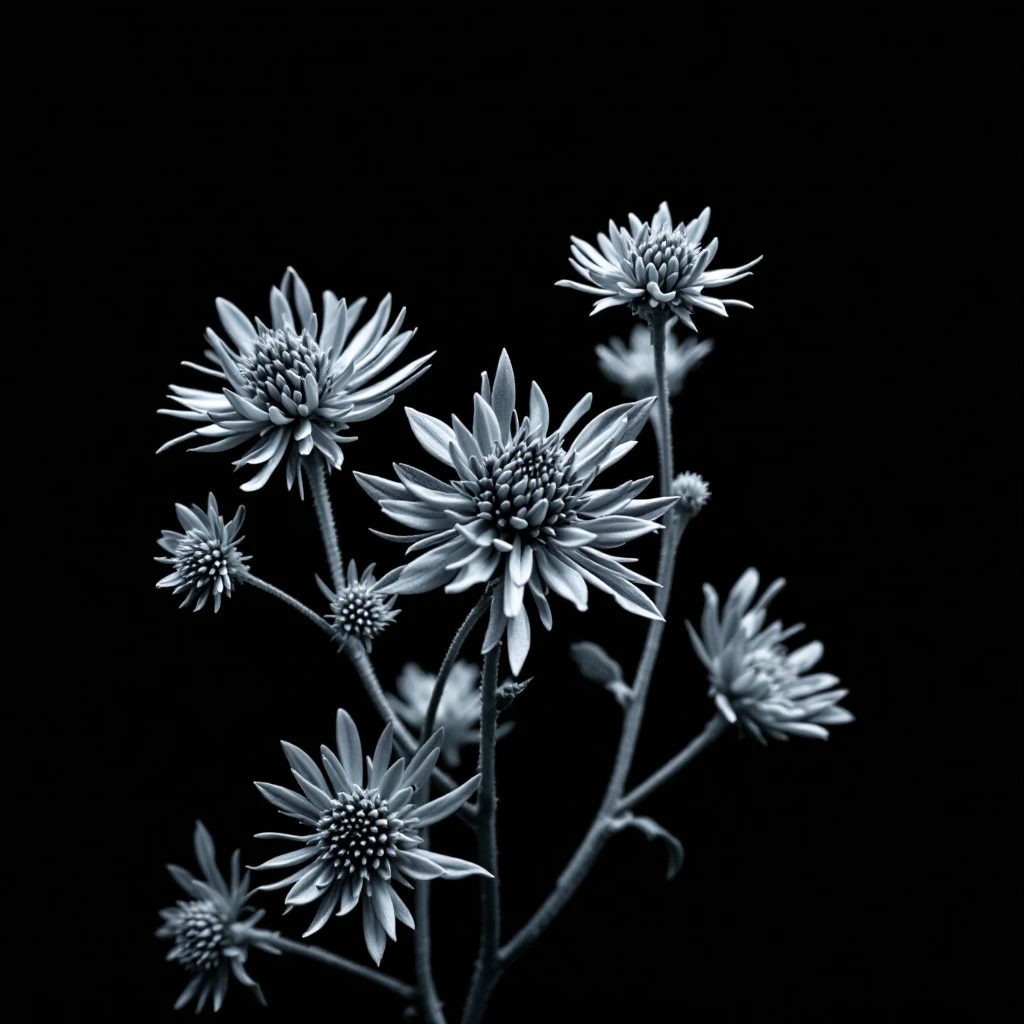
Ancient botanical wisdom meets modern perfumery's green soul.
The Senecio genus contains over 1,500 species, making it one of the largest flowering plant genera on Earth.




Origin
Global distribution, multiple origins
Plants within the Senecio genus have been documented in traditional medicine systems across multiple cultures for centuries, particularly in European folk practices where various species were employed for their therapeutic properties. The genus name derives from the Latin word 'senex,' meaning old man, a reference to the seed heads that feature white hairs resembling an aged figure. While not among the most celebrated perfumery ingredients historically, this botanical has occupied a niche role in natural fragrance traditions, valued for its ability to evoke the essence of wild landscapes and untamed meadows in complex compositions.
Wears it best
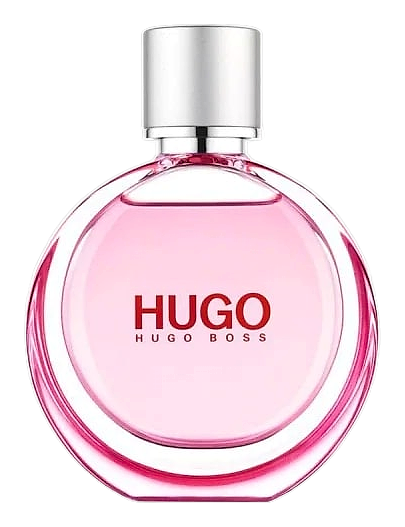
Fragrances featuring Senecio


Brands
Brands known for Senecio
Good to know
Questions, answered
The essentials on Senecio in perfumery: how it smells, where it comes from, and how it behaves on skin.
What does Senecio smell like in perfume?
Senecio presents a herbaceous, green aromatic profile with subtle bitter undertones reminiscent of wild meadow grasses. The scent character is often described as fresh and slightly earthy, providing natural depth rather than dominant fragrance presence.
Why is Senecio used in perfumery?
Senecio serves as a natural botanical source for adding herbaceous complexity to fragrance compositions. Its green, slightly bitter character helps create authentic natural accords and provides aromatic depth that supports other ingredients in a formulation.
Is Senecio in perfume natural or synthetic?
Senecio used in perfumery is primarily derived from natural botanical sources through steam distillation. However, biotechnology increasingly supports sustainable production of aromatic compounds found in this plant material for consistent quality and supply.
What famous perfumes contain Senecio?
Senecio does not appear prominently as a named ingredient in mainstream fragrance marketing. Its role is typically as a supporting botanical component contributing to complex herbal or green fragrance families rather than a featured note.
Is Senecio a top note, heart note, or base note?
Senecio functions primarily as a bridge note or supporting base element in fragrance compositions. The aromatic compounds tend to have moderate persistence, allowing them to contribute depth throughout the fragrance development rather than appearing only in initial stages.
What notes pair well with Senecio in perfume?
Senecio pairs naturally with other green and aromatic materials including clary sage, galbanum, and various herbaceous essential oils. Woody base notes like vetiver and cedar enhance its earthy character while citrus top notes provide complementary freshness.
How is Senecio extracted?
Steam distillation of the aerial parts of the plant, including stems and flower heads, produces the aromatic material. This method preserves the delicate herbaceous molecules while removing the pyrrolizidine alkaloids present in the raw botanical material.
Is Senecio used in men's or women's fragrances?
Senecio's herbaceous, green character makes it versatile across gender presentations. The botanical appears in both masculine fragrance compositions featuring herbal and fougere accords and in feminine scents emphasizing natural, garden-inspired elements.