The Story
Why it exists.
The beginning
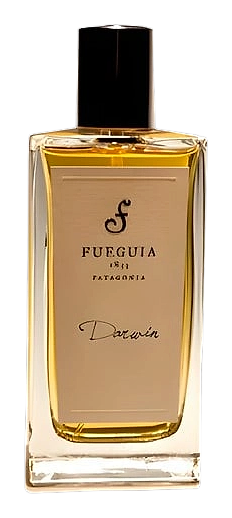
Julian Bedel named this one exactly what it is. Rosa de la Patagonia isn't poetic license, it's a hybrid rose adapted to Patagonia's extreme conditions, one of the southernmost growing regions on earth. The name is the brief. The oud is the answer. A mysterious ancient resin meets the cold-climate bloom in a fragrance that refuses to smell like anywhere typical.
Senecio is the quietly unusual choice here, a Patagonian wildflower, not a perfumer's standard. Where most niche houses would reach for musk or amber to ground a rose-oud pairing, Bedel reached for a plant that grows within sight of the Andes. It's the difference between a calculated accord and something that actually smells like a landscape. The Pura Esencia line skips filtration entirely, which means the scent carries more of its original aromatic weight, less processed, more present.
The evolution
First hour: the rose arrives clean and direct. No softening, no sweetness, just a bloom that knows it's the only one for miles. Within the hour, the oud settles in beside it. Not heavy-handed, not smoke-and-shadow. Warm, resinous, patient. The rose doesn't disappear, it deepens. Then the senecio takes over. Three to six hours in, the fragrance shifts toward something wild and herbaceous. Mineral air. Dried stems. The cold finish of a Patagonian evening. On fabric, it lasts into the next day. That's the tell.
Cultural impact
Rosa de la Patagonia arrives as part of Argentina's slow perfumery movement, representing a deliberate counterpoint to the acceleration of fashion fragrance production. Fueguia 1833, founded by Julian Bedel in 2010, operates on an anti-franchise model, no celebrity endorsements, no mass market distribution, no seasonal reformulations. The brand's Linneo collection treats each fragrance as botanical taxonomy, with Rosa de la Patagonia catalogued under its Patagonian plant references. This framing positions the scent within a cultural conversation about regional identity, terroir, and what constitutes luxury when stripped of prestige branding. The fragrance has developed a following among collectors who seek fragrances as cultural artifacts rather than status symbols.