Sea Minerals
Sea Minerals capture the crisp, clean essence of ocean air and coastal shores. This marine note brings an airy, mineral-rich quality to fragrances, evoking the sensation of a cool sea breeze and sun-warmed driftwood.
Character
How it smells
The fresh, clean scent of ocean air, captured.
Marine notes like Calone emerged in perfumery during the 1980s, revolutionizing how fragrances capture oceanic scents with synthetic molecules.


Origin
United States
Marine fragrance notes emerged as a distinct category in the late 20th century when fragrance chemists developed synthetic molecules capable of recreating oceanic scents. Before this innovation, perfumers relied on sea salt-soaked materials or marine botanicals with limited success.
The 1980s marked a turning point when Calone and similar compounds entered commercial use, enabling perfumers to craft convincing marine accords. This breakthrough allowed fragrances to evoke ocean breezes, tidal pools, and coastal atmospheres, expanding the sensory vocabulary of perfumery and paving the way for aquatic fragrance families that remain popular today.
Wears it best
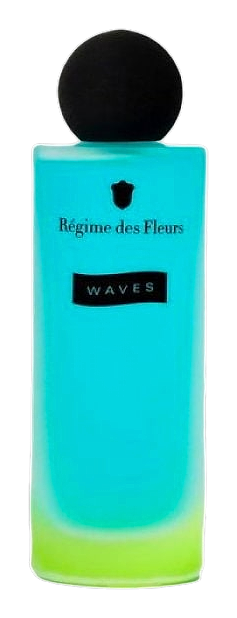
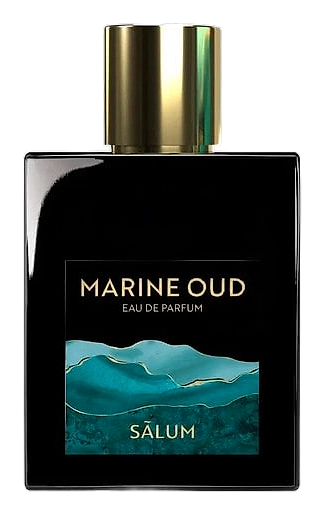
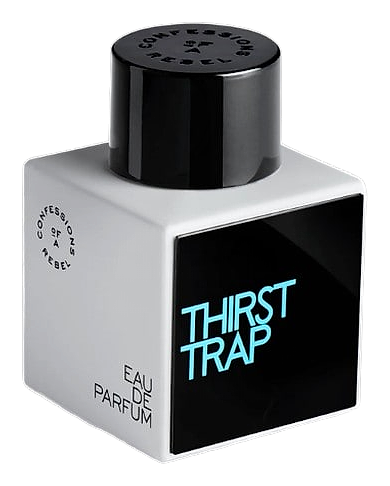
Fragrances featuring Sea Minerals
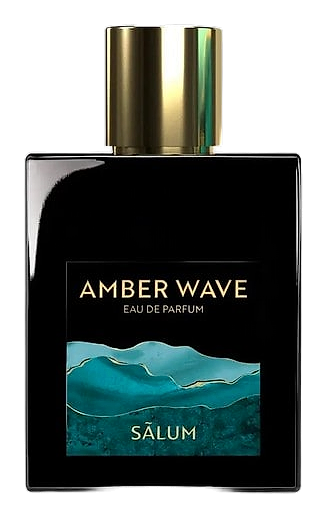
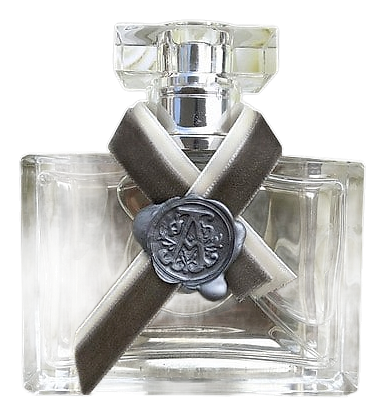
Brands
Brands known for Sea Minerals
Good to know
Questions, answered
The essentials on Sea Minerals in perfumery: how it smells, where it comes from, and how it behaves on skin.
What are Sea Minerals in perfumery?
Sea Minerals are synthetic aroma compounds that recreate the fresh, ozonic scent of ocean air and coastal environments. They are not extracted from seawater but synthesized in laboratories using molecules like Calone and Adoxal to evoke marine atmospheres in fragrances.
How do Sea Minerals smell?
Sea Minerals smell like fresh ocean air with clean, airy qualities reminiscent of sea spray, coastal minerals, and sun-warmed driftwood. The scent is crisp, aquatic, and subtly saline, creating an immediate sense of openness and calm.
When were marine notes first used in perfume?
Marine notes emerged in perfumery during the 1980s when fragrance chemists synthesized the first molecules capable of replicating oceanic scents. Calone, discovered in the 1960s, became commercially viable in perfumery during this decade.
Are Sea Minerals natural or synthetic?
Sea Minerals are entirely synthetic. While the scent evokes natural ocean air, the compounds like Calone, Adoxal, and Triplal are laboratory-created molecules specifically designed to capture marine fragrance qualities.
What fragrance families use Sea Minerals?
Sea Minerals appear primarily in aquatic, fresh, and oceanic fragrance families. They are especially common in unisex and women's perfumes designed to evoke cleanliness, freshness, and coastal environments.
How long do Sea Minerals last in a fragrance?
Marine notes typically have moderate longevity, lasting 2-4 hours on skin depending on concentration and formulation. They often serve as top or heart notes in fragrance compositions.
What molecules create the Sea Minerals effect?
Key molecules include Calone (watermelon ketone), Adoxal, Triplal, and Melonal. These compounds interact with skin chemistry to produce fresh, ozonic, and slightly saline aromatic effects characteristic of ocean air.
Do Sea Minerals pair well with other notes?
Sea Minerals pair excellently with citrus, white florals, woody notes, and fresh greens. They enhance aquatic fragrances, add freshness to oriental compositions, and create contemporary effects when combined with modern synthetic partners.