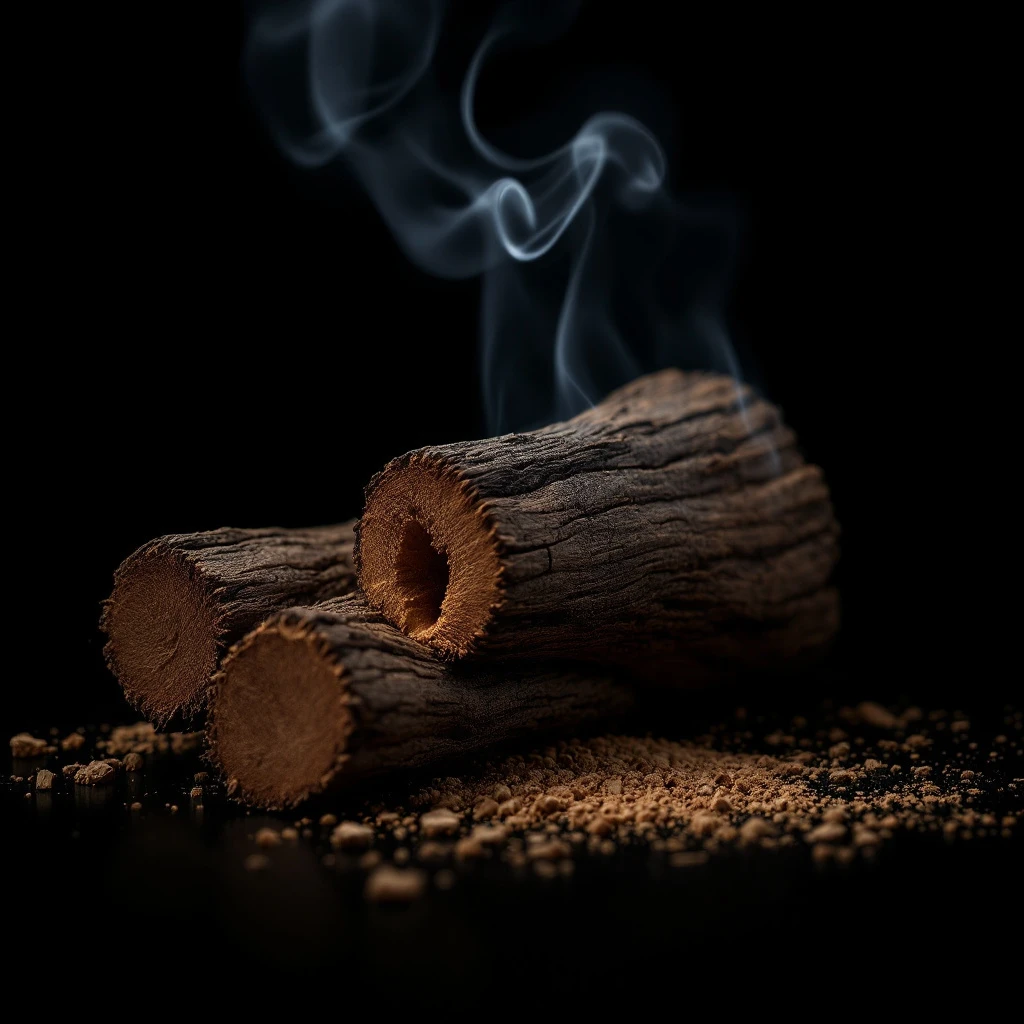
Scandinavian Birch Tar
A primal smoky note with leather depth. Scandinavian birch tar brings a distinctly Nordic character to fragrances, evoking forest clearings and weathered wood.
Character
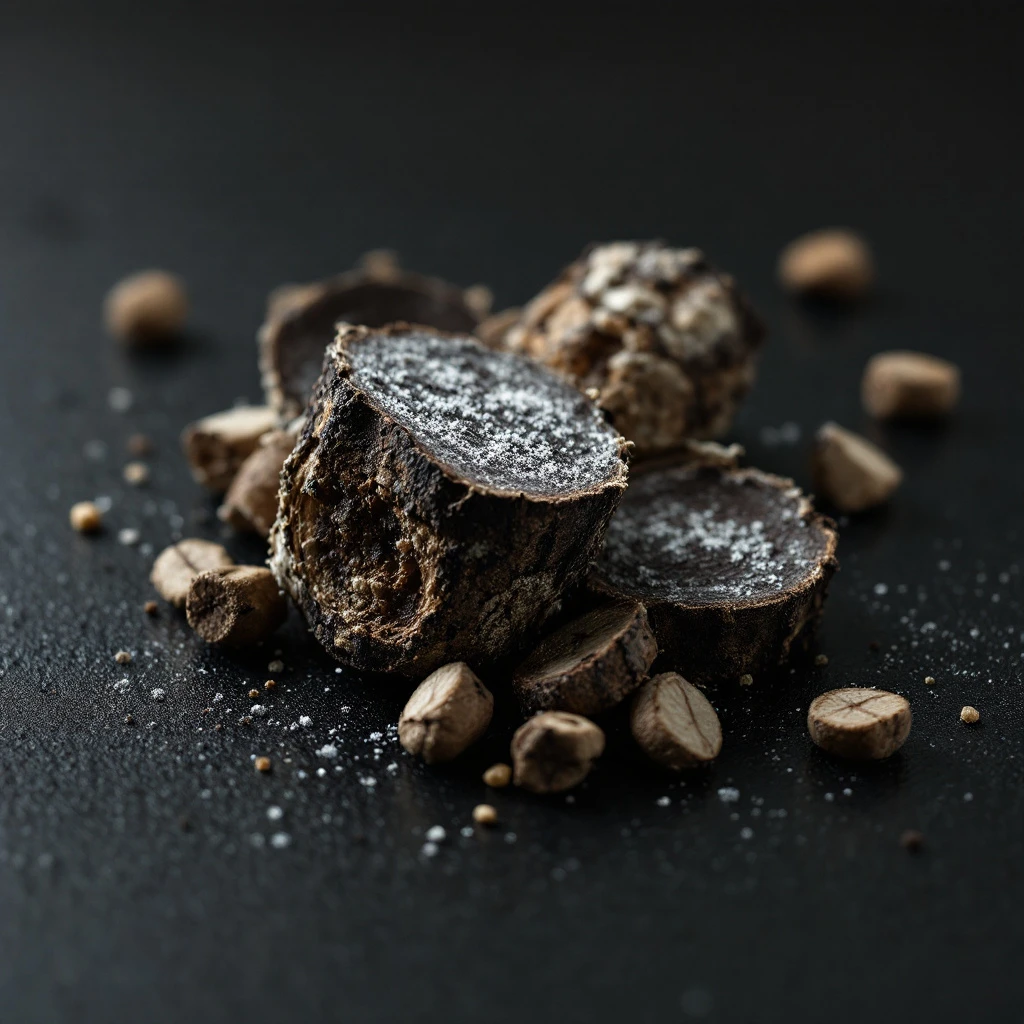
How it smells
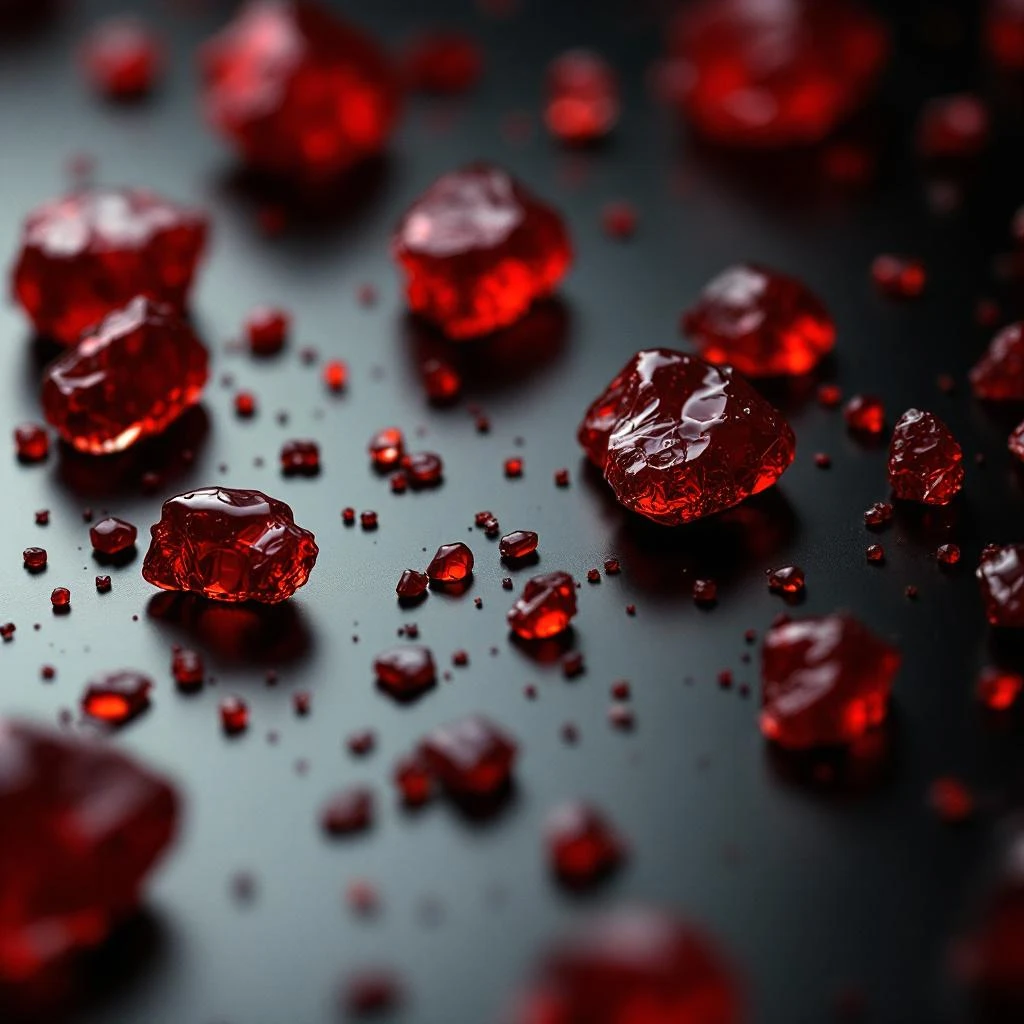
Nordic smoke captured in amber darkness.
Neanderthals produced birch tar 200,000 years ago, making it one of humanity's oldest synthetic materials.

Origin
Sweden
Birch tar ranks among the oldest materials humans ever produced. Archaeological evidence from Campitello, Italy confirms Neanderthals manufactured birch tar at least 200,000 years ago, predating Homo sapiens entirely. They used it as adhesive for hafting stone tools.
By the 18th and 19th centuries, Russian riders carried birch bark wrapped around their saddles, using the tar to condition leather and protect tack from moisture. Scandinavian communities developed their own traditions, applying birch tar to wooden boats and buildings for waterproofing. Perfumers began isolating its aromatic qualities in the 19th century, drawn to its complex smoke-leather accord that nothing synthetic quite replicated.
Today, Nordic perfumers especially champion Scandinavian birch tar as a link to regional craft heritage.
Wears it best
Fragrances featuring Scandinavian Birch Tar

Brands
Brands known for Scandinavian Birch Tar
Good to know
Questions, answered
The essentials on Scandinavian Birch Tar in perfumery: how it smells, where it comes from, and how it behaves on skin.
What does Scandinavian birch tar smell like?
It carries a distinctive smoky-leather character with campfire warmth and dark, resinous undertones. The scent evokes weathered wood and forest floors rather than harsh industrial smoke.
Is birch tar safe in perfumes?
Rectified birch tar oil meets IFRA standards and is considered safe for use in commercial fragrances. Crude birch tar should not be used directly in perfumery due to skin sensitization risks.
What fragrance families use birch tar?
Birch tar appears primarily in leather, chypre, and fougere compositions. It also features in smoky-oriental and certain masculine woodsy fragrances as a fixative and character note.
How long has birch tar been used?
Archaeological evidence confirms birch tar production dates back 200,000 years, used by Neanderthals for tool hafting. Human parfume use began in the 19th century.
What tree produces birch tar oil?
Various Betula species yield birch tar oil, including Betula pendula (silver birch) and Betula alba. The Nordic climate produces slow-growing trees with particularly concentrated bark oils.
Why is it called Scandinavian birch tar?
Scandinavian production methods and silver birch species grown in Nordic climates produce a characteristic oil quality. The region remains a primary source for perfumery-grade material.
Can birch tar be synthetically replicated?
Guaiacol and cresol derivatives attempt to mimic birch tar's smoky character, but natural tar oil retains complexity that laboratory synthesis cannot fully capture.
What dilution is typical for birch tar in perfumery?
Birch tar oil is used at low concentrations, typically below 1% in fragrance concentrates, due to its intensity. The material serves as a powerful modifier rather than a dominant note.