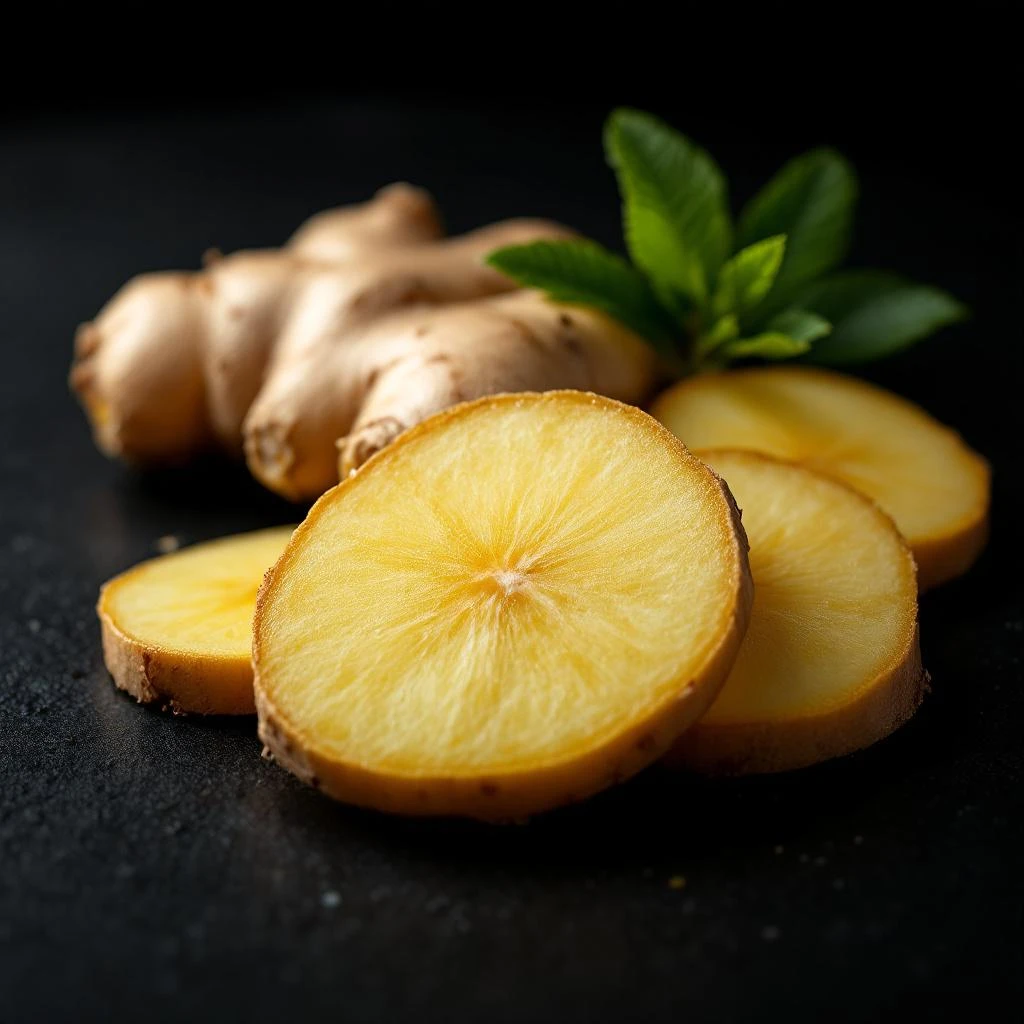
Zanzibar Black Pepper
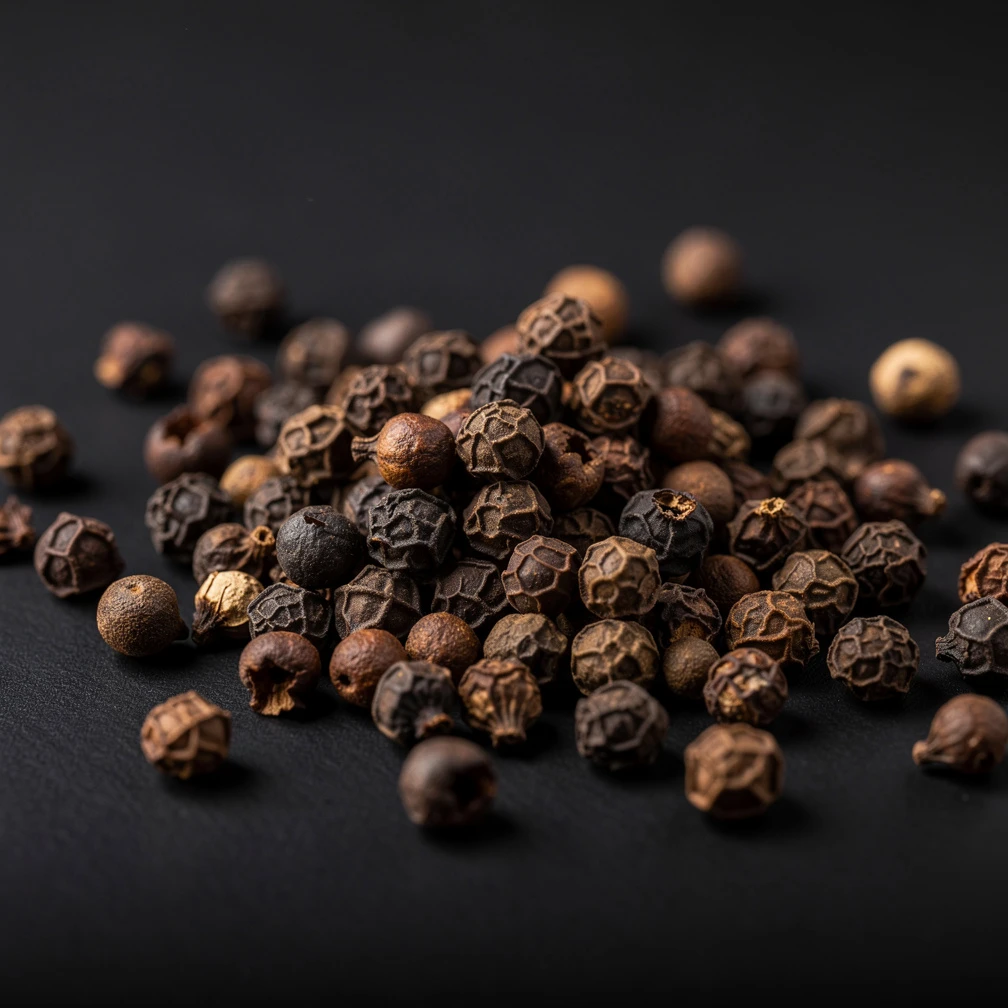
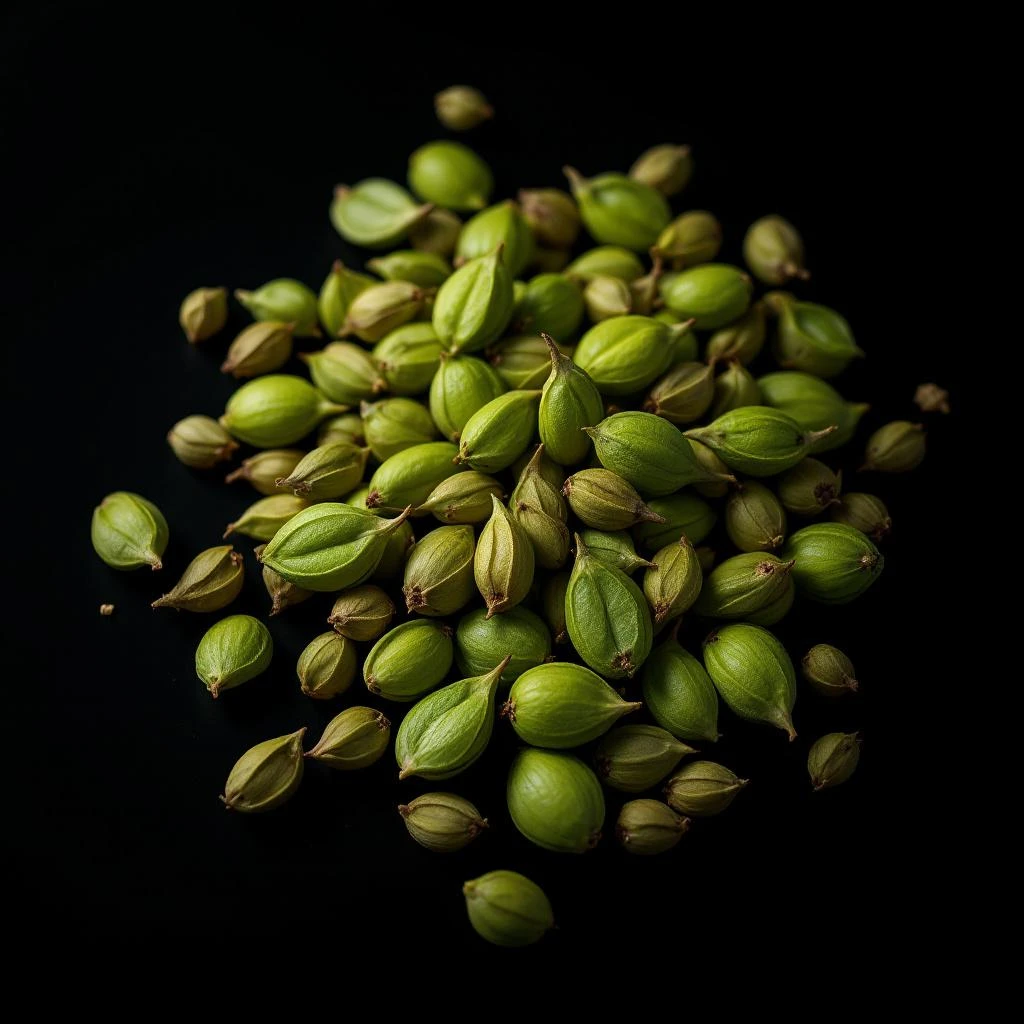
From the spice islands of Zanzibar, this pepper delivers a warm, resinous heat with distinctively smoky undertones. Steam-distilled from sun-dried Piper nigrum berries, it brings dry spice and subtle citrus brightness to luxury fragrances.
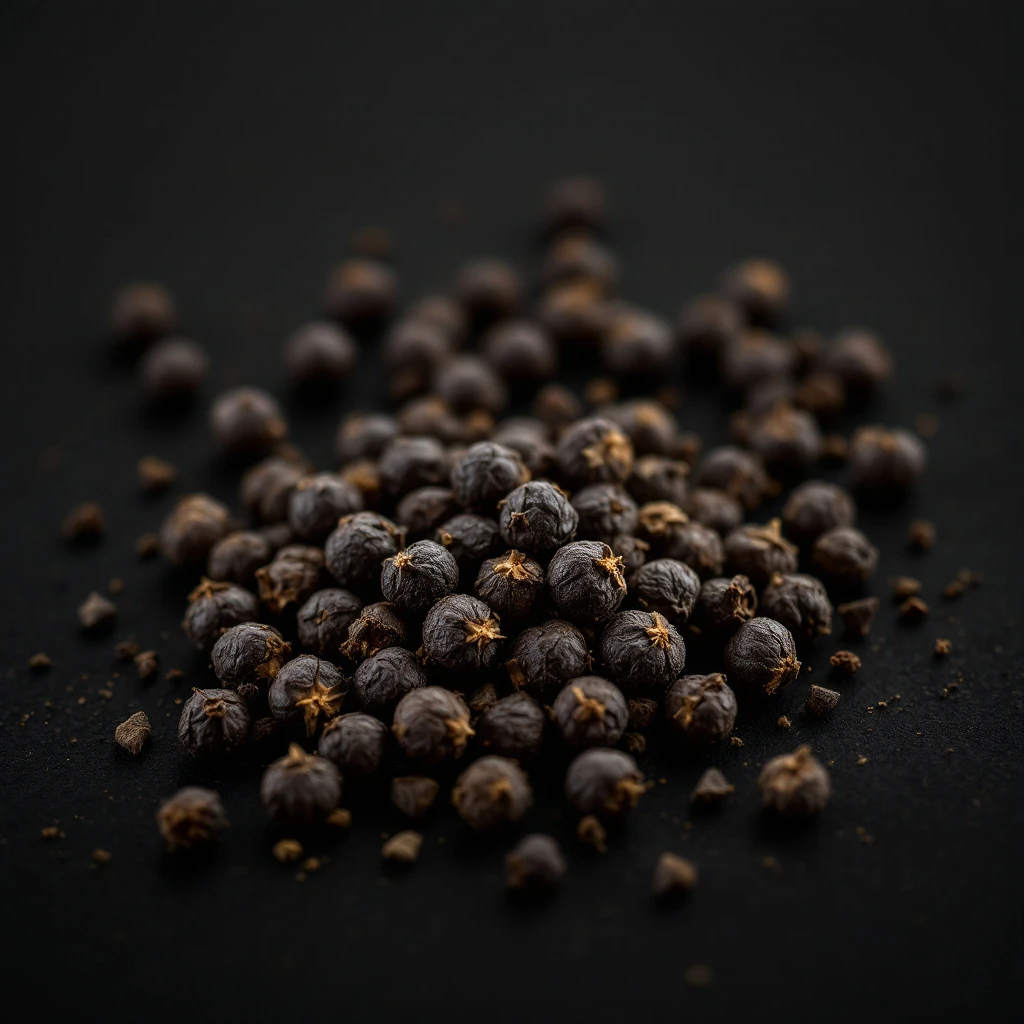
Character
How it smells
Island-grown heat with smoky depth.
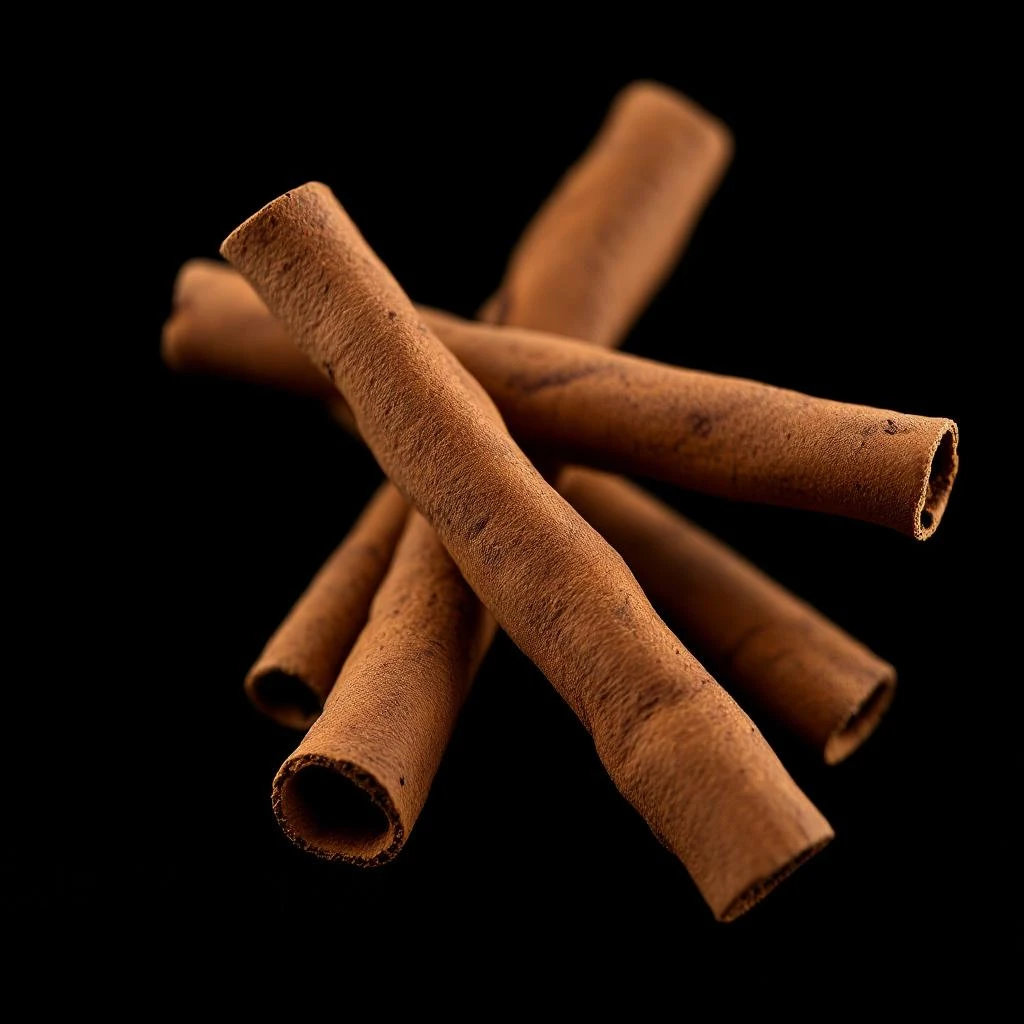
Zanzibar pepper trees grow alongside clove and cinnamon plantations, absorbing neighboring aromatics into their berries.



Origin
Tanzania
The Zanzibar Archipelago built its wealth on the spice trade during the 19th century, when Omani Arabs established clove and pepper plantations across Unguja Island. British colonial records from the 1880s document Zanzibar as one of the world's primary pepper export hubs, supplying European markets with the 'black gold' that Romans had prized centuries earlier. The archipelago's position along Swahili Coast trade routes connected it to ancient networks stretching back to Mesopotamian civilizations.
Zanzibar pepper carried cultural significance beyond commerce: Swahili medicine incorporated ground berries into remedies for digestive complaints and respiratory ailments. Today, smallholder farmers on Unguja continue cultivating Piper nigrum using traditional methods passed through generations, maintaining sustainable harvests that support the local economy while preserving centuries of agricultural knowledge.
Wears it best
Fragrances featuring Zanzibar Black Pepper
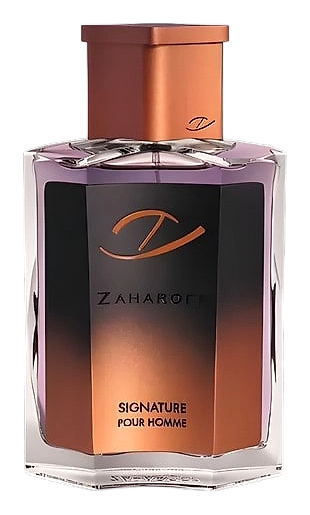

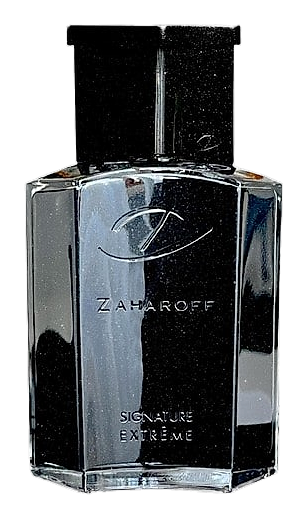
Brands
Brands known for Zanzibar Black Pepper
Good to know
Questions, answered
The essentials on Zanzibar Black Pepper in perfumery: how it smells, where it comes from, and how it behaves on skin.
What does Zanzibar black pepper smell like?
It smells warm, dry, and resinous with distinct smoky undertones. The island's humid climate and mineral soil produce berries with elevated essential oil content, giving the extract a more complex aromatic profile than other origins.
How is Zanzibar black pepper extracted for perfumery?
Steam distillation of sun-dried Piper nigrum berries yields essential oil at 1.5-2 percent extraction efficiency. The dried berries are processed within weeks of harvest to preserve aromatic compounds like beta-caryophyllene.
Why is Zanzibar known for pepper cultivation?
Omani Arabs established pepper and clove plantations on Unguja Island during the 19th century. The archipelago became a major global export hub, documented in British colonial trade records from the 1880s.
What fragrance families use Zanzibar black pepper?
It appears most frequently in woody, oriental, and fougère compositions. Perfumers pair it with sandalwood, cedar, and amber for warmth, or contrast it with bright citruses for spice-forward men's fragrances.
Is Zanzibar black pepper used in men's or women's fragrances?
It suits unisex and masculine compositions primarily. The smoky, resinous character aligns with traditionally masculine fragrance aesthetics, though contemporary perfumers deploy it across gender categories.
What compounds give black pepper its characteristic aroma?
Beta-caryophyllene provides the warm, woody foundation while limonene contributes subtle citrus brightness. These monoterpenes create the familiar spicy-dry sensation detected by olfactory receptors.
How does Zanzibar pepper differ from Malabar or Tellicherry varieties?
Island terroir produces berries with higher essential oil concentration and additional smoky-smoky undertones. Mainland Indian varieties tend toward sharper, cleaner spice without the resinous complexity.
Does synthetic black pepper exist in perfumery?
Synthetics like rotundone attempt to replicate pepper's spicy effect. Natural extraction remains preferred for luxury formulations because it captures the full aromatic complexity including subtle citrus and floral nuances.