Sauvignon Blanc
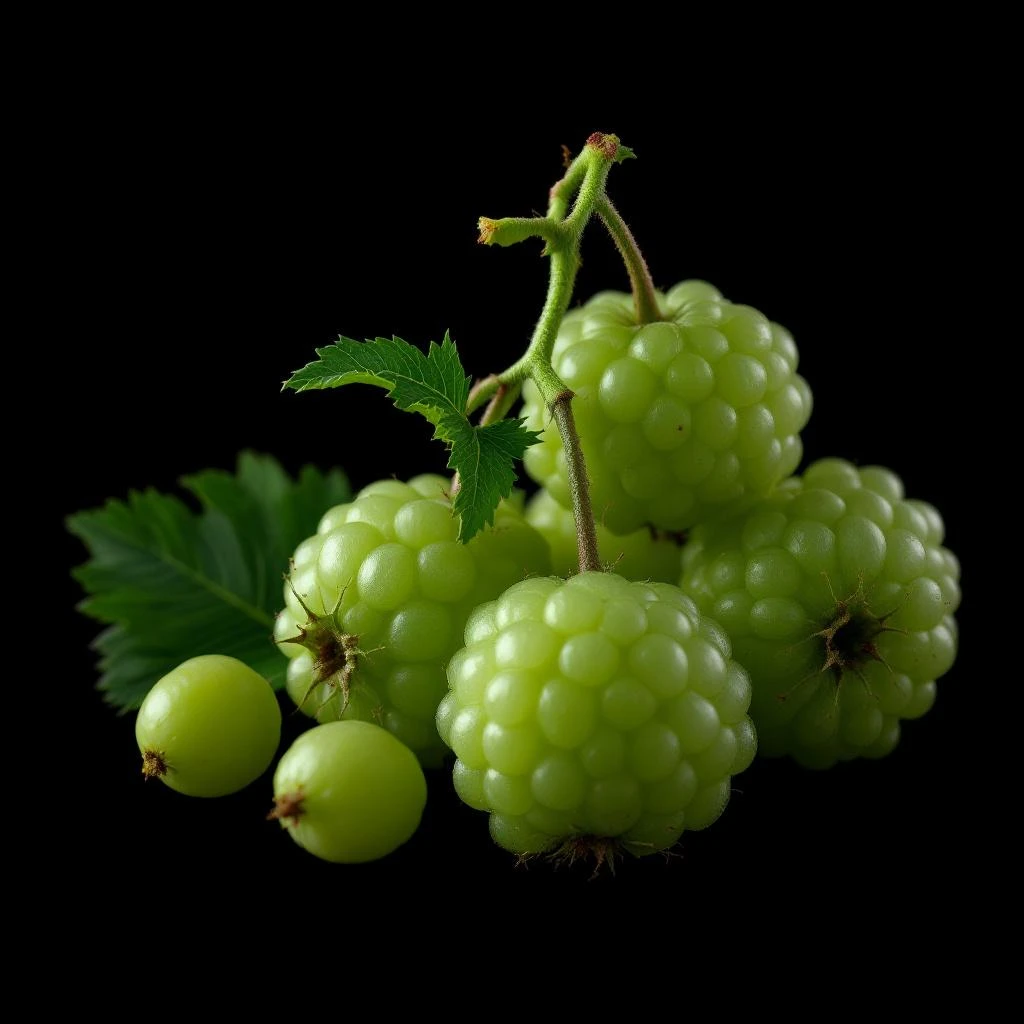
A crisp, green-fruited accord that captures the essence of cool-climate winemaking. Sauvignon Blanc delivers bright grapefruit zest, fresh-cut grass, and a distinctive mineral streak that brings lift and clarity to fragrance compositions.
Character
How it smells
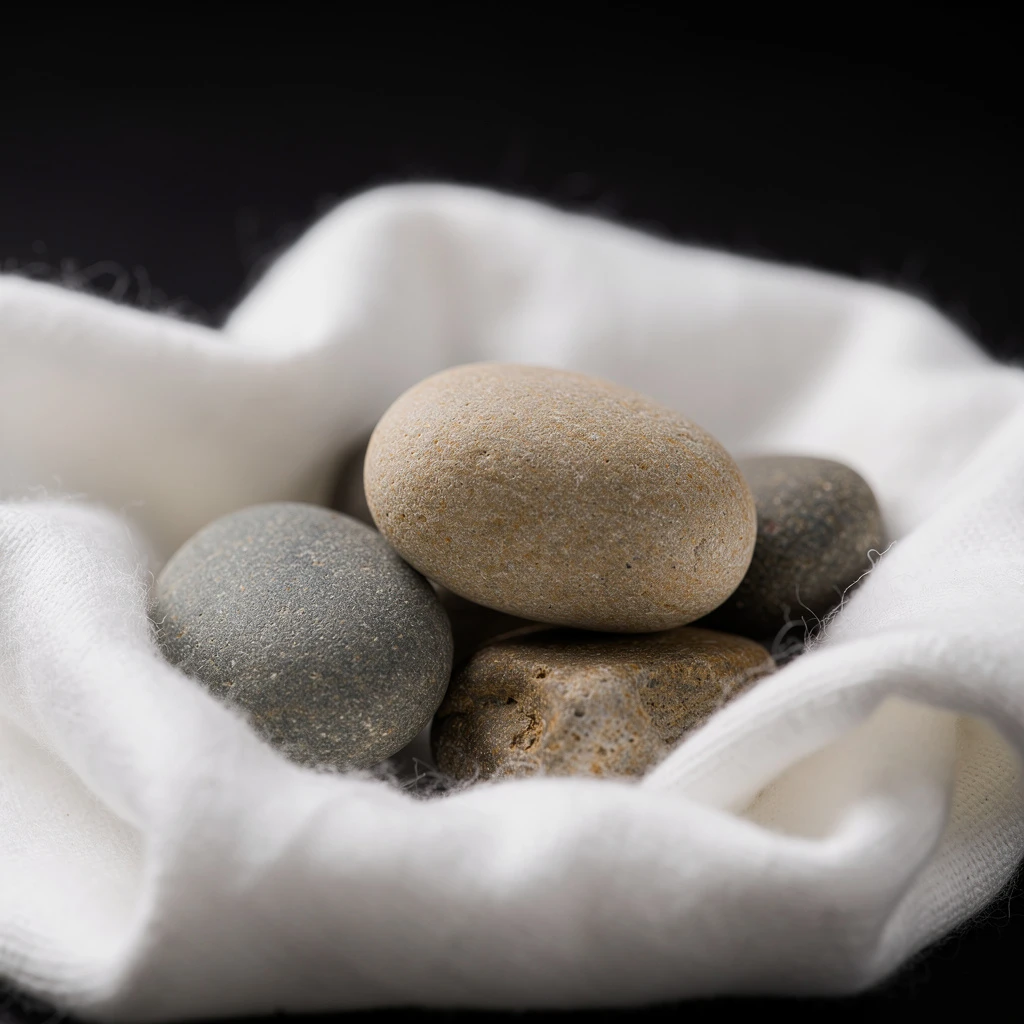
Crisp as morning dew. Green as just-pressed leaves.
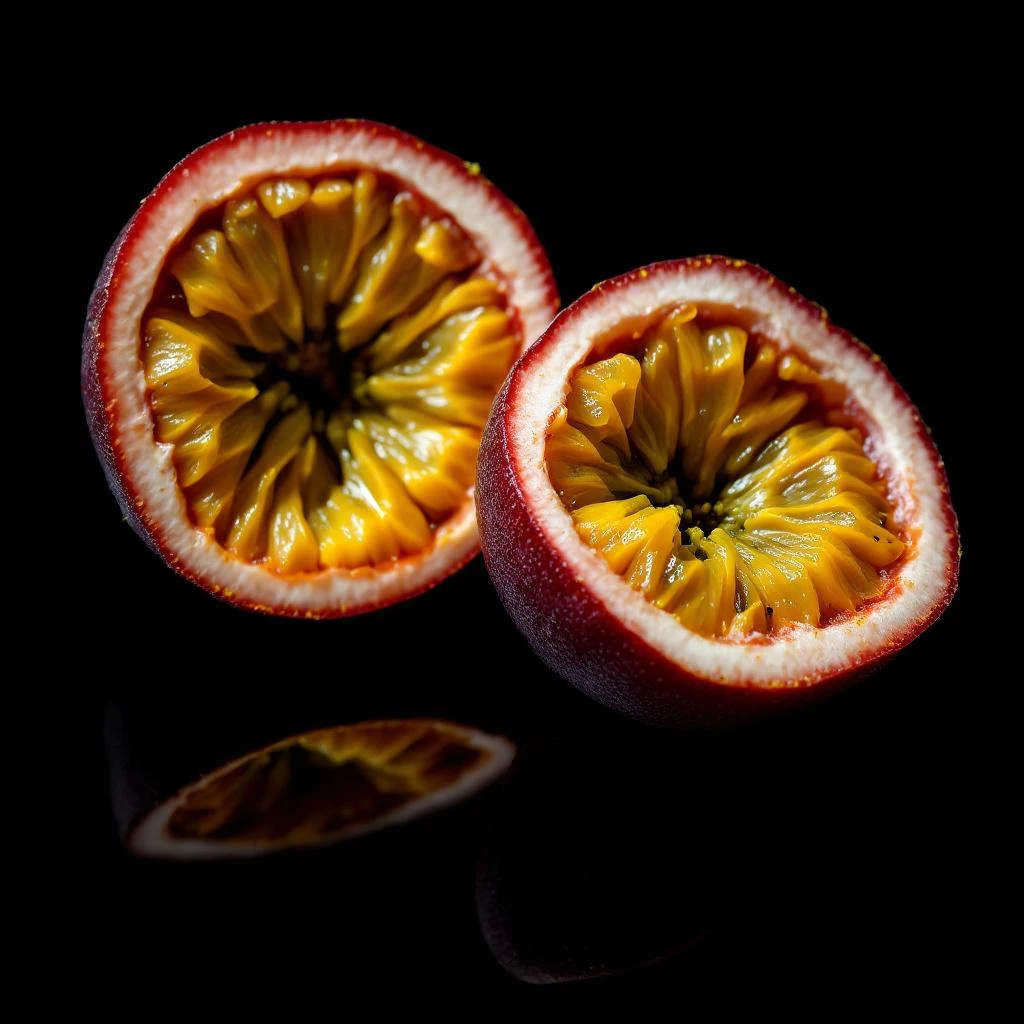
The same compound that gives Sauvignon Blanc wine its signature grassy note (4-mercapto-4-methylpentan-2-one) also occurs naturally in box hedge plants and passion fruit.


Origin
France
Sauvignon Blanc traces its viticultural origins to France's Loire Valley in the eighteenth century, where the grape variety likely emerged from a natural crossing of Chenin Blanc and Traminer. The name derives from the French 'sauvage' (wild), reflecting the grape's presumably feral origins. For most of its history, the variety served primarily as a blending component in Bordeaux and sweet Loire wines.
A turning point arrived in 1973 when David Hohnen planted the first commercial Sauvignon Blanc vineyard in Marlborough, New Zealand, proving the region could produce wines of remarkable intensity and distinctiveness. This success transformed global winemaking and elevated the variety to icon status. Fragrance creators adopted the Sauvignon Blanc accord as perfumery embraced wine-inspired themes in the 2000s, translating the grape's refreshing, aromatic qualities into olfactory form.
The note now appears across niche and mainstream fragrances seeking to evoke freshness, sophistication, and the sensory pleasure of cool-climate viticulture.
Wears it best
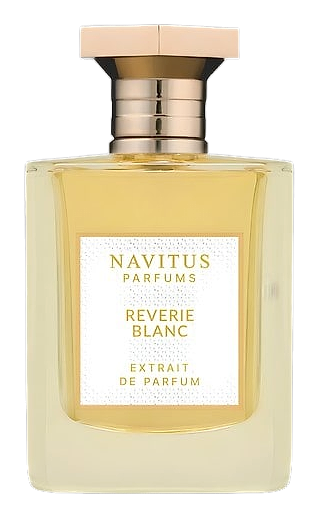
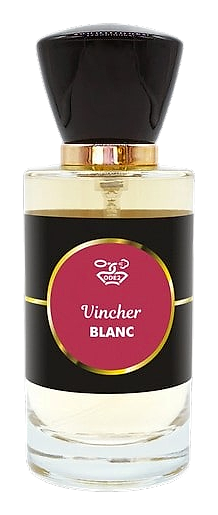
Fragrances featuring Sauvignon Blanc
Brands
Brands known for Sauvignon Blanc
Good to know
Questions, answered
The essentials on Sauvignon Blanc in perfumery: how it smells, where it comes from, and how it behaves on skin.
Is Sauvignon Blanc used as a natural ingredient in perfumery?
No, Sauvignon Blanc is entirely synthetic in perfumery. Perfumers combine aroma chemicals like cis-3-hexenol and citrus esters to recreate the wine's green, fruity, and mineral qualities.
What scent qualities does the Sauvignon Blanc accord bring to fragrances?
The accord delivers bright grapefruit, fresh grass, tropical fruit, and a distinctive mineral quality. It adds crispness and lift as a top note in fragrance compositions.
Where does actual Sauvignon Blanc wine originate?
The grape variety originated in France's Loire Valley, though New Zealand's Marlborough region now produces some of the most celebrated expressions of the variety.
How long does the Sauvignon Blanc note typically last in a fragrance?
As a top note, it offers bright opening impact that typically fades within 1-2 hours, characteristic of volatile green and citrus aroma compounds.
Which fragrance families commonly feature the Sauvignon Blanc accord?
The note appears most often in bright summer fragrances, modern florals, and fresh chypres seeking a green-fruited character and aromatic lift.
What natural compounds inspired the creation of this synthetic accord?
The accord draws inspiration from key aroma compounds found in the wine, including thiols (grapefruit), C6 alcohols (fresh grass), and rotundone (white pepper) for depth.
Can the Sauvignon Blanc note be found in both niche and mainstream fragrances?
Yes, while more common in niche and artisanal fragrances exploring wine-inspired themes, the accord has appeared in several designer fragrances seeking contemporary freshness.
What other fragrance notes pair well with Sauvignon Blanc?
White musks, citrus oils, green tea, light florals like lily of the valley, and crisp aquatic notes complement the accord's fresh, green character.