Sapote
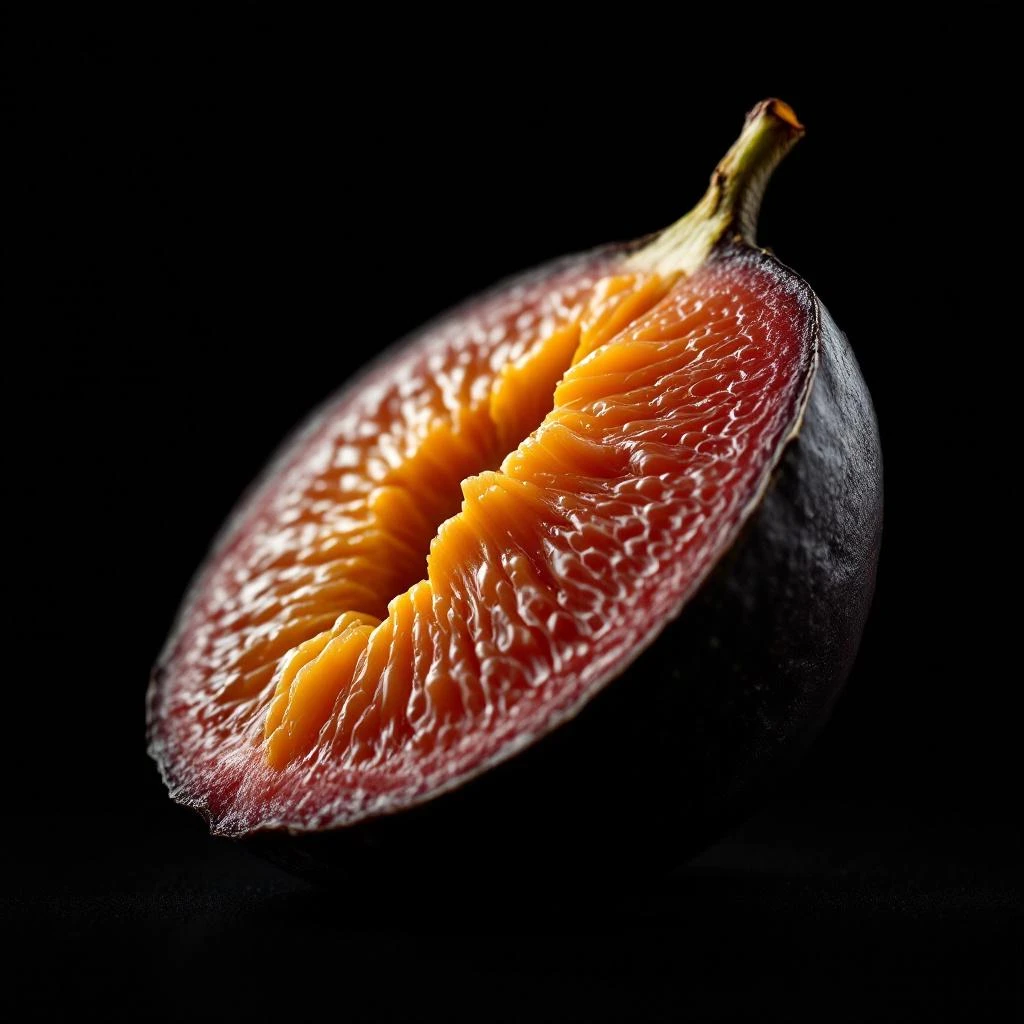
Sapote is a tropical fruit from the Sapotaceae family, yielding a rich, custard-like aroma with caramel and tropical fruit nuances prized in perfumery for its warm, edible sweetness.
Character
How it smells
The Aztec chocolate fruit bringing warm, custardy sweetness to perfumery.
The genus name Diospyros translates to divine fruit from Greek, while sapote derives from the Aztec tzapotl, a general term for soft, sweet fruits.




Origin
Mexico
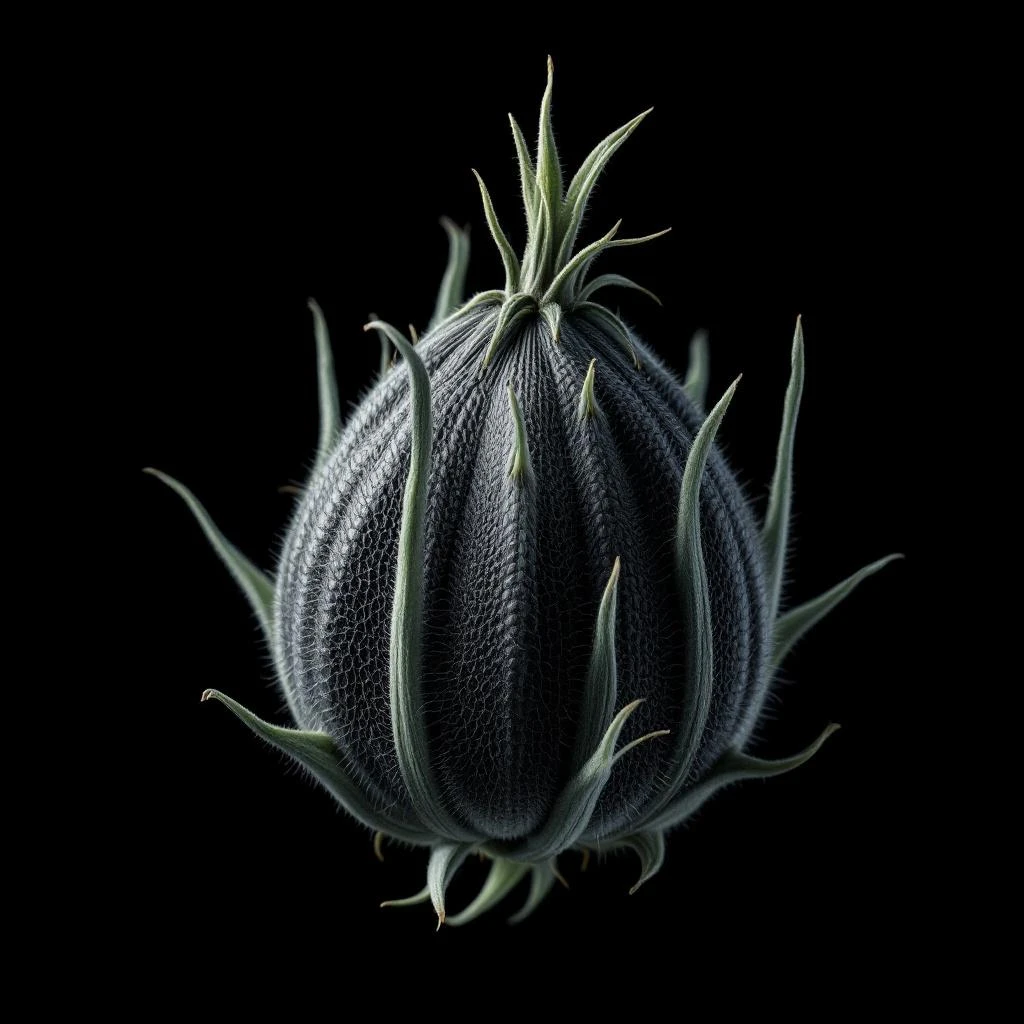
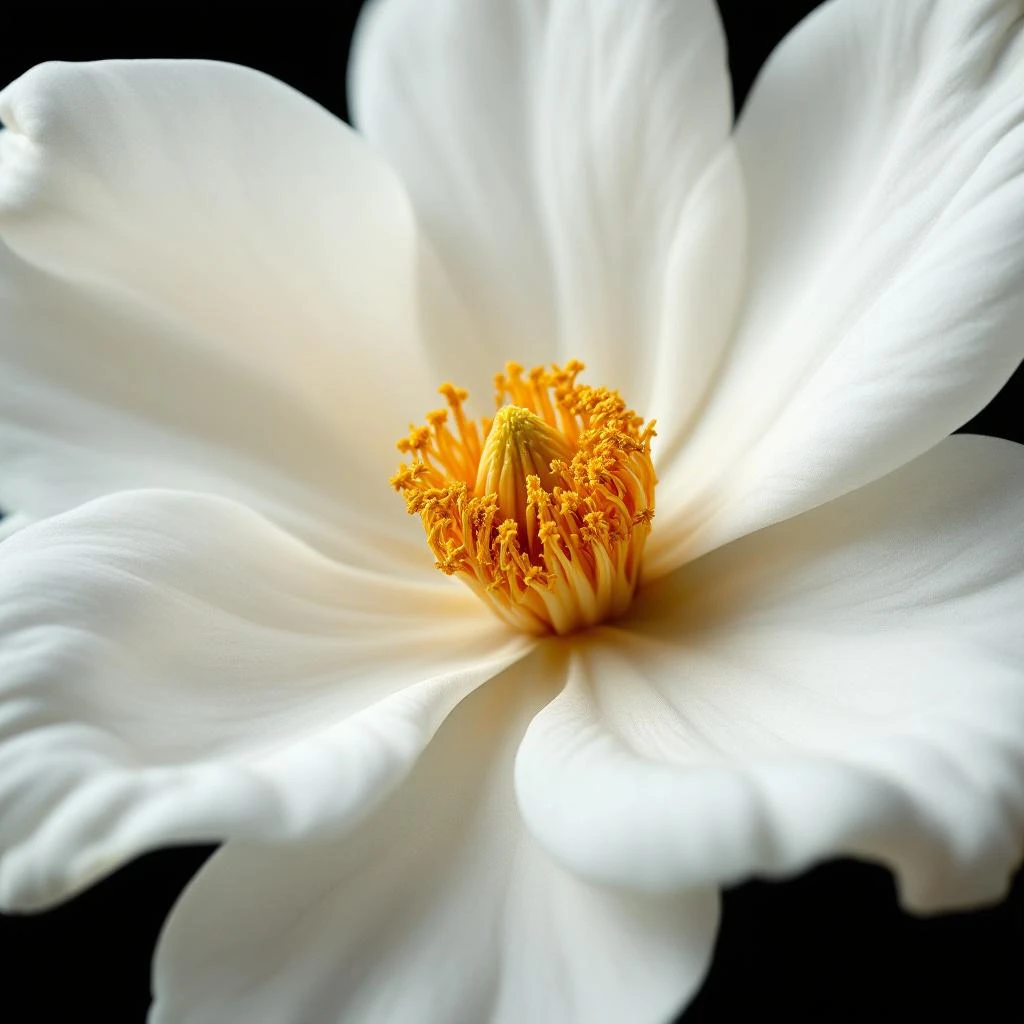
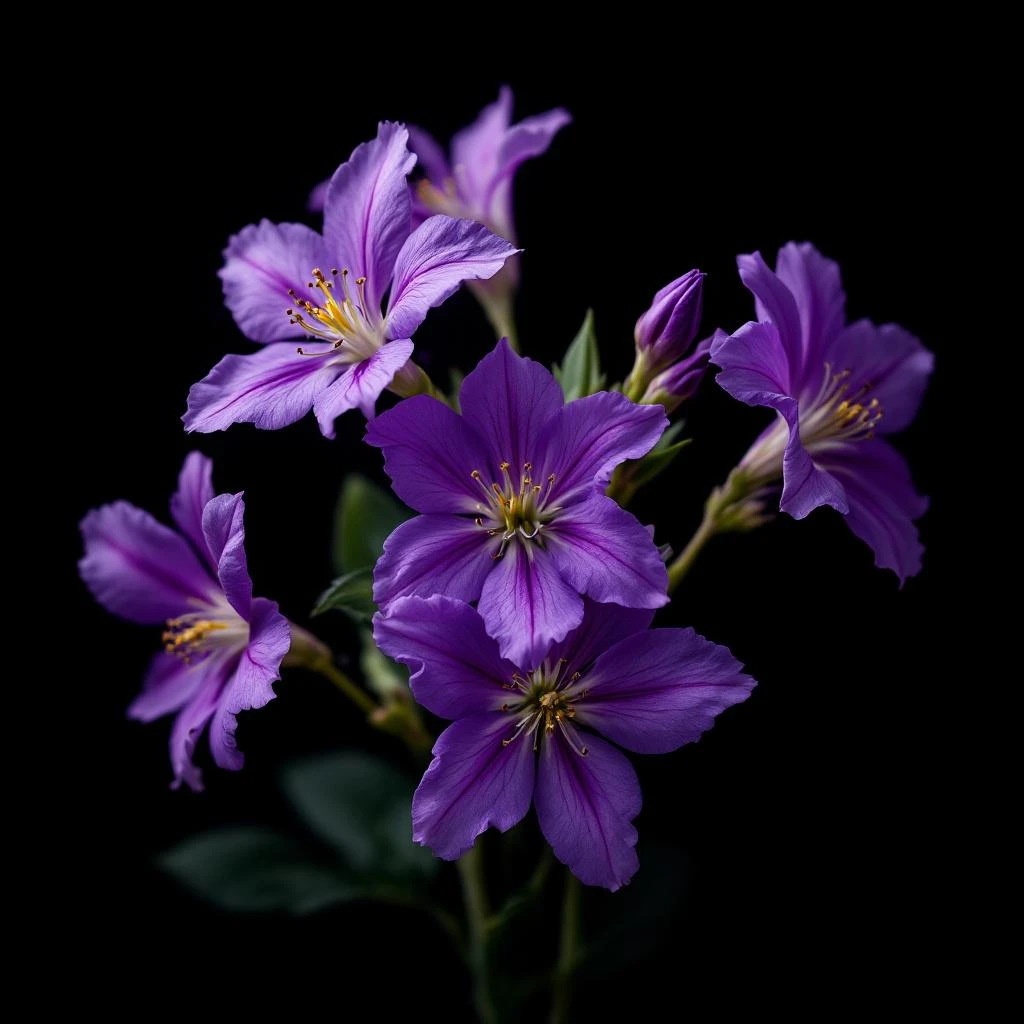
Sapote trees are native to Mesoamerica, growing naturally from Southern Mexico to Northern Nicaragua, with cultivation spreading throughout Central America and into tropical South America. The Aztec civilization used the term tzapotl to describe all soft, sweet fruits, a linguistic legacy preserved in the name sapote. Spanish colonizers documented the fruit in the 16th century, and it has since been introduced to Caribbean islands, Florida, and experimental cultivation in Australia and Europe.
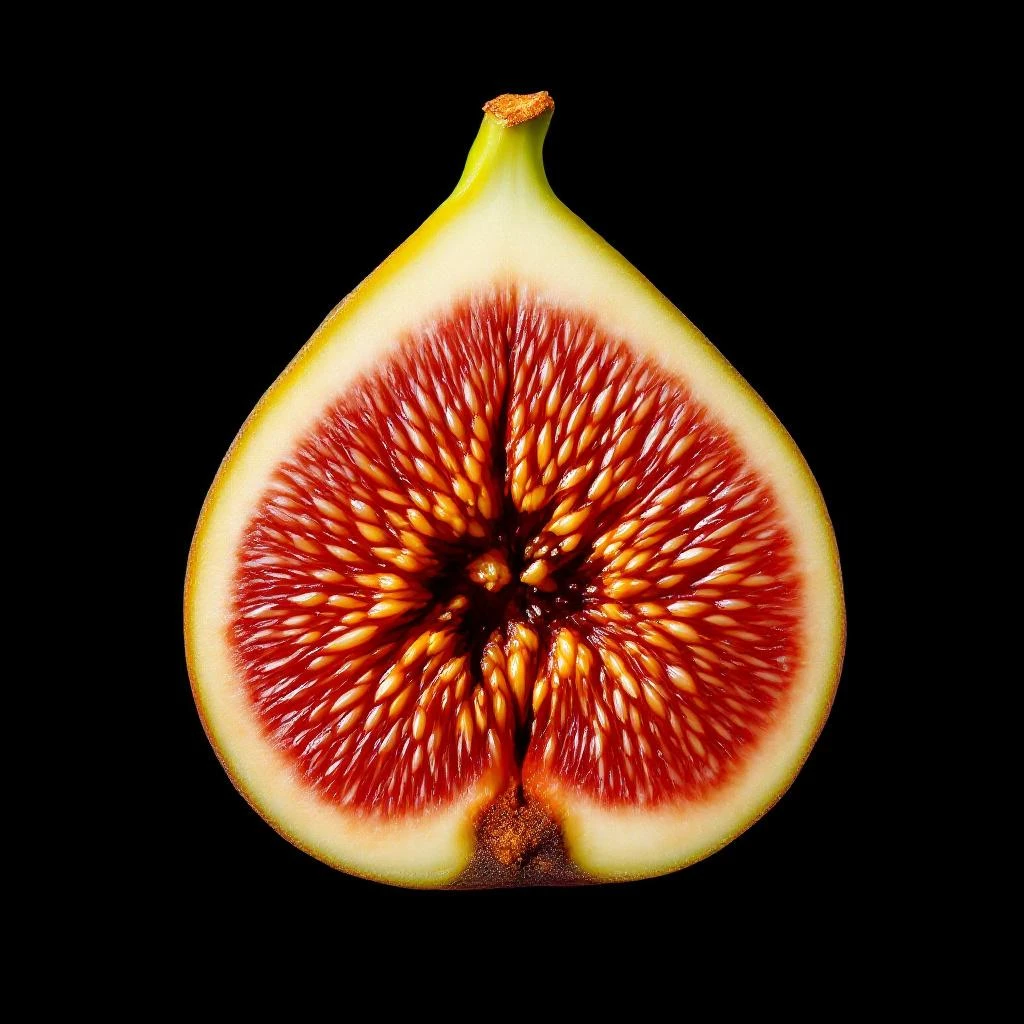
The genus name Diospyros originates from Greek, combining dios (divine) and pyron (fruit), reflecting the high regard ancient cultures held for these fruits. Black sapote, nicknamed chocolate persimmon for its pudding-like appearance when ripe, and Pouteria sapota with its vibrant orange-red carotenoid-rich pulp represent two distinct species prized across pre-Columbian cultures for both nutrition and ceremonial use.
Wears it best
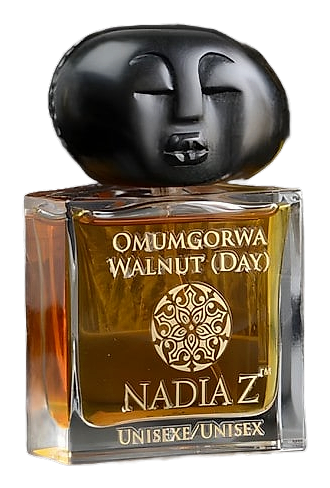
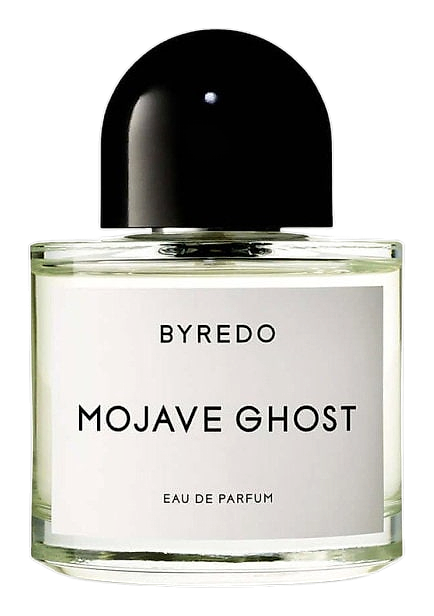
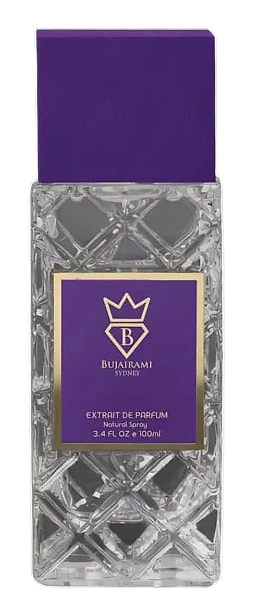
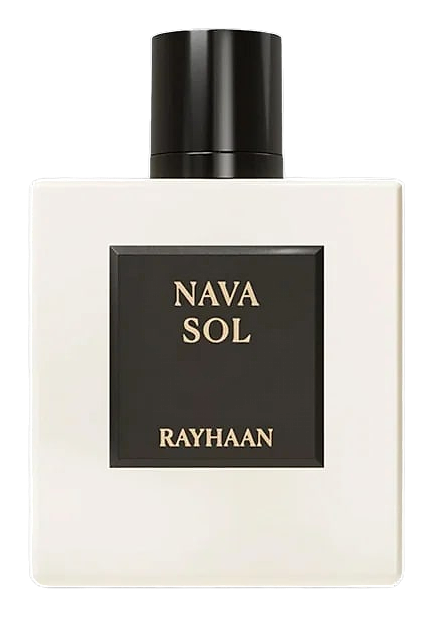
Fragrances featuring Sapote


Good to know
Questions, answered
The essentials on Sapote in perfumery: how it smells, where it comes from, and how it behaves on skin.
What does sapote smell like in perfume?
Sapote has a warm, custard-like aroma with caramel undertones and tropical fruit sweetness. Key compounds like furaneol and β-damascenone create a rich, edible character reminiscent of ripe tropical fruits and caramelized sugar.
Where does sapote originate from?
Sapote is native to Mesoamerica, growing wild from Southern Mexico through Central America. Mexico remains the primary origin, with cultivation also in Guatemala, El Salvador, and northern South America.
Is sapote related to chocolate?
Black sapote is nicknamed chocolate persimmon because its dark green flesh turns chocolate-brown and pudding-like when ripe, but it has no botanical relation to cacao.
What chemicals give sapote its characteristic aroma?
Researchers identified β-damascenone, furaneol, linalool, (Z)-3-hexenal, and benzaldehyde as key aroma compounds in Pouteria sapota fruit through gas chromatography-olfactometry analysis.
How is sapote used in perfumery?
Sapote extracts appear as heart or base notes in fragrances, adding warmth and tropical fruit sweetness. It pairs well with coconut, vanilla, caramel, and other tropical or gourmand ingredients.
What perfumes feature sapote as a note?
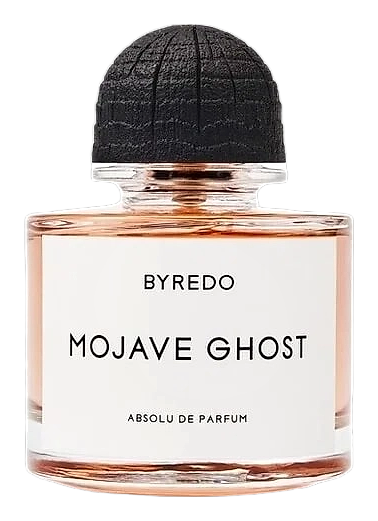
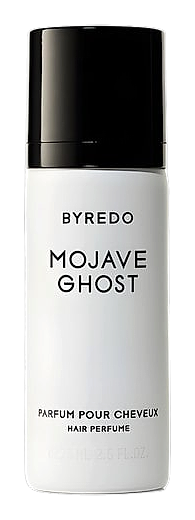
Byredo's Mojave Ghost uses sapote alongside ambrette and musk for a woody-fruity effect. Eauso Vert's Fruto Oscuro centers the black sapote note in its composition.
Is sapote extract natural or synthetic?
Sapote fragrance materials are typically derived from the fruit through solvent extraction. Research shows natural extracts contain 32 volatile constituents with terpene compounds dominating the profile at 49.1%.
What nutrients is sapote known for?
Pouteria sapota pulp is notably rich in carotenoids, giving it an intense orange-red color, and contains vitamins and nutrients. The fruit has gained popularity in Australia, Europe, and the United States for these properties.