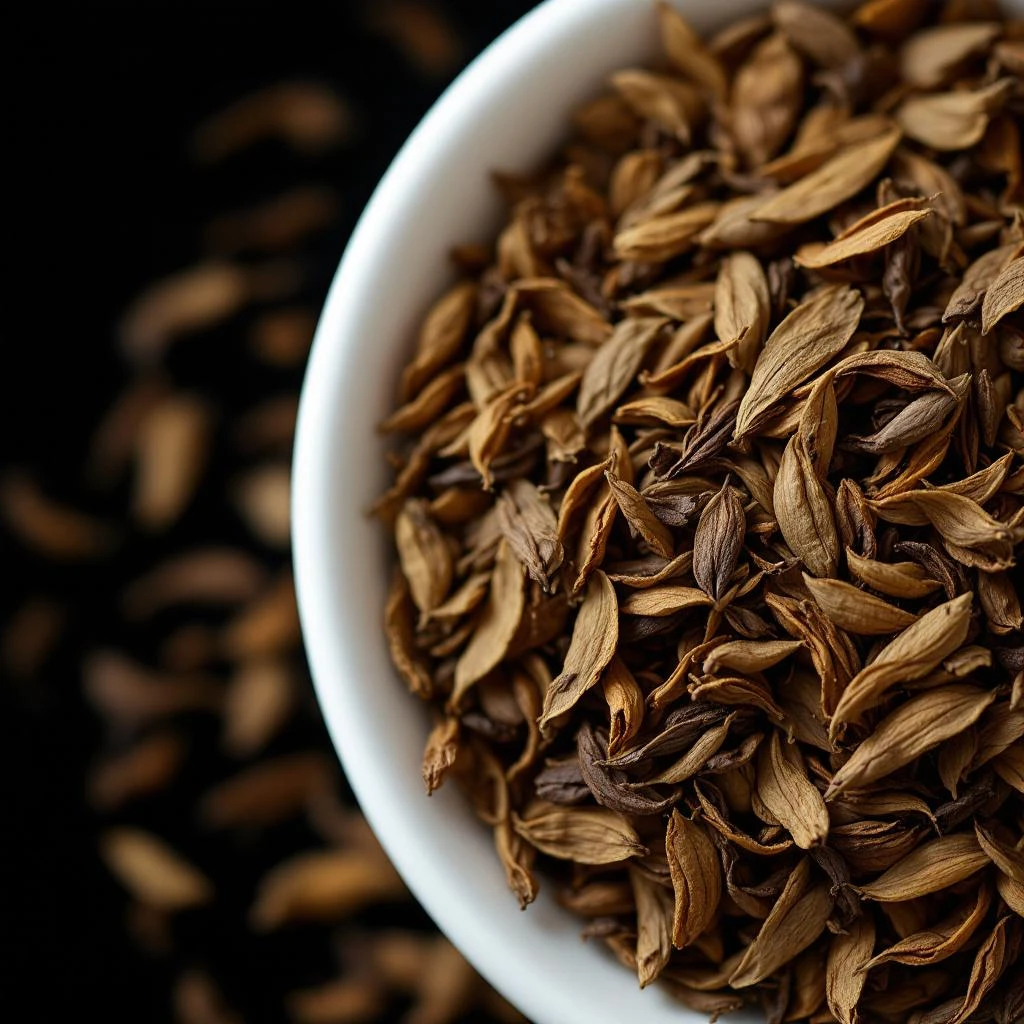
Sapodilla
A tropical fruit rarely found in perfumery, sapodilla brings warm, malty sweetness with brown sugar depth, peardy freshness, and a whisper of spice.
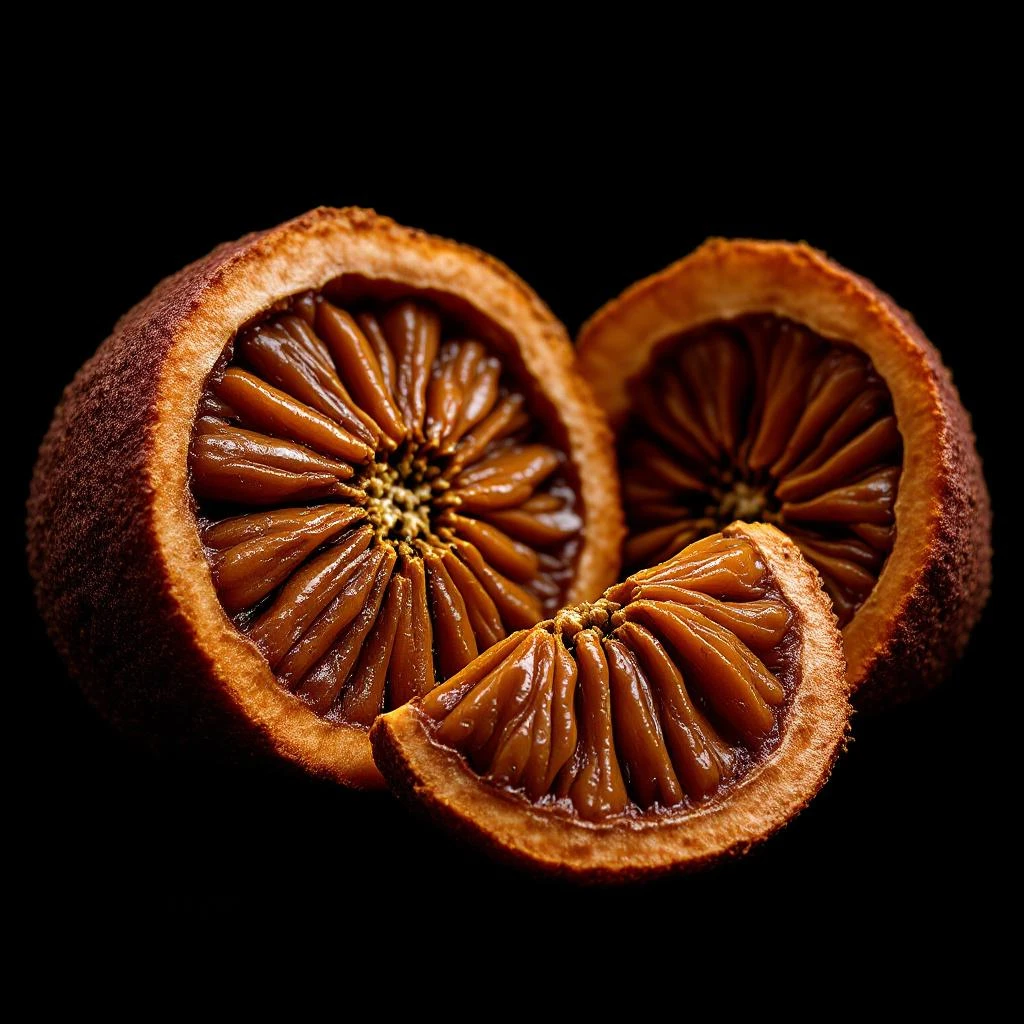
Character
How it smells
Warm malty sweetness with brown sugar depth
The Maya used sapodilla tree sap as natural chewing gum thousands of years before modern gum reached store shelves.




Origin
Mexico
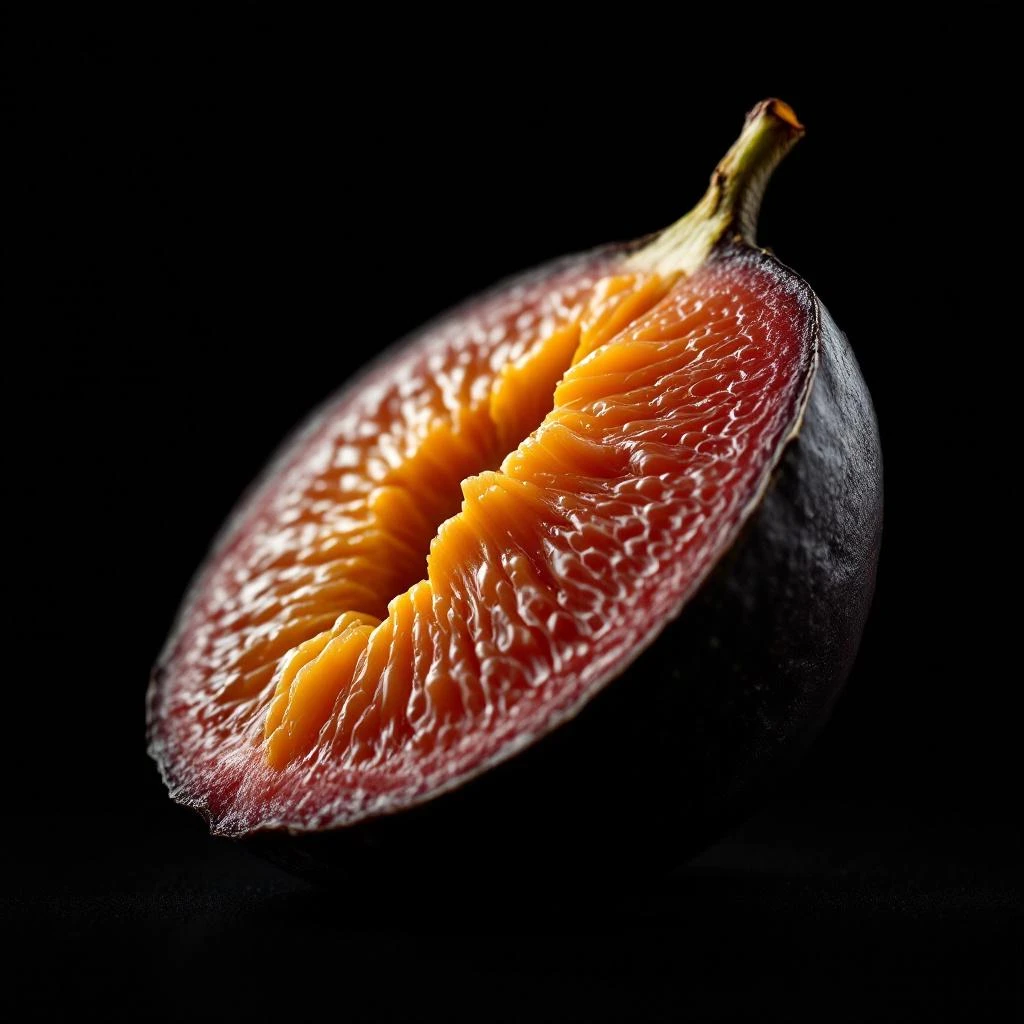
Sapodilla ranks among the oldest cultivated fruits in the Americas, with evidence of domestication dating back over 3,500 years among Maya communities in Central America. The species name Manilkara zapota retains the Nahuatl root 'zapotl,' a term encompassing various sweet tropical fruits. Ancient Mesoamerican cultures valued the fruit as both food and medicine while exploiting the tree's remarkable latex production.
Spanish colonizers encountered sapodilla and dispersed seeds throughout their empire, with Portuguese traders later introducing the plant to Southeast Asian territories where it now thrives commercially. The species gained global significance in the 19th century when American companies harvested chicle—the tree's latex—as the primary ingredient for commercial chewing gum. This latex-to-gum connection gave sapodilla unexpected cultural prominence long before its aromatic potential attracted fragrance attention.
In perfumery, sapodilla remains a rarity, valued by perfumers seeking warm, tropical fruit accents that evoke comfort and gourmand richness without overt sweetness.
Wears it best
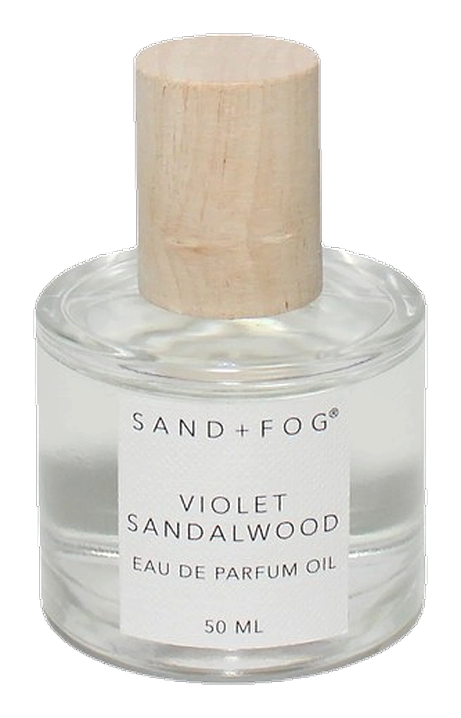
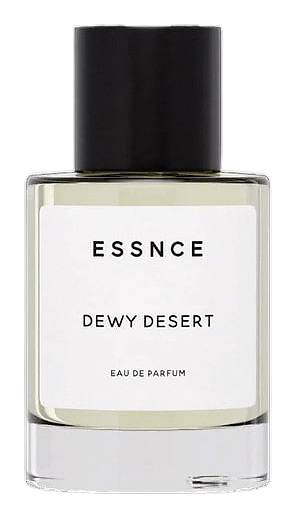
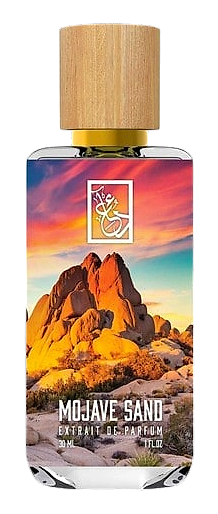
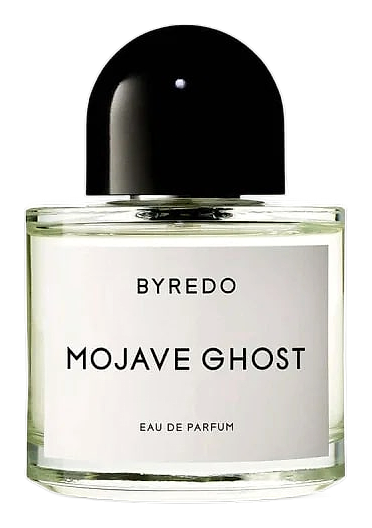
Fragrances featuring Sapodilla

Brands
Brands known for Sapodilla
Good to know
Questions, answered
The essentials on Sapodilla in perfumery: how it smells, where it comes from, and how it behaves on skin.
What does sapodilla smell like in perfumery?
Sapodilla delivers warm, malty sweetness with brown sugar depth, pear-like freshness, and subtle spice. It sits between ripe pear and caramel in character, creating inviting warmth in fragrance compositions.
Is sapodilla a natural or synthetic ingredient?
Both forms exist, though synthetic recreations dominate commercial perfumery. Natural CO2 extracts capture the fruit's complexity but remain scarce due to sourcing challenges and delicate aromatic compounds.
What type of fruit is sapodilla?
Sapodilla is a tropical fruit native to Central America, also known as chikoo or naseberry. The tree produces brown, grainy-skinned fruit with sweet, grainy flesh and milky latex historically used for chewing gum.
Can sapodilla be found in commercial fragrances?
Sapodilla appears infrequently in commercial fragrances, primarily in oriental or gourmand compositions. It typically serves as a supporting heart note rather than a featured ingredient due to extraction challenges.
What role does sapodilla play in fragrance composition?
Sapodilla adds body and warmth to fragrance hearts, bringing cozy tropical sweetness to gourmand, oriental, and exotic fragrance families. Its malty depth makes it useful for creating comforting, edible character.
How does sapodilla differ from other tropical fruit notes?
Unlike citrus-forward tropical fruits, sapodilla offers malty, caramel-like warmth with brown sugar depth. This darker fruitiness distinguishes it from mango or passion fruit in perfumery applications.
Where does sapodilla originate?
Sapodilla originates from Central America, where Maya civilizations cultivated it for over 3,500 years. Today major growing regions include Mexico, Guatemala, the Philippines, and Thailand.
How does sapodilla perform on skin?
Sapodilla tends toward intimate projection, remaining close to the skin. Its warm sweetness works best as a skin-hugging trail rather than a room-filling sillage in fragrance applications.