Safflower
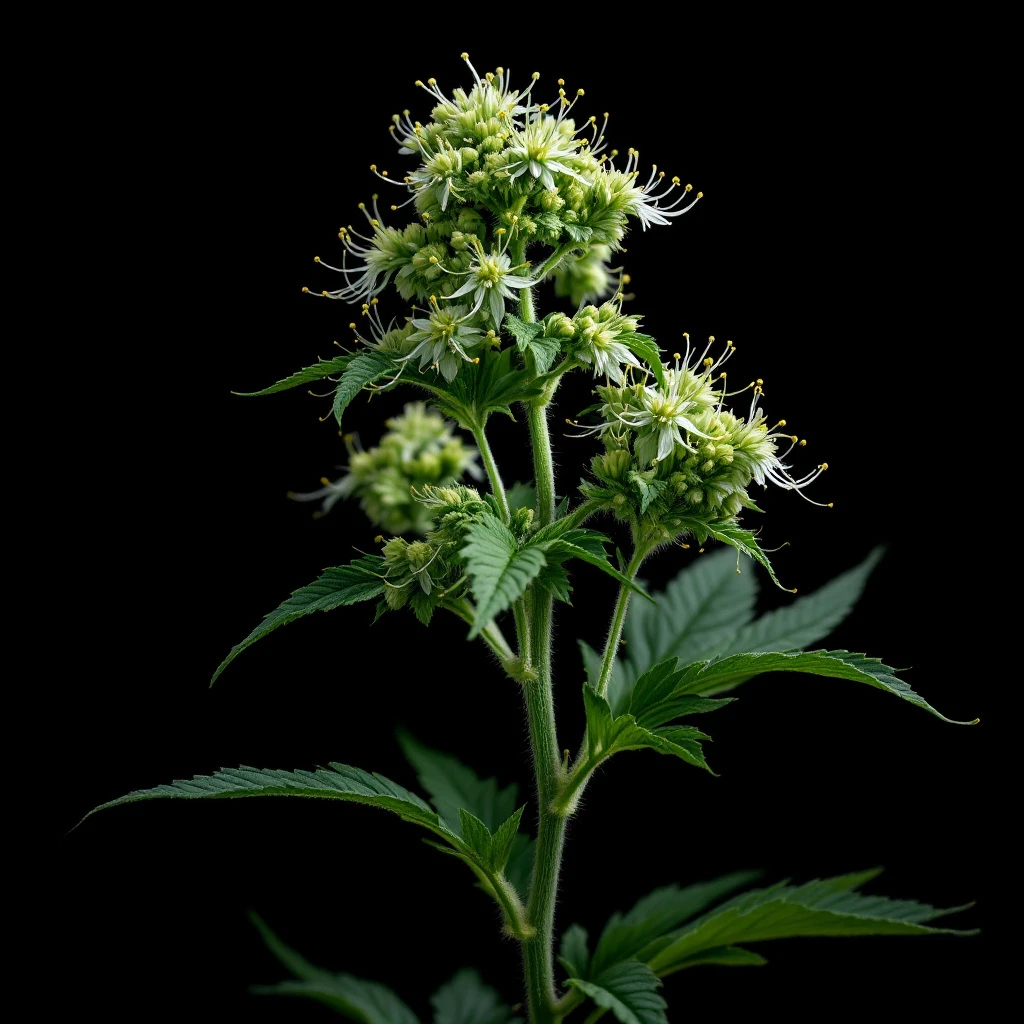
Safflower brings its crimson florets from ancient dye traditions into modern perfumery, offering subtle herbal warmth and a faint honey sweetness that works beautifully as a natural botanical accent.
Character
How it smells
From ancient crimson dyes to subtle botanical warmth.
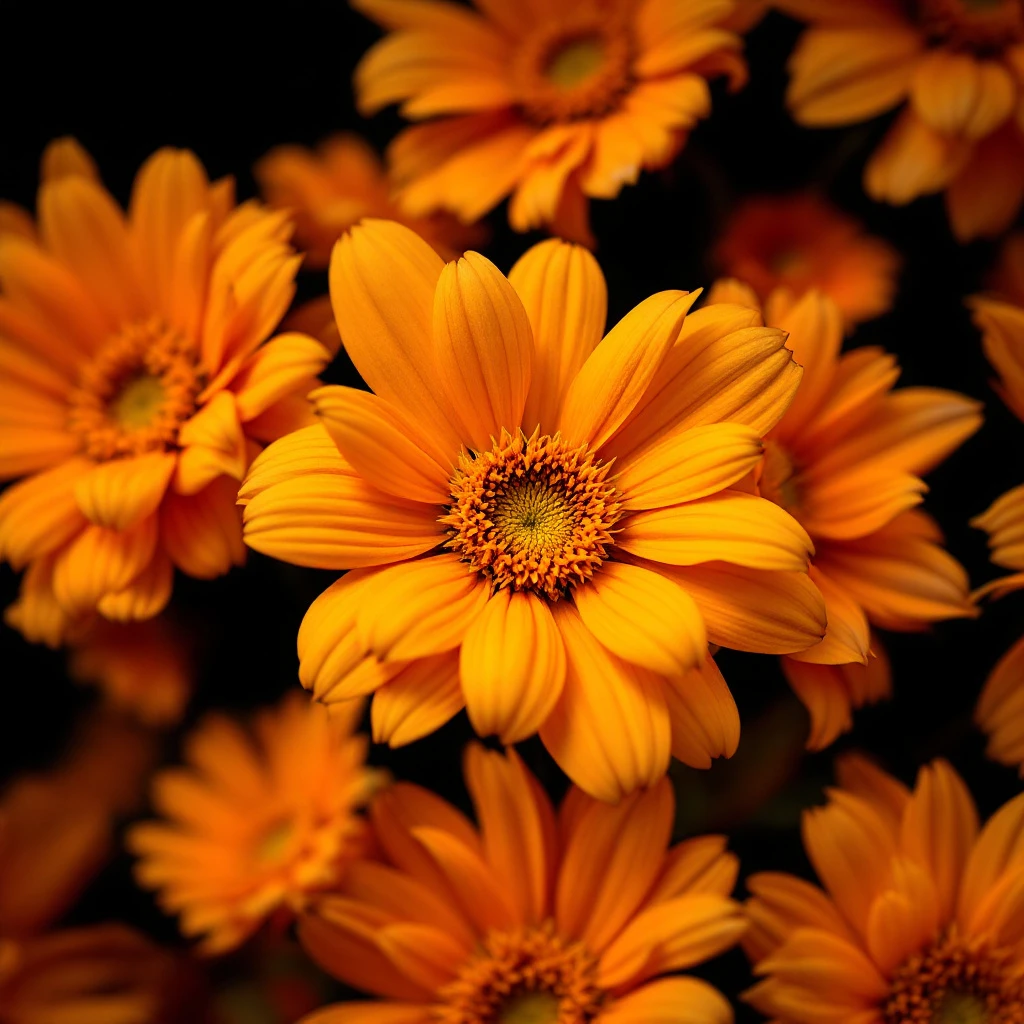
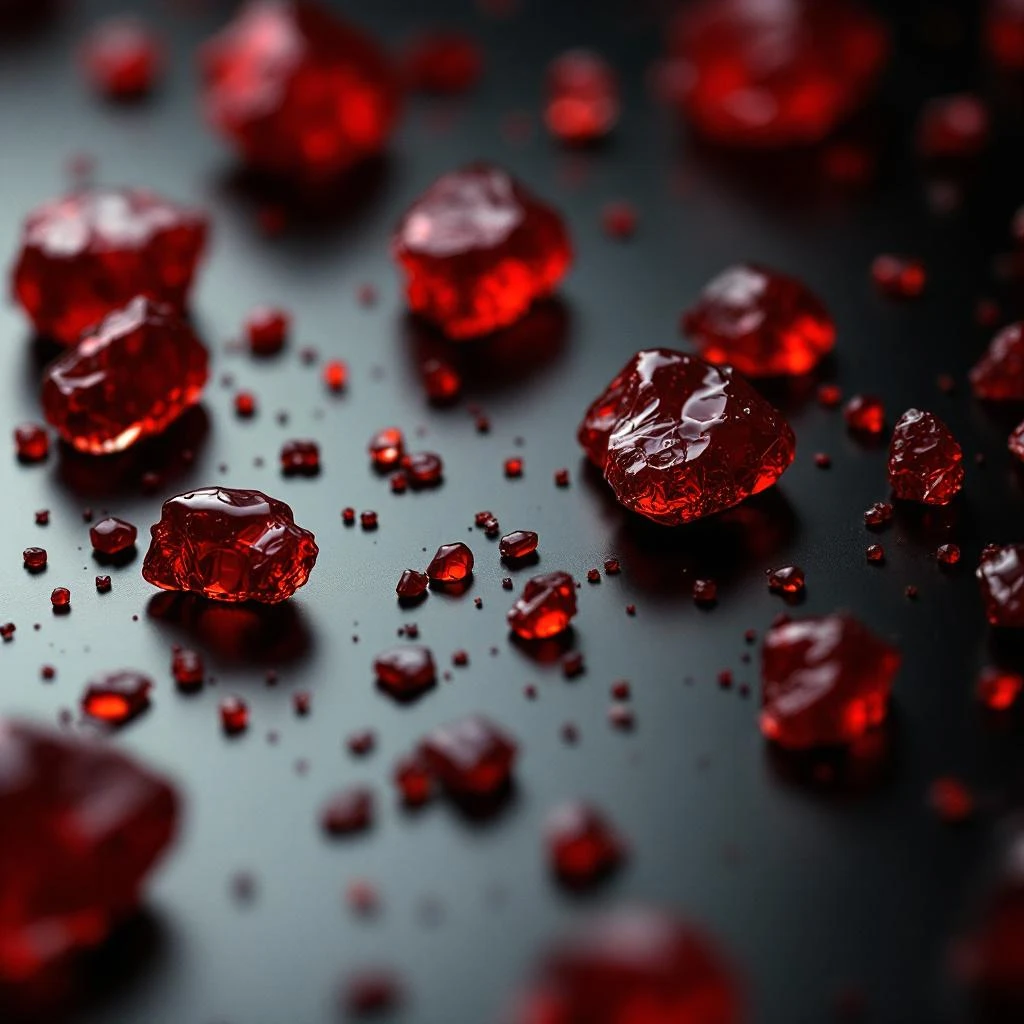
Safflower petals yield two distinct dyes: the prized red carthamin and the golden-yellow safflomin, both historically prized across Persia and Egypt.

Origin
Iran
Safflower ranks among the oldest cultivated plants in human history, originating in the Fertile Crescent region before spreading to Egypt, Persia, and eventually India and China. Ancient Egyptians used its crimson dye to color burial shrouds and temple linens, while Persian textile artisans prized it for its vivid, lightfast reds. The plant appears in Egyptian tomb paintings dating to 1500 BCE, and Persian texts from the medieval period document its use in both dyestuffs and traditional medicine.
Though primarily valued as a dye crop for millennia, perfumers began exploring its aromatic potential in the late 20th century as interest in natural botanical materials grew. Today, Iran remains a significant producer, alongside India, Mexico, and the United States.
Wears it best
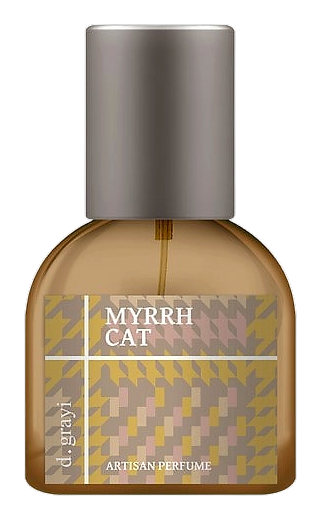
Fragrances featuring Safflower
Brands
Brands known for Safflower
Good to know
Questions, answered
The essentials on Safflower in perfumery: how it smells, where it comes from, and how it behaves on skin.
What does safflower smell like in perfume?
Safflower extract offers a subtle herbal character with faint honeyed undertones. It functions more as a botanical accent than a dominant note, lending naturalness to green and floral compositions.
Is safflower commonly used in perfumery?
Safflower appears less frequently than traditional fragrance materials. Its primary commercial value remains the culinary oil and textile dyes, while the aromatic extract serves niche natural fragrance formulations.
What extraction method produces safflower fragrance extract?
Supercritical carbon dioxide extraction yields the most aromatic-dense safflower extract. This method preserves heat-sensitive compounds better than conventional solvent extraction.
What parts of the safflower plant are used in perfumery?
Only the dried florets undergo extraction for fragrance use. The seeds produce safflower oil, which serves culinary and industrial applications rather than perfumery.
Does synthetic safflower exist?
No synthetic equivalent specifically replicating safflower exists. Chemists have not isolated its characteristic aromatic compounds for laboratory reproduction.
What are good scent alternatives to safflower?
Safflower shares subtle herbal and honeyed qualities with chamomile, marigold absolute, and clary sage. These materials offer comparable botanical warmth in fragrance compositions.
What is safflower's historical significance?
Persian and Egyptian civilizations cultivated safflower primarily for its red and yellow dyes, used in textiles and ceremonial contexts for over 3,500 years before perfumery applications emerged.
Where does commercial safflower for perfumery originate?
Iran leads global production, followed by India, Mexico, and the United States. The plant thrives in arid climates with well-drained soils and abundant sunlight.