Catnip
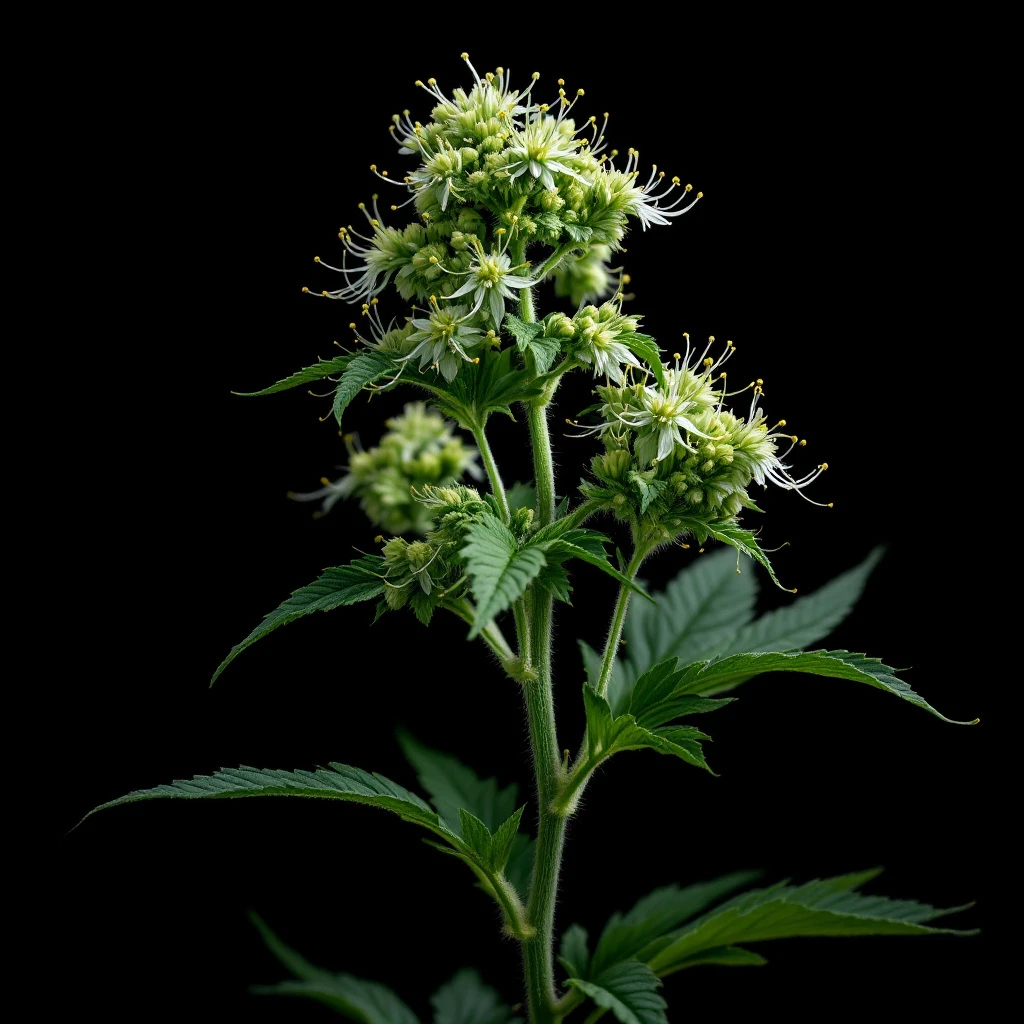
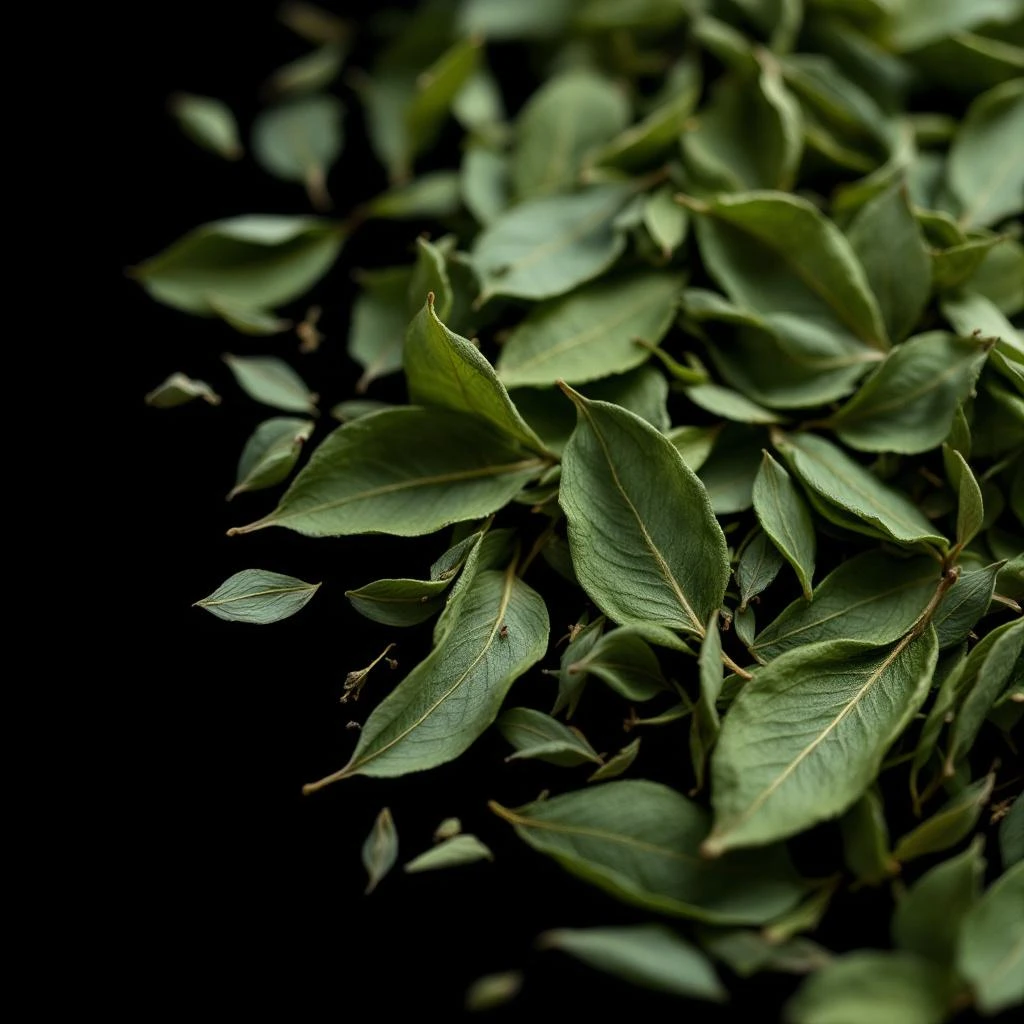
Catnip (Nepeta cataria) yields nepetalactone, an iridoid sesquiterpene lactone with a bold, herbaceous character. While famous for its feline fascination, this aromatic mint relative brings unexpected depth to fragrance: a camphoraceous, minty-green complexity that bridges wild garden and wild animal. Its volatile oils create a sensory signature that is simultaneously medicinal, earthy, and strikingly distinctive.
Character
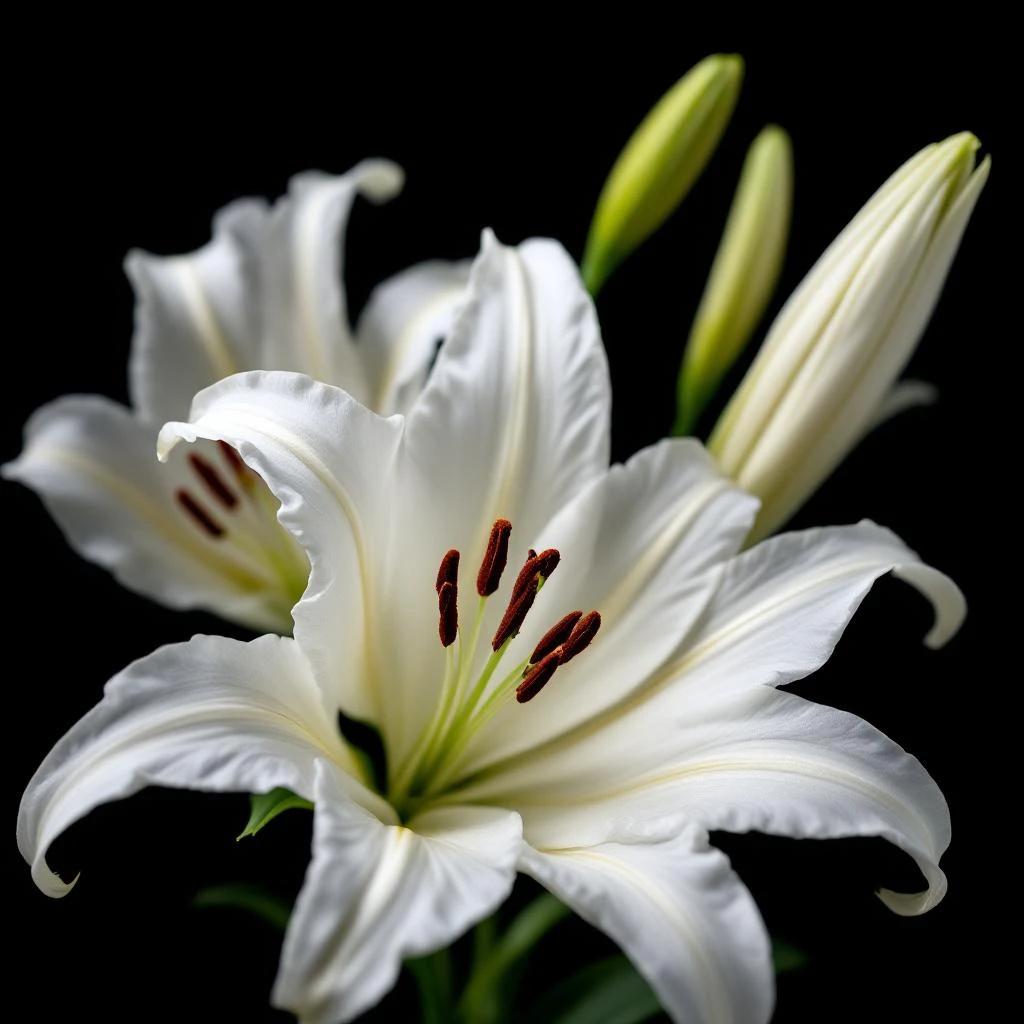
How it smells
Herbaceous, camphoraceous, and unexpectedly wild.
The nepetalactone molecule is so potent for cats that a single leaf can trigger reactions from ten feet away. Humans, however, experience it as a mildly aromatic mint.


Origin
United States
Catnip's association with cats stretches back to ancient Egypt, where cats held divine status and the herb was likely discovered through observation of feline behavior around the plant. In traditional medicine, it served human purposes too: remedies for stomach cramps, indigestion, fevers, and nervous conditions across European and Middle Eastern folk practices. The plant earned its botanical name cataria from the Latin for cat, a nod to its irresistible appeal.
Samuel McElvain first isolated nepetalactone from catnip essential oil in 1941 at the University of Wisconsin, giving science its first precise look at the compound responsible for the reaction. Modern research has since traced catnip's iridoid chemistry to an evolutionary loss in its ancient ancestors of a key gene once shared with related species, making its particular chemistry a genetic accident that cats apparently find irresistible.
Wears it best
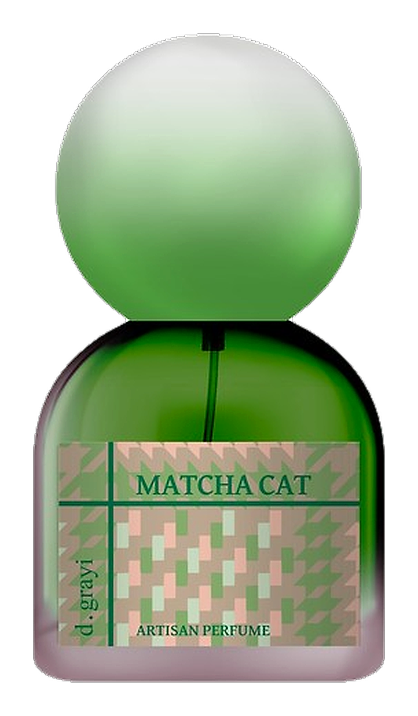
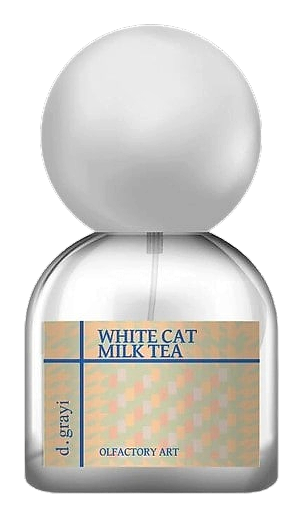
Fragrances featuring Catnip
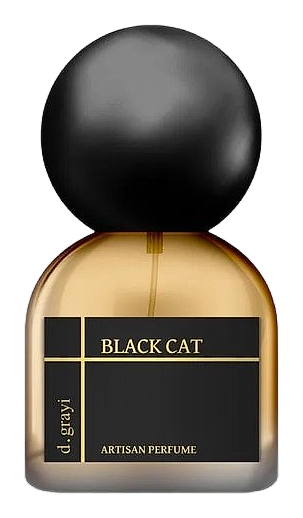
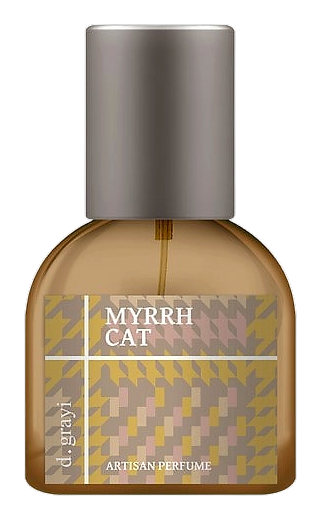
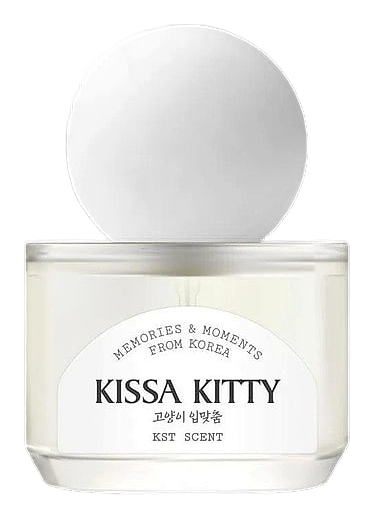
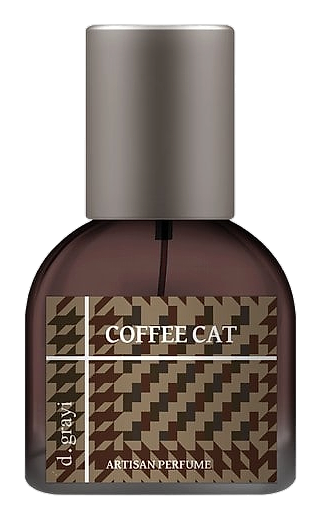
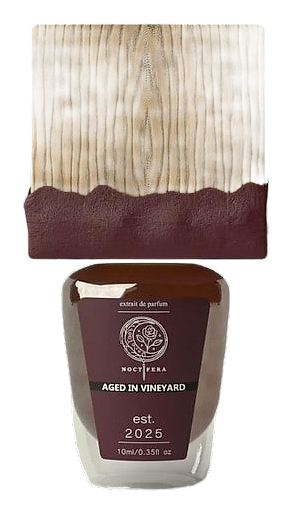
Good to know
Questions, answered
The essentials on Catnip in perfumery: how it smells, where it comes from, and how it behaves on skin.
Can catnip actually be used in human perfume?
Yes. Catnip essential oil brings a camphoraceous, minty-herbaceous note to fragrance, though it is used sparingly due to potency and regulatory considerations in fine fragrance contexts.
What does catnip smell like to humans?
To humans, catnip smells like a cross between mint and pennyroyal with camphor undertones. It is more medicinal and herbaceous than fresh spearmint, with an earthy, slightly wild character.
Why does catnip affect cats but not humans the same way?
Cats have specialized olfactory receptors that bind nepetalactone, triggering a response analogous to a feline pheromone. Humans lack these receptors, so the compound registers as a pleasant but unremarkable herb.
What is nepetalactone?
Nepetalactone is an iridoid sesquiterpene lactone and the primary active compound in catnip oil. It was first isolated in 1941 by Samuel McElvain at the University of Wisconsin.
Is catnip oil safe for skin?
Catnip oil is considered a moderate skin sensitizer and is restricted in many regulatory frameworks for leave-on cosmetic applications. Perfumers use it at very low concentrations in well-formulated bases.
What fragrance families pair well with catnip?
Catnip works in herbal, green, fougère, and aromatic fragrance families. It pairs with lavender, clary sage, oakmoss, and citrus oils to create natural, garden-forward compositions.
How is catnip oil different from other mint-family oils?
Unlike peppermint or spearmint, catnip oil is dominated by nepetalactone rather than menthol or menthone. This gives it a more camphoraceous, less sweet mint character with medicinal depth.
Where is catnip essential oil produced commercially?
Most dedicated commercial production of catnip oil is centered in the Western United States and Canada, where cultivation supports both essential oil extraction and seed production for the pet industry.