The Story
Why it exists.
The beginning
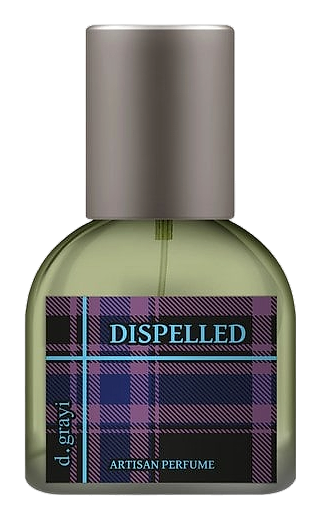
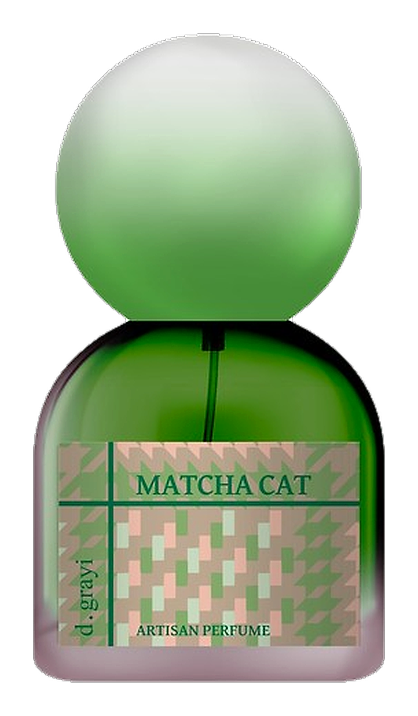
Matcha Cat arrived in 2024 from d.grayi, the Vietnamese-American indie house built by James Nguyen on memory and mischief. The name says everything it needs to. Catnip, matcha, bergamot, materials that sound like a quiet afternoon until the animalic base notes walk in uninvited. Nguyen has always treated his fragrances as diary entries, snapshots of a feeling or material he wanted to preserve. Matcha Cat is that instinct at its most playful: green tea as a starting point, not a destination. The question the fragrance asks is simple. What happens when matcha meets something wilder? The answer lives in the drydown, where civettone takes over, warm, close, and impossible to ignore. This is not a safe fragrance. It was never meant to be.
The combination of catnip and matcha is unusual enough to start a conversation, but the real character of Matcha Cat lives in its base. Civettone is a synthetic civet analog, the kind of material d.grayi reaches for without apology. Here it doesn't shout. It lingers. Soft. Warm. Animalic in the way that fur against skin is animalic: intimate, not aggressive. Lily of the Valley brings a clean, powdery quality to the heart that tempers the green tea's natural bitterness. Hinoki Cypress adds Japanese forest stillness. Sandalwood brings warmth. The composition doesn't build toward a climax, it settles into itself, becoming something calmer and stranger the longer it wears.
The evolution
The opening arrives bright and citrusy. Bergamot leads, and catnip follows with a quirky, slightly wild edge that signals this is not a polite green tea. For the first twenty to thirty minutes, the fragrance reads fresh and aromatic, clean, green, a little bit unpredictable. The green tea note asserts itself quickly, grounding the brightness before it can turn sharp. As the heart develops, the green tea deepens. Lily of the Valley threads through with a soft, almost powdery white floral quality that adds calm to the composition's initial playfulness. This is where Matcha Cat shifts from greeting to interiority, the moment where the fragrance stops announcing itself and starts being with you. The drydown belongs to civettone. Warm, animalic, close. Hinoki Cypress adds a clean wood note that recalls Japanese forest bath culture without feeling clinical. Sandalwood contributes cream. Together these materials produce a finish that is simultaneously zen and feral, the softest part of the fragrance, and the most distinctive.
Cultural impact
Matcha Cat arrives at a moment when consumers are seeking fragrances that break from traditional Western perfumery structures. The blend of matcha, an ingredient deeply embedded in Japanese ceremonial traditions, with catnip, a plant long associated with feline behavior and herbal folk practices, creates an unexpected bridge between cultural contexts. This combination reflects a broader shift toward fragrances that prioritize sensory novelty over brand legacy, appealing to wearers who want their scent to tell a specific story rather than conform to mainstream preferences.