Sable Fur
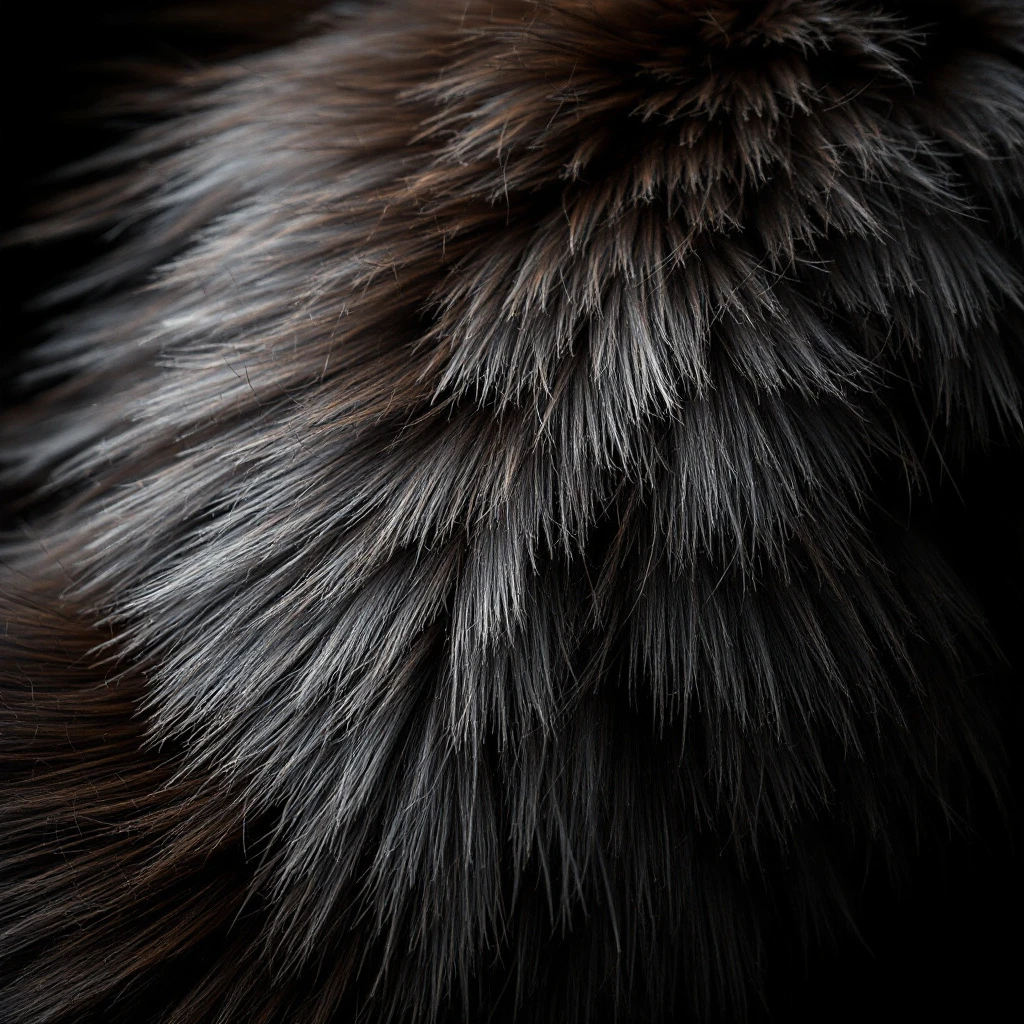
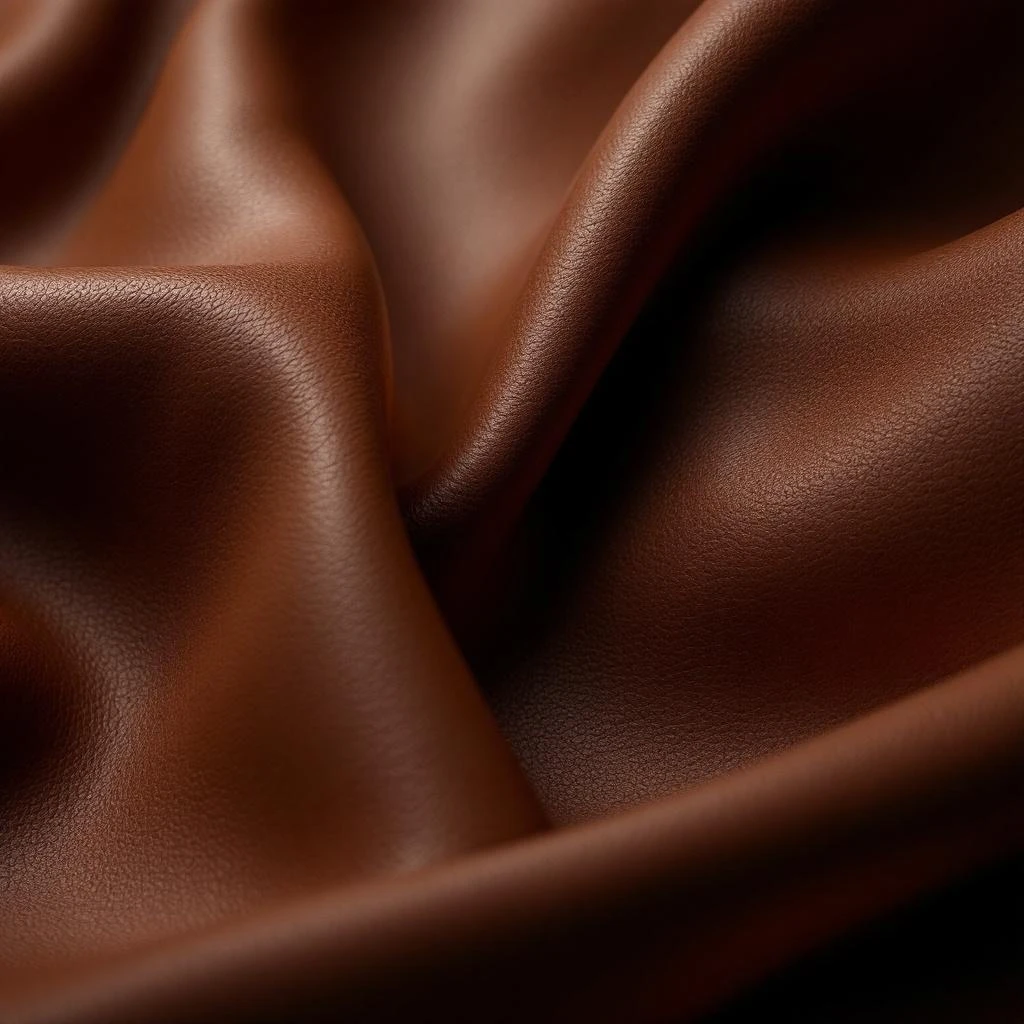
Sable fur is a rare animalic note lending warm, musky depth and a soft, pelt-like softness to fragrances. It evokes the intimate warmth of fur against skin, grounding compositions with an earthy, sensual undertone.
Character
How it smells
Warm pelt, quiet musk
Sable fur was historically prized by Russian aristocracy, and perfumers once sought its scent as a luxurious symbol of warmth and exclusivity in fine fragrance.





Origin
Russia
Animal-derived ingredients have shaped perfumery since antiquity, with musks and pelts documented as early as 330 BC when Alexander the Great explored Asia and brought back aromatic treasures. Sable fur itself carries a particular historical weight: the Russian sable was among the most coveted luxury goods of the imperial era, its pelts reserved for royalty and the wealthy elite.
Perfumers seeking to capture the essence of warmth and exclusivity turned to fur-inspired accords, building on a broader tradition of animalic notes like civet, castoreum, and musk deer secretions that anchored countless classical compositions. During the 19th and 20th centuries, as organic synthesis advanced, chemists worked to recreate these animalic qualities without animal sourcing.
The modern sable fur accord emerged from this movement, allowing perfumers to evoke the soft warmth of fur through carefully constructed synthetic blends. Today it stands as a refined, ethical interpretation of a centuries-old olfactory heritage.
Wears it best
Fragrances featuring Sable Fur
Brands
Brands known for Sable Fur
Good to know
Questions, answered
The essentials on Sable Fur in perfumery: how it smells, where it comes from, and how it behaves on skin.
What does sable fur smell like in perfume?
Sable fur smells warm, soft, and subtly musky with a pelt-like intimacy. It evokes the sensation of fur against skin, adding earthy depth and sensual warmth without sharp animalic intensity.
Is sable fur in perfume real animal fur?
No. Modern sable fur notes are synthetic recreations. Ethical standards and international regulations prevent actual animal sourcing, so perfumers use aroma molecules designed to mimic the warm, musky quality of fur.
Why do perfumers use sable fur notes?
Perfumers use sable fur notes to add warmth, softness, and a skin-like intimacy to compositions. It grounds fragrances with an earthy, animalic undertone that enhances floral, woody, or oriental structures.
Is sable fur sustainable and cruelty-free?
Yes, synthetic sable fur accords are cruelty-free and sustainable. They avoid any animal-derived materials, relying on laboratory-created molecules that replicate the scent without ethical concerns.
How does sable fur compare to other animalic notes?
Sable fur is softer and warmer than civet or castoreum, which carry sharper fecal or leathery tones. It reads as comforting and pelt-like rather than overtly animalic, making it more approachable.
When was sable fur first used in perfumery?
Sable fur as a fragrance concept traces to the Russian imperial era, when sable pelts symbolized luxury. The synthetic note entered modern perfumery in the 20th century as chemists recreated animalic warmth.
What fragrance families feature sable fur?
Sable fur appears most often in oriental, woody, and gourmand compositions. Its warm, musky quality complements resins, spices, and soft ambers, adding depth and sensuality.
Can sable fur notes trigger allergies?
Synthetic sable fur accords are generally well-tolerated, though individual sensitivity varies. Musks used in these blends are typically non-sensitizing at standard perfume concentrations.