Rosé Wine
The scent of sun-warmed petals distilled into liquid desire. Rose oil capturesRosa damascena's most intimate moments, transforming thousands of hand-picked blossoms into one precious gram of perfume's most cherished heart note.
Character
How it smells
Ancient bloom. Enduring obsession.
Bulgaria alone produces about 70% of the world's rose oil for perfumery, grown in a single valley carved by Thracian and Roman hands.



Origin
Morocco
Rose beauty and fragrance have been known since ancient times. The first historical reports of roses appear in old Chinese and Sanskrit texts. The production technique for concentrated rose oil originated in Iran, likely developed during the civilization of ancient Persia.
By the 10th century, steam distillation produced rose attar in Persia. Morocco's Arab and Berber communities developed widespread rosewater production in the 18th century, spreading techniques across North Africa. By the 17th century, Bulgaria had emerged as a cultivation center, eventually producing roughly 70% of the world's rose oil.
Three regions shaped rose's trajectory: Iran for the original technique, Morocco for rosewater innovation, and Bulgaria for commercial scale.
Wears it best
Fragrances featuring Rosé Wine
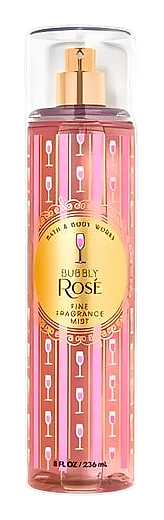
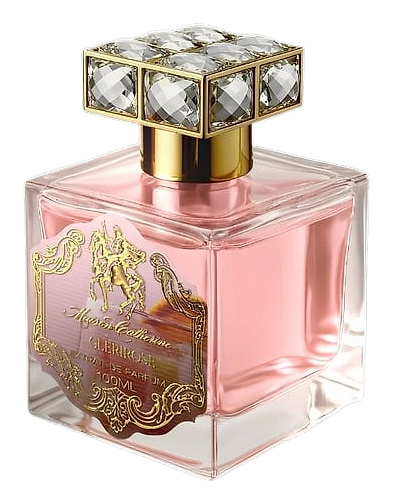
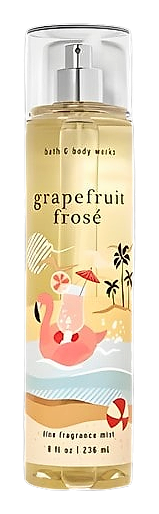
Brands
Brands known for Rosé Wine
Good to know
Questions, answered
The essentials on Rosé Wine in perfumery: how it smells, where it comes from, and how it behaves on skin.
What is rose oil in perfumery?
Rose oil in perfumery refers to rose absolute, a highly concentrated aromatic material derived from rose petals. Bulgaria produces approximately 70% of the world's rose oil for perfumery, making it the dominant source for this precious ingredient.
Why is rose oil so expensive?
Rose oil commands premium pricing because approximately 3.5 tonnes of rose blossoms yield only 1 kg of oil. The hand-harvesting requirement, pre-dawn picking schedule, and brief annual bloom window drive costs. Bulgarian rose oil is considered the gold standard in perfumery for its exceptional quality.
How does rose oil differ by country?
Regional variations define rose oil profiles. Moroccan rose leans herbal and citrusy. Turkish rose offers deeper, spicier character. Bulgarian rose represents the benchmark rosy sweetness most perfumers seek.
What is rose absolute versus rose essential oil?
Rose absolute is the solvent-extracted concentrate used in fine perfumery. Rose essential oil comes from steam distillation and differs in composition. Absolute is more common in fragrance creation due to its richer aromatic profile.
Is rose oil always diluted in perfume?
Pure rose oil is typically blended with carrier substances before use in perfumery. Its concentration and cost make dilution standard practice for handling this expensive natural material.
How does rose function as a fragrance note?
Rose operates as a heart note in fragrance construction. It provides floral warmth and complexity, blending easily with other florals, fruity accords, or woody bases across multiple fragrance families.
What does rose smell like in fragrance?
Rose in perfumery ranges from fresh and dewy to deep and honeyed depending on origin and extraction method. Bulgarian rose offers classic rosy sweetness. Moroccan rose adds herbal and citrus dimensions.
Can rose be combined with other ingredients?
Rose pairs exceptionally well with complementary florals like geranium and jasmine. It anchors fruity compositions, deepens woody bases, and brightens oriental structures through its versatility.