Roasted Orange Zest
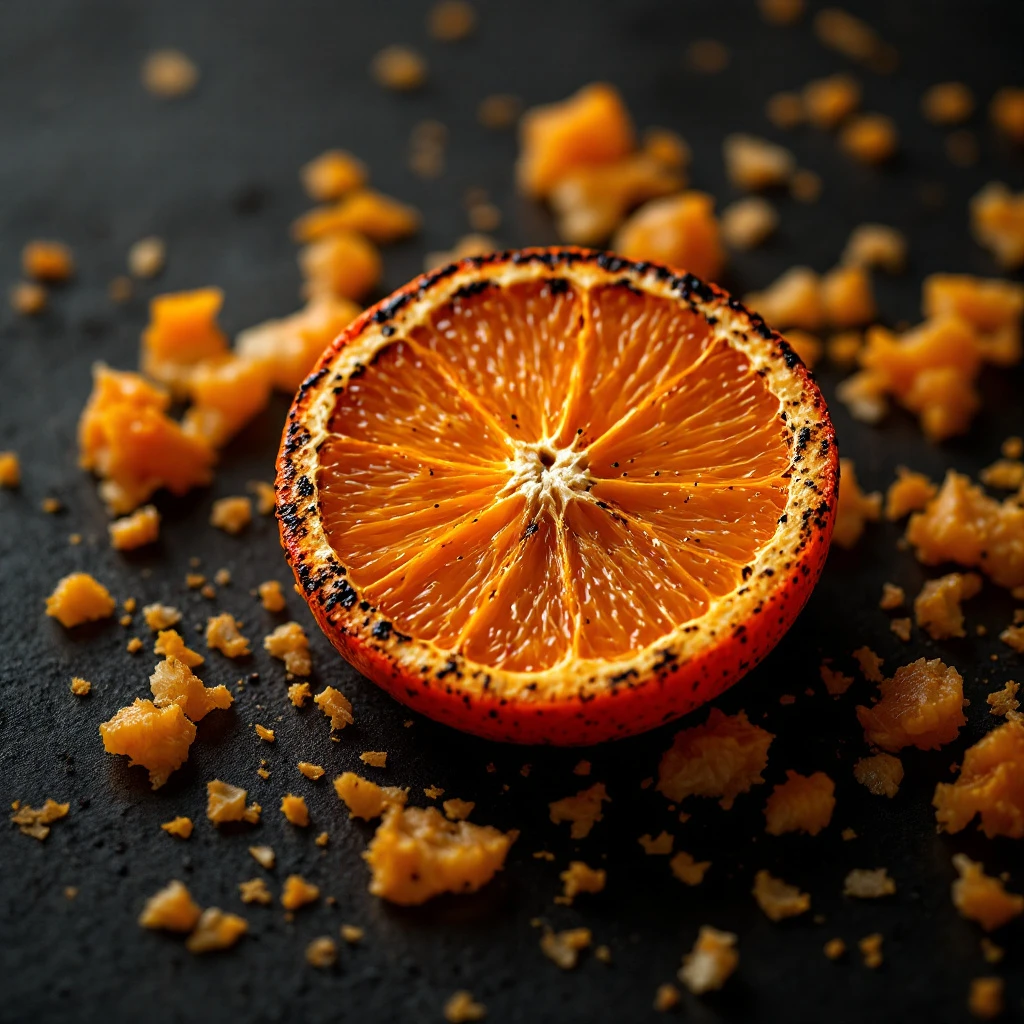
Roasted orange zest brings citrus brightness into darker territory, pairing vivid peel aroma with warm, dry, lightly burnt notes reminiscent of caramelized citrus.
Character
How it smells
Bright citrus with a warm, charred edge.
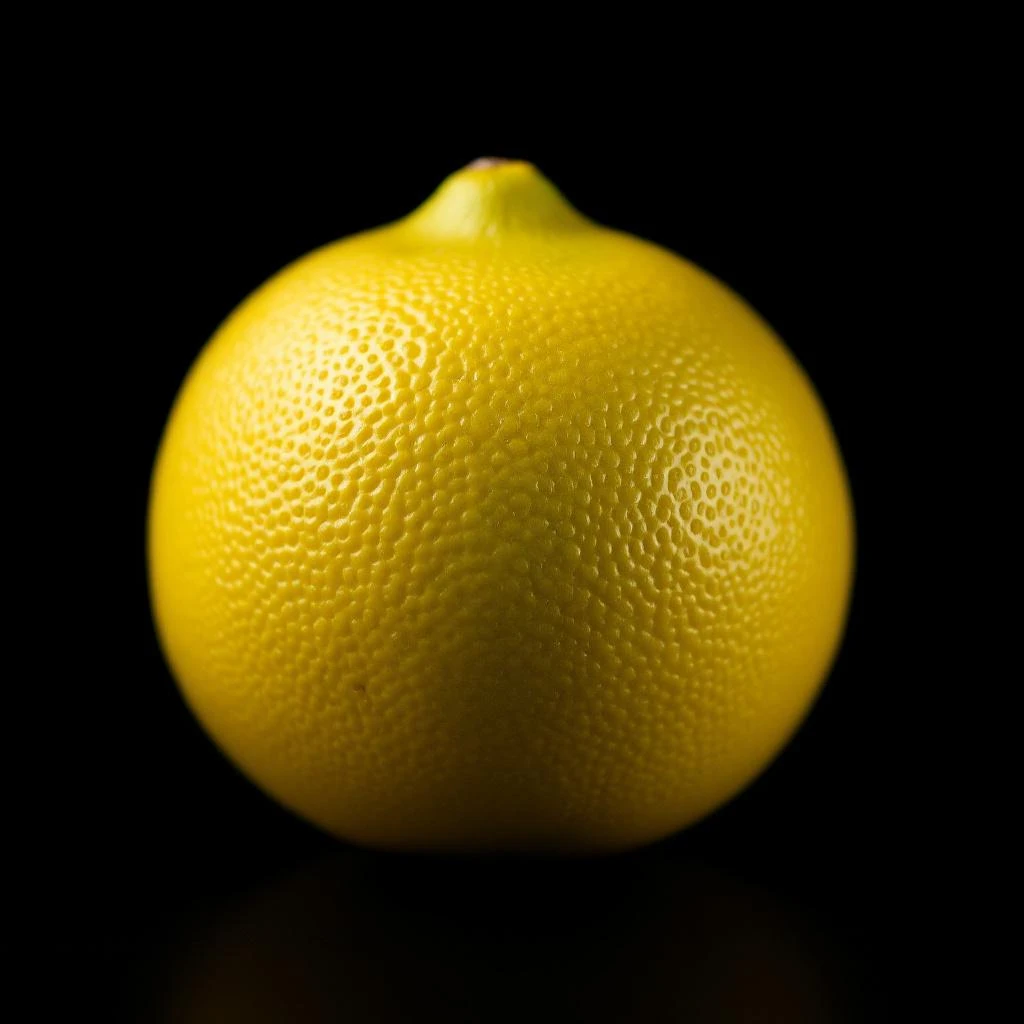
Orange oil is usually obtained by pressing the peel, not by distillation, because the tiny oil glands in the flavedo release their fragrance under mechanical pressure.




Origin
United States
Orange has supplied perfume materials for centuries, with citrus oils appearing in fragrant preparations long before modern synthetic aroma compounds became standard. The oil used in perfumery most often comes from sweet orange, Citrus sinensis, while bitter orange contributes related materials, including neroli oil from the blossoms and, in some traditions, bitter-orange peel. During the 19th century, orange blossom became especially important to eau de cologne, a fresh citrus-and-floral style that helped establish citrus as a central perfumery family.
Orange peel oil also entered fragrance blending through citrus colognes and eau de toilette compositions. Its history is tied to agriculture, trade, and the practical handling of citrus fruit: peel is a by-product of fruit consumption, yet its fragrant oil can be pressed and preserved for perfumery. In contemporary formulations, orange zest is valued for its immediate brightness.
The roasted interpretation adds a modern layer, recalling heat, browning, and dry smoke without changing the peel’s recognizable citrus profile.
Wears it best
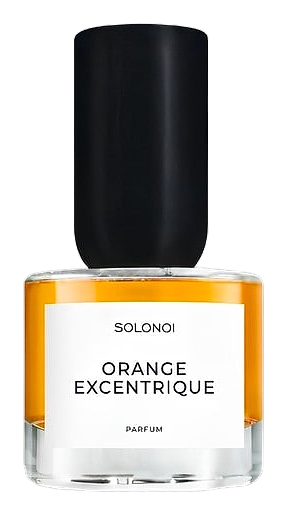
Fragrances featuring Roasted Orange Zest
Brands
Brands known for Roasted Orange Zest
Good to know
Questions, answered
The essentials on Roasted Orange Zest in perfumery: how it smells, where it comes from, and how it behaves on skin.
What does roasted orange zest smell like?
It combines fresh orange-peel brightness with warm, dry notes resembling lightly caramelized fruit and faint smoke. The result is citrusy but darker than ordinary orange, while the characteristic sweet peel aroma remains recognizable.
Is roasted orange zest a natural perfumery ingredient?
Orange peel oil is naturally derived, but roasted orange zest is usually a fragrance construction rather than a single botanical oil. Perfumers combine orange oil with woods, resins, amber materials, or smoky accords to suggest heat and charring.
How is orange oil extracted for perfume?
Most orange perfume oil is produced by cold-press expression. Mechanical pressure ruptures the oil glands in the outer peel, or flavedo, releasing the volatile oil without the heat used in steam distillation.
What part of the orange is used in perfumery?
Perfumers use the outer fruit peel, called the flavedo, for orange oil. The white pith beneath it contributes little oil and is normally excluded because it can dilute the fragrance.
What is the difference between orange oil and neroli?
Orange oil comes from the fruit peel and smells bright, juicy, and zesty. Neroli is made from bitter-orange blossoms and has a softer, more floral and green character, making the two materials distinct despite sharing a citrus source.
Does roasted orange zest smell sweet?
Yes, it often begins sweet because orange oil contains a fresh, fruity citrus profile. The roasted accord adds warmth and dryness, so the sweetness can resemble caramelized peel rather than simple sugary candy.
How long has orange been used in perfume?
Orange materials have appeared in fragrant preparations for centuries, while orange blossom became especially prominent in 19th-century eau de cologne. Its long use reflects both citrus agriculture and the availability of fragrant peel and blossoms.
Can orange peel oil be steam distilled?
Commercial orange oil is chiefly obtained by pressing because citrus peel oils are plentiful and delicate. Solvent extraction or distillation may be used for specific derivatives or specialty materials, but cold pressing is the standard route for conventional orange oil.