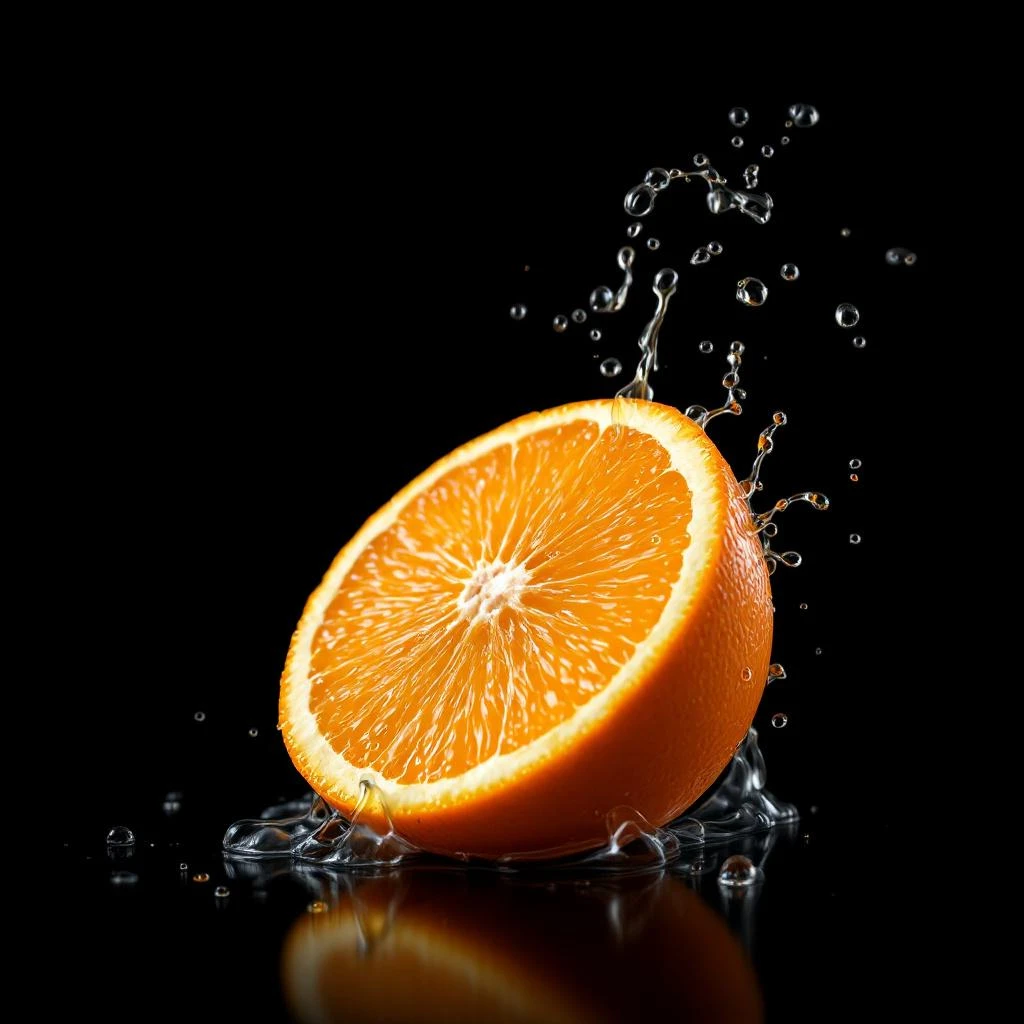
Orange juice
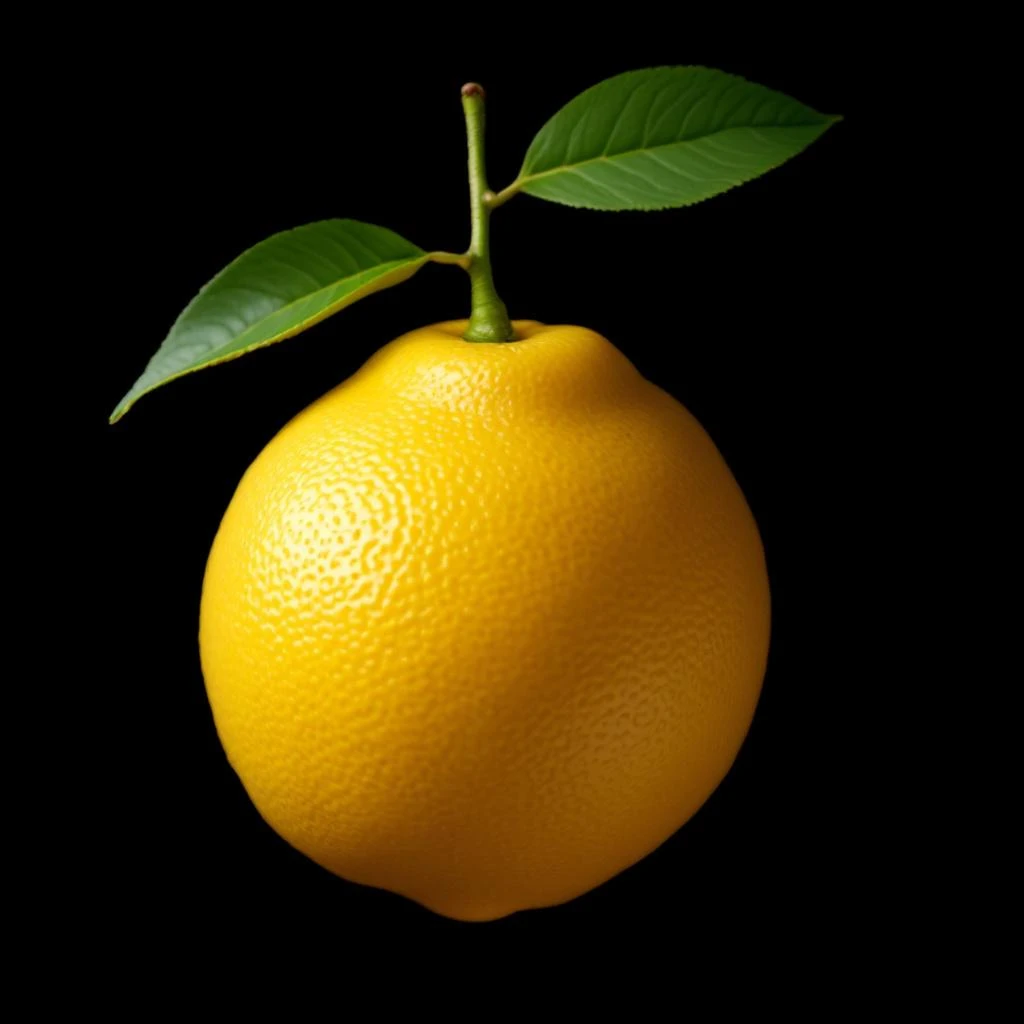
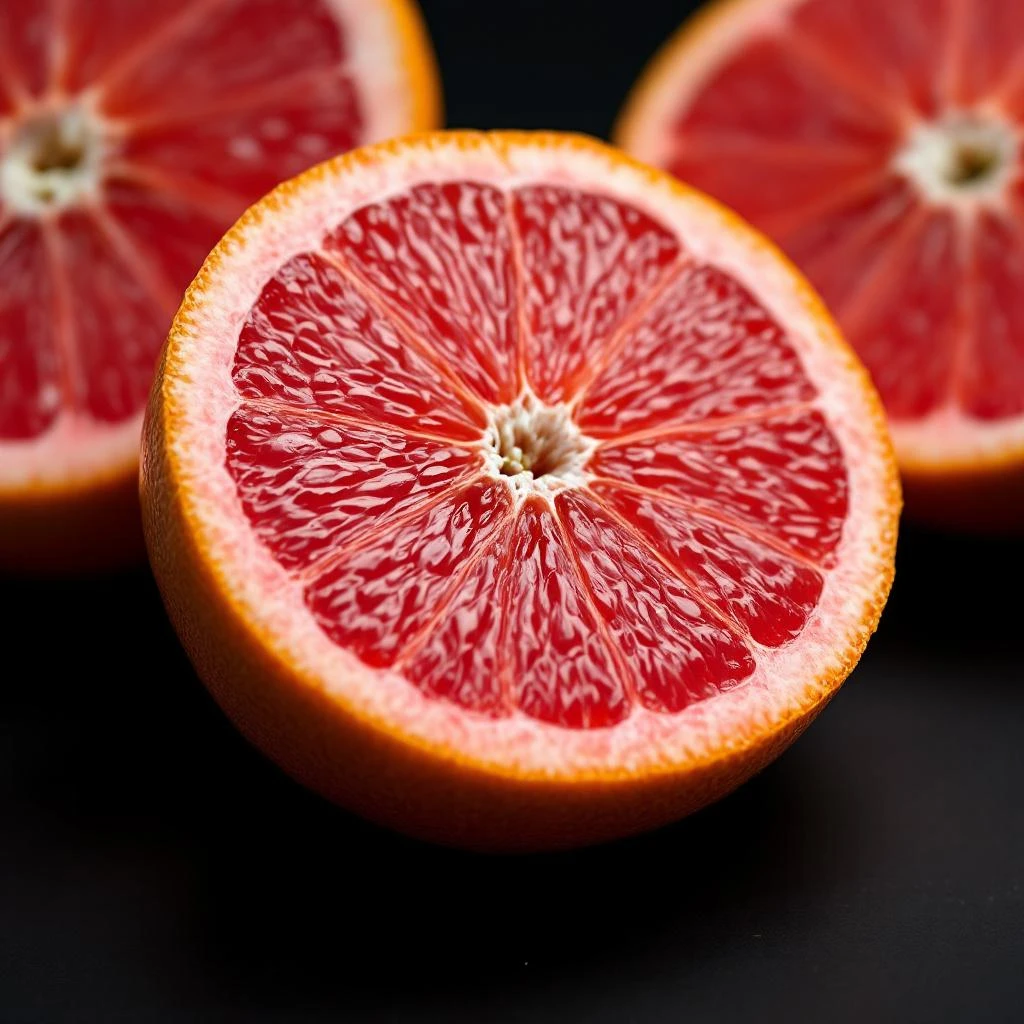
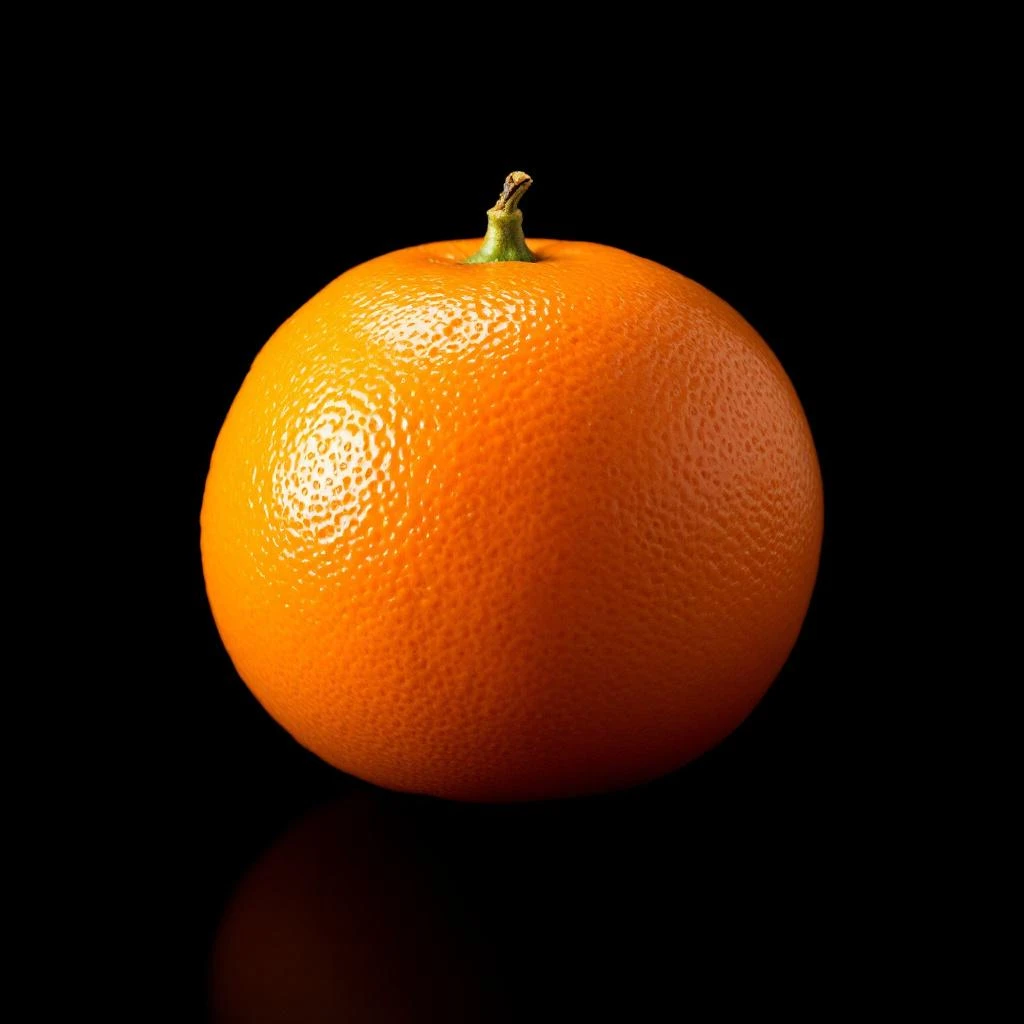
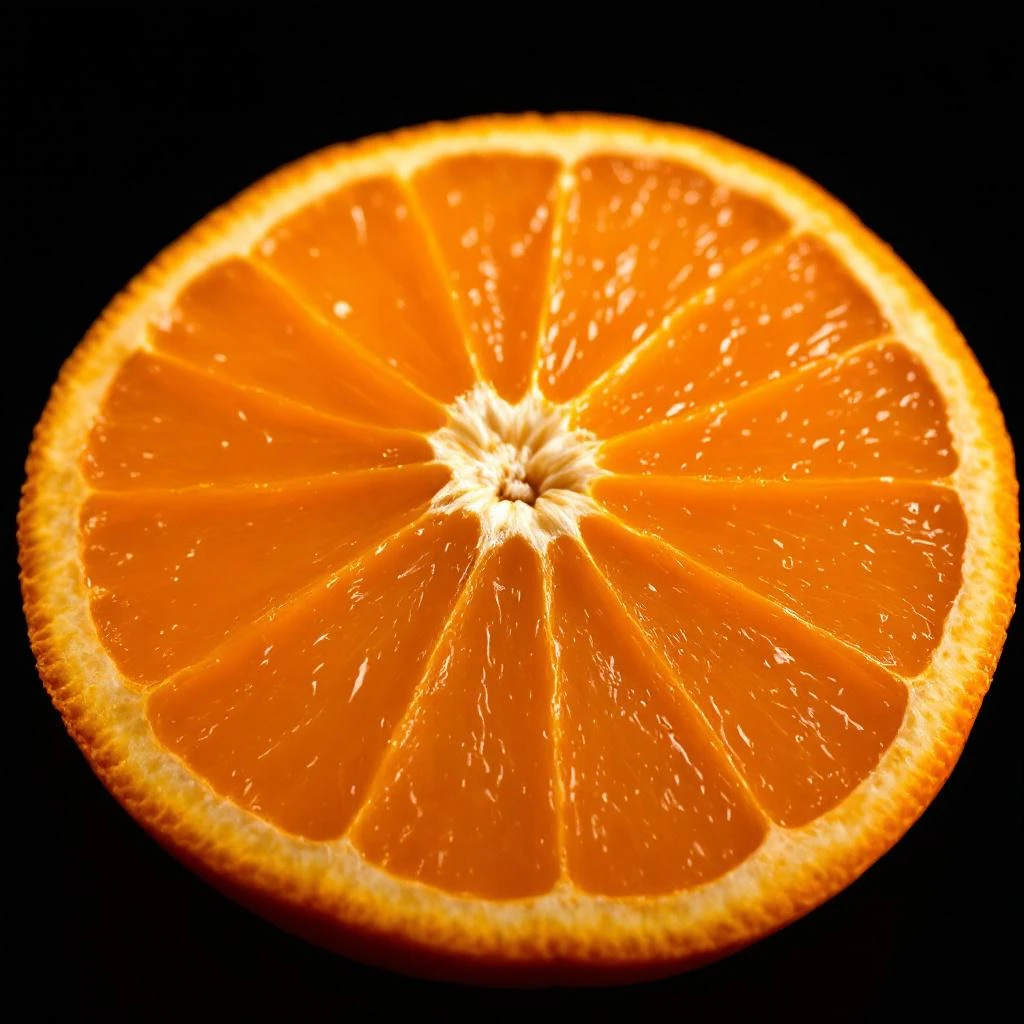
Orange juice captures the bright, tangy aroma of freshly squeezed citrus, delivering a crisp, zesty note that lifts perfume compositions with a natural, sun‑kissed freshness.
Character
How it smells
Sunlit zest in a bottle.
While most perfume‑grade orange oil comes from Brazil and Italy, commercial orange juice often contains added flavor packs to restore aroma lost during processing, blending natural and synthetic citrus molecules.





Origin
Brazil
Records of citrus fragrance date back to ancient Egypt, where orange peel was burned in temples to invoke vitality. By the 16th century, Mediterranean traders introduced sweet orange to Europe, and its zest quickly entered apothecary recipes.
The first documented use of orange juice as a scent component appears in French perfumery notebooks from 1825, where distillers mixed pressed juice with alcohol to create a fleeting top note. The industrial age accelerated production; in the late 1800s, steam‑driven presses allowed large‑scale extraction of peel oil, while juice factories emerged in Brazil’s São Paulo region.
The 20th century saw the rise of “flavor packs” as juice processing introduced oxygen‑free packaging, prompting flavorists to add synthetic orange compounds to preserve aroma. Today, orange juice remains a bridge between natural freshness and modern formulation, celebrated for its ability to lift compositions with a clean, citrus sparkle.
Wears it best
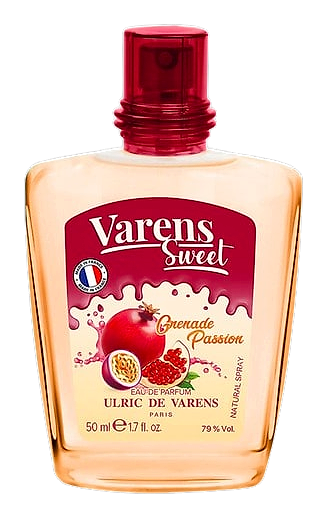
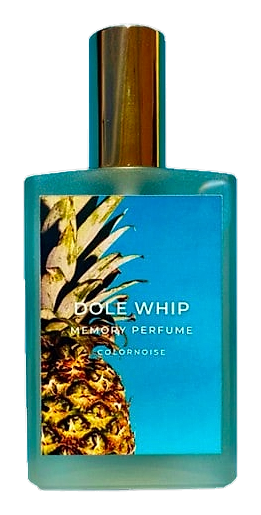
Fragrances featuring Orange juice
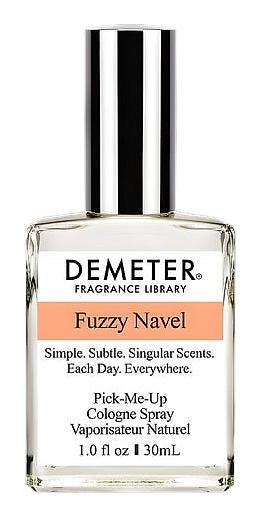
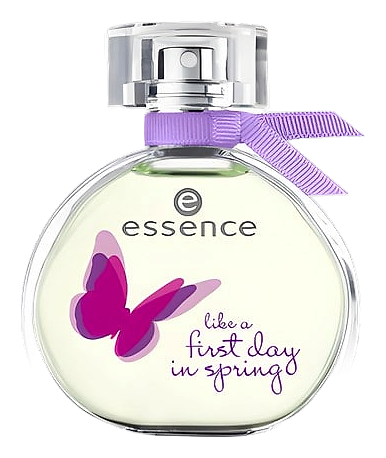
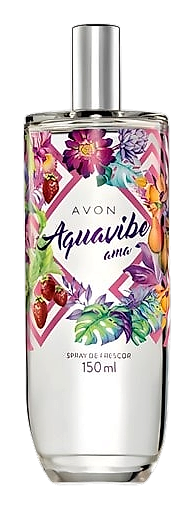
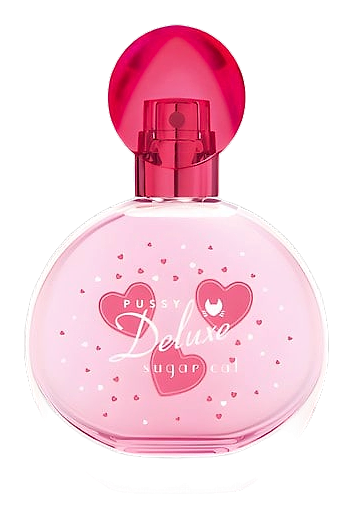
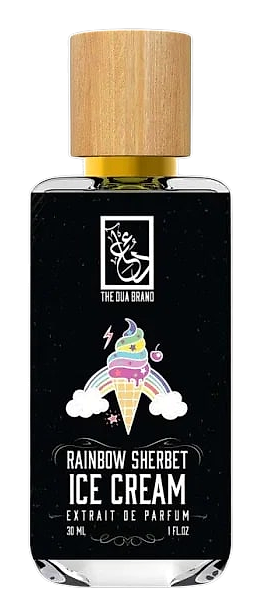
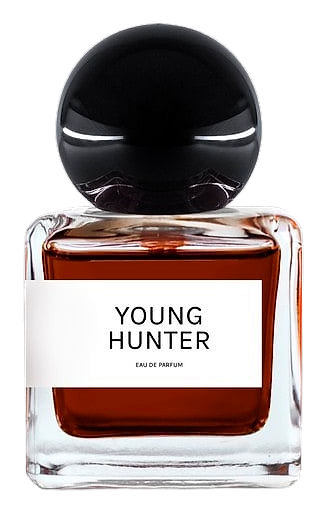
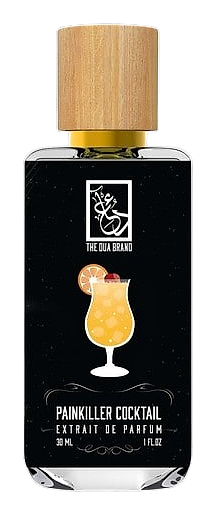
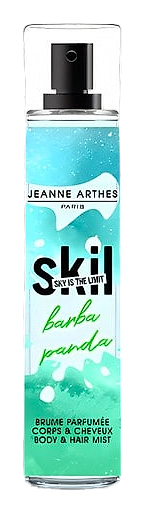
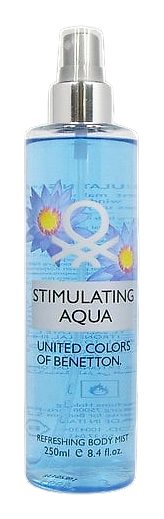
Brands
Brands known for Orange juice
Good to know
Questions, answered
The essentials on Orange juice in perfumery: how it smells, where it comes from, and how it behaves on skin.
What does orange juice smell like in a fragrance?
Orange juice offers a sharp, citrusy aroma with a hint of sweet pulp. The scent mirrors the fresh, slightly acidic profile of a glass of juice, highlighted by volatile compounds like limonene that dominate at 90% of the oil composition.
Is orange juice a natural ingredient in perfumery?
Yes, orange juice derives from the fruit’s pulp and is used as a natural note in niche blends. In 2022, over 12,000 liters of juice‑derived aroma were recorded in European fragrance filings. Regulators classify it under natural extracts, ensuring it meets safety standards.
How is orange juice fragrance extracted for perfumery?
Extractors press the fruit’s peel to release volatile oils, then blend the resulting juice with a cold‑pressed orange oil to capture the fresh note. The 2021 industry report notes that cold‑press yields retain 85% of original limonene content. This method avoids heat that could degrade aromatic molecules.
Does orange juice retain its fresh scent over time in a perfume?
The bright citrus fades faster than base notes, typically losing half its intensity after 12 months in a sealed bottle. Stability tests from 2019 show a 48% reduction in limonene after one year of storage. Perfume designers often pair it with amber or musk to extend perceived longevity.
Are synthetic orange juice notes used in modern fragrances?
Yes, chemists replicate the key citrus compounds with synthetics like citral and ethyl butyrate. In 2020, synthetic orange accords accounted for 22% of all citrus ingredients listed in major fragrance catalogs. These molecules provide consistent aroma while reducing reliance on seasonal fruit harvests.
Which regions produce the most aromatic orange juice notes?
Brazil leads the market, supplying over 70% of the global supply of cold‑pressed orange peel oil used for fragrance. The São Paulo state, centered near latitude -23.5°, hosts the largest processing facilities. Local soil rich in calcium contributes to higher oil yield, measured at 0.8 ml per kilogram of peel.
Is orange juice safe for skin in scented products?
Orange juice can irritate sensitive skin due to its acidity, so formulators limit its concentration to below 1% in leave‑on cosmetics. A 2018 dermatology study recorded a 4% incidence of mild erythema when concentrations exceeded 2%. Patch testing remains the standard method to assess individual tolerance.
How does orange juice interact with other fragrance notes?
Orange juice brightens top layers and balances richer accords like vanilla or sandalwood, creating a lively contrast. In a 2021 formulation trial, adding 5% orange juice reduced perceived heaviness of a vanilla base by 18%. Perfume creators often pair it with green herbs to enhance freshness.