Caramelized Orange
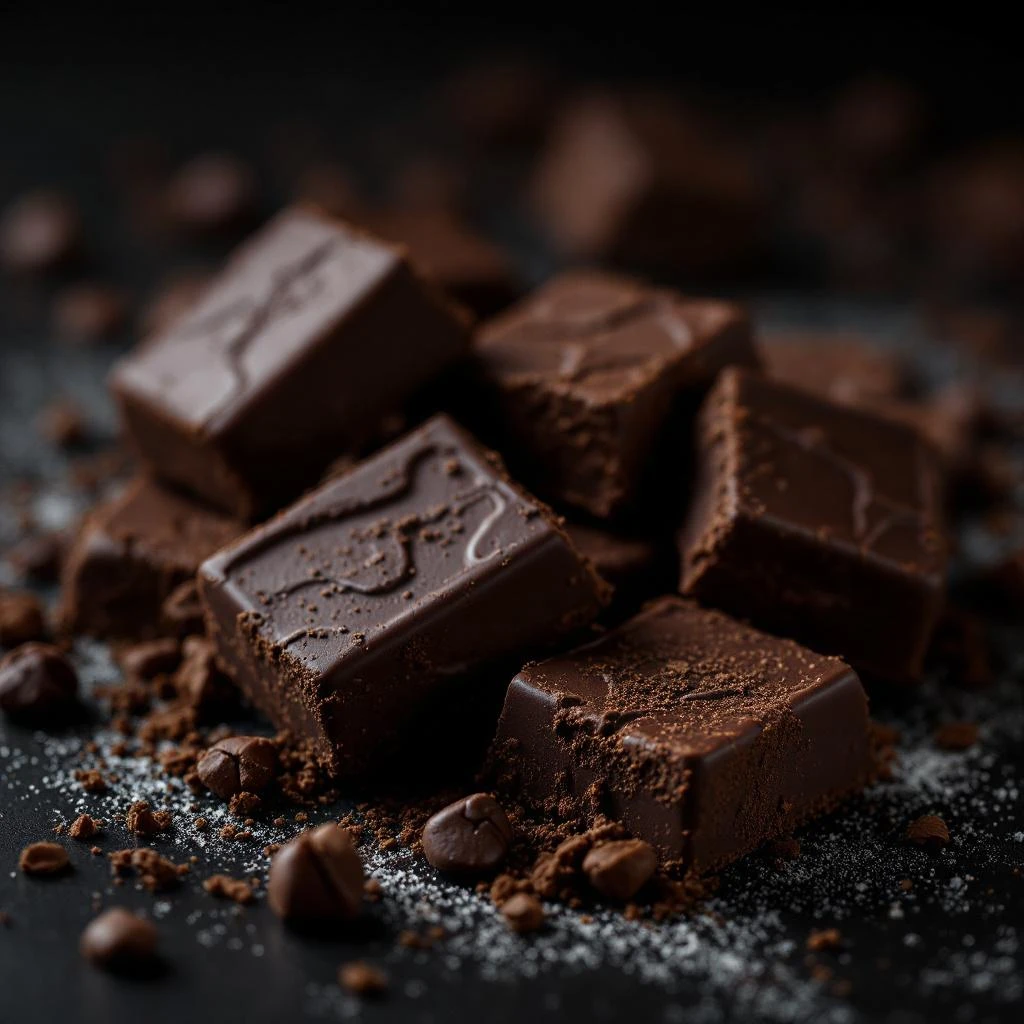
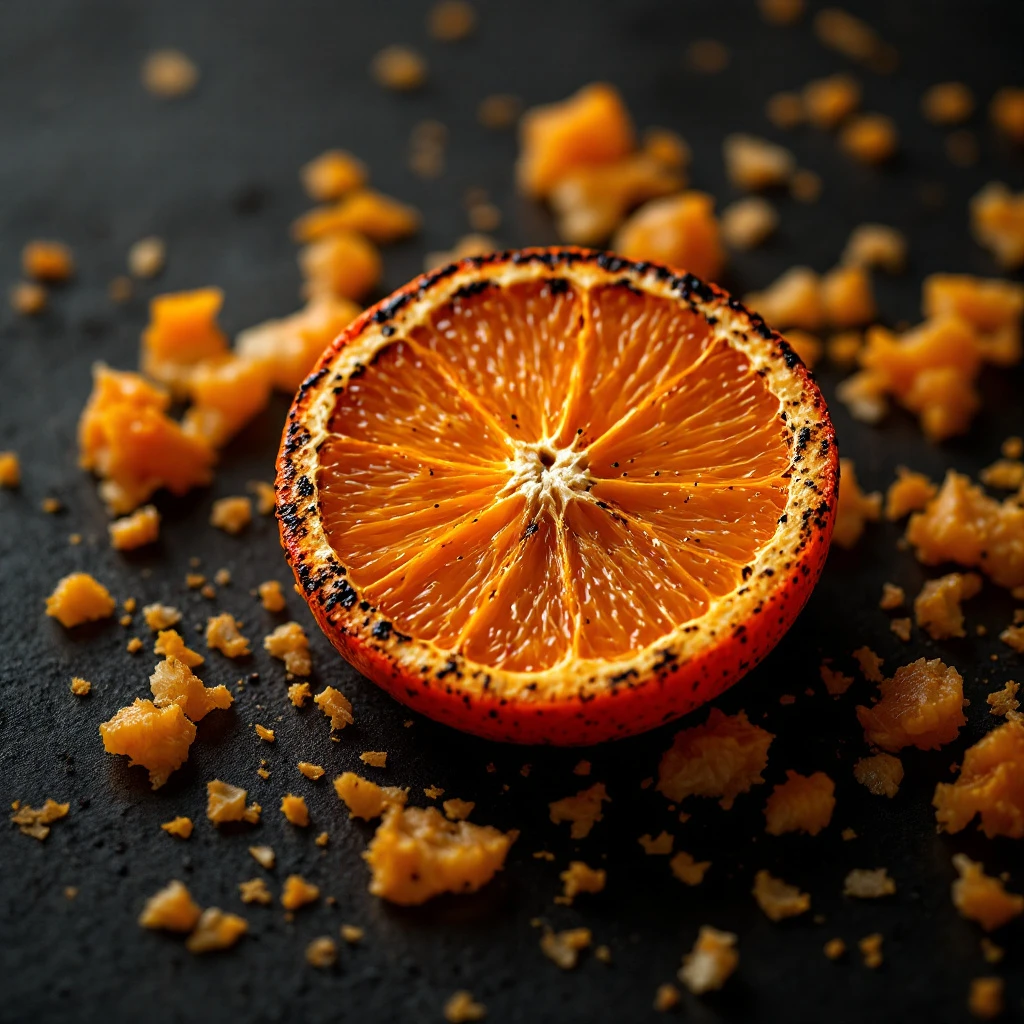
Caramelized orange fuses bright citrus peel with warm sugar-browning notes, turning a familiar fruit accord darker, richer, and distinctly edible.
Character
How it smells
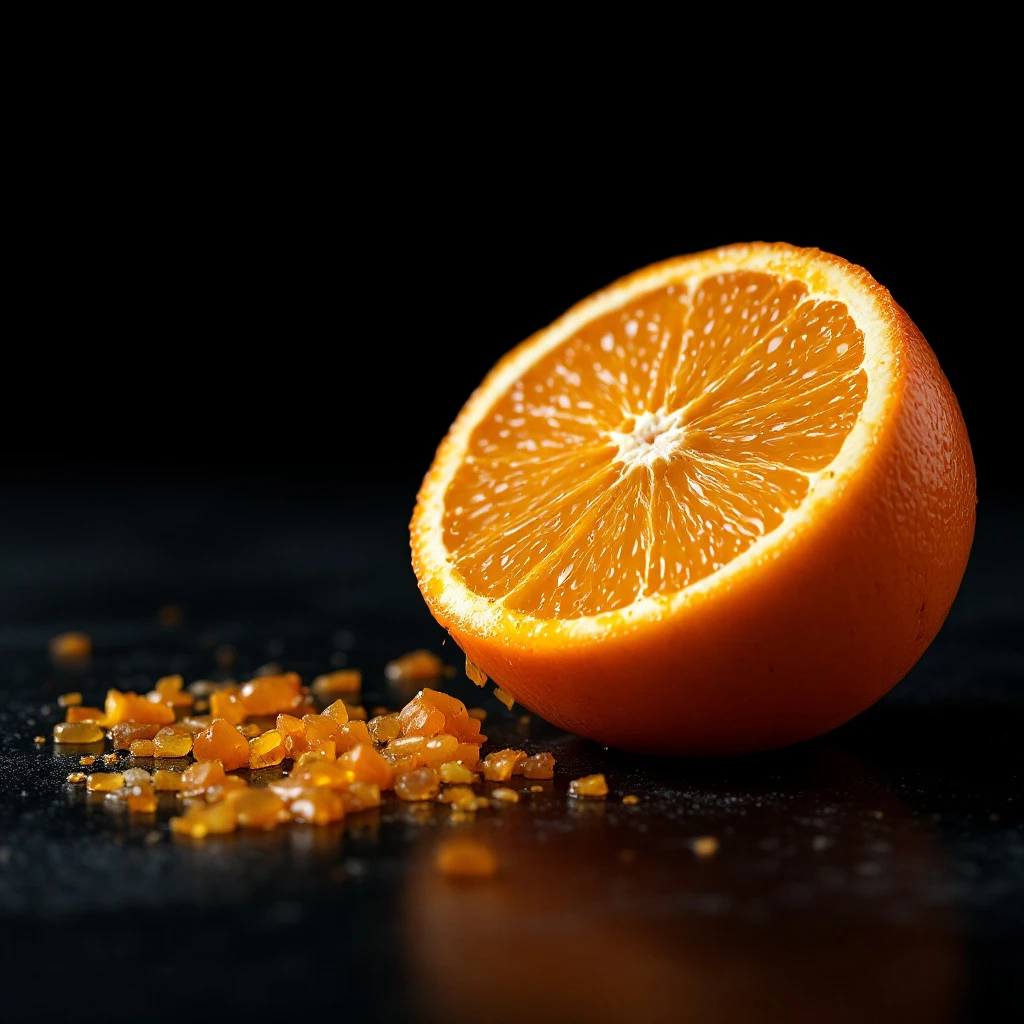
Sunlit citrus with a deeply toasted sweetness.
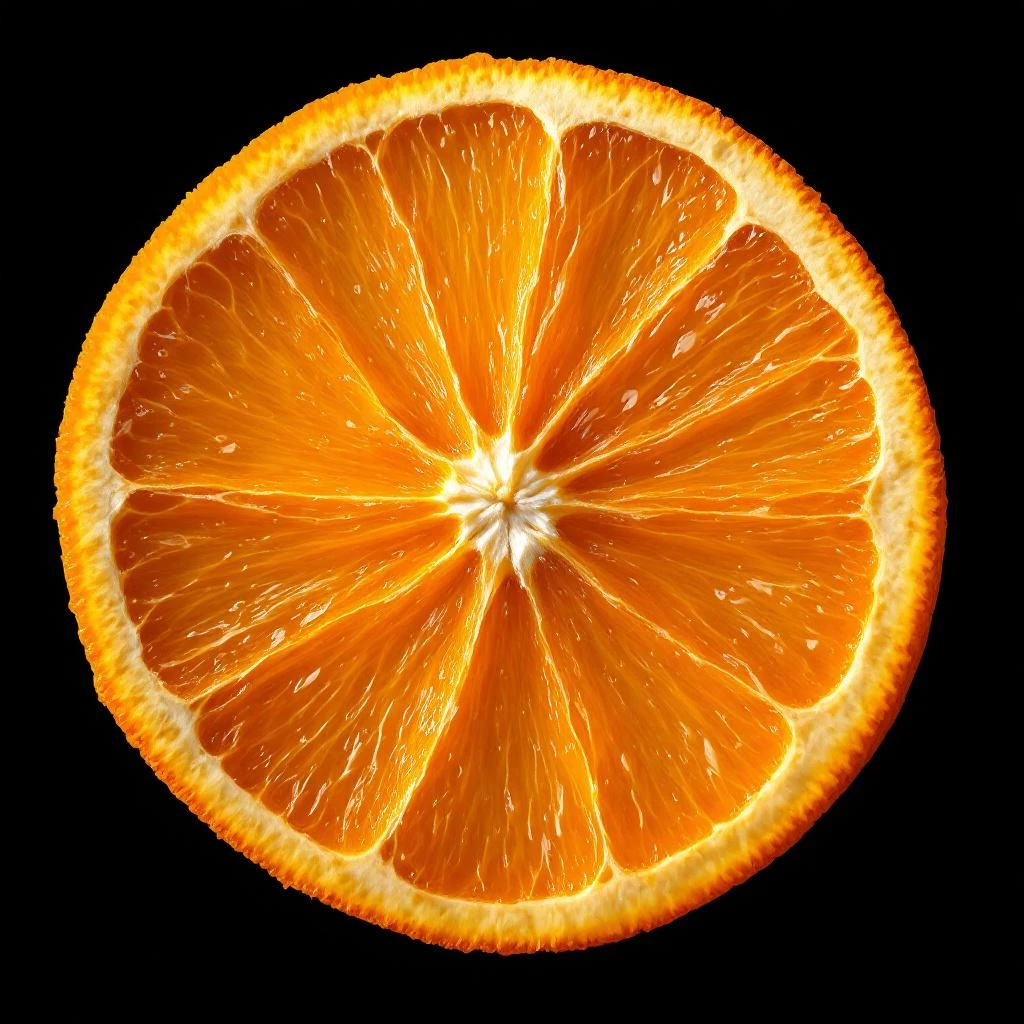
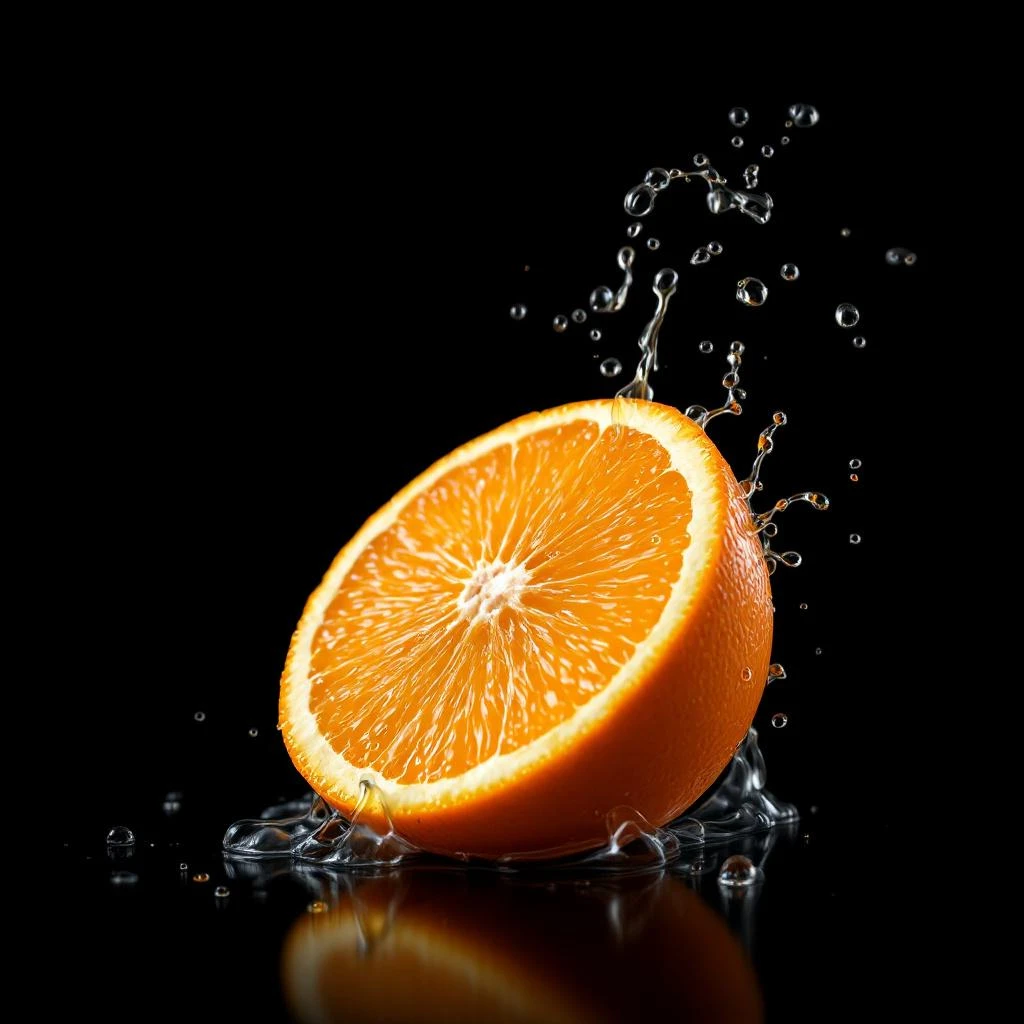
Orange oils are commonly pressed from the peel, where much of the fruit's volatile fragrance is stored.
Origin
Spain
Orange has held a prominent place in fragrance culture for centuries because its peel yields a generous amount of aromatic oil and carries associations with freshness, hospitality, and edible luxury. Citrus materials reached early modern European perfumery through distillation, while expressed peel oils became valuable because they preserved the fruit's lively top-note character. Orange blossom adds another historical chapter.
Neroli, derived from bitter-orange blossoms and, when solvent-extracted, orange blossom absolute, became an important material for fine fragrance. Its cultivation in France expanded during the 19th century before declining around the mid-20th century. Caramelized orange belongs to the later art of accord composition rather than to a single botanical material.
It reinterprets the brightness of orange peel through a warm, browned register associated with vanilla, woods, and amber. Today, perfumers use it to connect sparkling citrus openings with richer bases, giving citrus scents a longer, rounder sense of development.
Wears it best
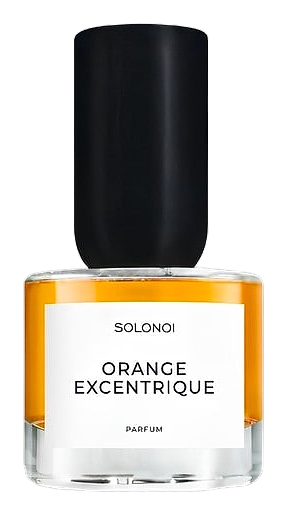
Fragrances featuring Caramelized Orange
Brands
Brands known for Caramelized Orange
Good to know
Questions, answered
The essentials on Caramelized Orange in perfumery: how it smells, where it comes from, and how it behaves on skin.
What does caramelized orange smell like?
Caramelized orange smells bright and citrusy at first, then warm and sweet, often recalling candied peel, orange liqueur, and browned sugar. Its orange profile comes mainly from cold-pressed peel oil, while the caramel effect is created through a composed fragrance accord.
Is caramelized orange a natural fragrance ingredient?
Usually, no. Caramelized orange is a fragrance construction rather than a single oil extracted from an orange. Perfumers combine cold-pressed orange oil with caramel-like, sweet, woody, lactonic, and ambery materials to produce its distinctive effect.
Which orange is commonly used in perfumery?
Sweet orange, or Citrus sinensis, is a common source because its pressed peel oil has a juicy, bright citrus character. Bitter-orange-derived materials also play major roles, especially orange blossom absolute and neroli, but those come from the flowers.
How is orange oil extracted for fragrance?
Orange oil is usually produced by cold-pressing the outer peel. This method captures the peel's volatile compounds and preserves a fresh top-note profile, but the oil is sensitive to air and light and therefore requires careful storage.
How is caramelized orange made?
Perfumers make it by placing orange peel oil within a larger caramel-inspired accord. Sweet and subtly burnt materials may provide the effect, supported by woods, resins, vanilla-like notes, and restrained lactonic accents for a more realistic orange profile.
Does caramelized orange come from caramelizing actual oranges?
No. The name describes an olfactory effect inspired by browned citrus and caramel, not a standard botanical extraction. An actual orange is not usually heated until its peel caramelizes and then used as perfumery material.
Is caramelized orange the same as orange blossom or neroli?
No. Neroli and orange blossom absolute come from bitter-orange flowers and have a softer, floral profile. Caramelized orange is built around citrus peel notes and a sweet, browned accord, giving it a fruitier and warmer character.
Why does the origin of orange affect its scent?
Climate, soil, variety, and cultivation practices can change the composition of orange peel oil. Warm regions may produce fruit with a juicier profile, while other conditions can yield drier or more peel-forward notes, giving each crop a distinct character.