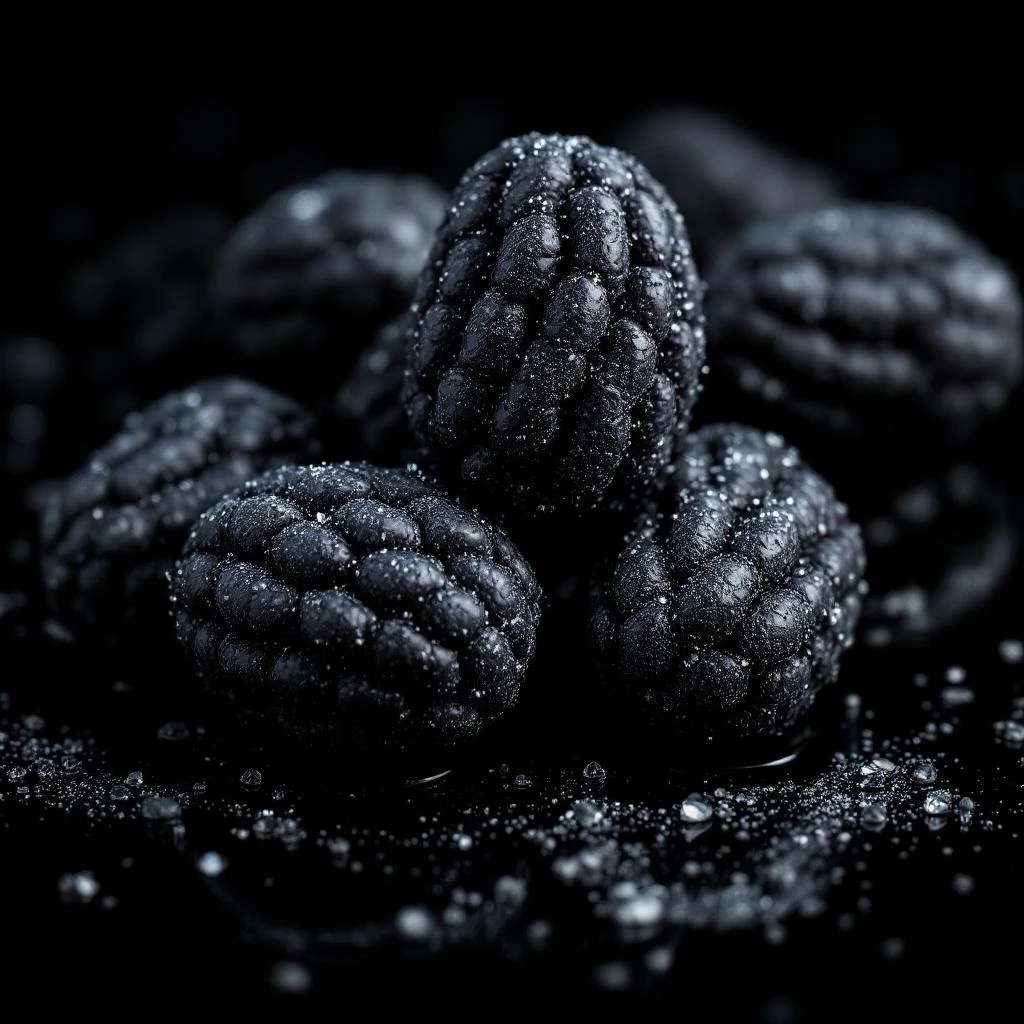
Rice milk
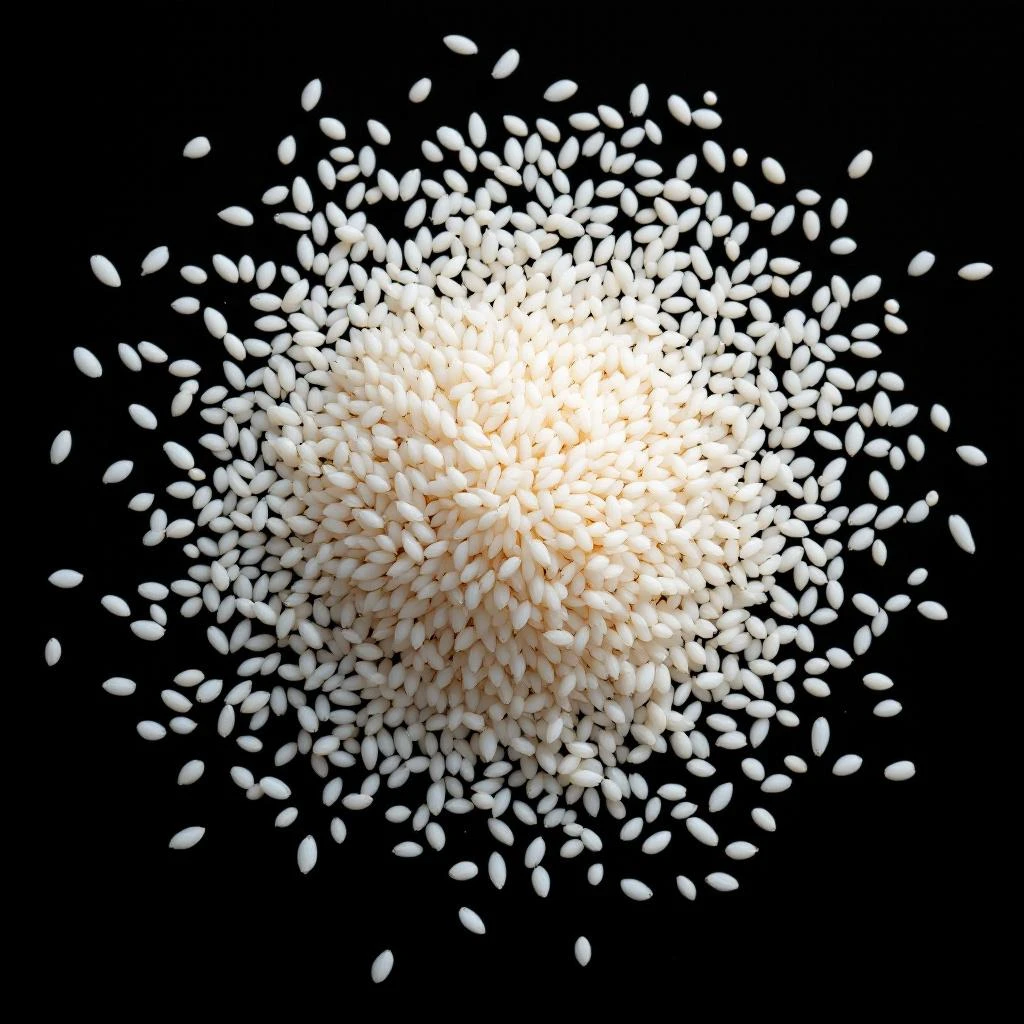
Rice milk brings a comforting warmth to perfumery, evoking clean linen and soft skin. This gentle heart note captures the quiet luxury of rice fields at dawn, blending creamy, powdery facets with a subtle grain-like depth that grounds lighter compositions.
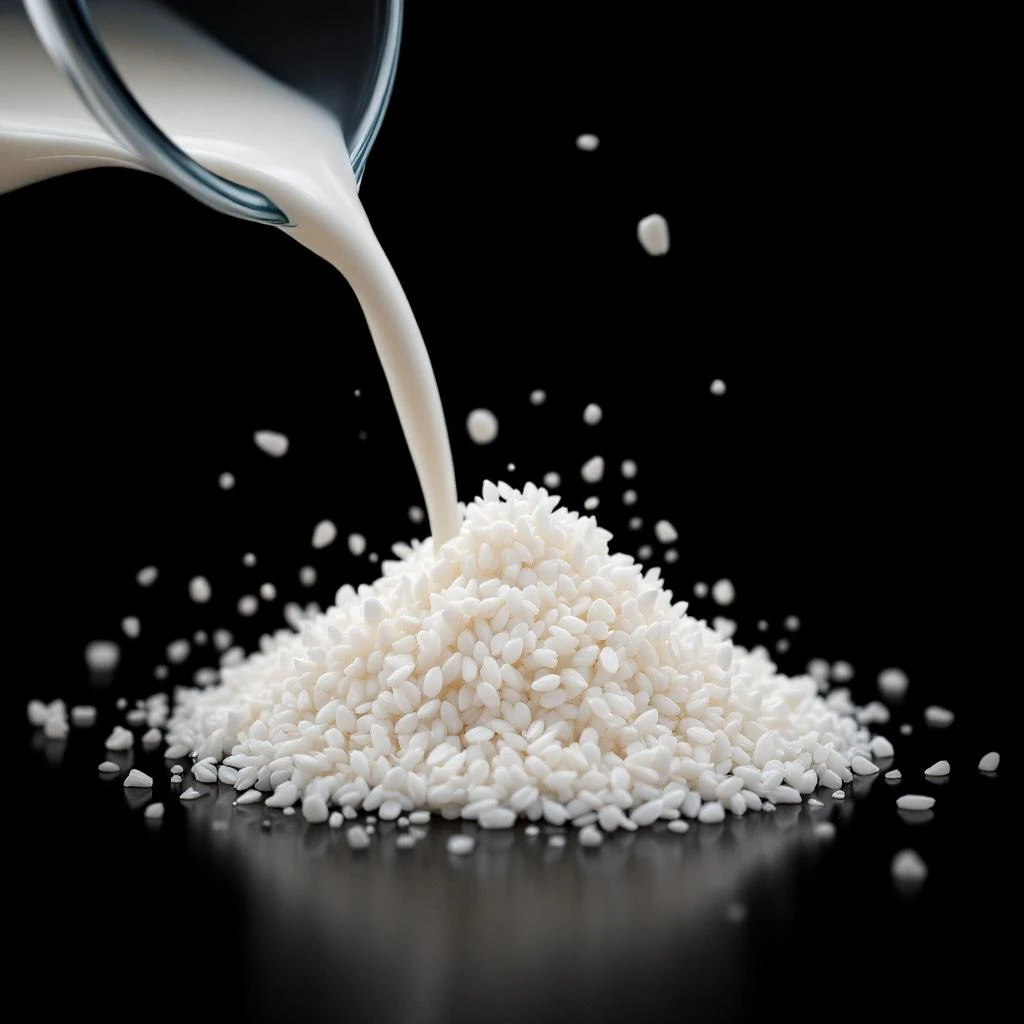
Character
How it smells
Soft as morning light on a paddy field.
The compound 2-acetyl-1-pyrroline, which gives rice milk its characteristic aroma, also occurs naturally in fresh pandan leaves and newly baked bread.







Origin
China
Rice cultivation spans over 10,000 years, originating in the Yangtze River valley of China before spreading across Asia. Ancient cultures used fragrant rice varieties in ceremonial contexts, including temple offerings and personal adornment.
The specific fragrance compound 2-AP became scientifically identified only in the 1980s, though perfumers had long recognized rice's distinctive aromatic character. Japanese perfumers notably incorporated rice-derived materials into compositions during the Edo period, drawn to its association with purity and domestic tranquility.
The modern perfumery use of rice milk notes emerged in the late 20th century as synthetic aroma chemicals allowed precise replication of the compound. Contemporary perfumers value rice milk for its skin-like warmth and its ability to soften harsh edges in oriental and white floral compositions.
Wears it best
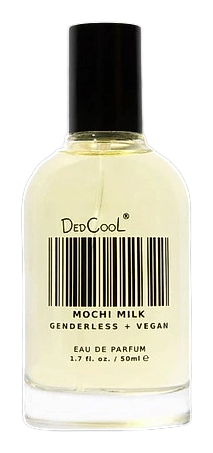
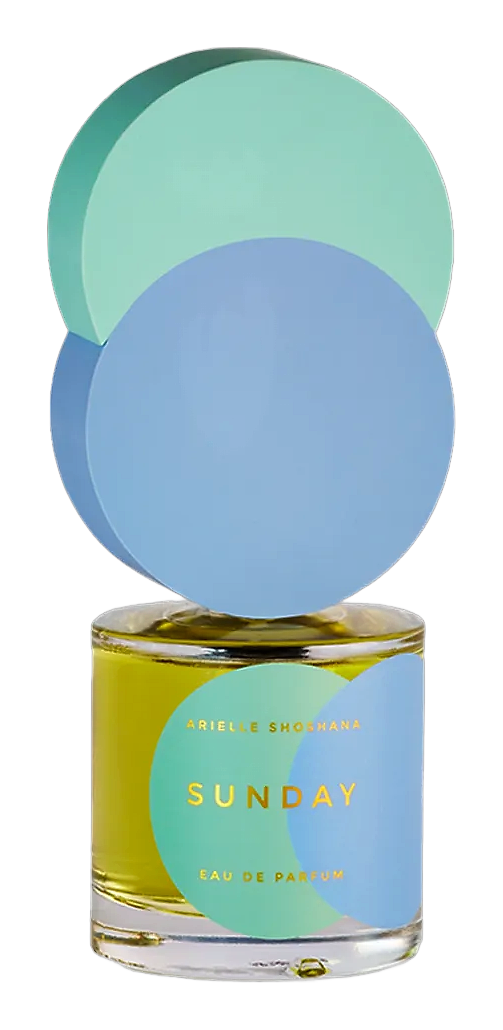
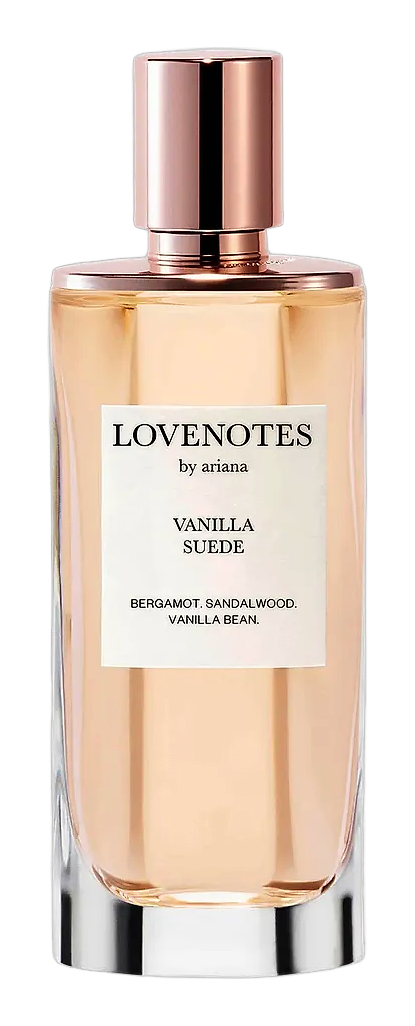
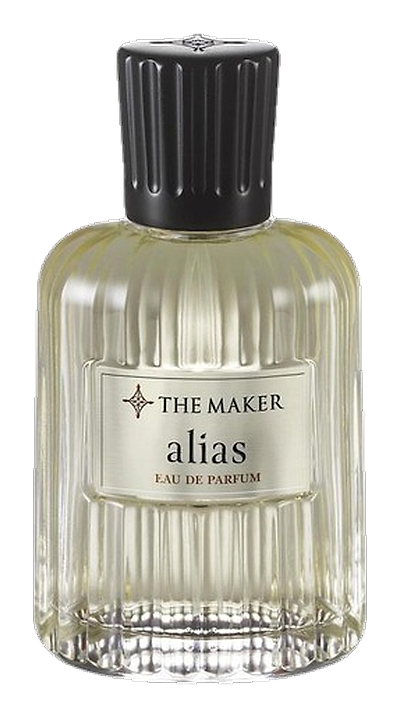
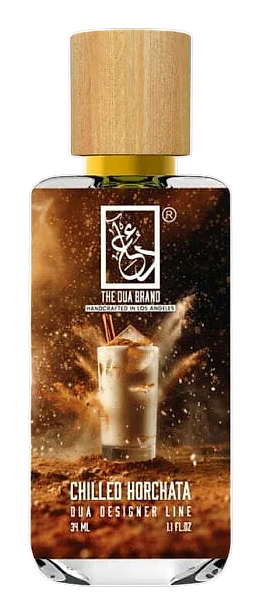
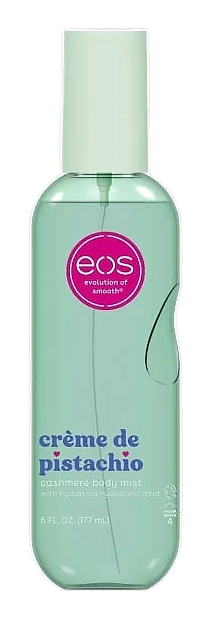
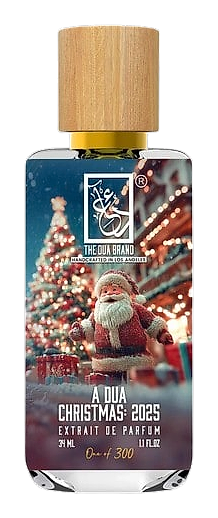
Fragrances featuring Rice milk
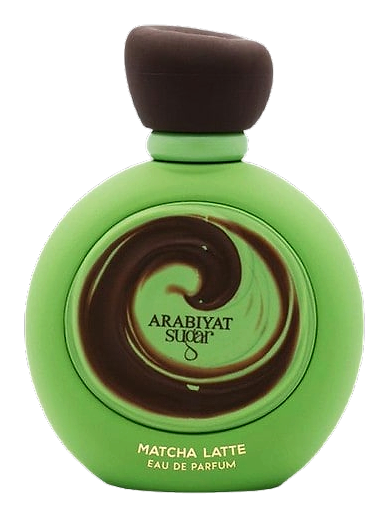
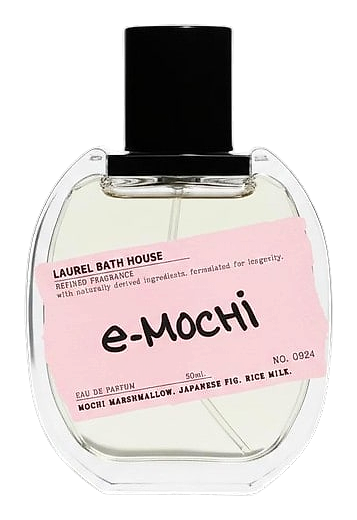
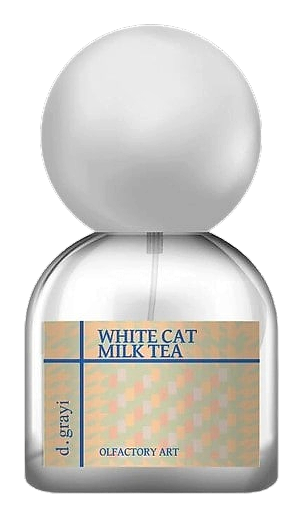
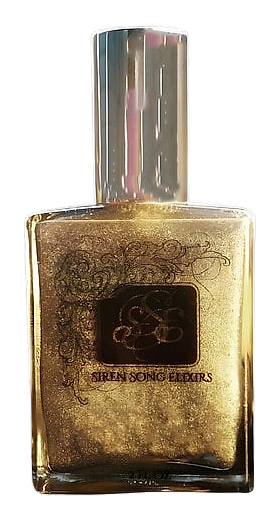
Brands
Brands known for Rice milk
Good to know
Questions, answered
The essentials on Rice milk in perfumery: how it smells, where it comes from, and how it behaves on skin.
What does rice milk smell like in perfume?
Rice milk presents a soft, creamy, and powdery aroma with subtle grain-like warmth. It evokes clean skin, warm fabric, and gentle comfort rather than the starchy quality of cooking rice.
Is rice milk a natural or synthetic ingredient in perfumery?
Rice milk exists in both forms. Natural extraction from rice bran or fermented rice yields genuine rice-derived materials, while synthetic production replicates the key aromatic compound 2-acetyl-1-pyrroline. Many modern formulations use the synthetic version for consistency.
What perfumes feature rice milk as a prominent note?
Several luxury fragrances incorporate rice milk in their heart composition, particularly in skin-music and cozy oriental structures. The ingredient works especially well in fragrances targeting the clean, comforting segment of the market.
Where does rice milk rank in perfumery's fragrance pyramid?
Rice milk functions primarily as a heart note, bridging top notes to base elements. Its moderate volatility allows it to remain perceptible for several hours while softening the overall composition.
How does rice milk interact with other fragrance ingredients?
Rice milk pairs well with white musks, vanilla, coconut, and soft florals like iris and heliotrope. It acts as a blending agent that softens harsh edges and adds a comforting, skin-like quality to compositions.
What compound gives rice milk its characteristic aroma?
2-acetyl-1-pyrroline (2-AP) is the primary aromatic compound responsible for rice milk's distinctive scent. This same molecule occurs in pandan leaves, fresh bread crust, and certain fragrant rice varieties like jasmine and basmati.
Does rice milk change during the dry-down phase?
Rice milk typically intensifies during dry-down as alcohol evaporates, revealing deeper lactonic and creamy facets. On skin, it often settles into a warm, intimate trail that resembles clean skin rather than food.
Which fragrance families commonly use rice milk?
Rice milk appears frequently in skin-music, clean fragrances, and cozy orientals. It also shows up in modern interpretations of chypre and powder compositions, adding softness to traditionally sharper structures.