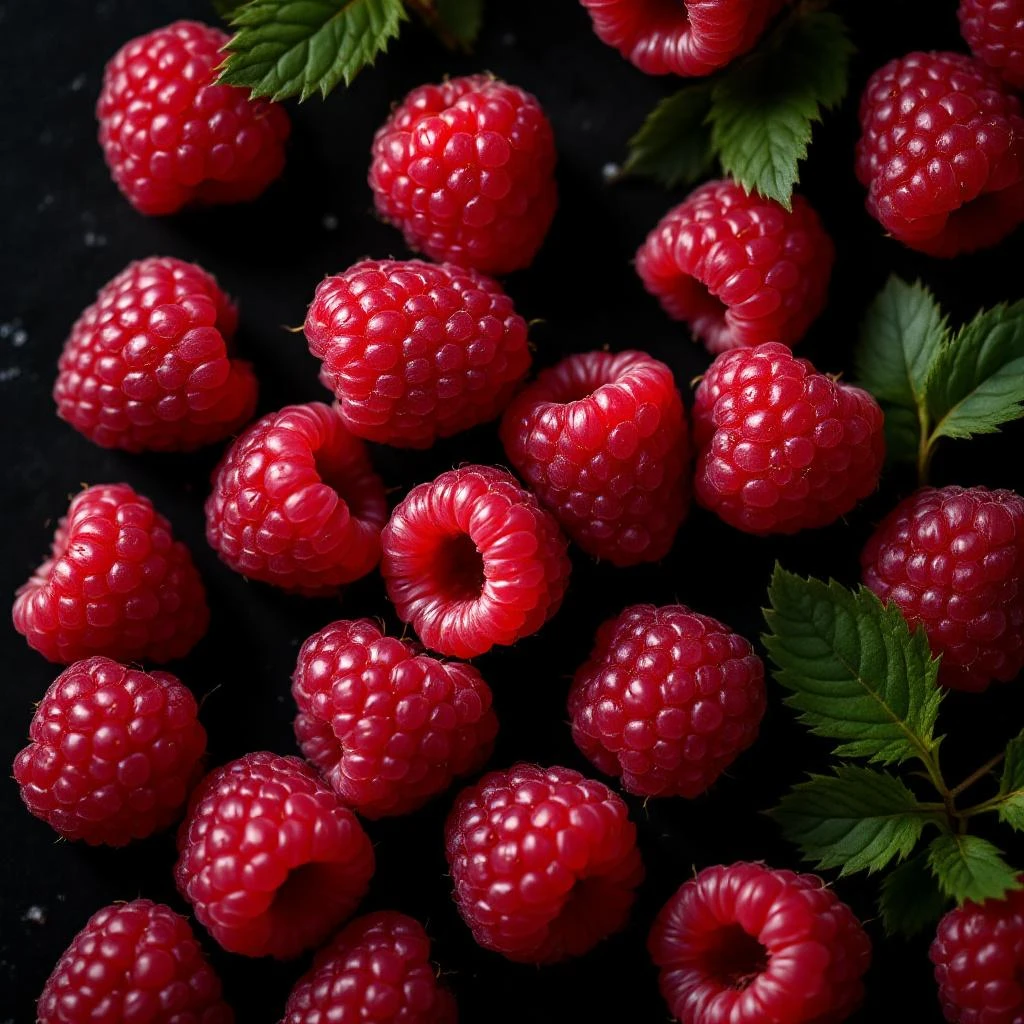
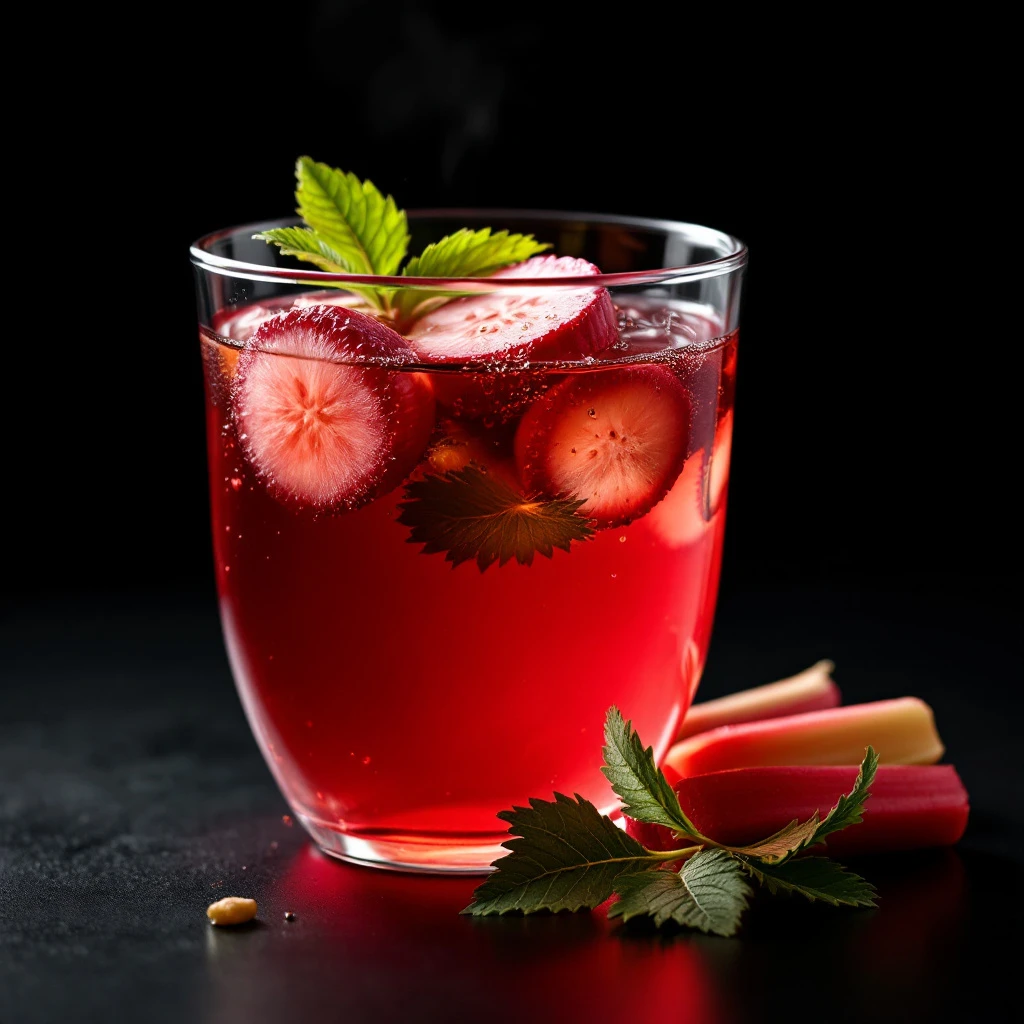
Rhubarb Tea
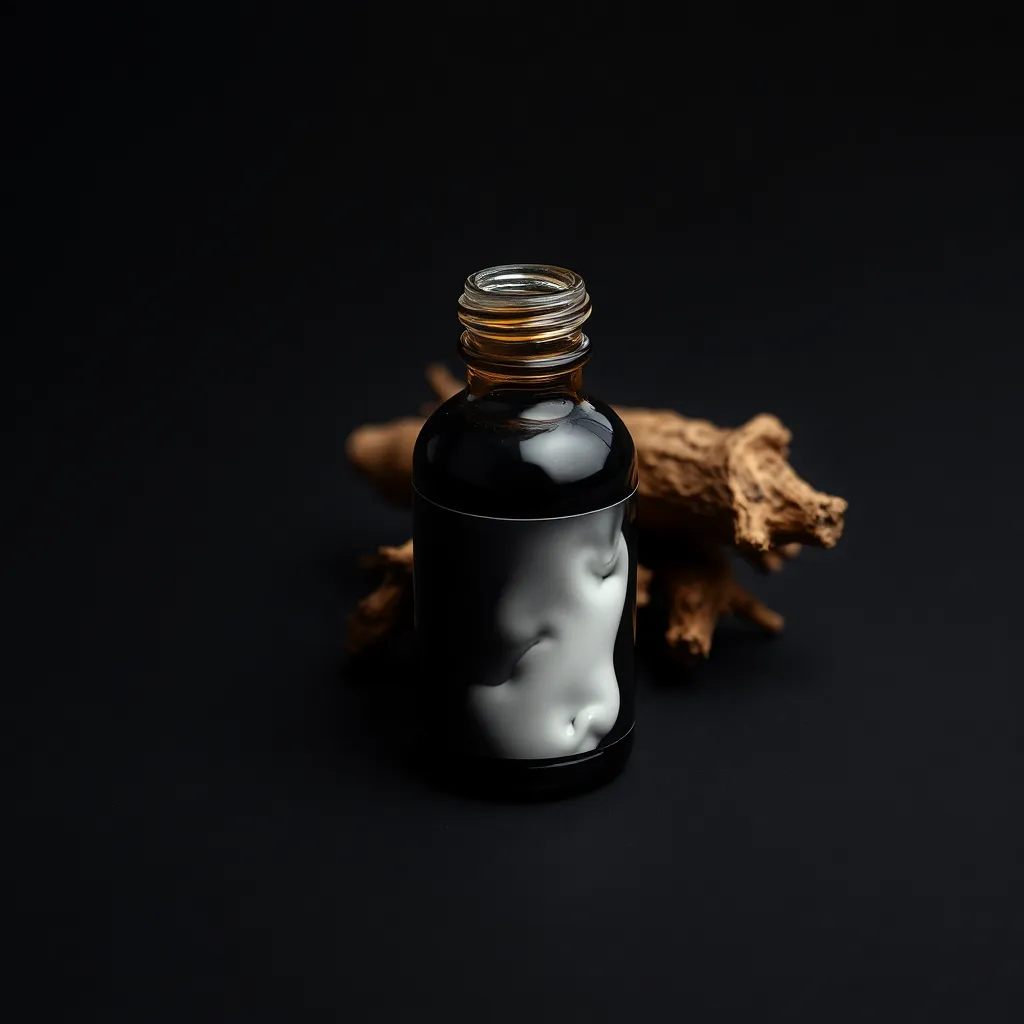
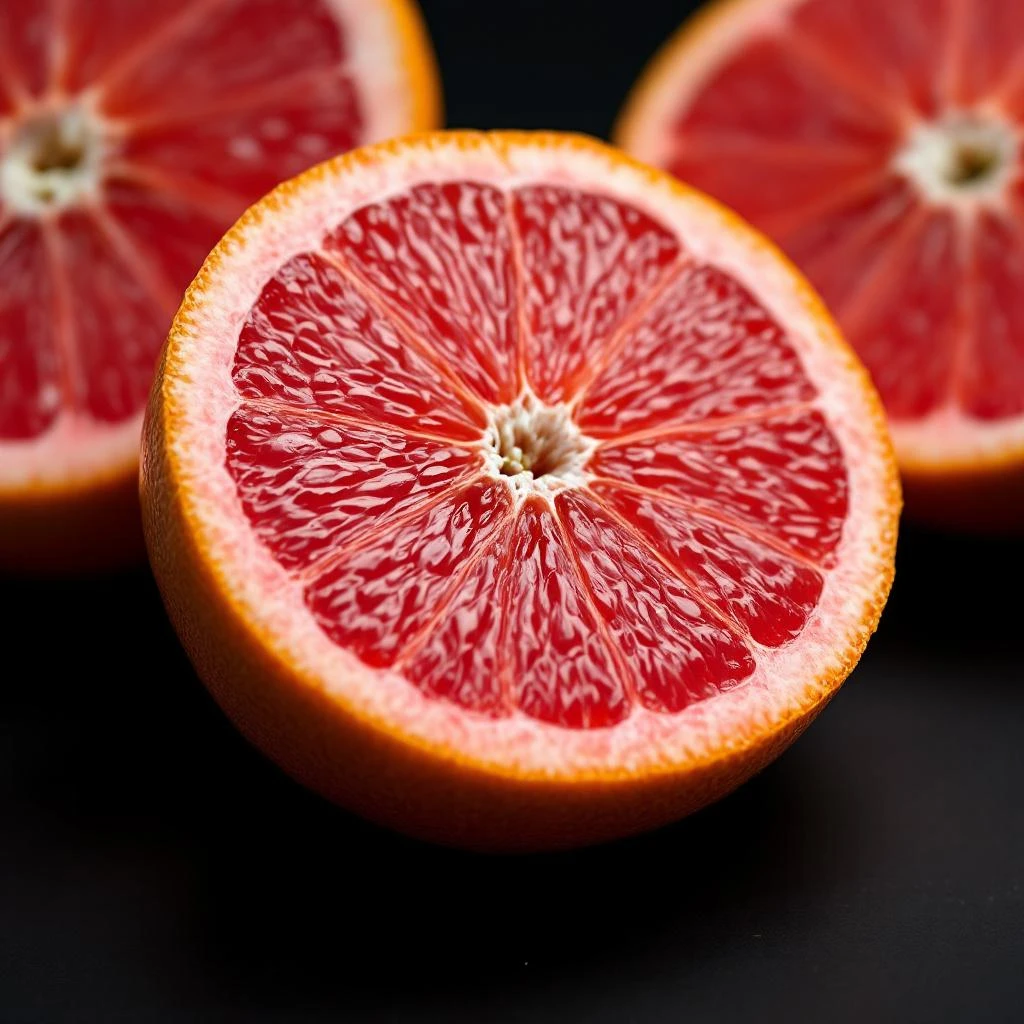
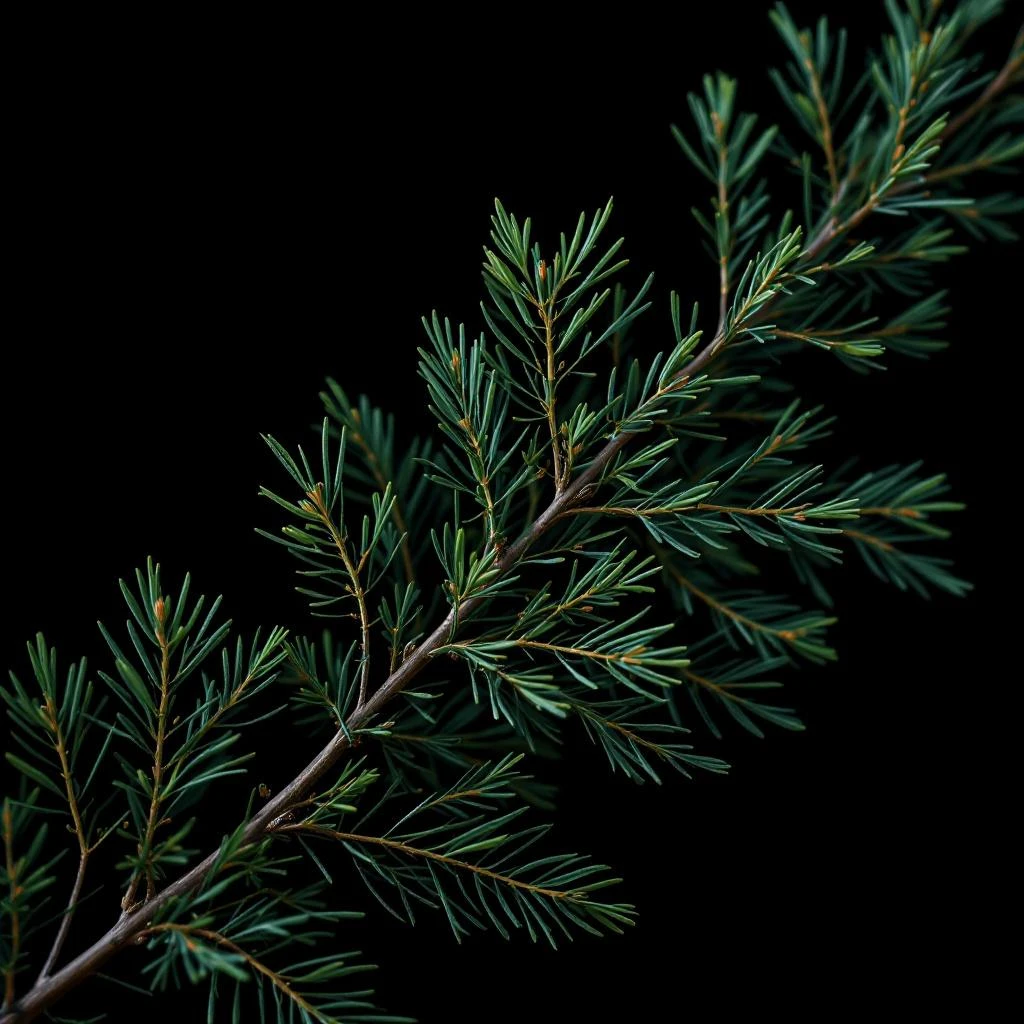
A paradoxical accord where the tart, verdant snap of rhubarb meets the earthy, slightly bitter warmth of tea. Neither ingredient behaves as expected in a perfumer's organ: rhubarb exists only as a synthetic reconstruction, while tea brings genuine botanical extraction to the blend. The result is a study in contrasts, a Green-Chez-Wrinkled-Fruit note that feels simultaneously fresh and familiar, like biting into a stalk after steeping a pot.
Character
How it smells
Tart meets bitter. Synthetic meets extracted.
Rhubarb cannot be extracted for fragrance purposes. Every rhubarb note in every perfume you've ever smelled is a synthetic reconstruction built from aroma chemicals, primarily damascenone derivatives.


Origin
China
Rhubarb has been cultivated in China for over 4,000 years, primarily for medicinal use. Ancient Chinese physicians used rhubarb root (Rheum palmatum) as a purgative, and the plant held such medical importance that it was traded along the Silk Road. Tea, too, originated in China around 2737 BCE according to legend, and became central to Chinese culture, medicine, and commerce.
Both plants traveled westward along trade routes, arriving in European perfumery through different timelines. Rhubarb's culinary use in pies and tarts became popular in 18th-century Britain, but its synthetic fragrance use only emerged in the late 20th century as aroma chemical synthesis advanced. Tea, meanwhile, influenced Western perfumery after colonial trade routes opened in the 17th century, with the first tea-based perfumes appearing in Victorian England.
The rhubarb tea accord represents a modern creative choice, blending eastern botanical history with western synthetic perfumery technology. It speaks to globalization in fragrance creation, where ancient Chinese plants meet laboratory reconstruction in a single olfactive concept.
Wears it best
Fragrances featuring Rhubarb Tea
Brands
Brands known for Rhubarb Tea
Good to know
Questions, answered
The essentials on Rhubarb Tea in perfumery: how it smells, where it comes from, and how it behaves on skin.
Is rhubarb tea a natural fragrance ingredient?
No. Rhubarb cannot be extracted for fragrance, so its note is entirely synthetic, built from aroma chemicals like damascenone. Tea components are natural, but the rhubarb portion is lab-created. This hybrid nature is common in modern perfumery.
What does rhubarb tea smell like?
It opens with sharp, tart-green freshness reminiscent of biting a raw rhubarb stalk, followed by dry, slightly bitter tea tannins. The combination is refreshing, vegetal, and slightly sour, with none of the sweetness found in berry fragrances.
When did perfumers first use rhubarb in fragrance?
Rhubarb's synthetic aroma chemicals became commercially available in the 1970s-1980s, enabling perfumers to use the note. Tea has been used since the 17th century. The specific rhubarb tea combination emerged as a trend in the 2000s as green and herbal accords gained popularity.
What aroma chemicals create the rhubarb note?
The primary compound is damascenone (beta-damascenone), often combined with camphor and various ionones to replicate rhubarb's tart, green, slightly fruity stalk character. These chemicals are synthesized from petroleum-derived precursors.
Can I use rhubarb tea fragrance if I have skin sensitivities?
Rhubarb synthetic materials are generally considered low-sensitization. Tea extracts are well-tolerated. However, individual reactions vary. The International Fragrance Association monitors these materials for safe concentration levels in finished products.
What fragrance families pair well with rhubarb tea?
It integrates naturally with green, aromatic, and chypre families. Works alongside citrus, herbs (basil, mint), and woody notes (cedar, vetiver). Often found in modern unisex fragrances seeking a fresh, slightly bitter profile.
Is the tea in this note caffeinated?
No. Tea extracts used in perfumery capture aromatic compounds, not caffeine or other water-soluble stimulants. The extraction process isolates volatile aroma molecules, leaving caffeine behind in the plant material.
Why is rhubarb synthetic while tea is natural in this accord?
Rhubarb's aromatic compounds are bound in a matrix that degrades during extraction attempts, making natural extraction impossible. Tea's volatile compounds survive steam distillation and solvent extraction, allowing natural fragrance use. This technical difference shapes modern perfumery's approach to both ingredients.