Red Leather
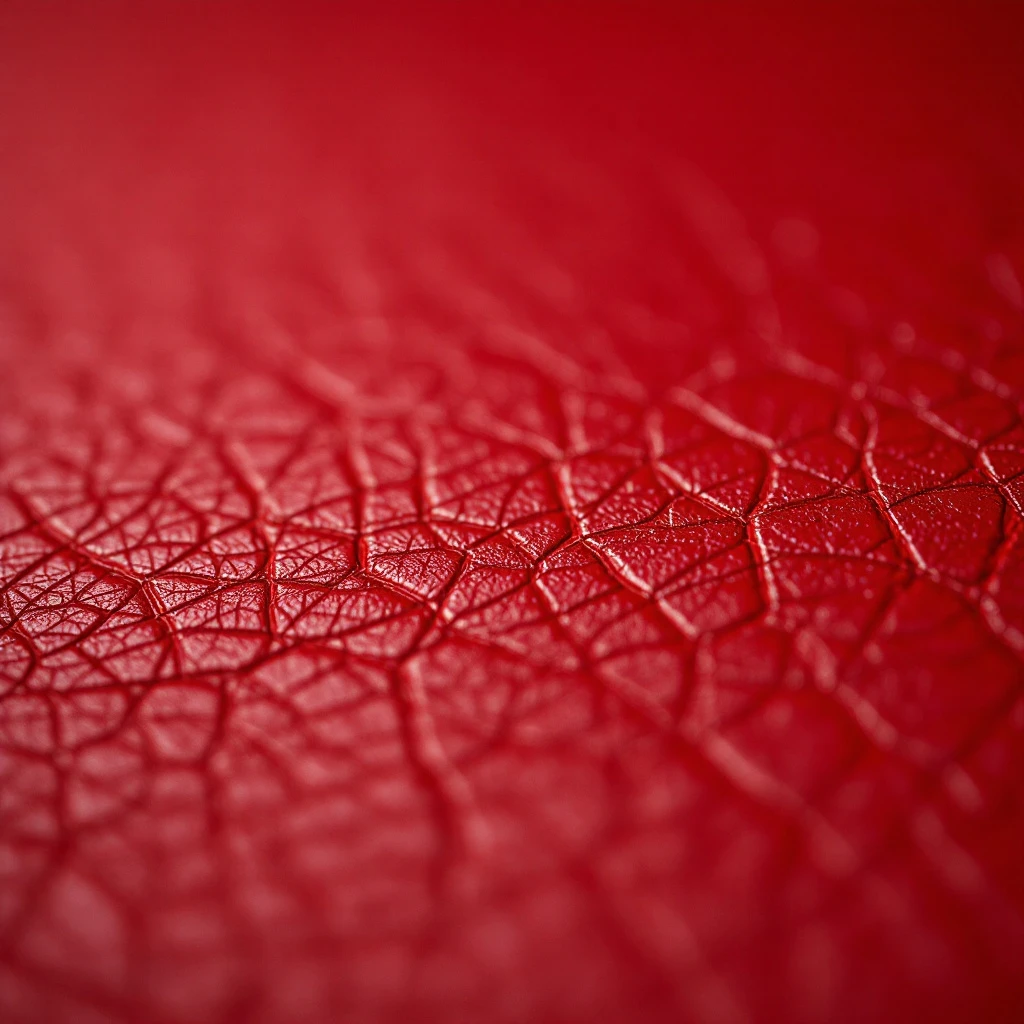
A warm accord of dyed hide, smoked wood and faint sweetness that conjures a saddle maker's workshop at dusk. Red Leather captures the moment raw hide transforms into something precious.
Character
How it smells
Warm, sensual, and quietly powerful.
The original leather note in perfume came from actual tanners who perfumed their workspaces to mask the harsh smell of curing hide.









Origin
France
Leather entered perfumery by accident. Medieval tanners worked in enclosed spaces, curing hides with birch bark smoke and tree tannins. Their clothing and skin absorbed these strong smells, so perfumers began blending these smoky, animalic notes into their compositions to capture the effect.
By the 1700s, 'cuir' perfumes appeared in France and Spain as luxury goods for the aristocracy. The note matured through the 19th century when synthetic chemistry gave perfumers new tools. They could now build leather accords from scratch, removing dependence on actual tanned goods.
The 'red' in Red Leather likely references the traditional use of red Dyer's oak gall or red sandalwood to color leather goods, adding a warm, reddish-brown connotation to the smell. Today, leather remains one of perfumery's most complex notes, requiring skilled blending of natural and synthetic materials.
Wears it best
Fragrances featuring Red Leather


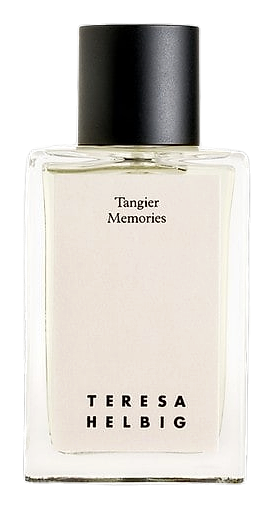
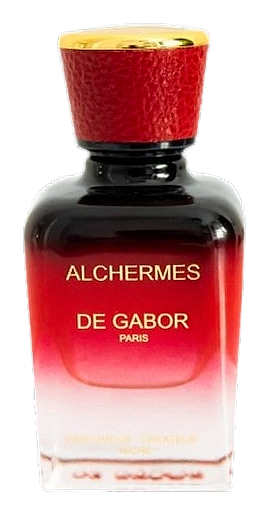
Brands
Brands known for Red Leather
Good to know
Questions, answered
The essentials on Red Leather in perfumery: how it smells, where it comes from, and how it behaves on skin.
What does Red Leather smell like?
Red Leather smells like warm, dyed hide with smoky undertones. It combines the sweetness of resin with the dry quality of smoked wood, often with a faint animalic richness that makes it feel sensual rather than harsh.
Is Red Leather made from actual leather?
No, Red Leather is a reconstructed accord. Perfumers blend birch tar, styrax resin, castoreum, and synthetic molecules to create a leather smell without using animal hide.
When did leather notes first appear in perfume?
Leather notes appeared in the 1700s when French and Spanish perfumers tried to capture the smell of tanners' workshops. These early leather perfumes used actual materials from tanning, unlike modern synthetic recreations.
What gives Red Leather its smoky quality?
Birch tar is the primary source of Red Leather's smoky character. This material comes from the dry distillation of birch wood and has been used in leather tanning for centuries. Perfumers also use synthetic molecules to enhance the effect.
Why is it called 'Red' Leather?
The 'red' likely references traditional leather dyeing methods. Historically, tanners used red oak galls and red sandalwood to color leather goods, creating warm reddish-brown tones that influenced how we name leather scents.
Is Red Leather considered a masculine or feminine note?
Red Leather reads as gender-neutral in modern perfumery. While traditional leather fragrances skewed masculine, contemporary use often appears in gender-agnostic compositions where warmth and sensuality matter more than gender coding.
What fragrance families commonly use Red Leather?
Red Leather appears most often in woody, aromatic, and chypre fragrances. It works particularly well in base notes where its warmth can anchor brighter top notes and provide lasting dry down.
Can I find natural Red Leather ingredients?
Natural leather-smelling ingredients include birch tar, styrax resin, and castoreum. However, true leather accords always require synthetic components because no single natural material fully captures the complex smell of cured hide.