Raspberry Water
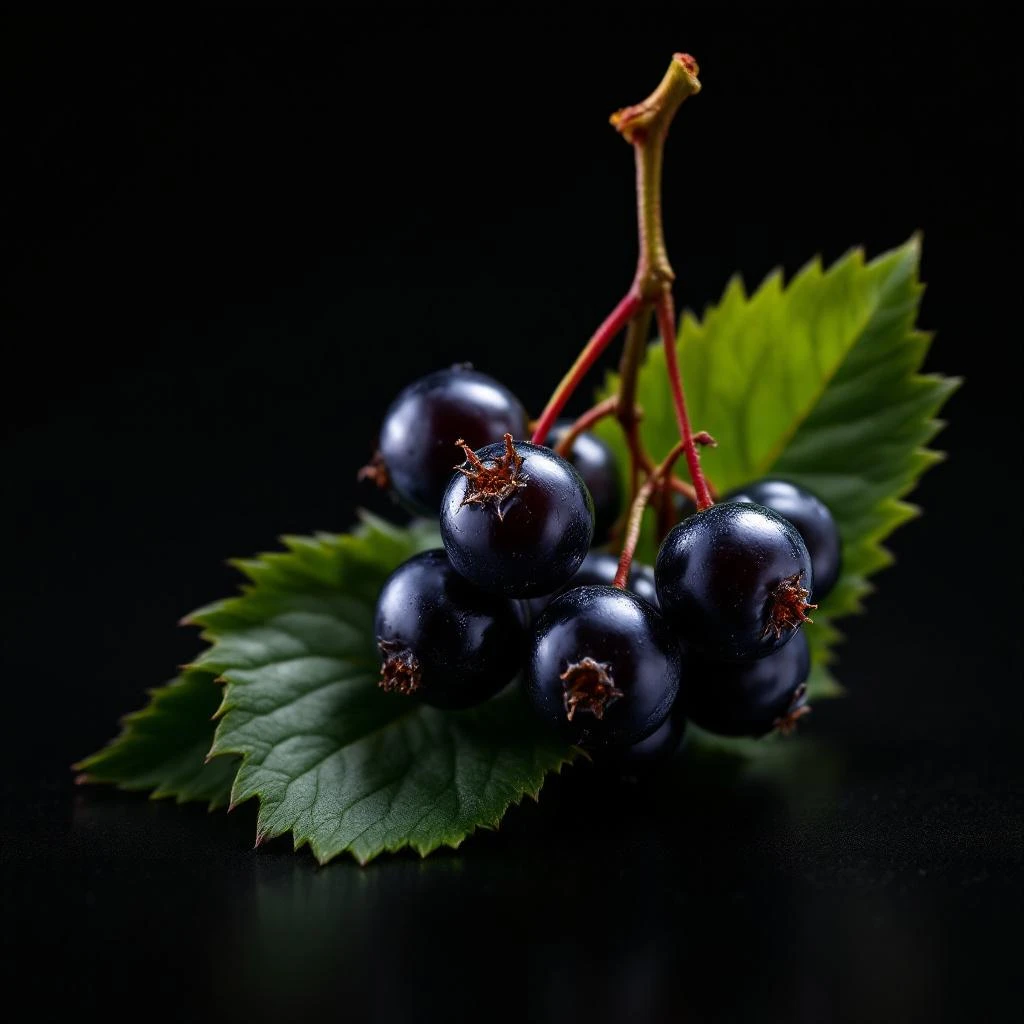
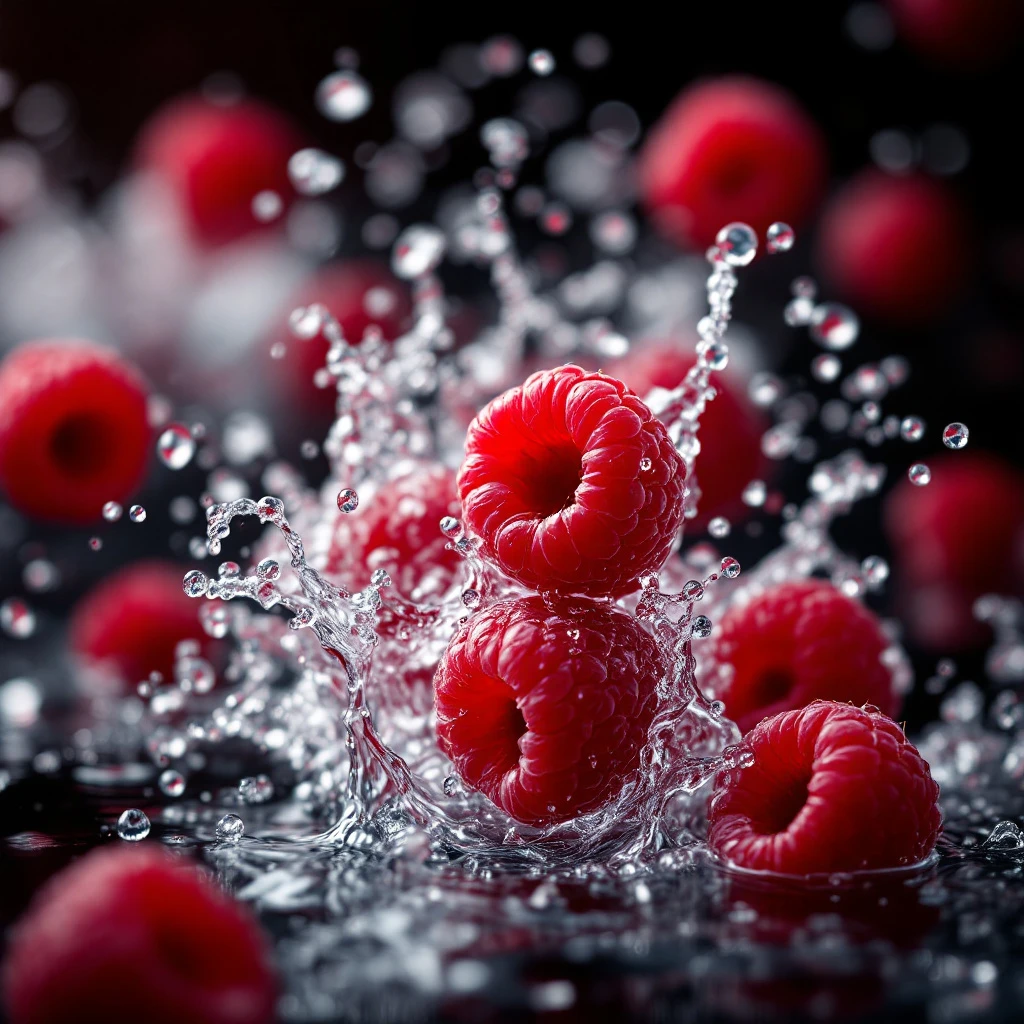
Raspberry Water captures the bright, tangy soul of fresh raspberries in aromatic form. Unlike synthetic berry accords, this material offers a delicate floral-green dimension that grounds fruity fragrances with unexpected complexity and nuance.
Character
How it smells
Fresh berries captured in aromatic water.
Natural raspberry contains over 300 volatile compounds, yet its distinctive scent is largely replicated synthetically due to the fruit's extremely low oil yield during extraction.

Origin
China
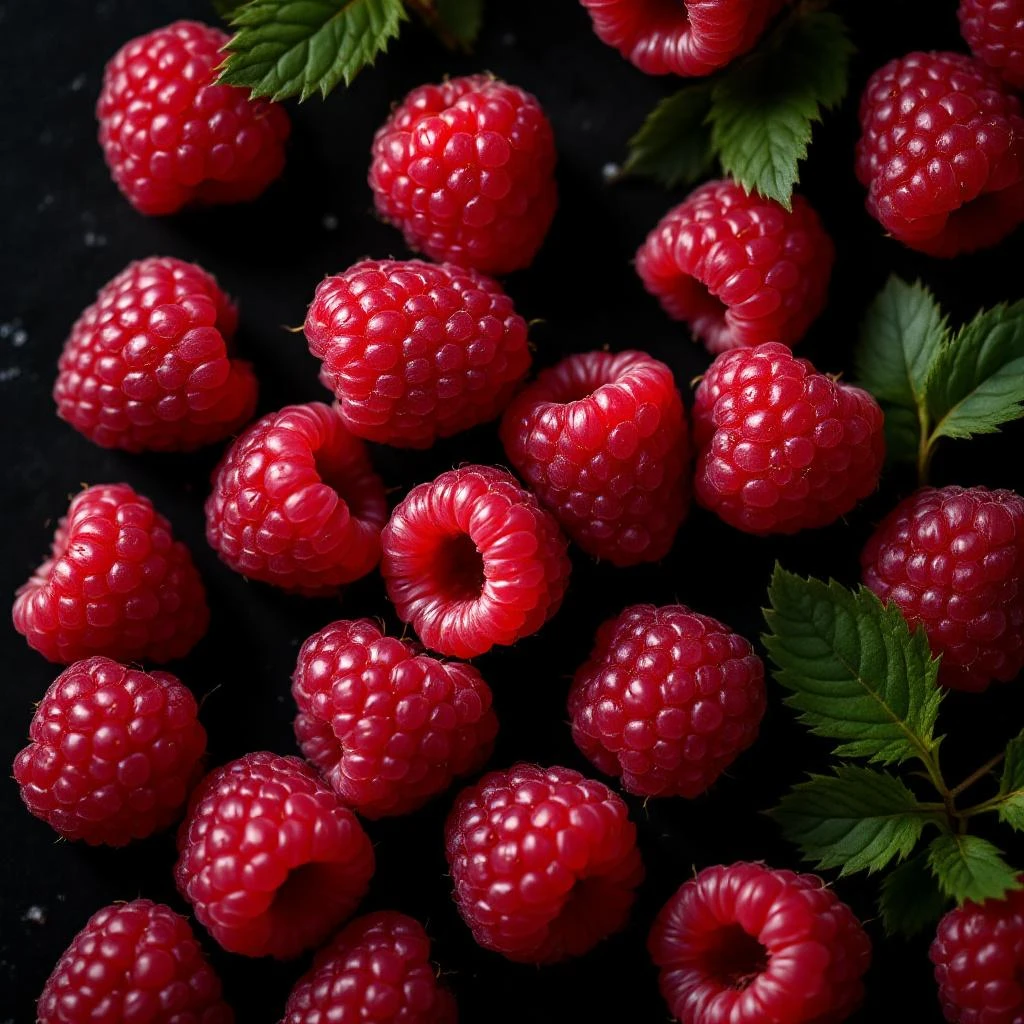
Raspberry cultivation began in Eastern Asia, where wild raspberries grew across forest clearings for thousands of years before human intervention. Ancient Greek and Roman texts mention wild raspberries as medicinal plants rather than aromatic ingredients.
By the 17th century, European botanists began systematic cultivation of raspberries in monastery gardens and aristocratic estates across England, France, and Russia, developing varieties prized for flavor rather than fragrance. Aromatic applications emerged much later, coinciding with the development of hydrodistillation techniques in the 19th century.
Today, Poland, Mexico, and the United States represent major cultivation regions, though the aromatic water remains a niche product compared to synthetic raspberry accord, which dominates modern perfumery. The ingredient's rarity stems from the fruit's biological constraints: raspberries do not produce oil in quantities that justify commercial pressing, leaving distillation as the sole natural extraction route.
Wears it best
Fragrances featuring Raspberry Water

Brands
Brands known for Raspberry Water
Good to know
Questions, answered
The essentials on Raspberry Water in perfumery: how it smells, where it comes from, and how it behaves on skin.
Is Raspberry Water a natural or synthetic ingredient?
Raspberry Water is a natural aromatic hydrosol obtained through steam distillation of fresh raspberries. Its profile differs from synthetic raspberry accord, which uses lab-created ester compounds to replicate the scent.
What does Raspberry Water smell like?
Raspberry Water carries a bright, tart-fruity character with subtle green and floral undertones. It lacks the sweetness of synthetic raspberry and instead reads as fresh and slightly sour.
Why is natural raspberry rarely used in perfumery?
Raspberry fruit yields extremely low quantities of aromatic material, making natural extraction commercially impractical for most fragrance houses. This is why synthetic raspberry accord dominates fruity fragrance categories.
Can Raspberry Water be used in cosmetics?
Yes. Raspberry hydrosol is used in natural cosmetics and skincare for its aromatic properties and antioxidant content. It appears in facial mists, toners, and natural fragrance formulations.
What extraction method produces Raspberry Water?
Steam distillation or hydrodistillation generates Raspberry Water. Steam passes through fresh berries, carrying volatile compounds into a condensing system where aromatic water separates from any minor oil fractions.
How does synthetic raspberry differ from the natural hydrosol?
Synthetic raspberry accord builds from esters like hexyl acetate and ethyl hexanoate along with aldehydes to create a consistent, potent fruity scent. Natural Raspberry Water is subtler and includes green, floral dimensions absent in synthetics.
Where do raspberries used for aromatic production grow?
Major production regions include Poland, Mexico, and the United States, with origins traced to Eastern Asia. Wild raspberries still grow naturally across China, Japan, and surrounding areas.
What role does Raspberry Water play in fragrance composition?
Raspberry Water functions as a top or heart note in fruity and fresh fragrance compositions. Its bright character adds natural authenticity to berry, floral, and green fragrance families.