New Guinean oud
New Guinean oud captures the untamed essence of Papua New Guinea's rainforest heartwood. Extracted from Aquilaria trees infected by natural fungi, this rare resin develops a complex profile that has drawn collectors and perfumers for generations.
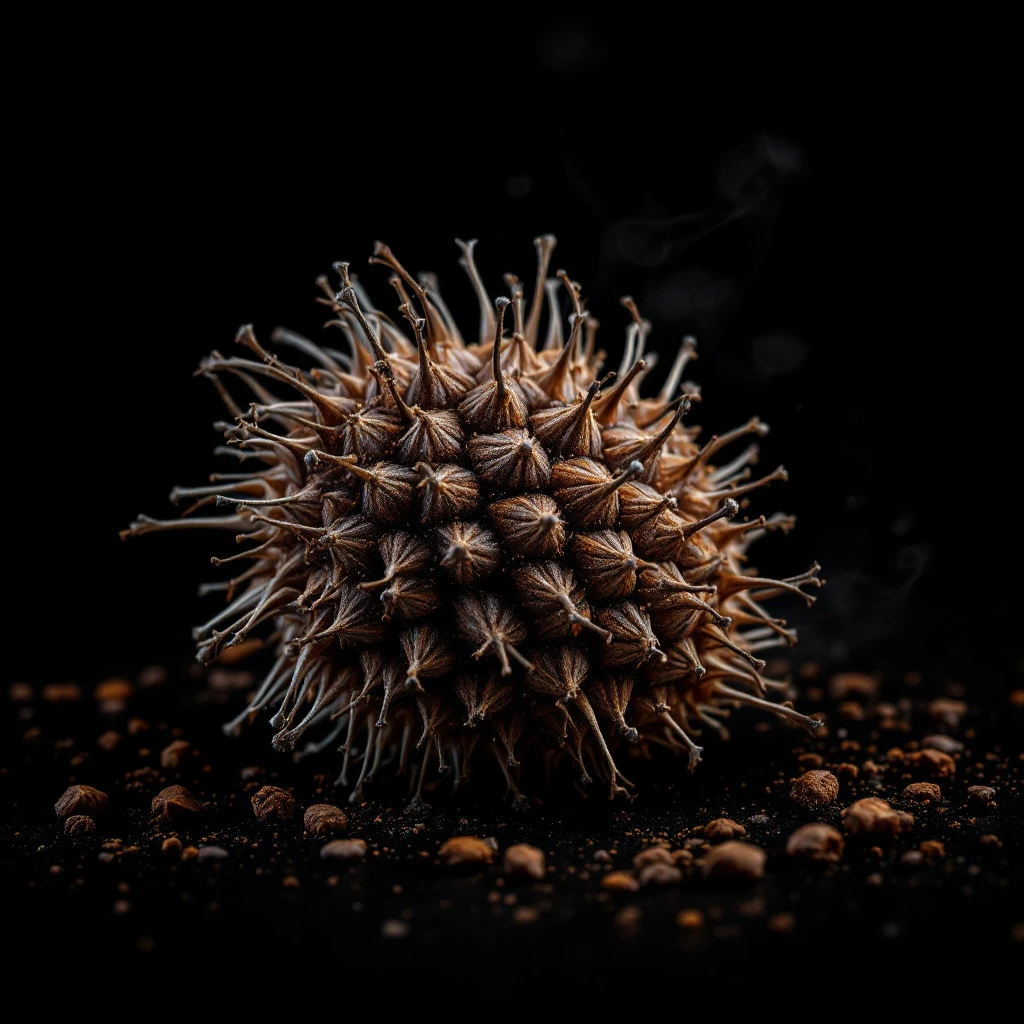
Character
How it smells
Rainforest resin transformed by nature's own alchemy.
Only one in ten Aquilaria trees in the wild develops oud resin, making each harvest a rare event.


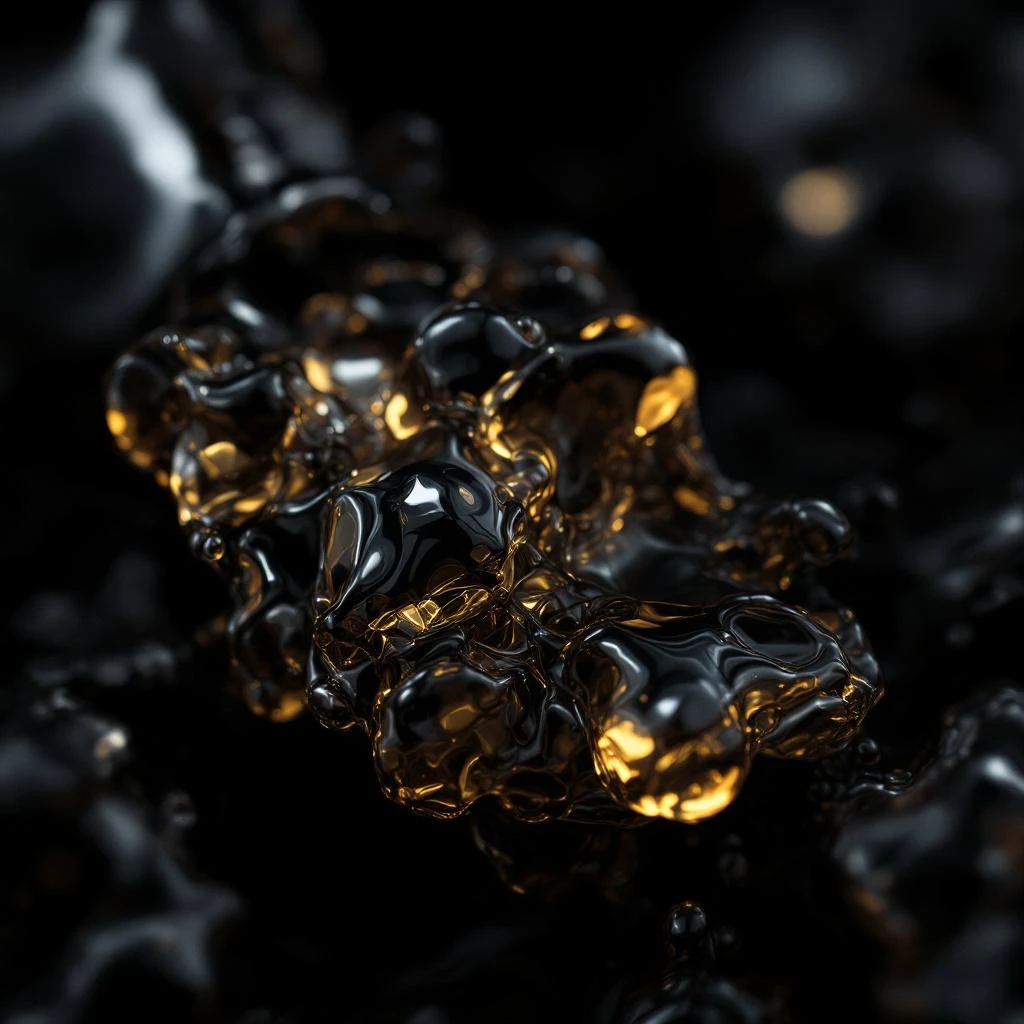
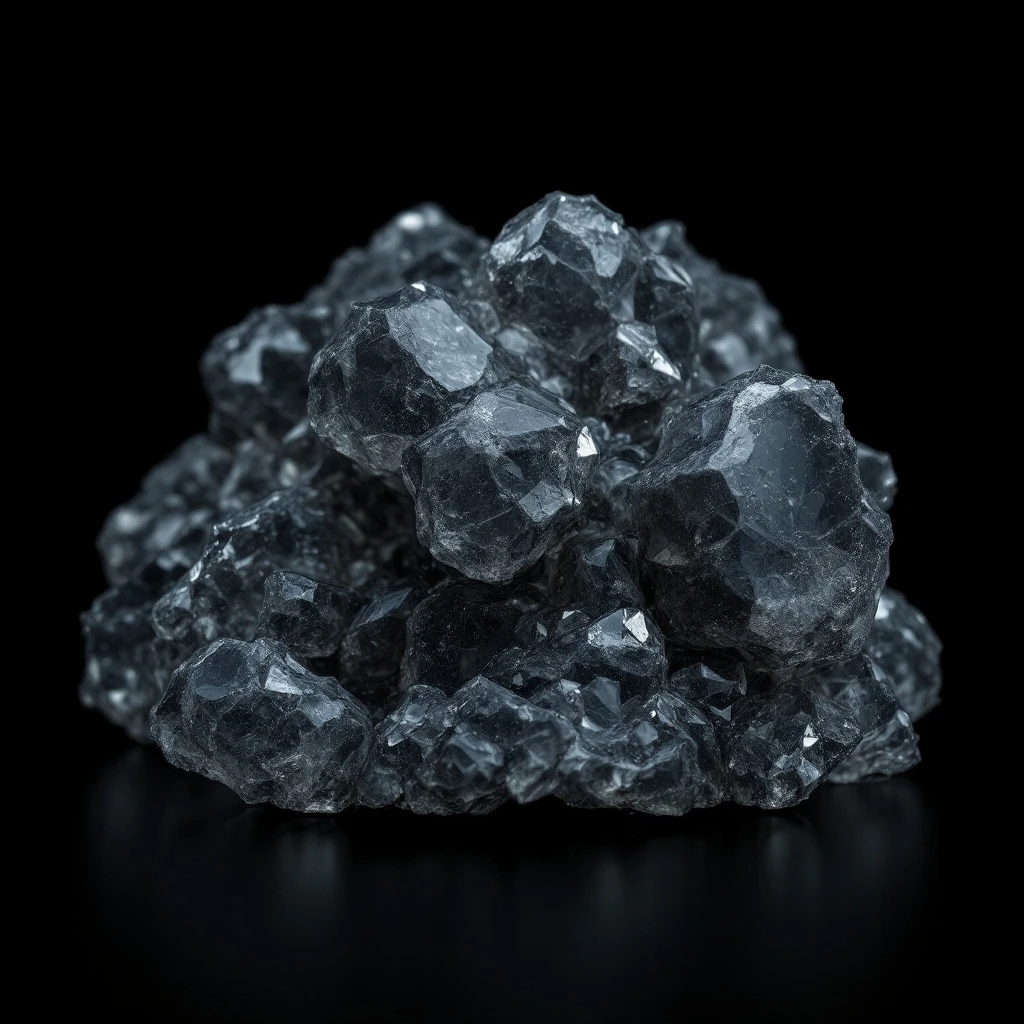





Origin
Papua New Guinea
For millennia, the indigenous peoples of Papua New Guinea burned agarwood chips during ceremonial gatherings, believing the rising smoke carried prayers to ancestral spirits. Arab traders reached PNG coastal communities around the 13th century, trading for the prized resin alongside spices and bird-of-paradise plumes. The Malay term "gaharu" eventually merged with local names, creating the regional vocabulary for oud.
Colonial-era botanical surveys first documented Aquilaria species across the island's interior during the 1880s, though commercial extraction remained limited until the mid-20th century. Today, PNG remains one of fewer than ten nations producing commercially viable oud, with harvesters operating under strictCITES permits to prevent overharvesting of wild populations.
Wears it best
Fragrances featuring New Guinean oud

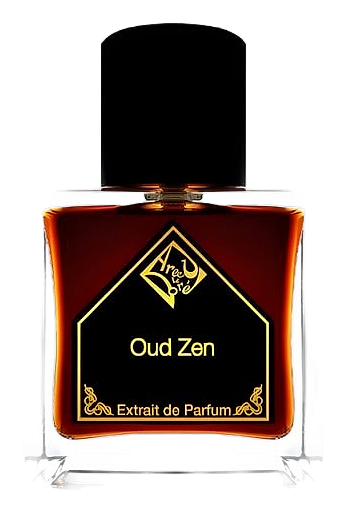
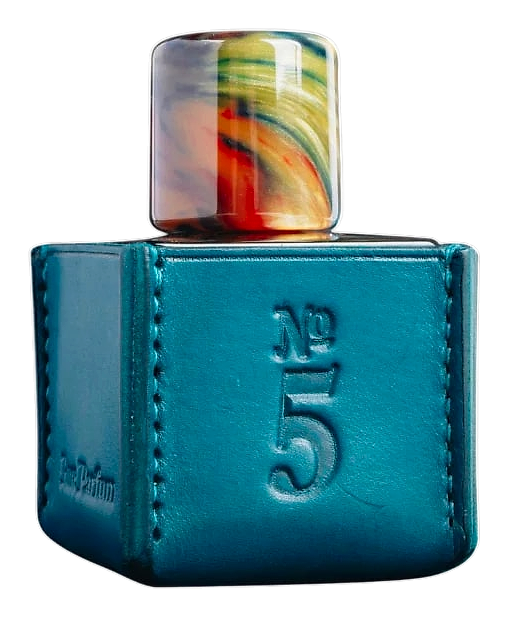
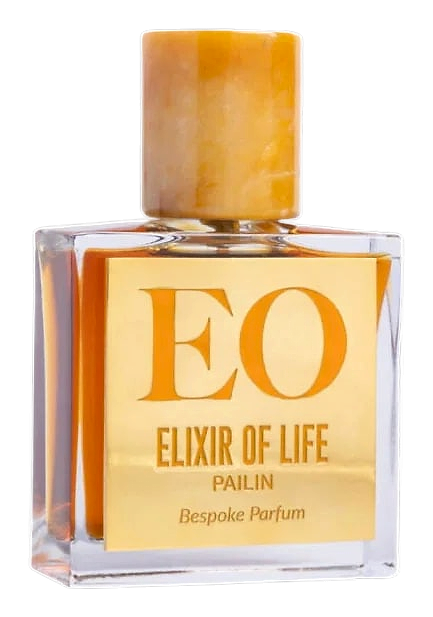

Brands
Brands known for New Guinean oud
Good to know
Questions, answered
The essentials on New Guinean oud in perfumery: how it smells, where it comes from, and how it behaves on skin.
What makes New Guinean oud distinct from Southeast Asian ouds?
New Guinean oud develops a uniquely animalic, almost leathery quality due to PNG's equatorial rainforest conditions. The volcanic soils and consistent humidity create oud oil with deeper balsamic undertones compared to Thai or Indian varieties.
Why is oud so expensive?
Oud ranks among the costliest natural ingredients in perfumery because only 5-10% of wild Aquilaria trees naturally produce usable resin, and each tree requires 20-30 years to develop sufficient infection.
Does steam distillation affect the scent quality?
Steam distillation preserves oud's complex molecular structure better than solvent extraction. The low-temperature process captures delicate compounds that give New Guinean oud its characteristic smoky-woody depth.
Can synthetic oud replicate natural New Guinean oud?
Synthetic alternatives exist but lack naturals' molecular complexity. Natural oud contains over 140 identified compounds; synthetics typically replicate only 2-3 key aromachemicals, producing a flattened impression.
What fragrance families pair well with New Guinean oud?
New Guinean oud works as a powerful base note in oriental and woody compositions. It blends naturally with ambery materials, leather accords, and floral absolutes like jasmine or rose for added complexity.
Is PNG oud harvested sustainably?
Responsible producers now employ selective harvesting methods, permitting only partial extraction to allow tree recovery. Certified sustainable oud commands premium pricing, reflecting the increased labor and patience required.
How should I store New Guinean oud oil?
Store oud oil in airtight dark glass containers away from direct sunlight and temperature fluctuations. Properly stored, the oil develops further complexity over years with negligible degradation.
What harvest season produces the highest quality PNG oud?
The dry season months of May through October yield superior oud in Papua New Guinea, when reduced moisture in the heartwood produces more concentrated resin with richer aromatic compounds.