Raspberry Bush
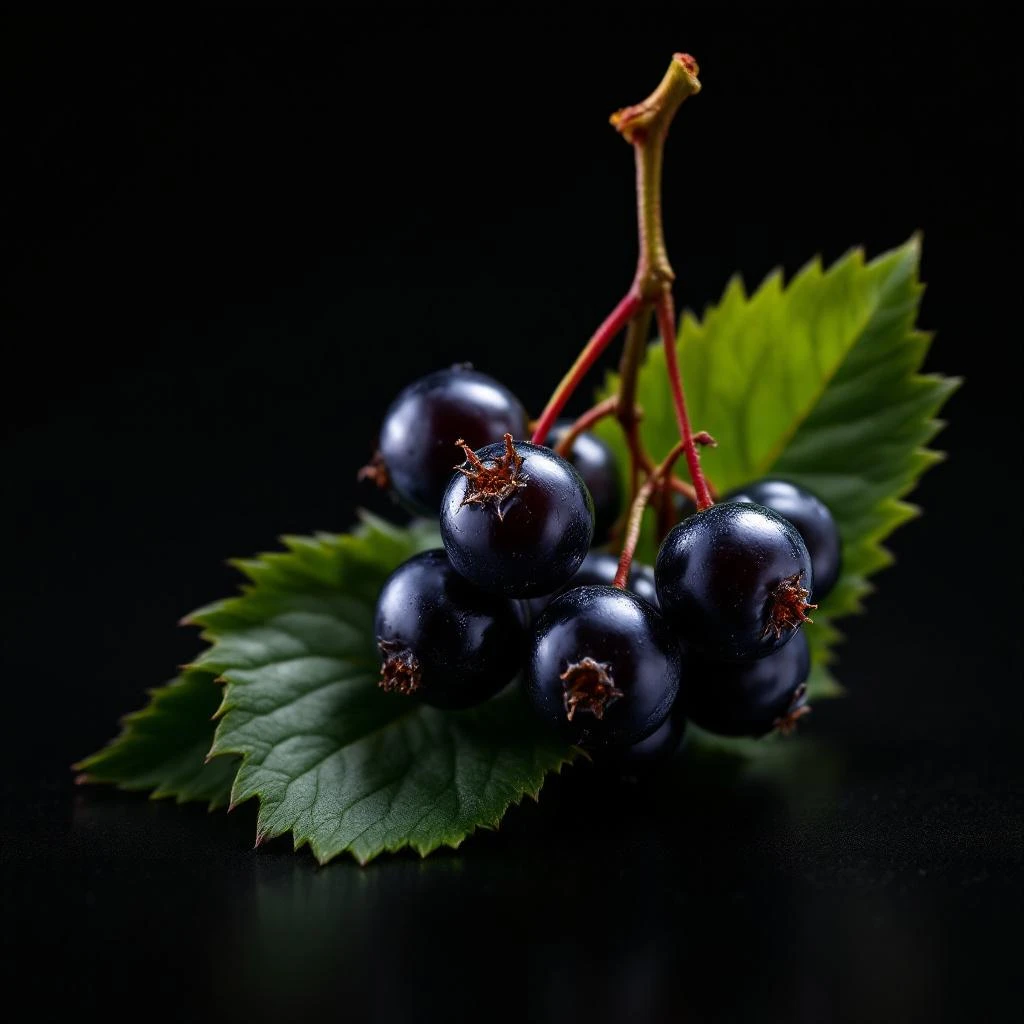
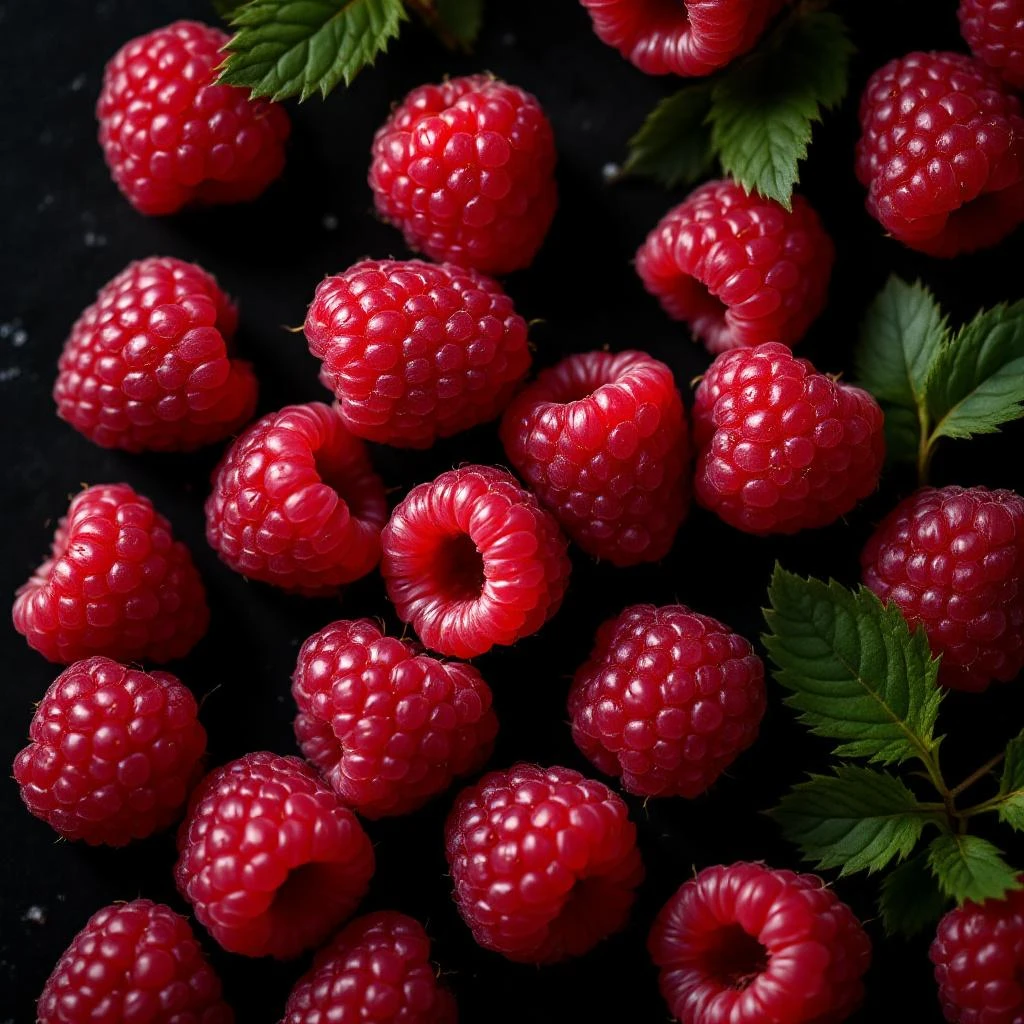
The Raspberry Bush brings a bright, tangy sweetness to perfumery that few ingredients can replicate. While true raspberry absolute remains a rarity, the compound recreates that signature burst of sun-ripened berry with surprising accuracy.
Character
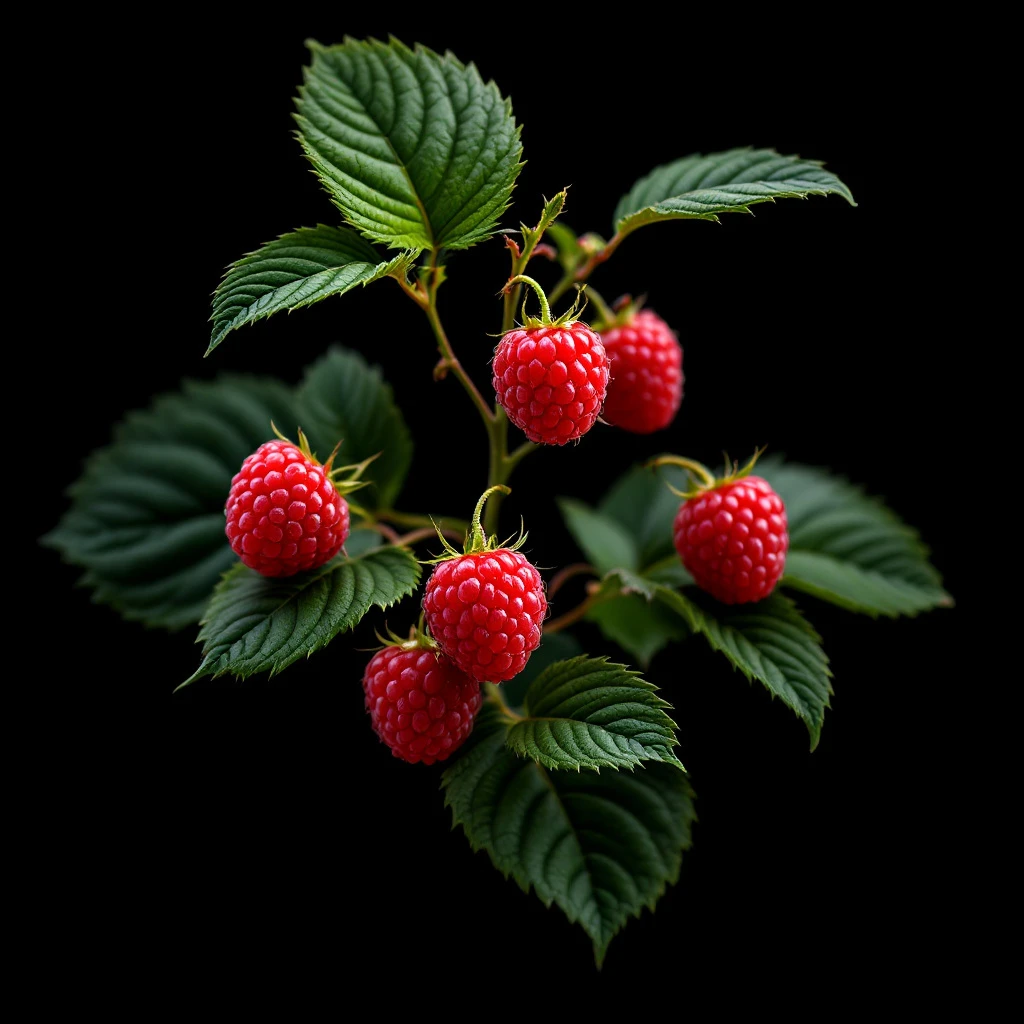
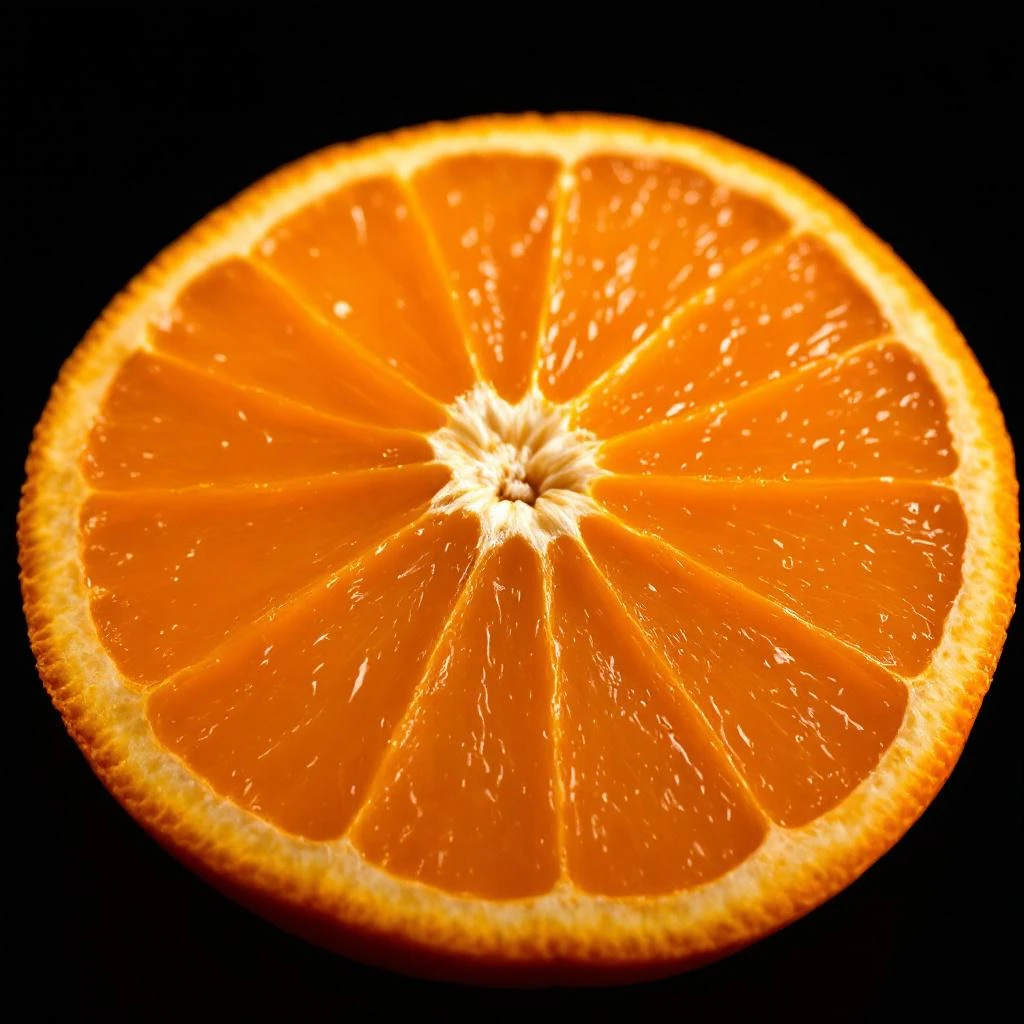
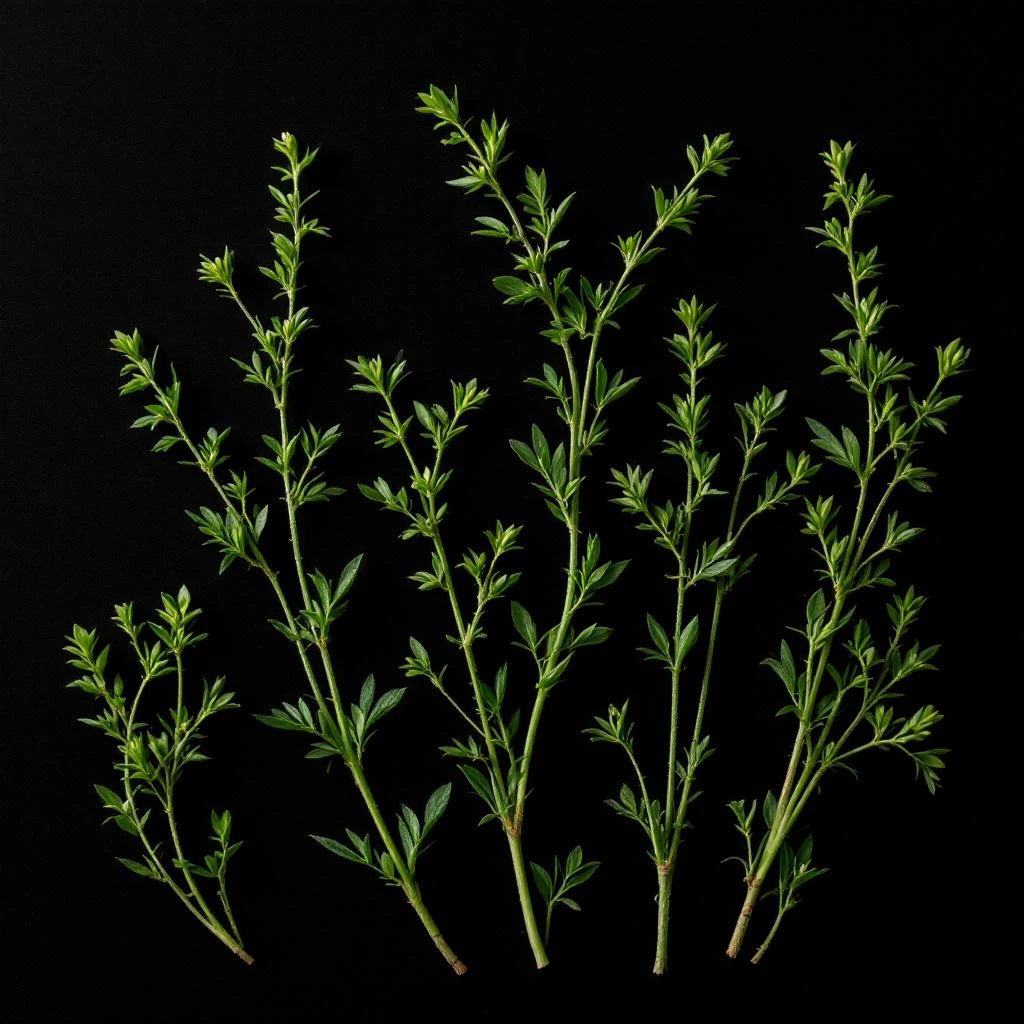
How it smells
Bright berry brightness, captured in a bottle.
It takes roughly 400 kilograms of raspberries to produce just 1 kilogram of absolute, making natural raspberry extract one of the costliest materials in perfumery.




Origin
Poland
Raspberries have held cultural significance across Europe and the Americas for centuries, appearing in folk remedies, culinary traditions, and decorative arts. In perfumery, their use traces back to the late 19th century when chemists began isolating the ester compounds responsible for their distinctive aroma.
Before synthetic chemistry advanced, perfumers occasionally used raspberry vinegar or infused preparations in subtle applications. The scientific naming of Rubus idaeus connects the berry to ancient Roman history, reportedly named after the Ida mountain region in Crete where wild raspberries grew.
Modern perfumery adopted raspberry notes as synthetic chemistry expanded in the 1950s and 1960s, creating the bright, playful interpretations that became staples in fruity chypres and aldehydic florals. Today, raspberry bush extracts and synthetic recreations appear across all fragrance families, from casual daytime scents to luxury formulations.
Wears it best
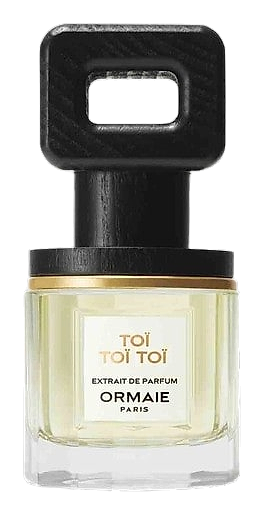
Fragrances featuring Raspberry Bush
Brands
Brands known for Raspberry Bush
Good to know
Questions, answered
The essentials on Raspberry Bush in perfumery: how it smells, where it comes from, and how it behaves on skin.
Is raspberry in perfume natural or synthetic?
Most raspberry notes in perfumery are synthetic. Natural raspberry absolute exists but costs prohibitively, so perfumers use ester-based reconstructions like hexyl acetate to replicate the scent accurately.
What does raspberry smell like in perfume?
Raspberry in perfume smells bright, tangy, and jammy with a slightly tart edge. It reads as fresh and fruity without being cloying, often carrying green undertones from leaf extracts.
Can you extract fragrance from actual raspberries?
Yes, solvent extraction of raspberry fruit or plant material produces an absolute, but yield is extremely low. Around 400 kilograms of fruit yield just 1 kilogram of absolute, making it commercially impractical for most applications.
What chemical compounds create raspberry scent?
Raspberry scent comes from ester compounds, primarily hexyl acetate and ethyl hexanoate, combined with berry aldehydes. These synthetic bases mimic the natural fruity, slightly tart character of the fruit.
What fragrance families use raspberry notes?
Raspberry appears across fruity florals, chypres, and bright orientals. It pairs well with rose, vanilla, and woody bases, adding playful brightness to compositions across all price segments.
Does raspberry note have any wellness associations?
In aromatherapy traditions, raspberry leaf carries associations with comfort and warmth. Fragrance applications rarely capture these properties, focusing instead on the fruit's fresh, uplifting character.
How long has raspberry been used in perfumery?
Raspberry entered perfumery in the late 19th century with early synthetic chemistry. Widespread adoption came mid-20th century as ester reconstruction techniques improved and fruity chypres gained popularity.
Is raspberry bush the same as other berry notes in perfume?
Raspberry bush specifically refers to the plant material, while raspberry note often means the synthetic fruit reconstruction. The plant extract adds greener, more herbaceous dimensions compared to pure fruit compounds.