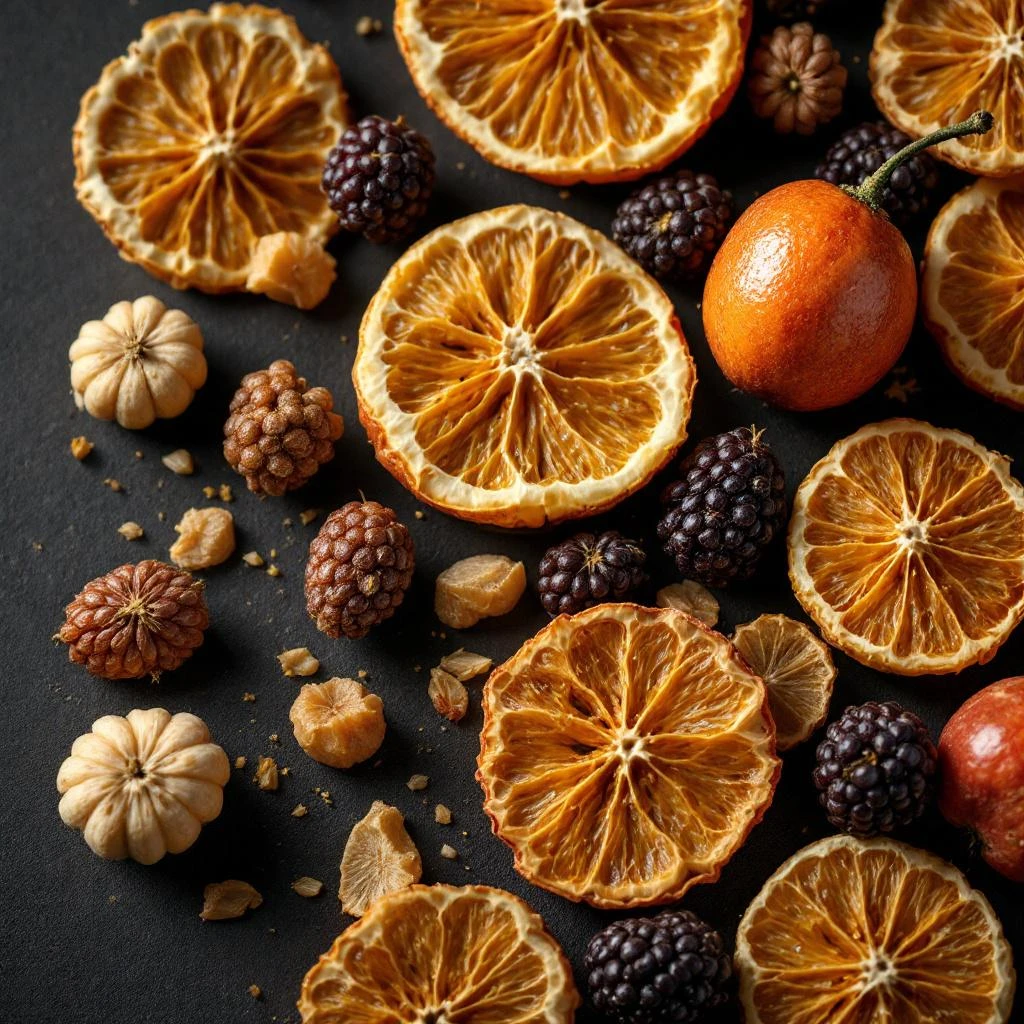
Rangpur
Rangpur brings a tart, bright citrus punch to perfumery. This South Asian citrus hybrid delivers a sharp, almost electric freshness that cuts through compositions with unusual intensity.
Character
How it smells
Bold South Asian citrus with an electric edge
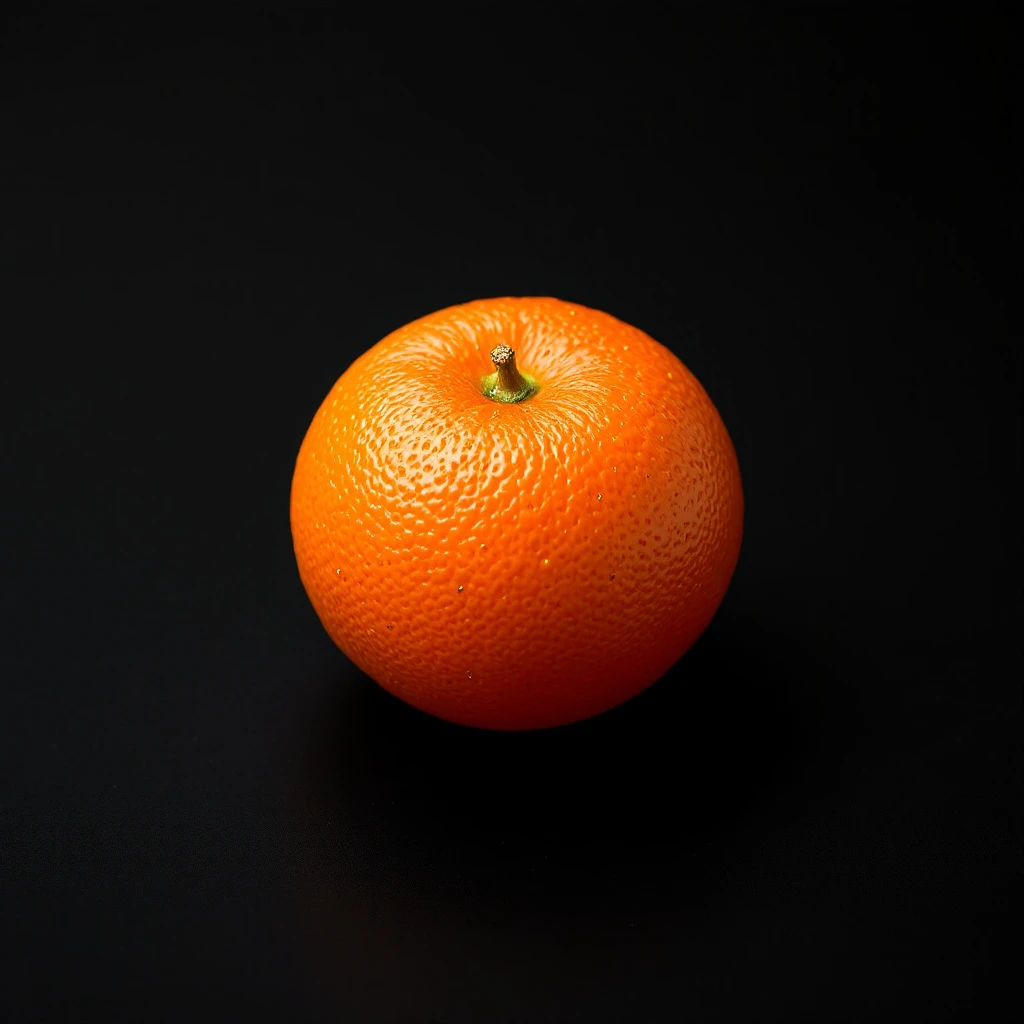
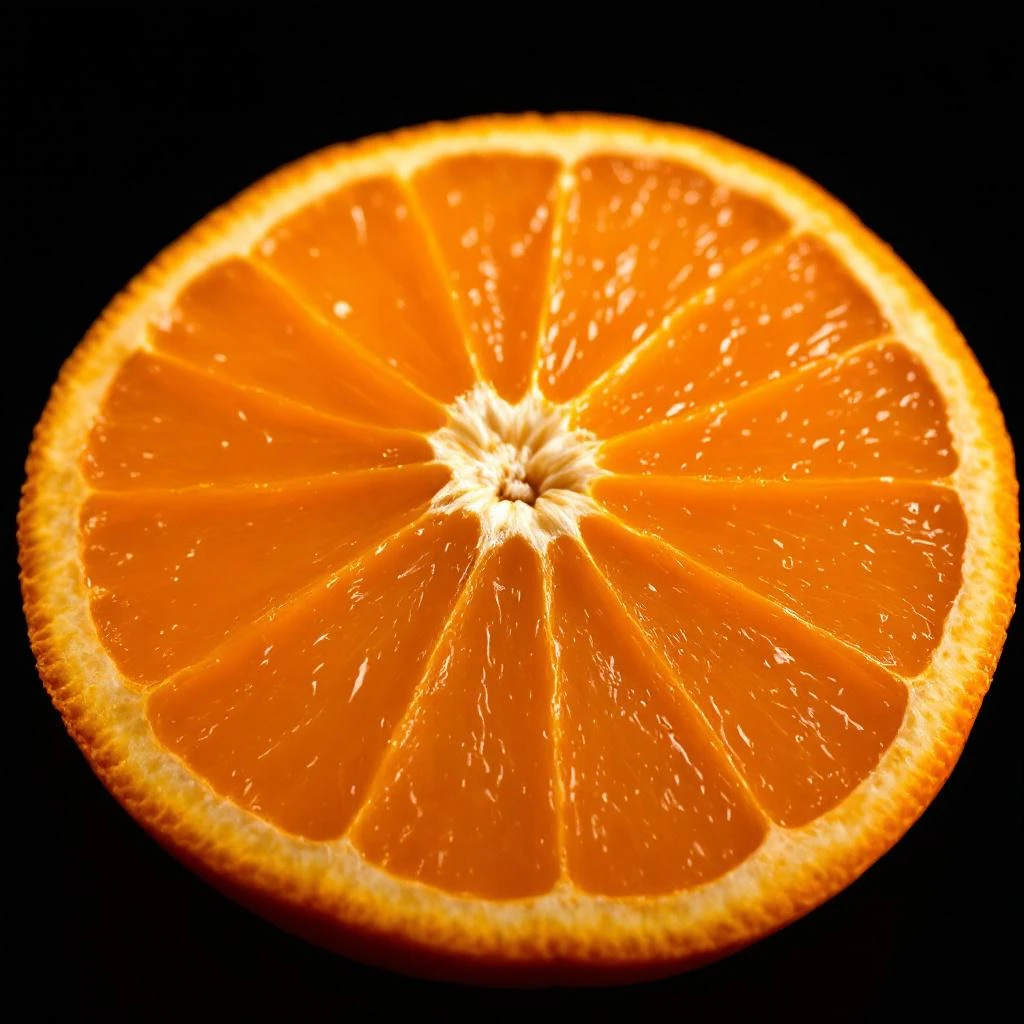
Rangpur is technically a mandarin orange crossed with a lemon, despite being called a lime. Its intense citrus aroma comes from its uniquely thin, aromatic peel.






Origin
Bangladesh
Rangpur takes its name from the city of Rangpur in what is now Bangladesh, where this distinctive citrus fruit has grown for centuries in the Sylhet region. The fruit likely originated as a natural hybrid between mandarin orange and lemon, though its exact genealogy remains debated among botanists. Local communities have cultivated Rangpur for culinary and medicinal purposes long before it caught the attention of Western perfumers.
British colonial traders encountered the fruit during their time in India and began spreading it to other tropical regions, including parts of Latin America and the Caribbean. Today, commercial cultivation extends beyond South Asia to Florida, Brazil, and California. The fruit earned the alternative name "mandarin lime" because of its lime-like sharpness combined with its mandarin-like appearance.
In modern perfumery, Rangpur has found its place among premium citrus materials, valued for its intensity and complexity. Its journey from a regional fruit to a sought-after fragrance ingredient reflects the ongoing exploration of lesser-known natural materials in fine perfumery.
Wears it best
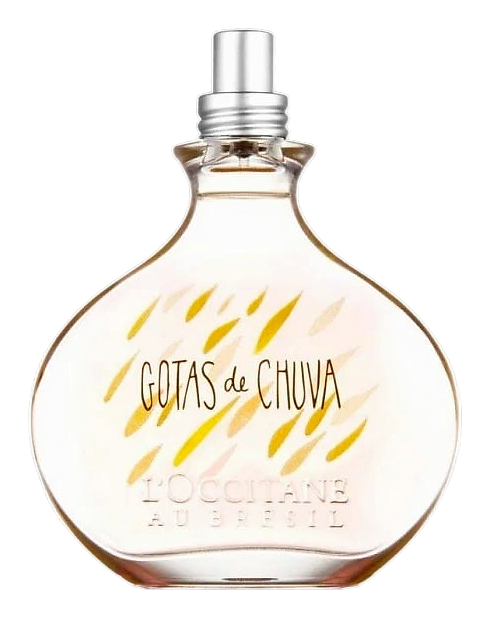
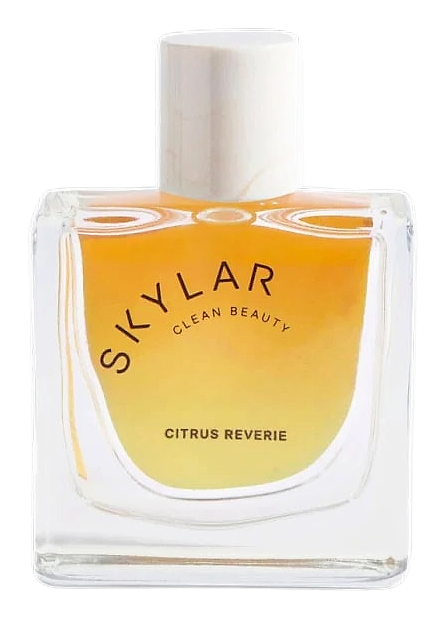
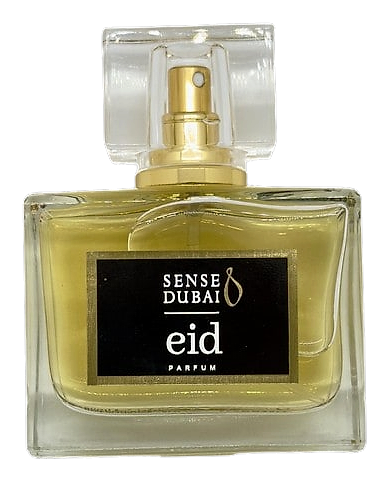
Fragrances featuring Rangpur

Brands
Brands known for Rangpur
Good to know
Questions, answered
The essentials on Rangpur in perfumery: how it smells, where it comes from, and how it behaves on skin.
What does Rangpur smell like?
Rangpur delivers a sharp, tart citrus scent with bright orange undertones. It reads as more intense and complex than standard orange or lime, with a distinctive sharpness that adds energy to fragrance openings.
Is Rangpur actually a lime?
Rangpur is botanically a mandarin-orange and lemon hybrid. Despite its common name "mandarin lime," it is not a true lime, though it shares lime's characteristic tartness.
Where does Rangpur originate from?
Rangpur originates from the Sylhet region of Bangladesh, specifically around the city of Rangpur. It has been cultivated there for centuries before spreading to other tropical regions.
How is Rangpur oil extracted?
Rangpur oil is primarily extracted through cold pressing of the fruit peel. This method preserves the fresh, vibrant citrus character without applying heat that could alter the aromatic profile.
What fragrances use Rangpur?
Rangpur appears in numerous modern fragrances as a top-note citrus ingredient. Its intensity and complexity make it popular in both men's and women's scents seeking a distinctive citrus character.
How does Rangpur compare to regular lime?
Rangpur has greater aromatic intensity than standard lime with more complex citrus facets. It tends to last longer in compositions and offers additional orange-like sweetness beneath its sharp surface.
Can Rangpur be synthesized?
While synthetic citrus compounds exist, natural Rangpur oil is preferred in fine perfumery for its multi-layered aromatic profile that synthetics struggle to fully replicate.
Is Rangpur used in food as well as perfume?
Rangpur is widely used in South Asian cooking for its intensely sour juice. Latin American cuisine also employs it, particularly in beverages and marinades where its sharp citrus note shines.