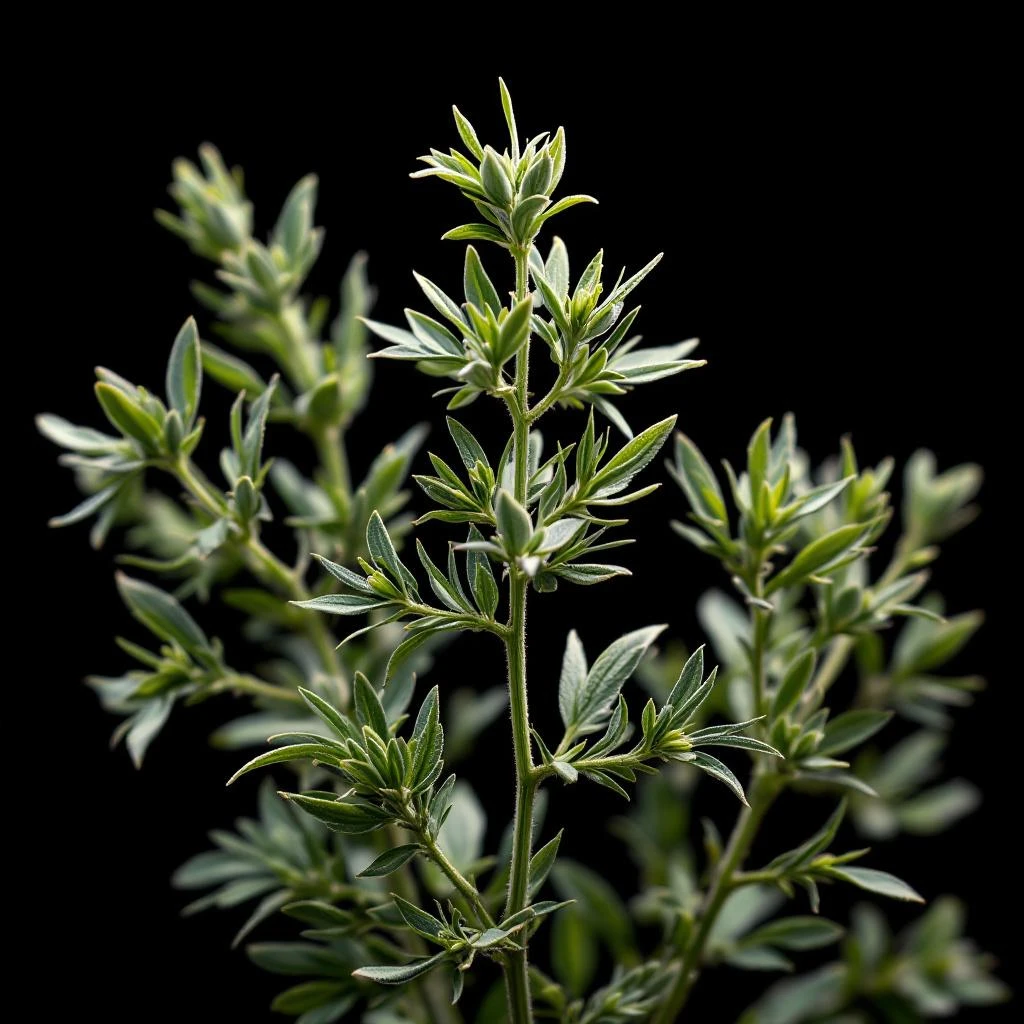
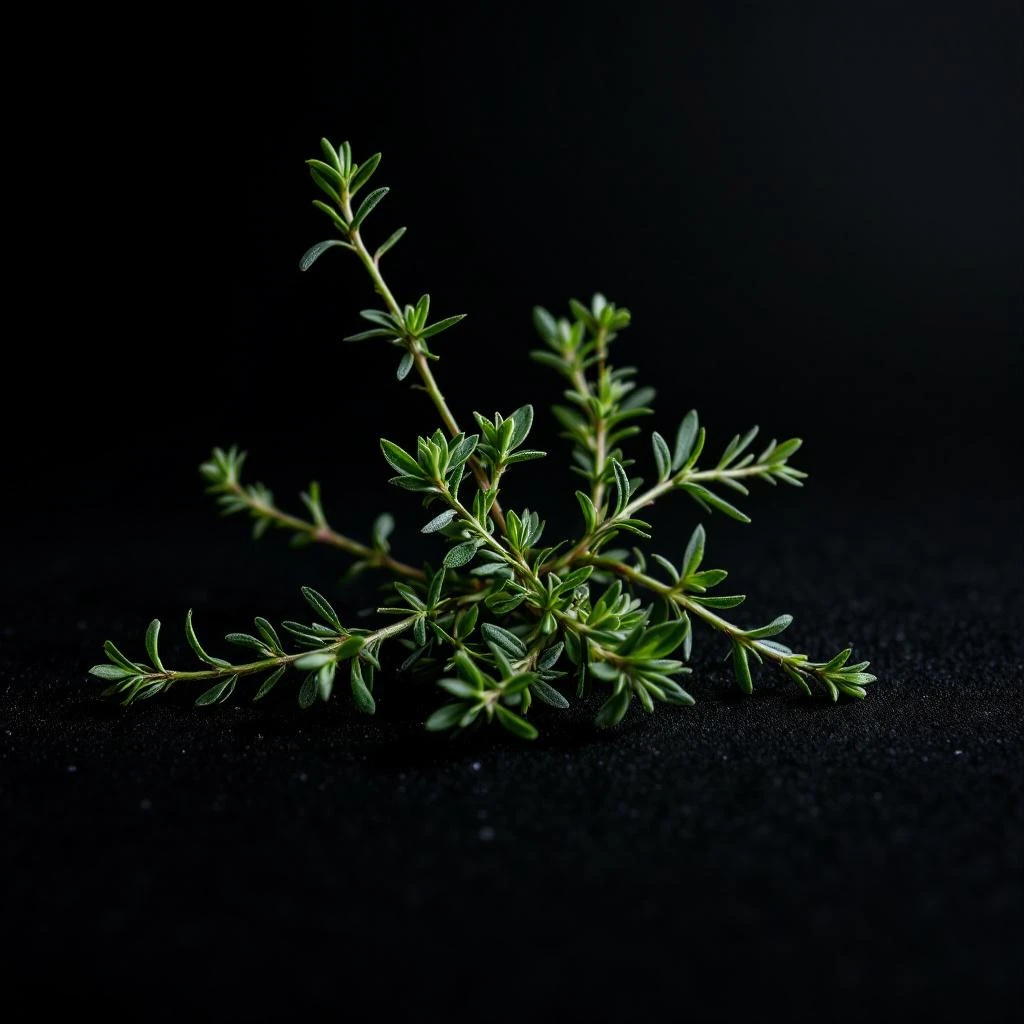
Purple Basil
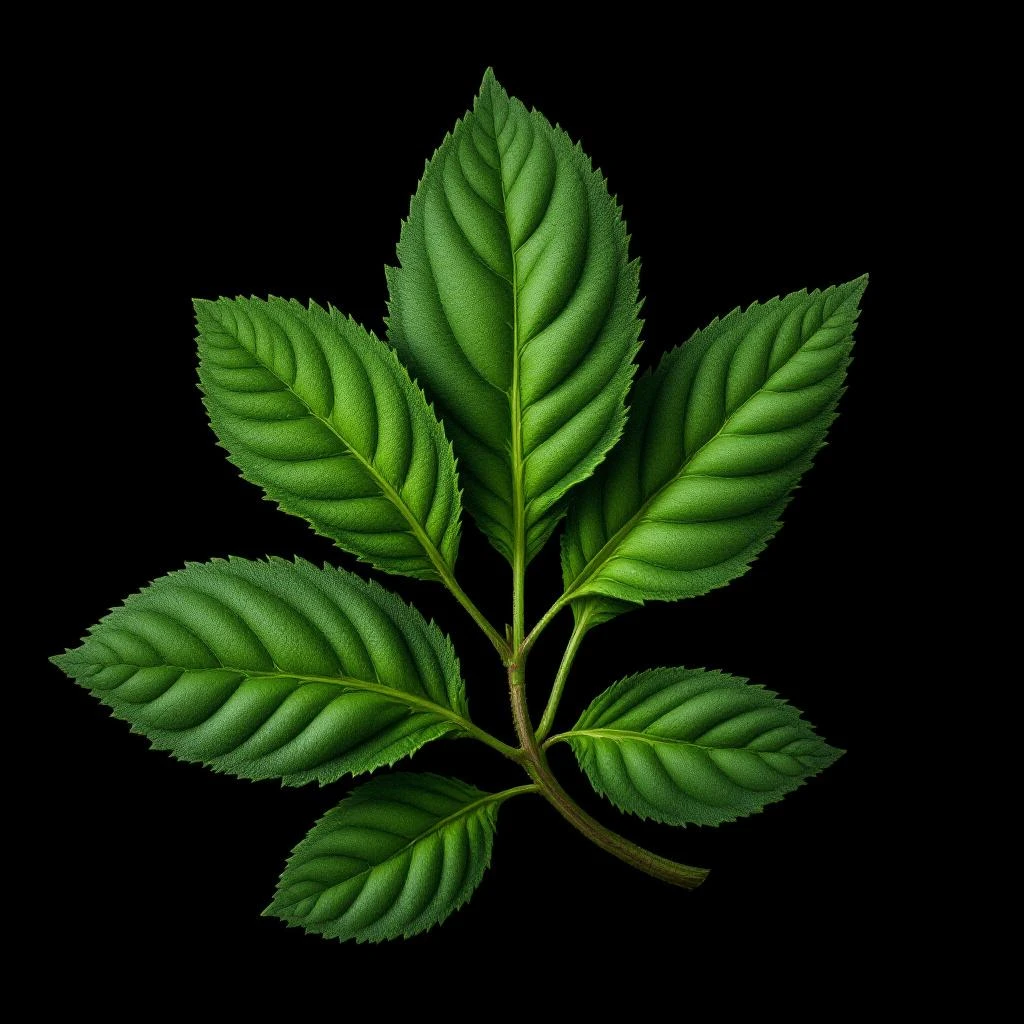
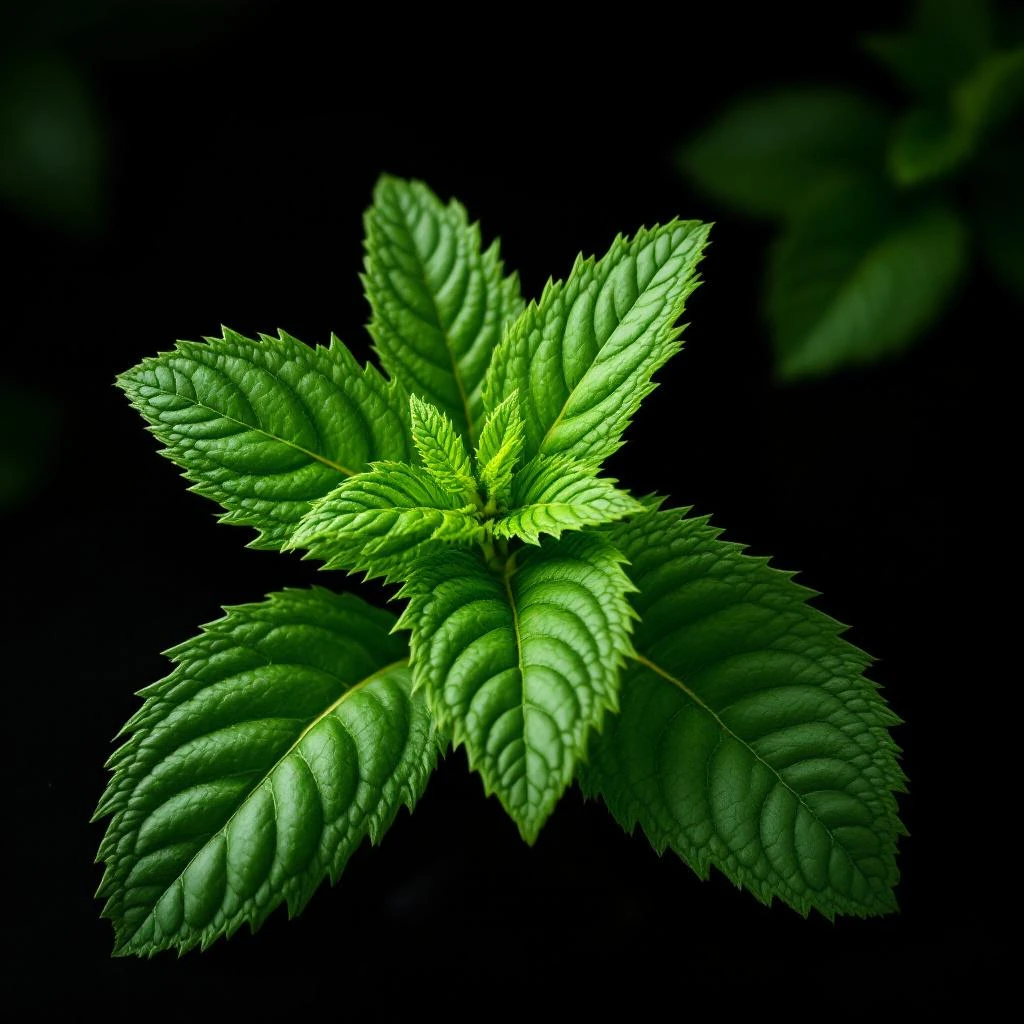
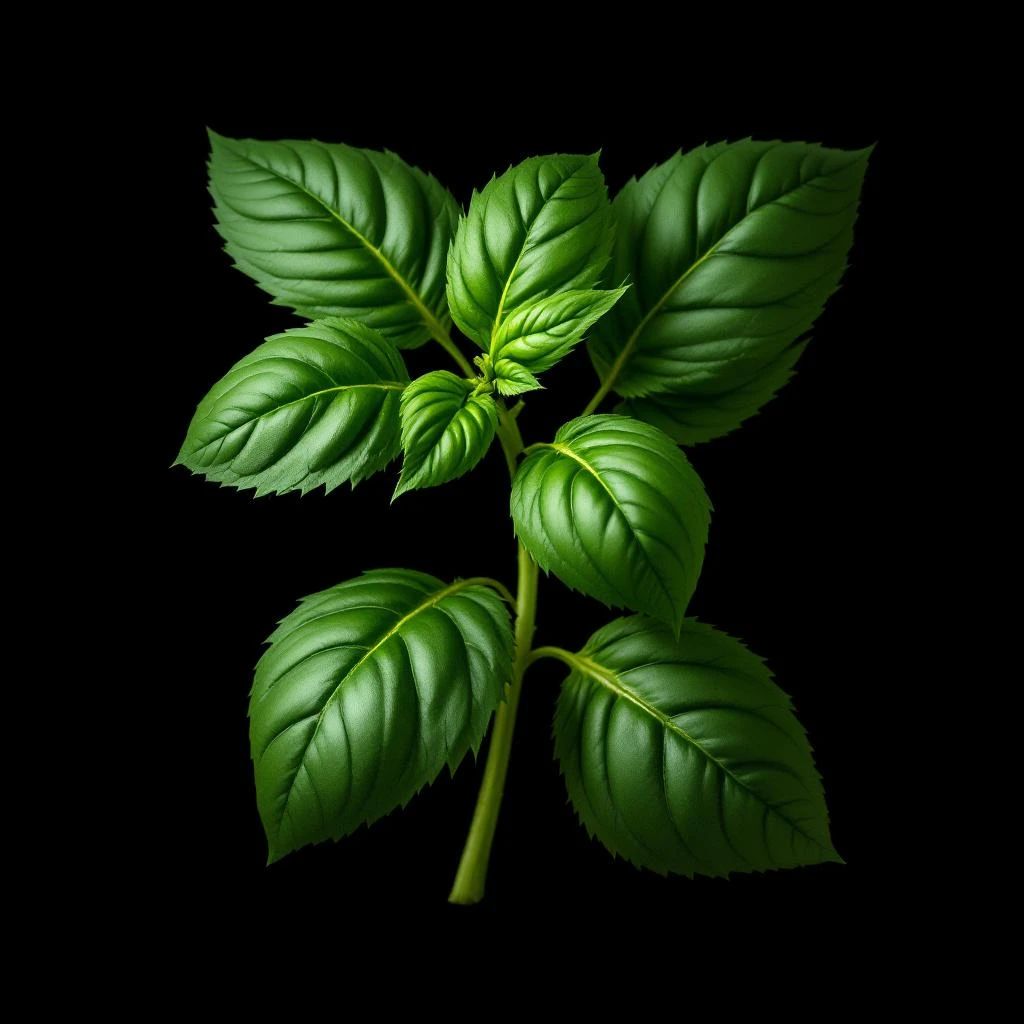
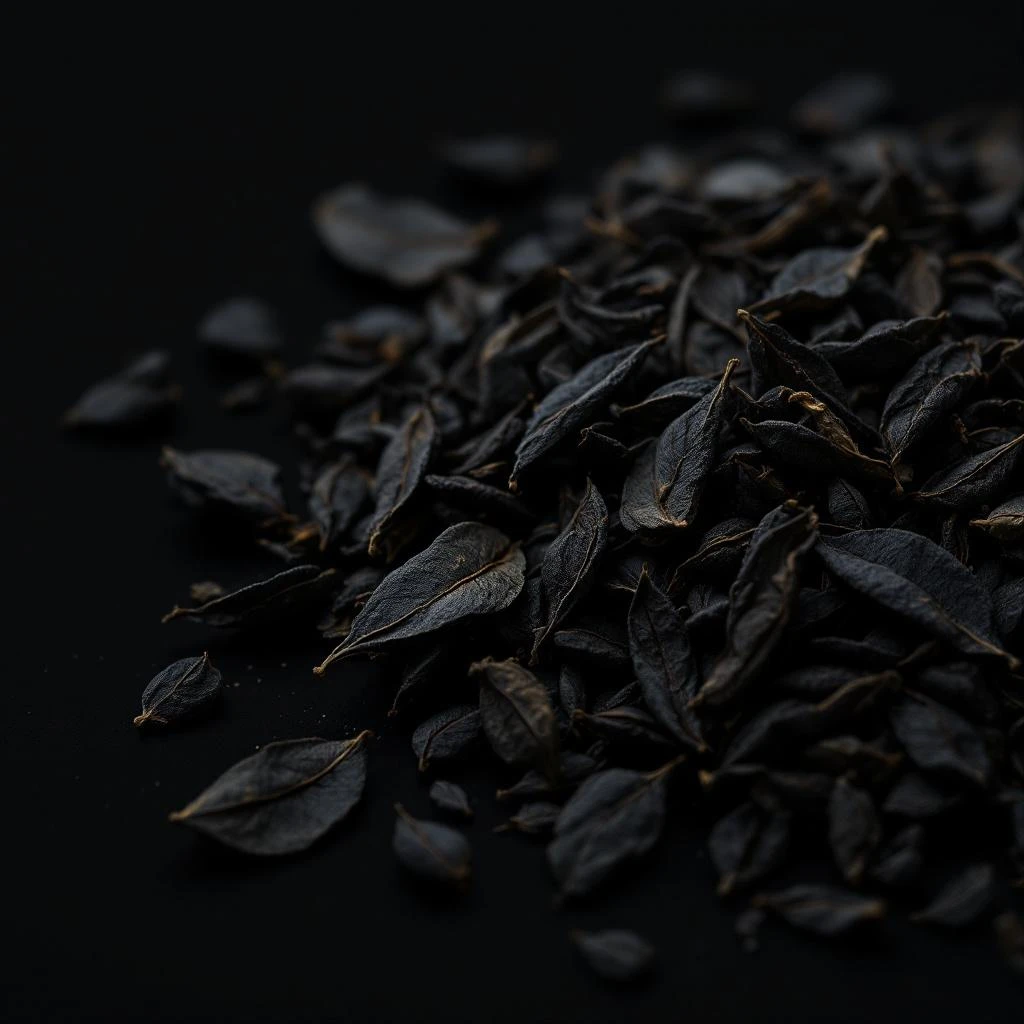
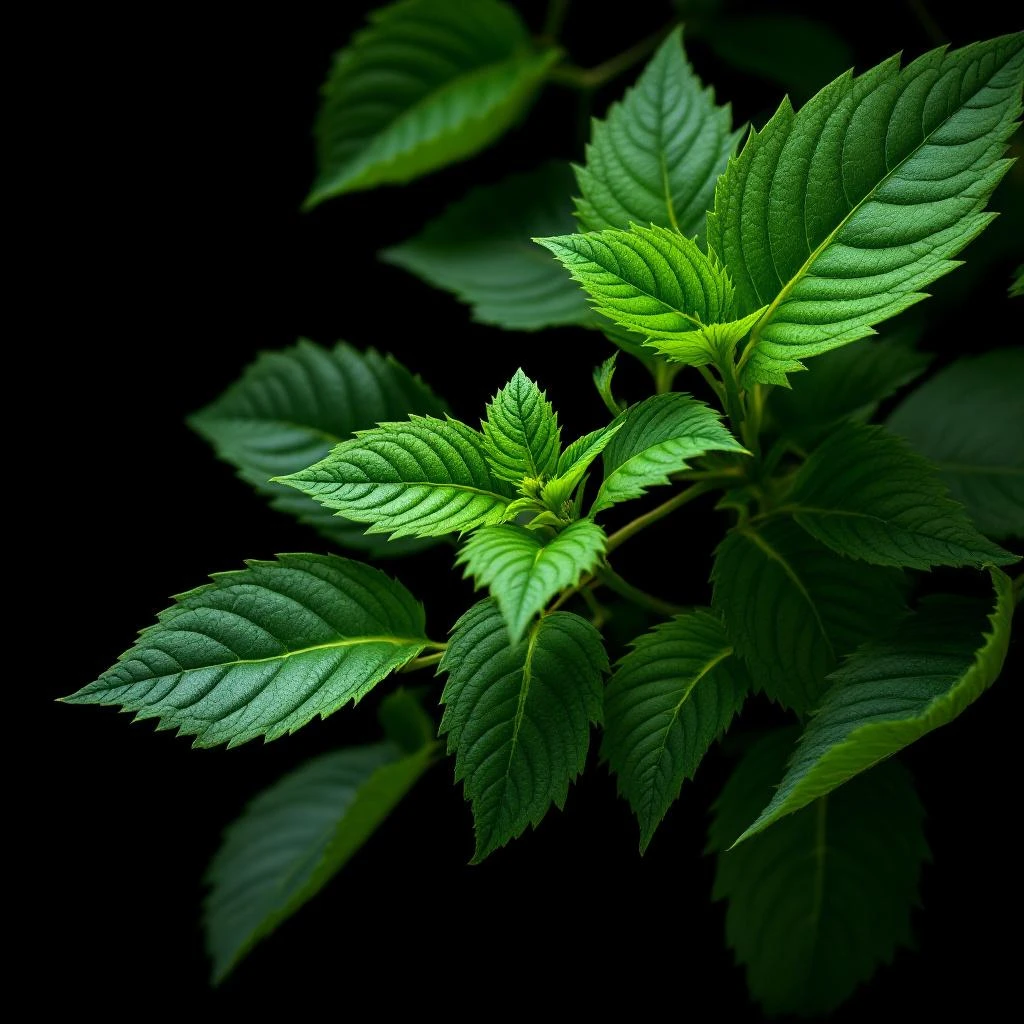
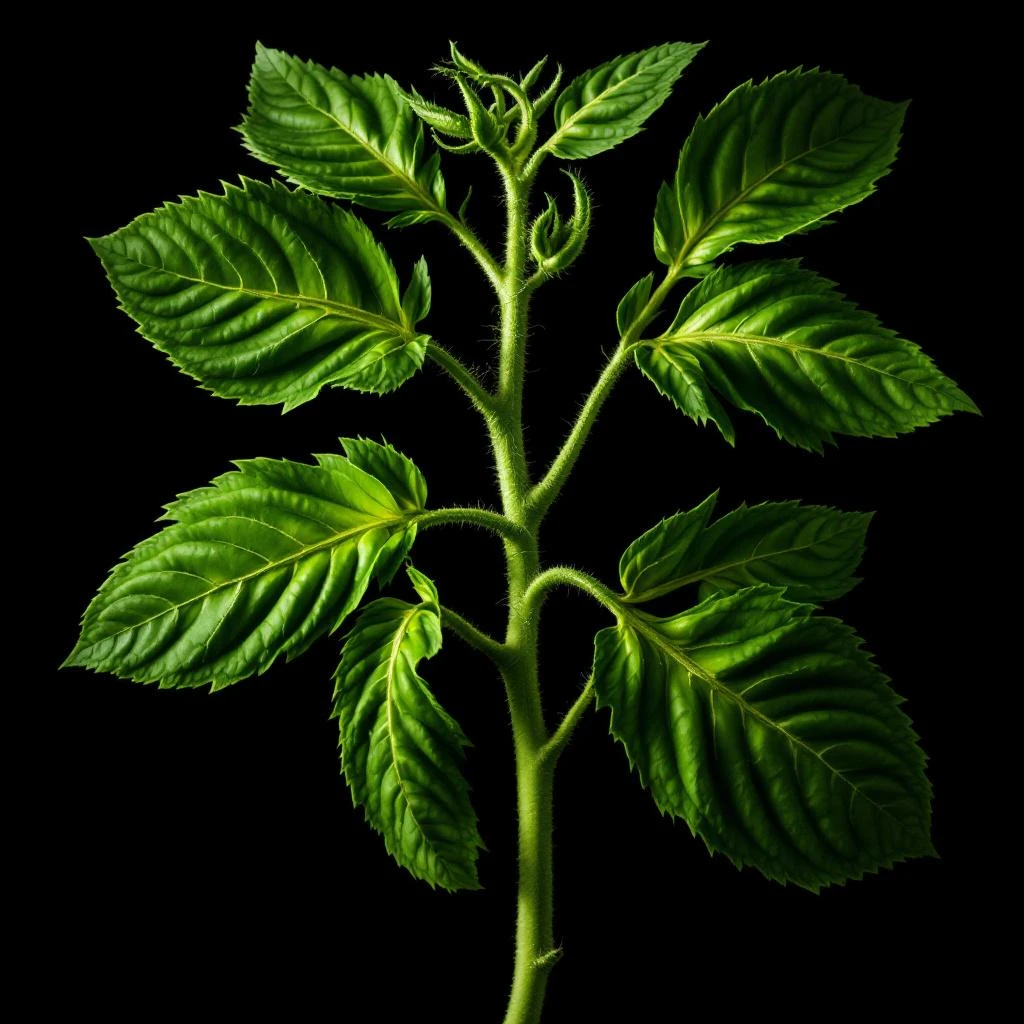
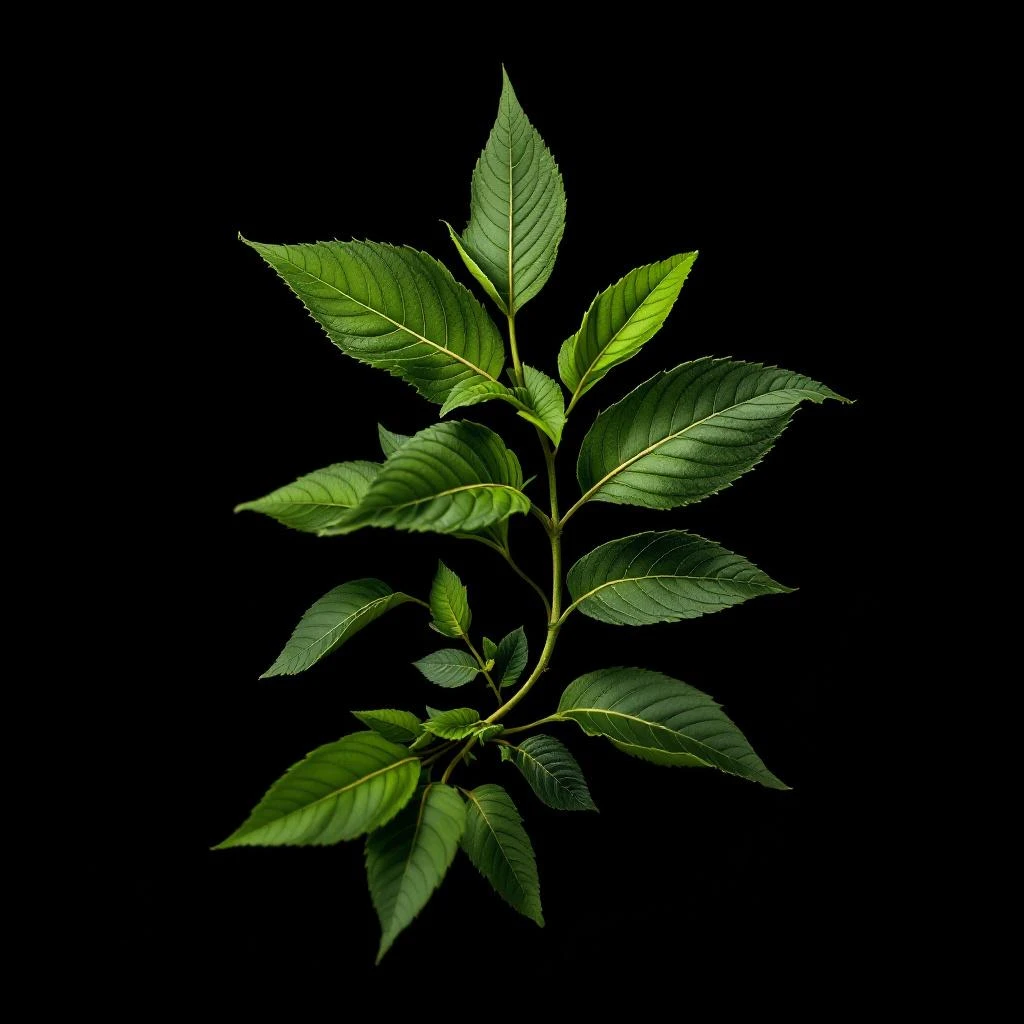
Purple basil carries the herb's signature green freshness with an unexpected spicy, camphorated warmth that sets it apart from its culinary cousin. Its darkly pigmented leaves yield an essential oil prized in fine perfumery for its complex, aromatic character that bridges fresh and warm scent families.
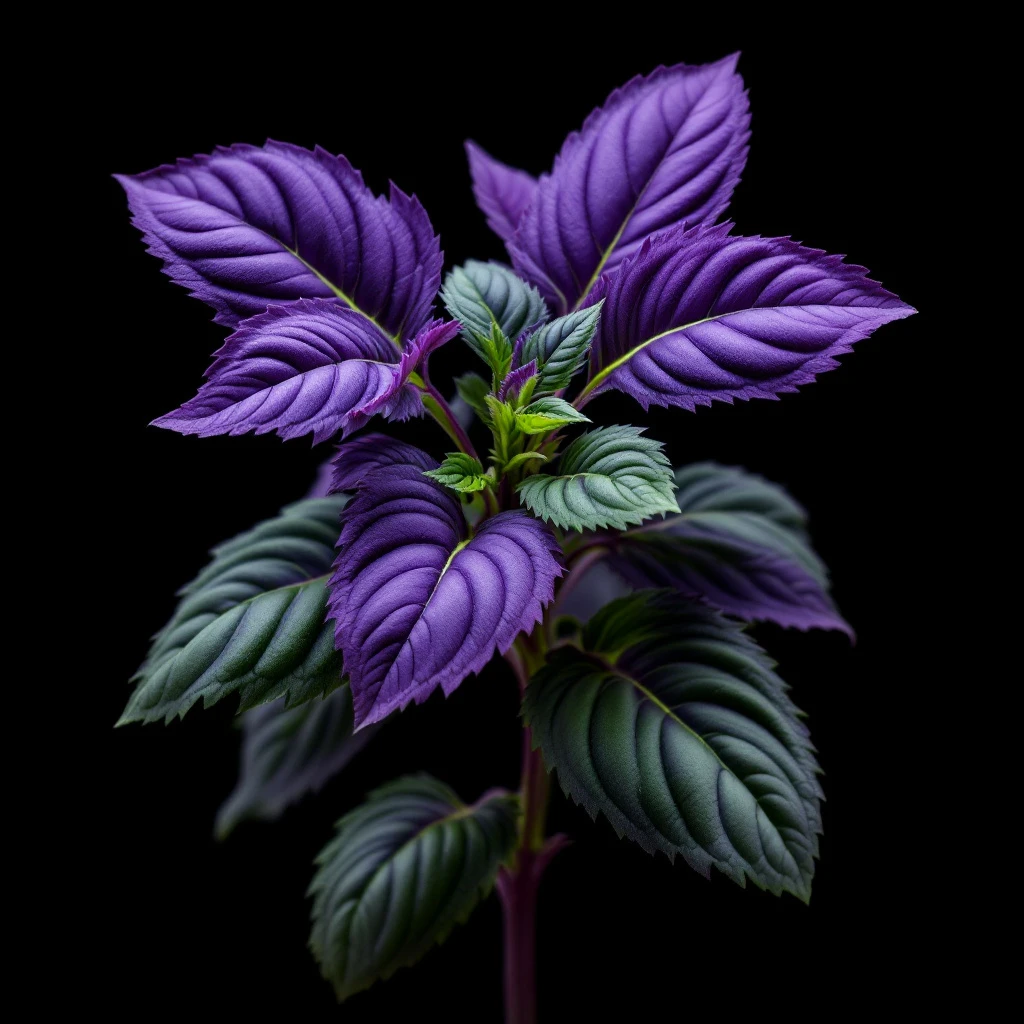
Character
How it smells
The royal herb, reinvented in violet.
Purple basil contains significantly less estragole than green basil, making it the preferred variety for perfumery applications where safety and scent complexity both matter.

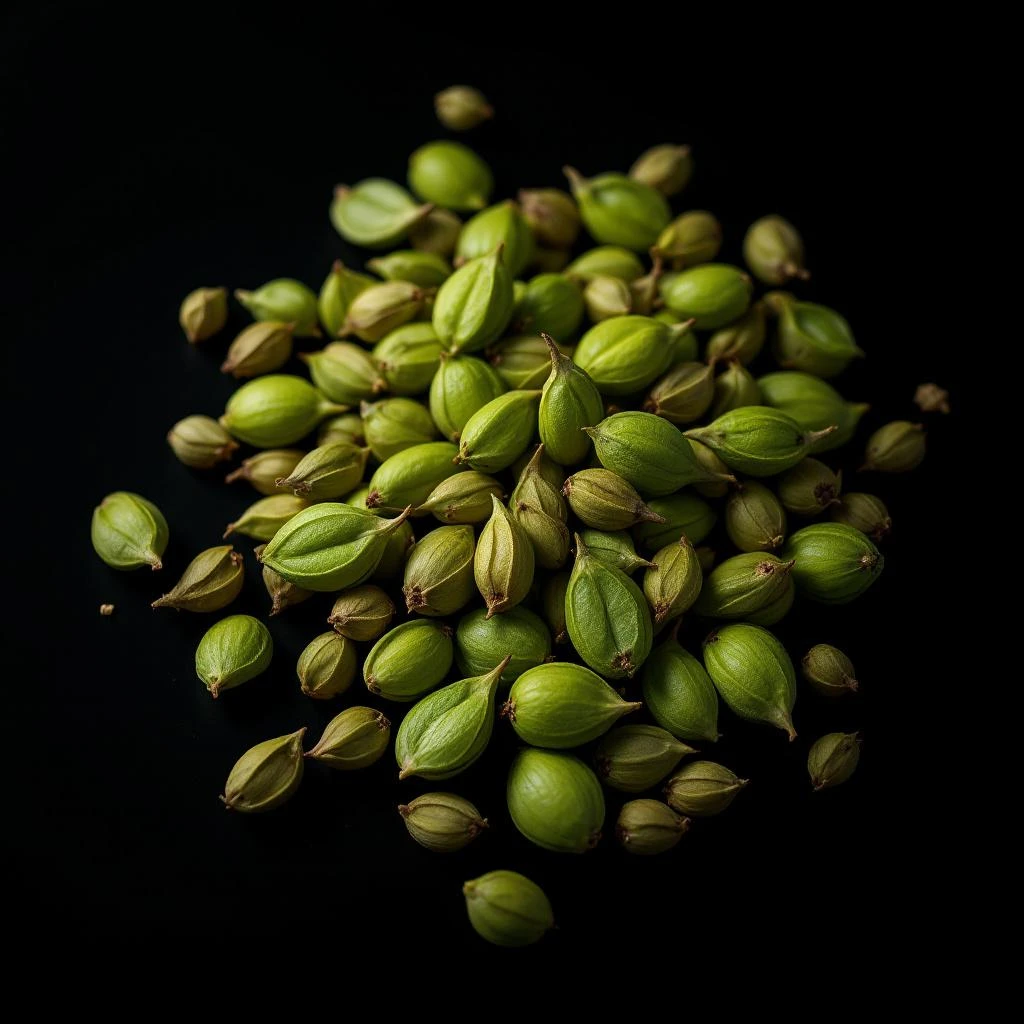


Origin
India
Basil traces its roots to India and Southeast Asia, where it has served for millennia in Ayurvedic traditions, religious ceremonies, and cooking. The name itself reveals its ancient standing: derived from the Greek 'basilikos,' meaning royal or kingly. Traders carried the plant along Silk Road routes into the Middle East and Mediterranean, where it became embedded in Greek, Roman, and Egyptian cultures.
Purple basil, a naturally occurring cultivar with anthocyanin-rich pigmentation, emerged over centuries of cultivation. European herbalists documented its use through the Renaissance, though perfumery applications for this variety developed much later, as the essential oil chemistry required modern analytical methods to understand and standardize.
Wears it best
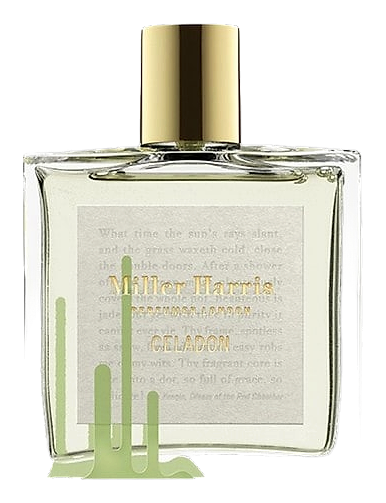
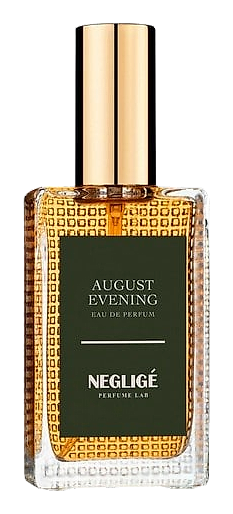
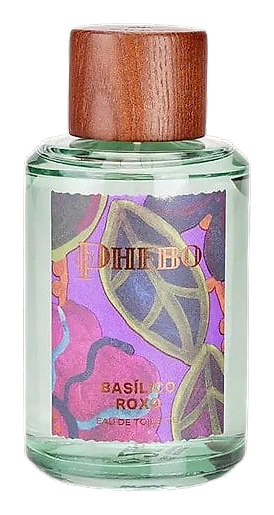
Fragrances featuring Purple Basil
Brands
Brands known for Purple Basil
Good to know
Questions, answered
The essentials on Purple Basil in perfumery: how it smells, where it comes from, and how it behaves on skin.
What is purple basil in perfumery?
Purple basil is a cultivar of Ocimum basilicum distinguished by its dark purple foliage, which indicates a higher anthocyanin content. Its leaves produce an essential oil used in fine perfumery for fresh, spicy, slightly camphorated top notes that differ notably from green basil varieties.
What does purple basil smell like?
Purple basil opens with bright green, herbaceous freshness before revealing spicy, camphorated warmth and subtle anisic undertones. It carries a more complex, warm character than green basil, with floral hints that emerge during the heart phase of a fragrance composition.
How is purple basil oil extracted?
Steam distillation extracts purple basil oil from fresh leaves harvested at dawn, when oil concentration is highest. Controlled temperature and pressure preserve fragile aromatic compounds. The process yields a pale yellow to amber oil, with batches verified by gas chromatography to ensure consistent quality.
Why does origin matter for purple basil quality?
Origin determines the ratio of key compounds like linalool, estragole, and eugenol. Egyptian oil tends toward richness and warmth, Indian oil offers bold green and spicy character, and French oil provides a cleaner, more refined green profile. Each suits different fragrance intentions.
What role does purple basil play in fragrance formulations?
Perfumers use purple basil oil as a bridging ingredient between fresh herbaceous and warm aromatic fragrance families. It typically appears in top to heart notes, adding lift, naturalness, and a spicy counterpoint that prevents green notes from feeling flat or linear.
How is purple basil different from green basil in perfumery?
Green basil oil is higher in estragole, which gives sharp, licorice-like character. Purple basil contains significantly less estragole and more linalool, producing a warmer, more complex scent profile that perfumers often prefer for its versatility and refined character.
What is the historical significance of basil in perfumery?
Basil originated in India and Southeast Asia, where ancient cultures used it in religious rituals, medicinal preparations, and cosmetics. Its name derives from the Greek 'basilikos,' meaning royal, reflecting its elevated status. The plant reached Europe via Middle Eastern trade routes in the 16th century.
What fragrances pair well with purple basil?
Purple basil pairs naturally with citrus oils, rosemary, lavender, and mint in fresh compositions. In warmer fragrances, it complements spiced notes like cardamom, geranium's green facets, and woody elements such as vetiver. It works across masculine, feminine, and unisex formulations.