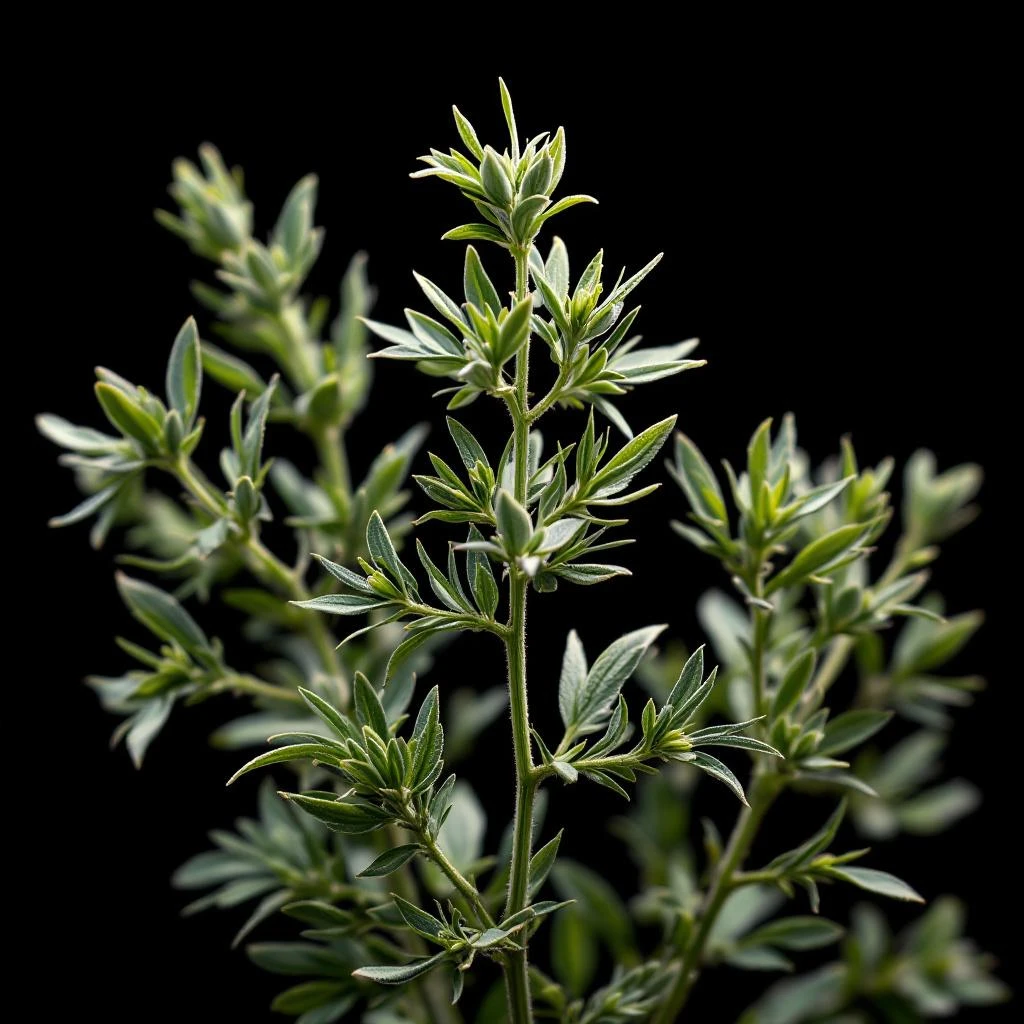
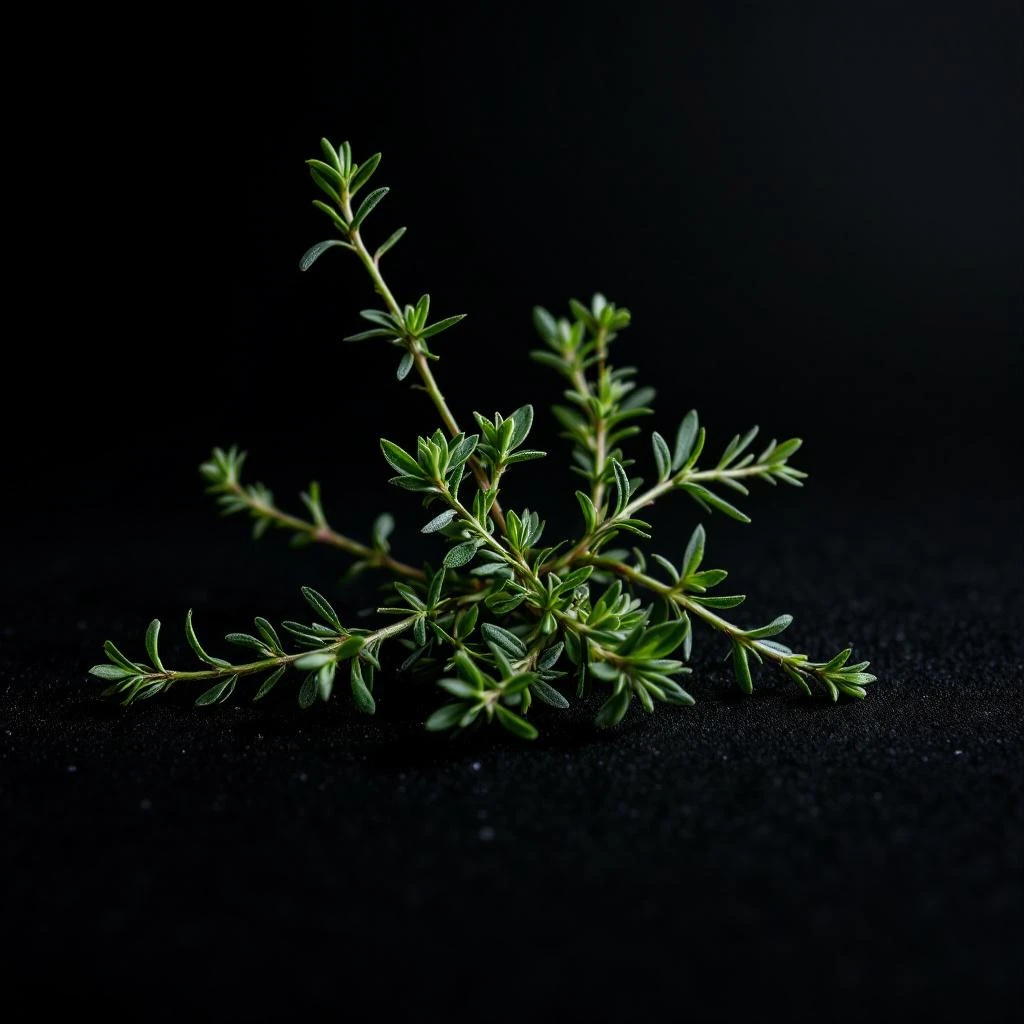
Provençal Helichrysum
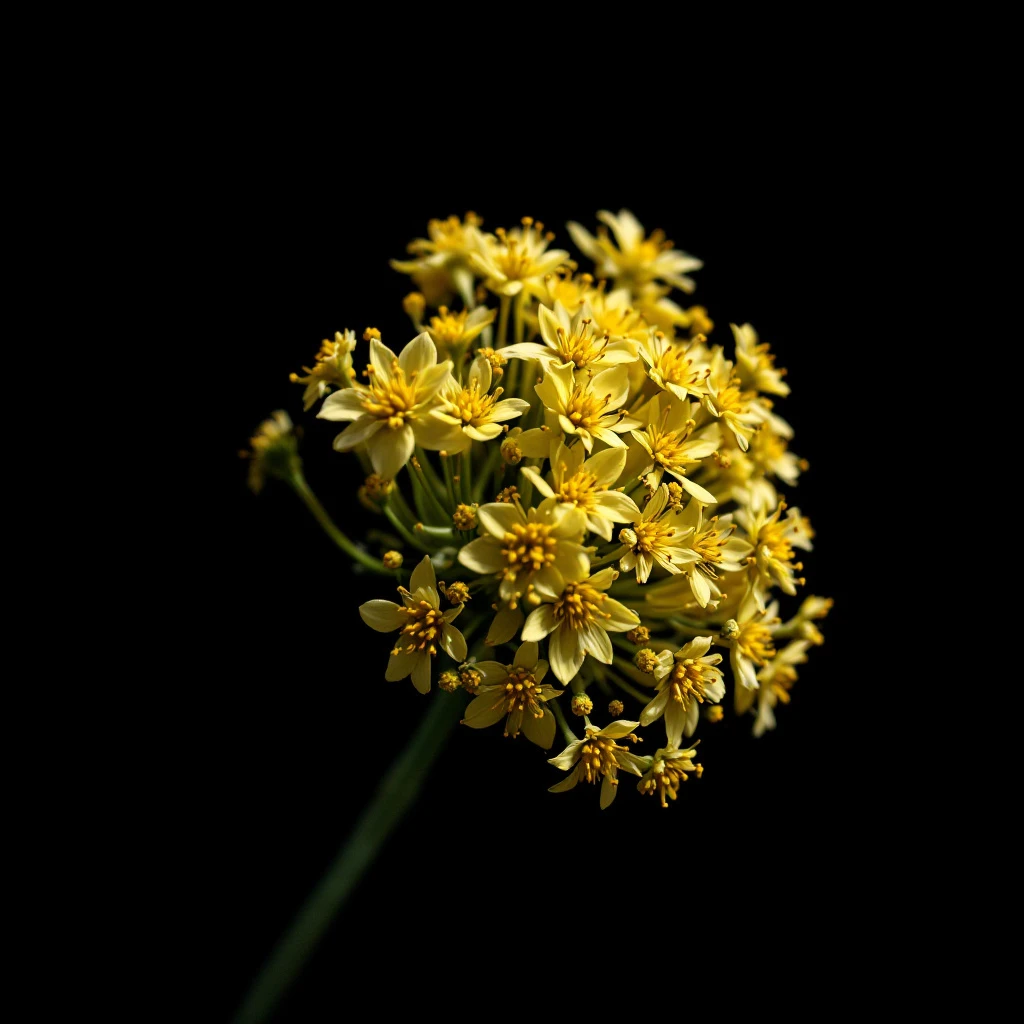
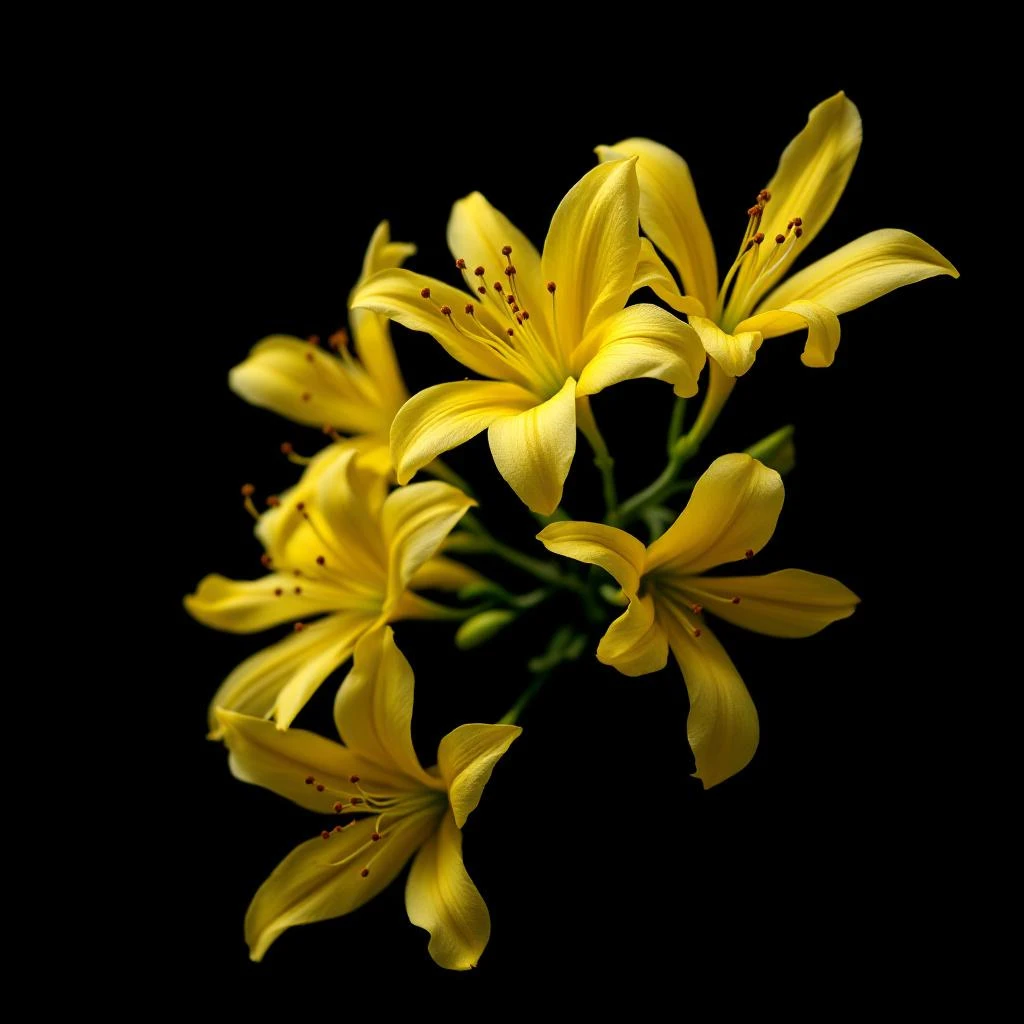
The golden blooms of Provençal Helichrysum emit a warm, honeyed fragrance with herbaceous depth. This everlasting flower yields one of perfumery's most prized naturals, cherished for its unique complexity.
Character
How it smells
Provence's golden bloom: honeyed warmth that endures
Bees feed exclusively on Helichrysum italicum, producing a rare honey prized across Southern Europe for its distinctive flavor.


Origin
France
Helichrysum italicum earned its common name 'immortelle' from its remarkable ability to retain color and form even after cutting, a quality that captivated Mediterranean cultures for millennia. Ancient Greeks and Romans incorporated these golden flowers into ceremonial garlands and medicinal preparations, establishing a cultural relationship with the plant that predates modern perfumery by centuries.
The region of Provence became central to Helichrysum cultivation when the perfumery industry in nearby Grasse expanded during the 16th century, as local distillers began working with regional botanicals. The people of Grasse had already established themselves as suppliers to Persian scent-makers earlier that century, creating infrastructure that supported new materials like Provençal Helichrysum.
Today, small-scale producers across Corsica and mainland Provence maintain traditional harvesting practices that preserve the regional character of this treasured natural ingredient. The plant's connection to the Mediterranean landscape remains inseparable from its fragrance, carrying the essence of sun-drenched hillsides into compositions worldwide.
Wears it best
Fragrances featuring Provençal Helichrysum
Brands
Brands known for Provençal Helichrysum
Good to know
Questions, answered
The essentials on Provençal Helichrysum in perfumery: how it smells, where it comes from, and how it behaves on skin.
What makes Provençal Helichrysum different from other naturals?
Provençal Helichrysum offers a uniquely warm, honeyed aroma with herbaceous depth that no other natural material replicates. Its distinctive curry-like warmth and lasting power set it apart from other Mediterranean botanicals.
How does Provençal Helichrysum differ from Corsican Helichrysum?
Corsican Helichrysum delivers one of the highest neryl acetate levels in the genus at 35%, producing a softer floral and citrus character. Provençal varieties tend toward deeper, more herbaceous warmth with greater complexity.
What extraction method produces Helichrysum essential oil?
Steam distillation of flowering tops and leaves yields Helichrysum essential oil. This process typically requires several hours to fully extract the aromatic compounds from the glandular hairs where they concentrate.
When do producers harvest Helichrysum in Provence?
Harvest occurs during peak summer bloom, typically July through August, when essential oil concentration reaches maximum levels in the plant's glandular hairs and flower heads.
What does Helichrysum absolute smell like compared to the essential oil?
Helichrysum absolute from solvent extraction offers greater intensity and a richer, more complex profile than steam-distilled essential oil. Both capture the characteristic honeyed warmth but differ in concentration and nuance.
What fragrance families pair well with Helichrysum?
Helichrysum pairs naturally with citrus, amber, woody, and floral notes. Its warm herbaceousness complements lavender, rose, and dry woods while anchoring brighter top notes in compositions.
Why is Helichrysum called 'Immortelle'?
Helichrysum italicum retains its color and form indefinitely after cutting, never wilting or fading. This remarkable durability earned it the name 'immortelle' across Romance language traditions.
How long does Helichrysum's fragrance last in a composition?
Helichrysum performs as both heart and base note, providing substantial lasting power when properly dosed. Its tenacity in fragrance blends depends on concentration and surrounding materials.