Iranian Opoponax
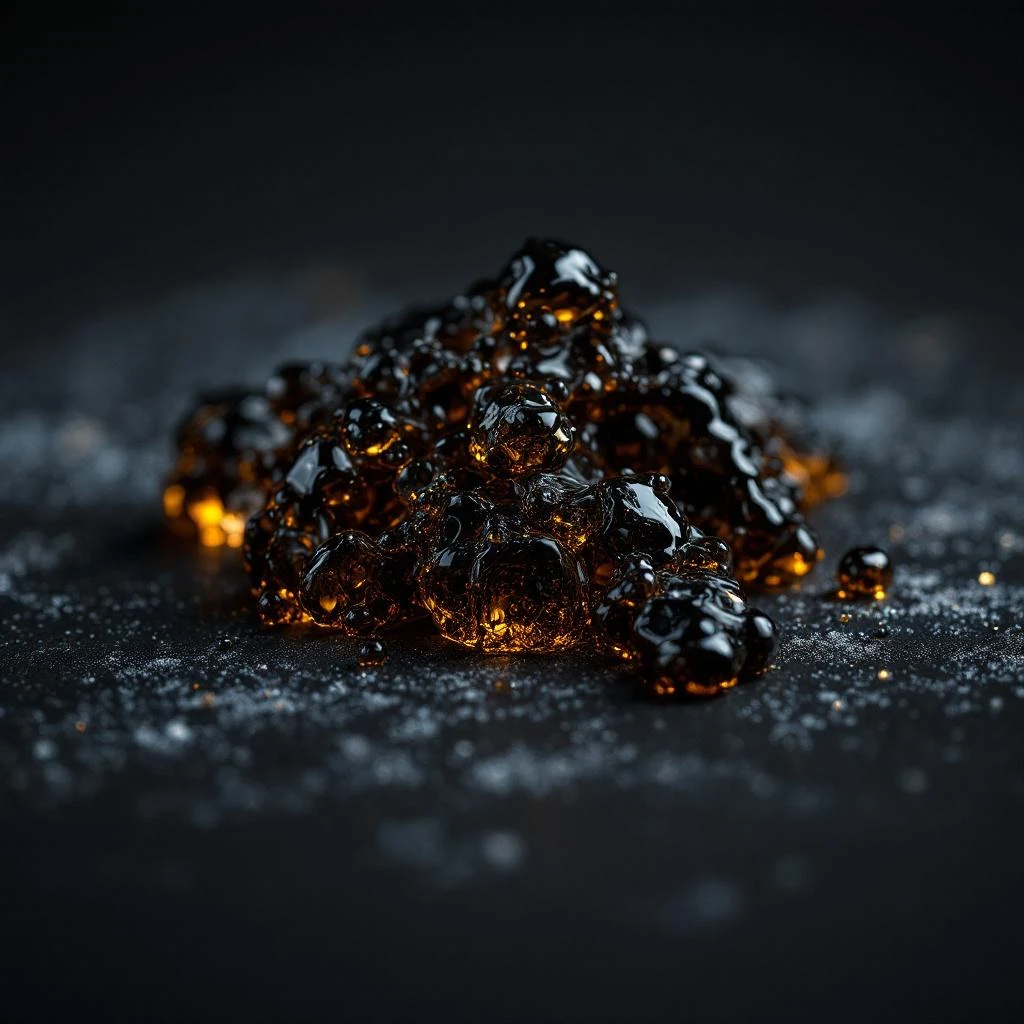
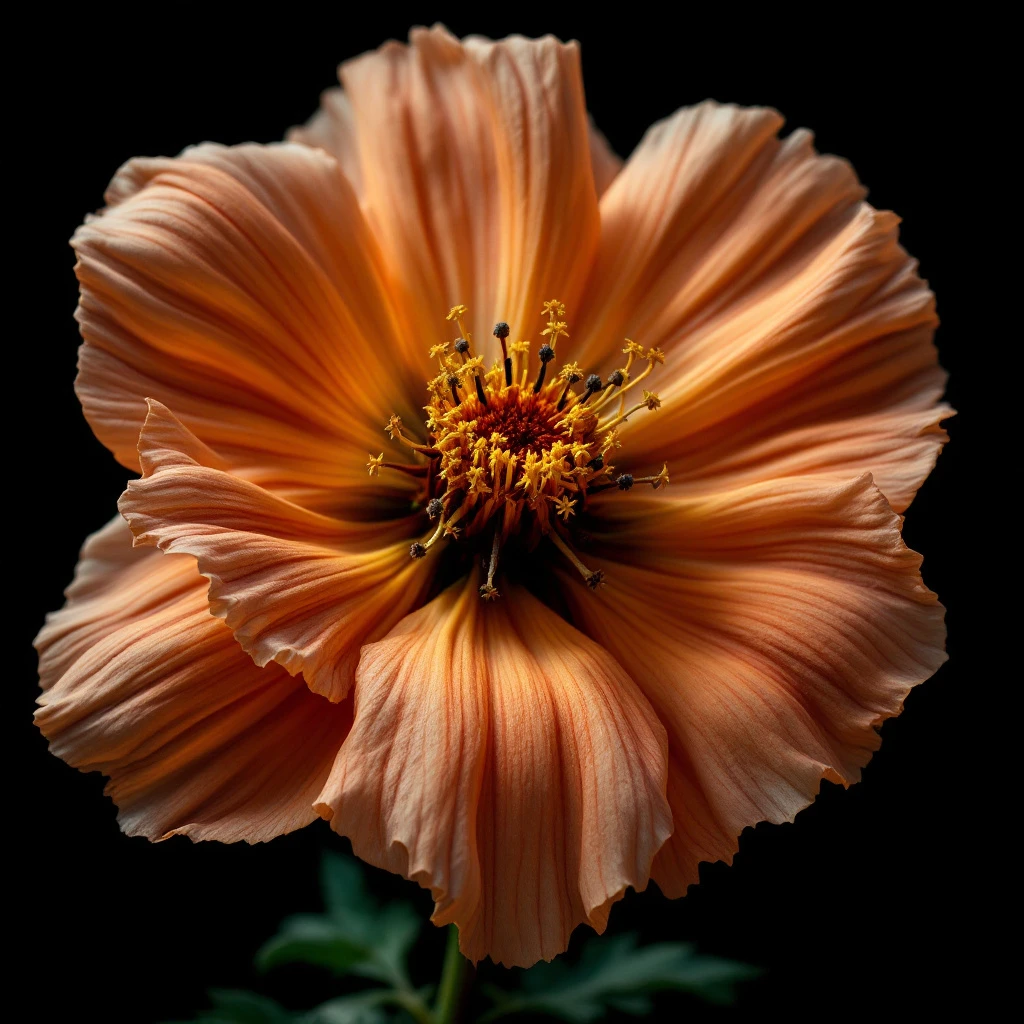
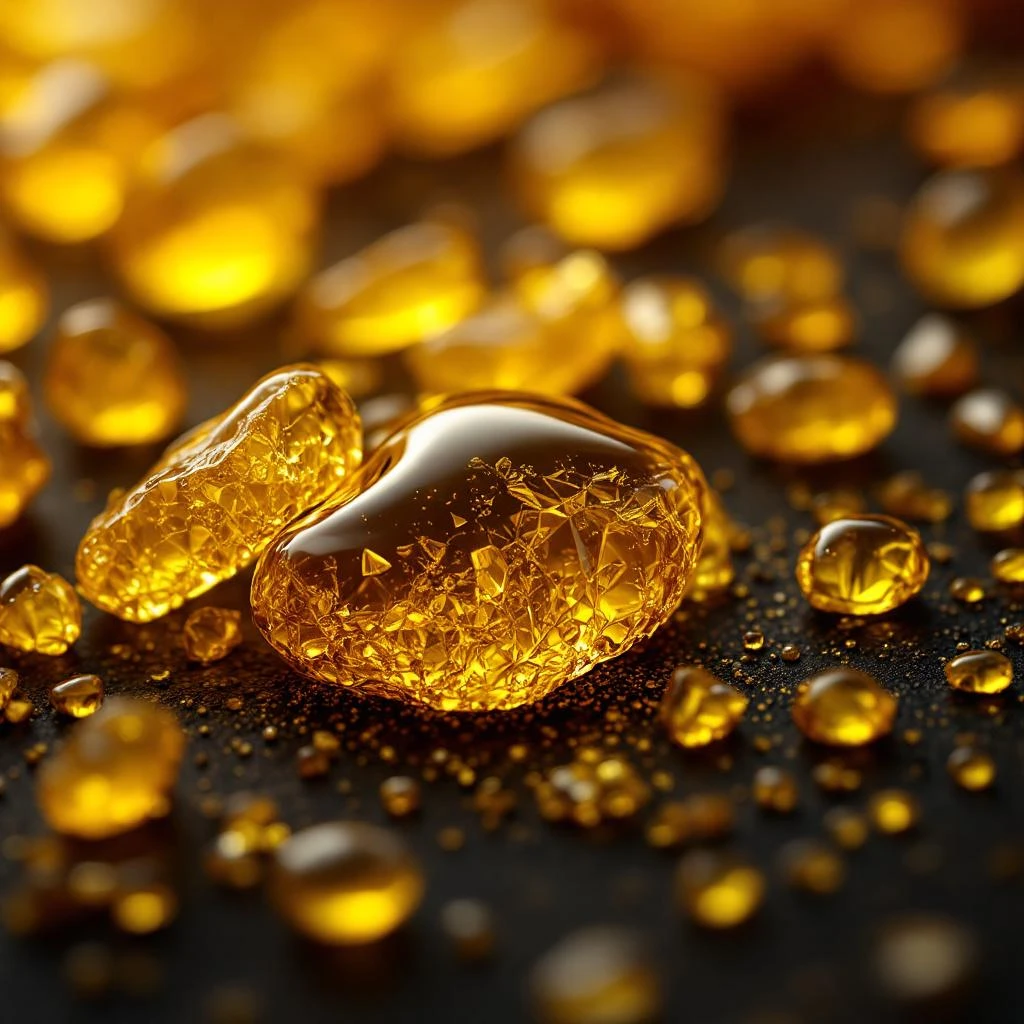
A warm, balsamic resin with honeyed sweetness and soft smoke. Iranian Opoponax carries the ancient soul of sweet myrrh, offering warmth that lingers like amber light at dusk.
Character
How it smells
Ancient resin, warm as desert sunlight.
Somali traders called it 'hebbakhade' for centuries before it reached Persian perfumers' workshops.


Origin
Somalia
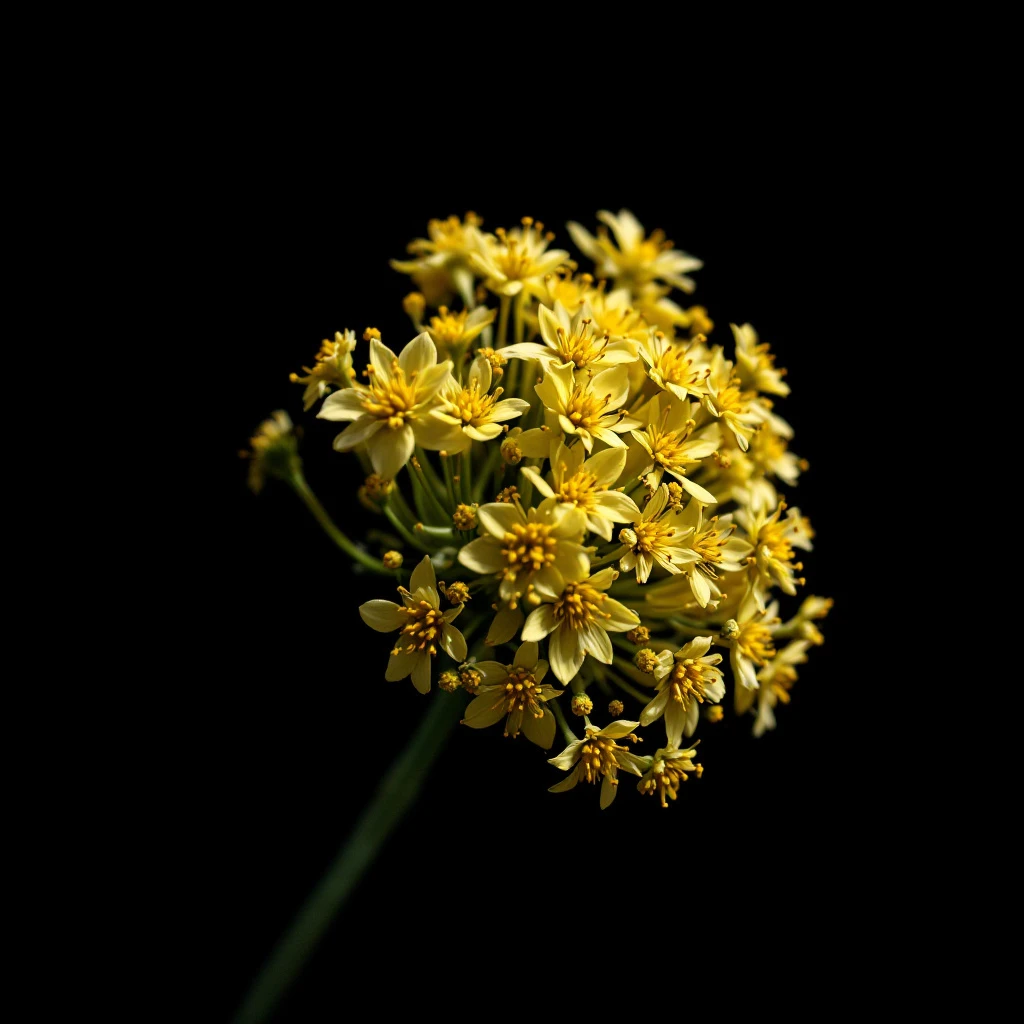
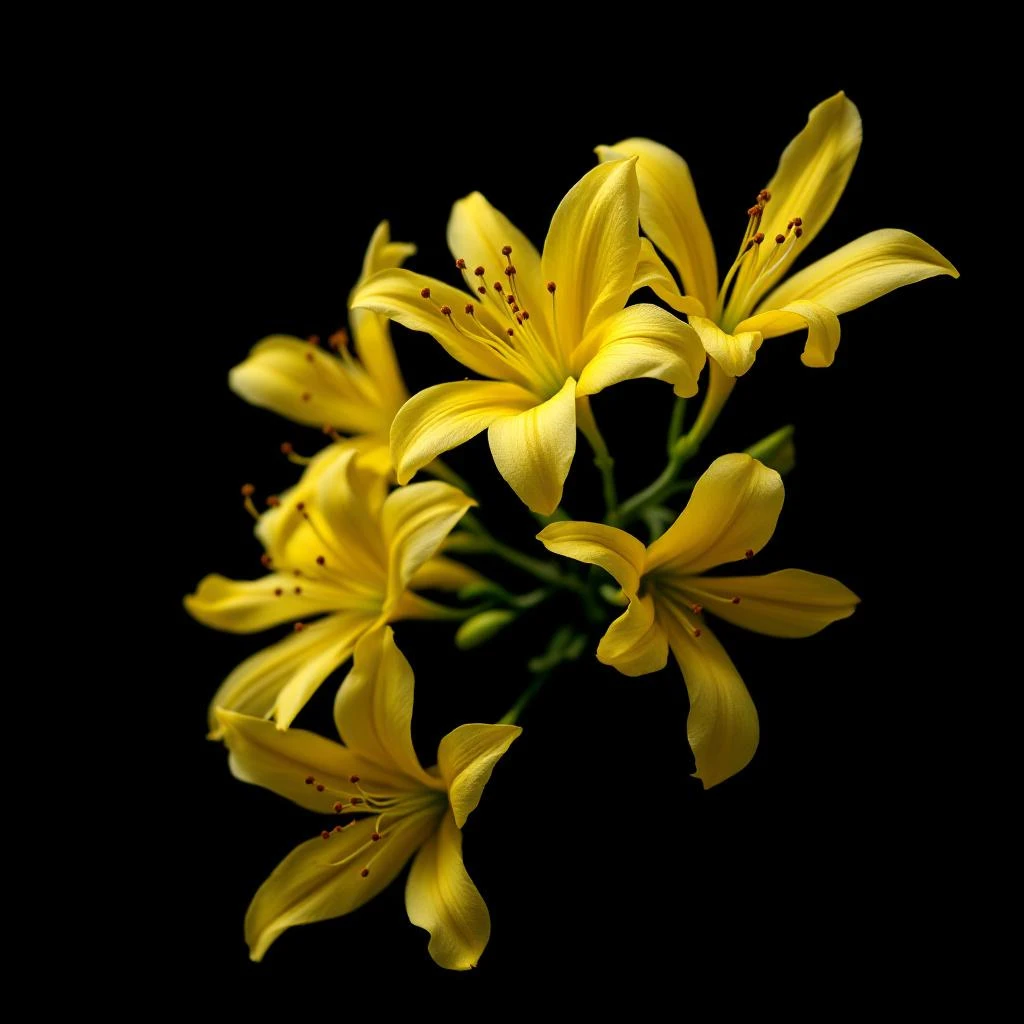
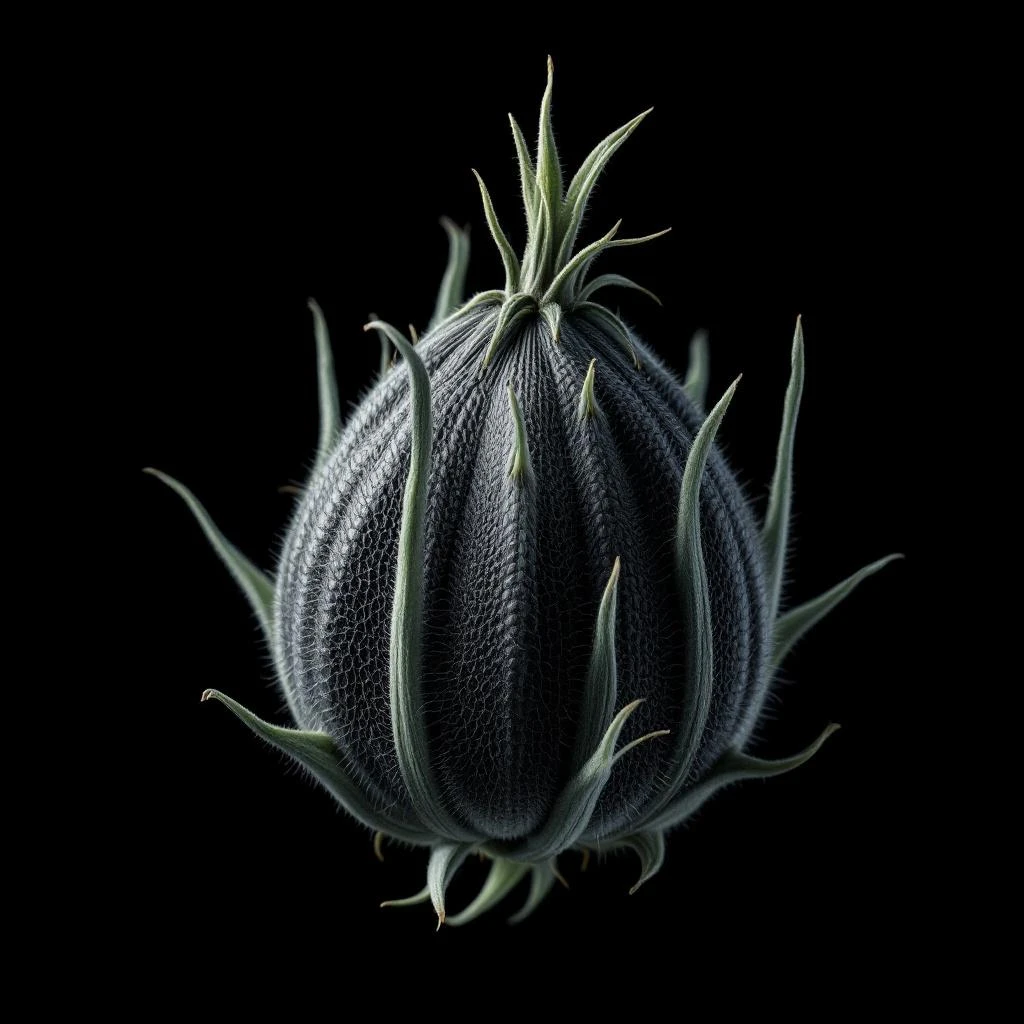
While Commiphora erythraea grows in the Horn of Africa, Iranian perfumers have worked with opoponax for millennia along ancient trade routes. Historical records indicate Persians were early masters of aromatic crafts, developing techniques that refined raw materials imported from distant lands.
Will Durant documented how Iranian craftspeople discovered decorative and cosmetic applications for fragrance ingredients, establishing foundations that shaped Mediterranean and Middle Eastern perfumery traditions. The ingredient likely arrived via maritime trade through the Red Sea and Persian Gulf, becoming embedded in ceremonial and courtly fragrance practices during the Sassanid era and earlier.
Persian physicians including Avicenna catalogued aromatic resins for therapeutic applications, further embedding opoponax in the region's aromatic heritage. Today, 'Iranian Opoponax' often denotes the refined resin processed through historic Persian-influenced trade networks, carrying centuries of accumulated expertise in handling and blending.
Wears it best
Fragrances featuring Iranian Opoponax
Brands
Brands known for Iranian Opoponax
Good to know
Questions, answered
The essentials on Iranian Opoponax in perfumery: how it smells, where it comes from, and how it behaves on skin.
What does Iranian Opoponax smell like?
Iranian Opoponax has a warm, balsamic scent combining honeyed sweetness with soft, powdery undertones and a hint of vanilla-like warmth. It carries subtle smoky and resinous qualities that make it excellent for base notes in oriental and ambery compositions. The sweetness is rounder than regular myrrh, giving it a more approachable character.
Where does opoponax originate?
Opoponax comes from Commiphora erythraea trees growing wild in the Horn of Africa, primarily Somalia and neighboring Ethiopia. The resin has been traded internationally for over 2,000 years, moving through ancient Red Sea trade routes to reach perfumers across the Mediterranean and Middle East.
How is opoponax resin harvested?
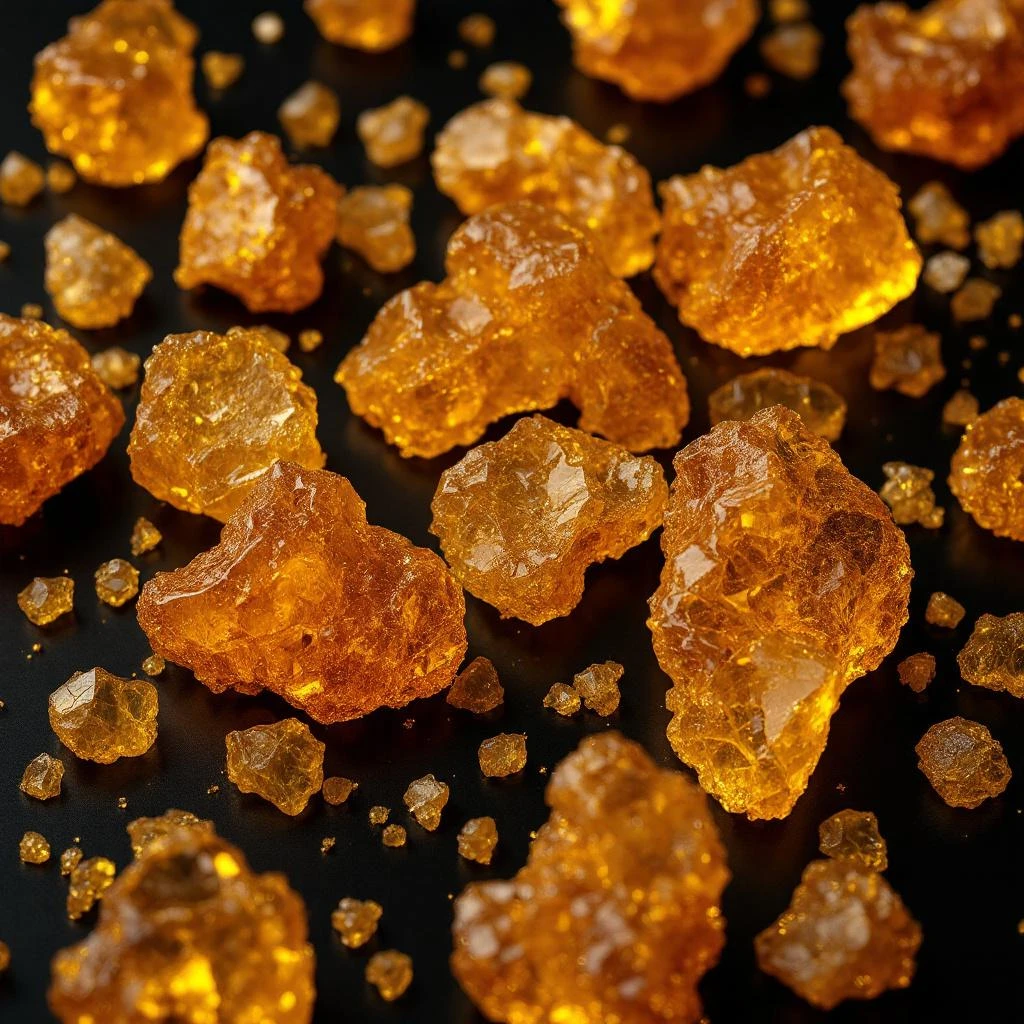
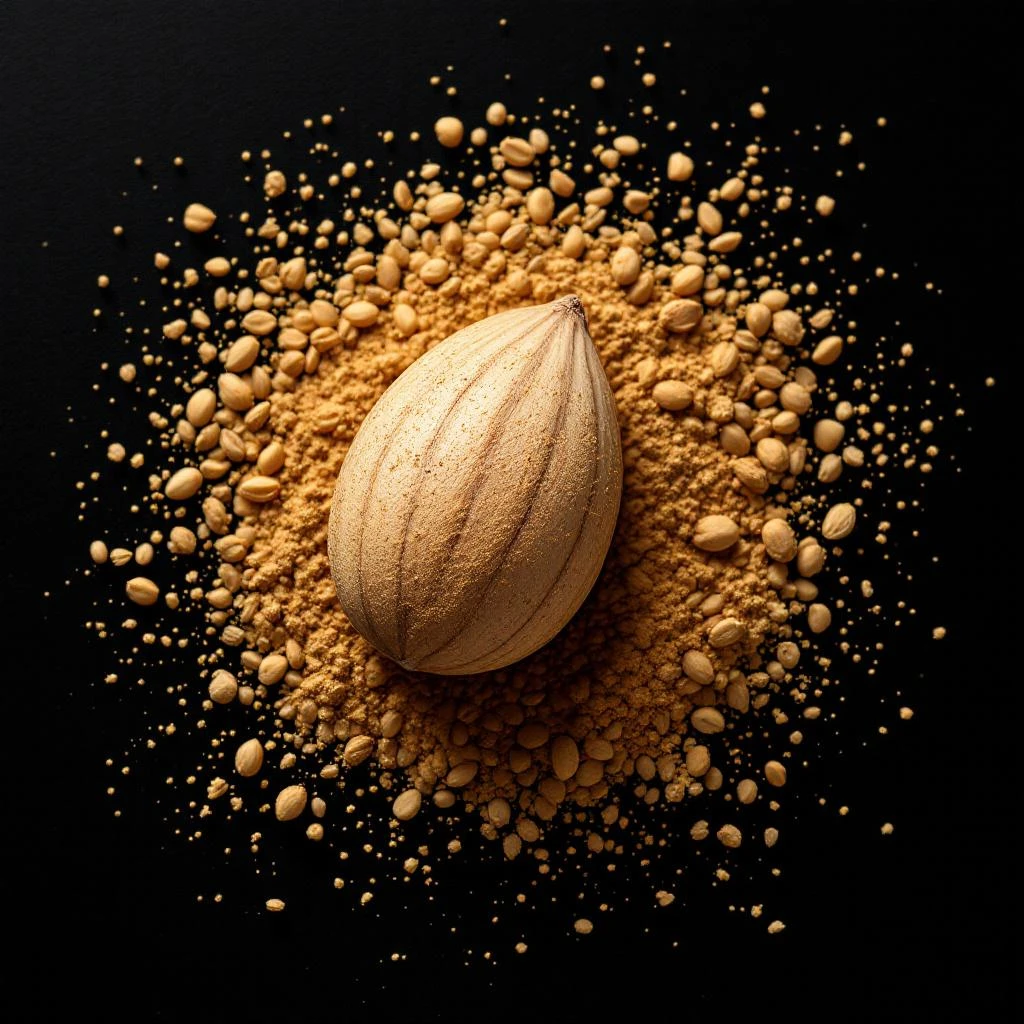
Harvesters collect opoponax by making deliberate cuts in the bark of Commiphora erythraea. The tree responds by secreting a sticky oleo-gum-resin that hardens into small tears or lumps over days. Collectors return periodically to gather the hardened material, typically during dry seasons when resin flow is most abundant.
What is the difference between opoponax and myrrh?
Both derive from Commiphora species, but myrrh comes mainly from Commiphora myrrha while opoponax comes from Commiphora erythraea. Opoponax earns the name 'sweet myrrh' due to its honeyed, warmer scent profile compared to myrrh's sharper, more bitter character. They are distinct ingredients often used together in perfumery.
Is opoponax still used in modern perfumery?
Opoponax absolute remains a valued ingredient in niche and artisan perfumery, though it appears less frequently in mass-market fragrances. Its warm, complex character suits oriental, chypre, and woody fragrance families. Demand fluctuates with supply from Somali harvesters, making consistent quality important.
What fragrance families use opoponax?
Oriental fragrances most commonly feature opoponax for their warm, resinous base notes. It also appears in chypre compositions and some woody fragrances seeking depth and sweetness. Perfumers pair it with ingredients like labdanum, vanilla, and sandalwood to enhance its ambery qualities.
Does Iranian Opoponax come from Iran?
No. The raw material originates from Commiphora erythraea native to the Horn of Africa, mainly Somalia. 'Iranian Opoponax' refers to opoponax that traveled through historical Persian trade routes or was processed using techniques refined by Iranian perfumers over centuries.
How long has opoponax been used in perfumery?
Ancient Egyptians and Mesopotamians used aromatic resins including opoponax by 1200 BCE. Archaeological evidence shows these materials moved through established trade networks connecting Africa, Arabia, and Persia. Persian perfumers documented and refined their use over subsequent centuries.