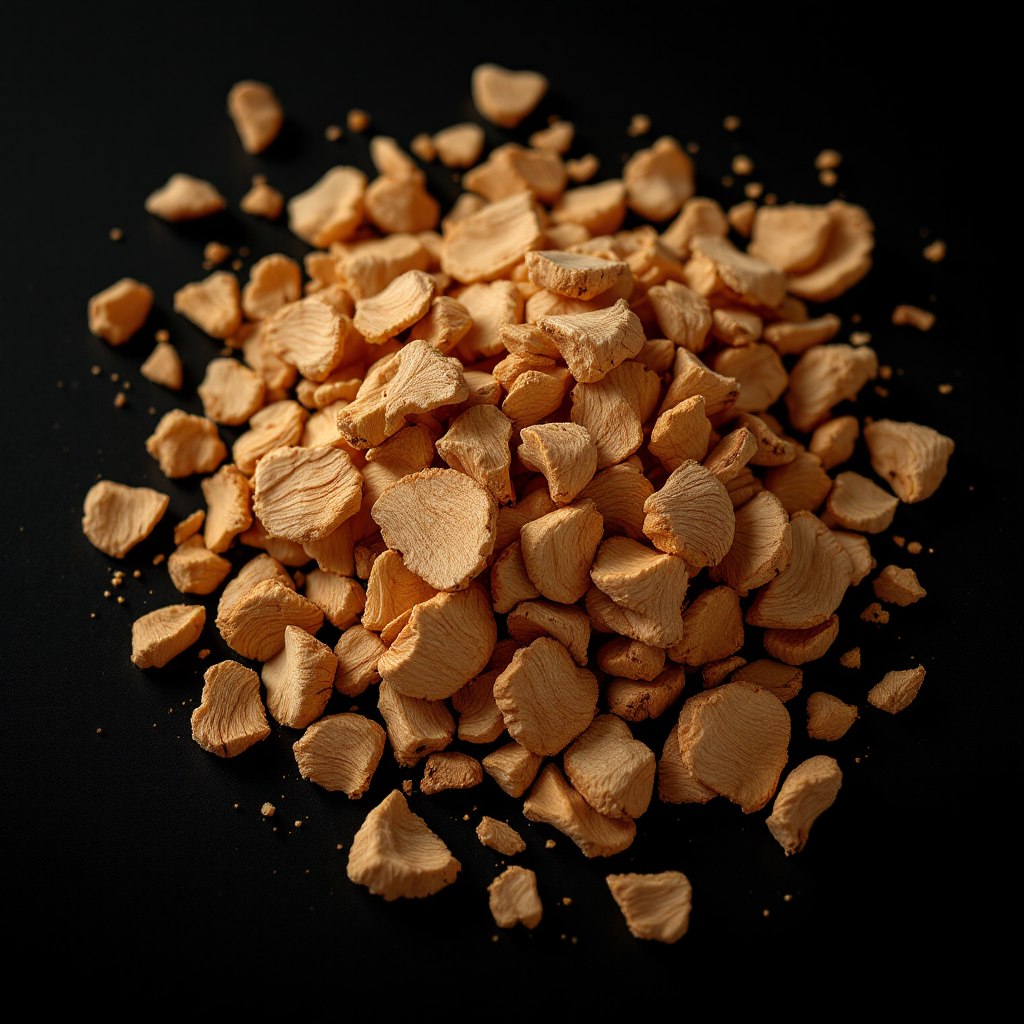
Provençal Blue Cedar
The dry, smoky soul of Mediterranean pine forests. Provençal Blue Cedar brings a distinctly French woodland character to fragrance, with resinous warmth and a quietly commanding presence that anchors compositions.
Character
How it smells
Mediterranean resin, French soul.
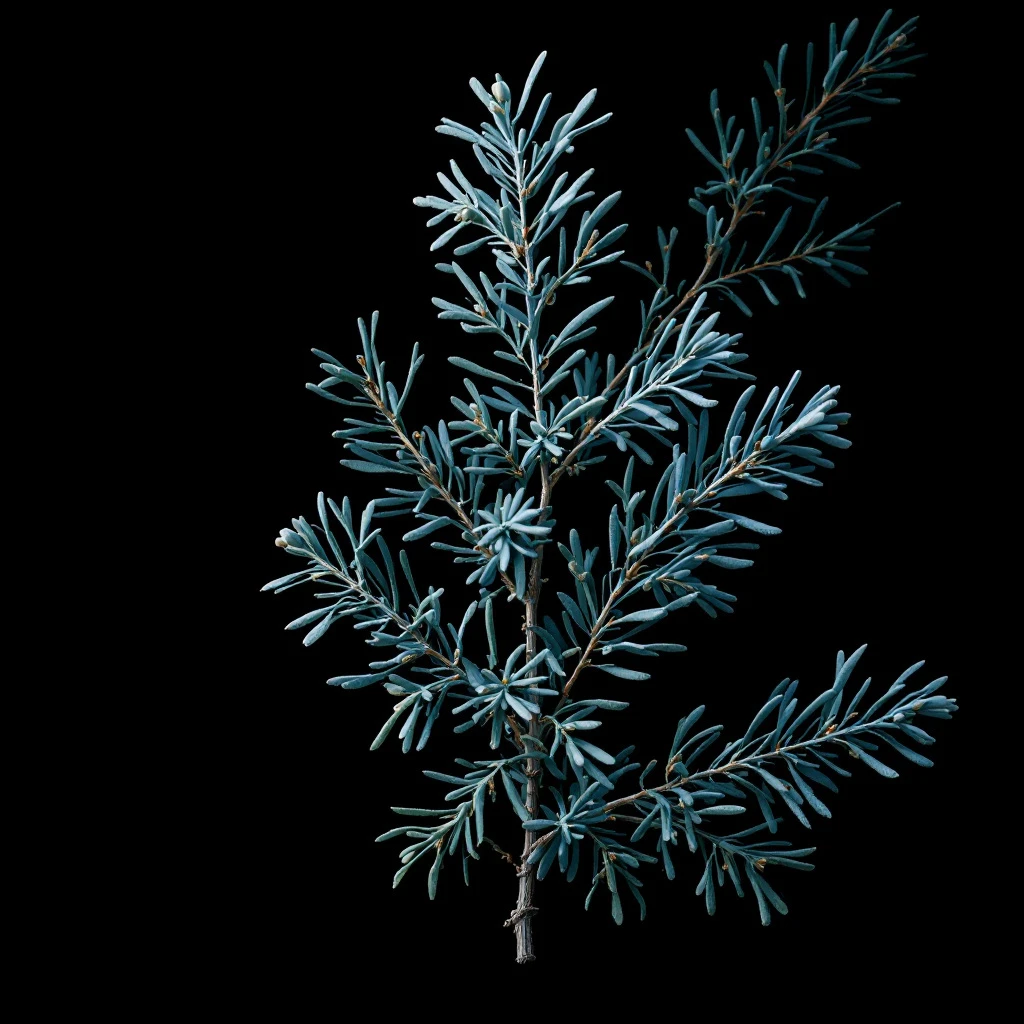
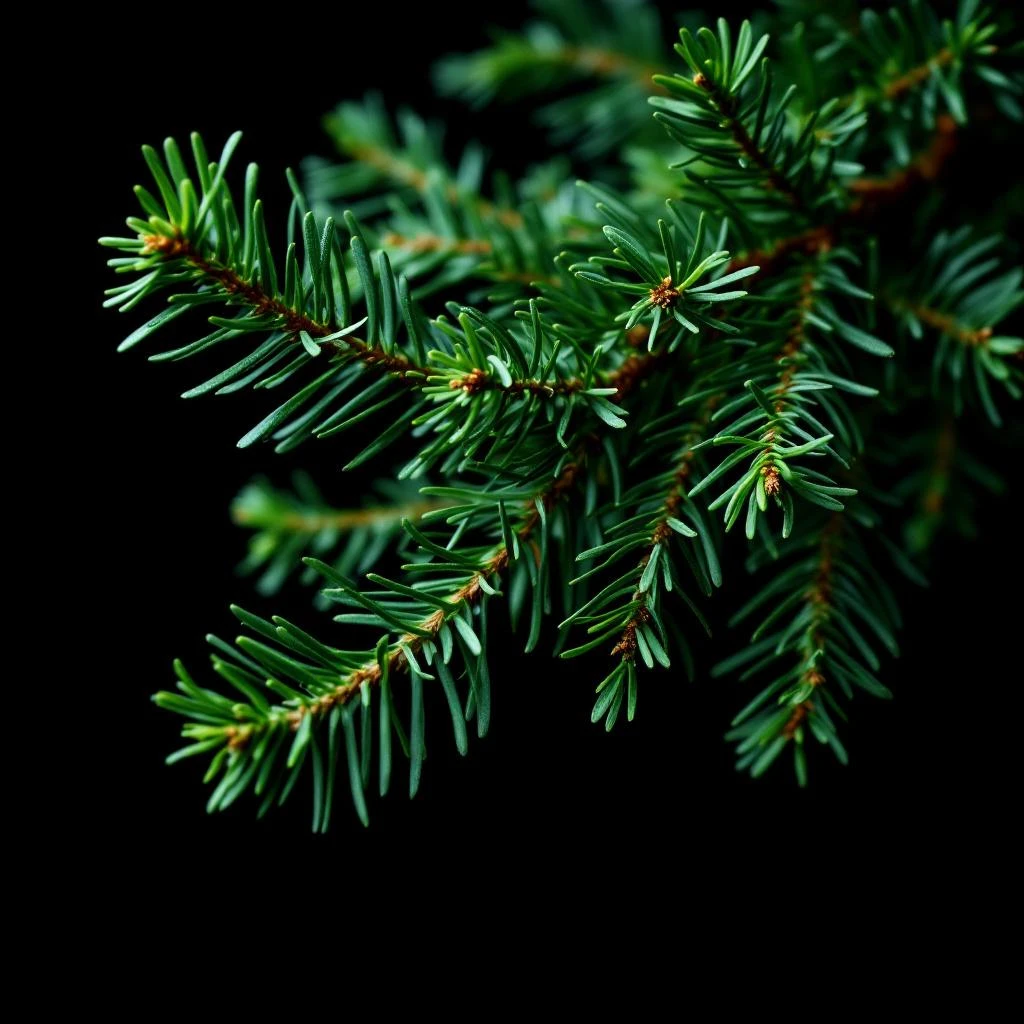
The "blue" in its name refers to the distinctive bluish-green hue of its needles, visible from the hillsides above Provence.




Origin
France
Cade holds a storied place in Provençal heritage. For generations, shepherds and farmers burned cade wood to fragrance their homes and repel insects from livestock. Apothecaries across medieval Provence prescribed cade preparations for skin ailments and respiratory complaints.
The oil entered perfumery in the 18th century when Grasse-based formulators discovered its remarkable fixative properties. Napoleon-era fragrance houses used cade as a base note in leather colognes popular among the Provençal aristocracy. The distinctive smoky character became synonymous with rural French sophistication.
Today, cade remains a rare and regional material, prized by perfumers who seek authentic Mediterranean warmth over synthetic alternatives. Its limited availability and labor-intensive extraction preserve its status as a craftsman's ingredient.
Wears it best
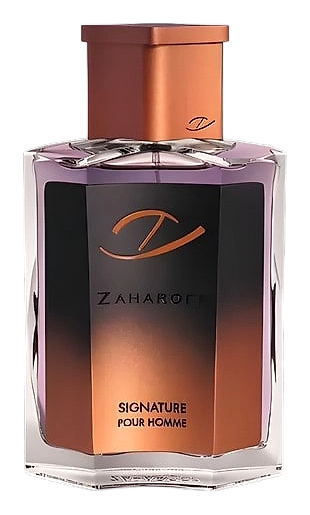
Fragrances featuring Provençal Blue Cedar
Brands
Brands known for Provençal Blue Cedar
Good to know
Questions, answered
The essentials on Provençal Blue Cedar in perfumery: how it smells, where it comes from, and how it behaves on skin.
What does Provençal Blue Cedar smell like?
It carries a dry, smoky, resinous character with warm wood undertones. Unlike Virginian cedar's clean pencil-shaving quality, Provençal Blue Cedar brings Mediterranean earthiness and a faint tarry sweetness that feels distinctly rural and French.
Is Provençal Blue Cedar a natural or synthetic ingredient?
It is entirely natural, derived from Juniperus oxycedrus native to the Provençal hills. The oil is produced through dry distillation of wild-harvested branches and wood, not synthesized in a laboratory.
What role does Provençal Blue Cedar play in fragrance formulas?
It functions primarily as a fixative and base note. The resinous compounds slow the evaporation of lighter top notes, extending a fragrance's longevity on skin. Its strong character also provides olfactory weight and depth.
Where does Provençal Blue Cedar grow?
Juniperus oxycedrus thrives on the limestone slopes of Provence, particularly in the Var and Alpes-de-Haute-Provence departments. The dry, rocky terrain and Mediterranean climate produce the concentrated resin content perfumers seek.
How is Provençal Blue Cedar oil extracted?
Producers use dry (pyrogenous) distillation, heating the wood in sealed vessels without water or steam. This controlled pyrolysis releases the essential oil from the resinous heartwood, yielding a dark oil with intense aromatic compounds.
Does Provençal Blue Cedar have historical significance?
Medieval Provençal apothecaries used cade preparations medicinally. By the 18th century, Grasse perfumers incorporated it into leather colognes and rural fragrance blends, establishing its place in French perfumery heritage.
How does Provençal Blue Cedar differ from Virginia Cedar?
Virginia Cedar (Juniperus virginiana) offers clean, pencil-like, slightly sweet woodiness. Provençal Blue Cedar delivers a darker, smokier, more resinous character shaped by the Mediterranean environment and dry distillation process.
Is Provençal Blue Cedar widely used in modern perfumery?
It remains relatively uncommon due to limited production and regional specificity. Niche and artisanal perfumers favor it for its authentic Provençal character and the heritage narrative it brings to fragrance composition.