Prairie Rose
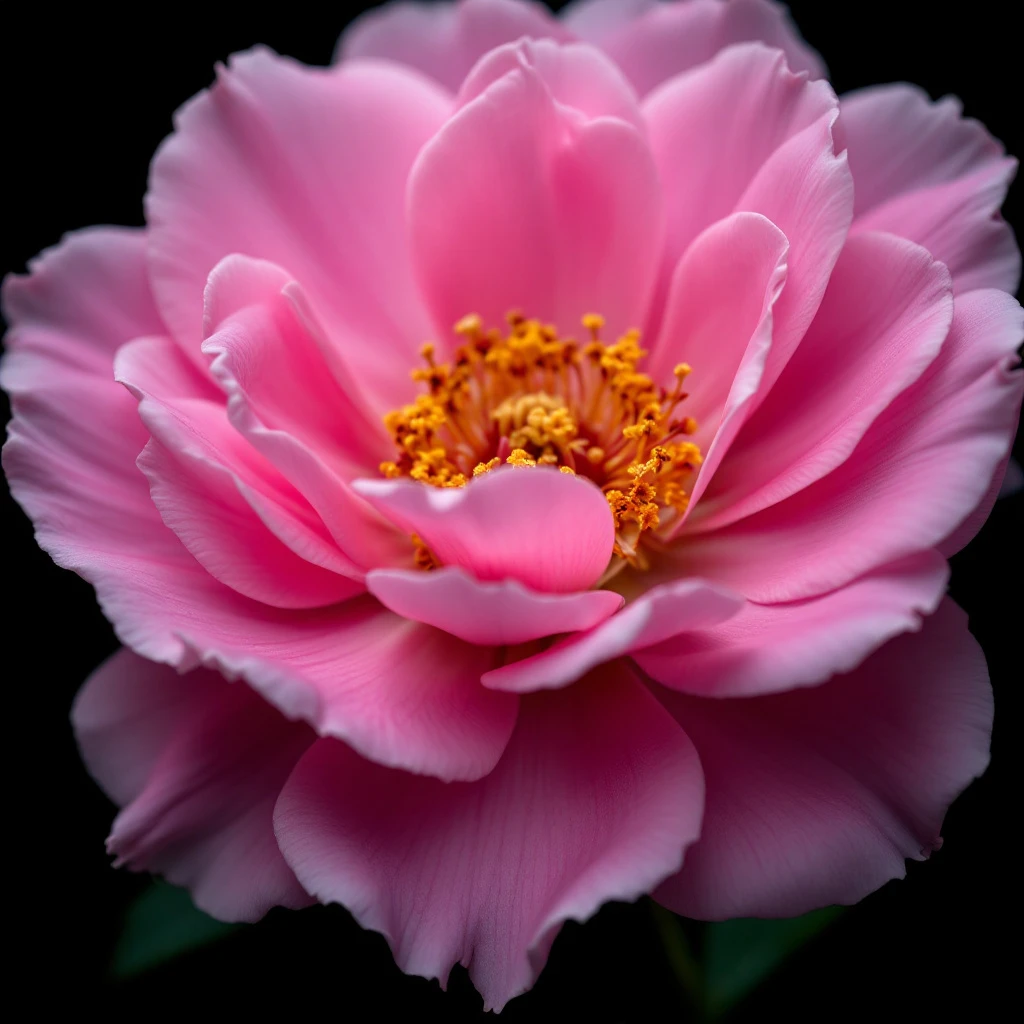
Prairie Rose captures the wild spirit of untamed North American rose species. Unlike cultivated garden roses, this material carries a fresher, greener character with subtle fruity undertones that speak of open skies and native landscapes.
Character
How it smells
The wild heart of the American prairie
It takes approximately 10,000 pounds of fresh rose petals to produce just one pound of absolute, though prairie rose yields are typically lower due to smaller bloom size.


Origin
United States
Native American tribes across the Great Plains used wild rose species for both medicinal and ceremonial purposes long before European settlement. Women of the Omaha and Ponca nations used rose petals in perfuming oils, while the Lakota incorporated rose hips into teas and poultices.
Early settlers learned cultivation techniques from Indigenous peoples, gradually establishing rose gardens throughout the prairie states. The material gained recognition in perfumery during the early 20th century when American fragrance houses sought domestically sourced alternatives to expensive European rose oils.
By the 1920s, wild rose extraction operations had established themselves in Kansas and Nebraska, serving the growing American cosmetics industry. Today, Prairie Rose remains a niche but valued material, prized by perfumers seeking to create distinctly American fragrance stories.
Wears it best
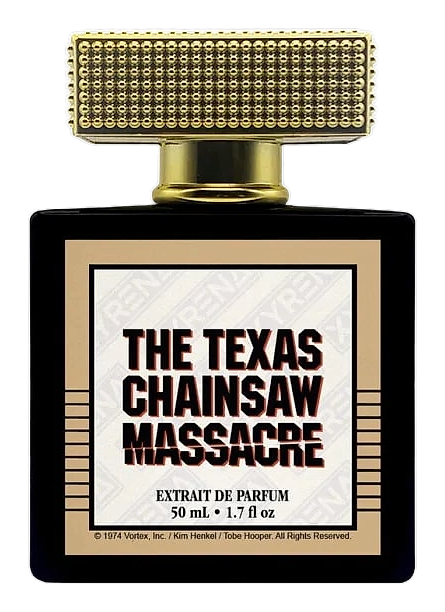
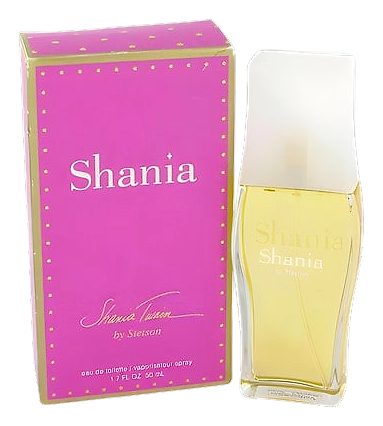
Fragrances featuring Prairie Rose
Brands
Brands known for Prairie Rose
Good to know
Questions, answered
The essentials on Prairie Rose in perfumery: how it smells, where it comes from, and how it behaves on skin.
What does Prairie Rose smell like compared to traditional rose?
Prairie Rose offers a fresher, greener profile than Damask or Centifolia roses. The scent carries distinct herbal and fruity notes reminiscent of wild strawberry, with less honeyed sweetness than cultivated varieties.
Is Prairie Rose a synthetic or natural ingredient?
Prairie Rose is a natural ingredient derived from wild North American rose species. Extraction uses solvent methods to capture the full aromatic complexity of the fresh petals.
Which perfume families use Prairie Rose?
Perfumers incorporate Prairie Rose in floral, chypre, and green fragrance families. It works particularly well in modern compositions aiming for a natural, wild aesthetic.
How is Prairie Rose different from Damask rose?
Damask rose (Rosa damascena) offers deep, honeyed sweetness with rich petals. Prairie Rose provides a lighter, greener character with herbal undertones and subtle fruity notes absent in cultivated roses.
What extraction method preserves Prairie Rose best?
Solvent extraction captures the complete aromatic profile of Prairie Rose, including the volatile green compounds that steam distillation can damage. The resulting absolute delivers the signature wild character.
Why is Prairie Rose less common than other rose materials?
Prairie Rose yields smaller blooms than cultivated species, requiring more plants for equivalent output. Wild harvesting logistics and seasonal availability further limit production volume.
Can Prairie Rose be combined with other rose materials?
Prairie Rose pairs effectively with Damask rose absolutes, creating depth while maintaining freshness. The combination balances cultivated sweetness with wild green notes.
What growing conditions affect Prairie Rose quality?
Prairie roses thrive in well-drained soil with full sun exposure. Cool nights during the growing season concentrate essential oils, producing more aromatic-dense petals.





