Wild Bergamot
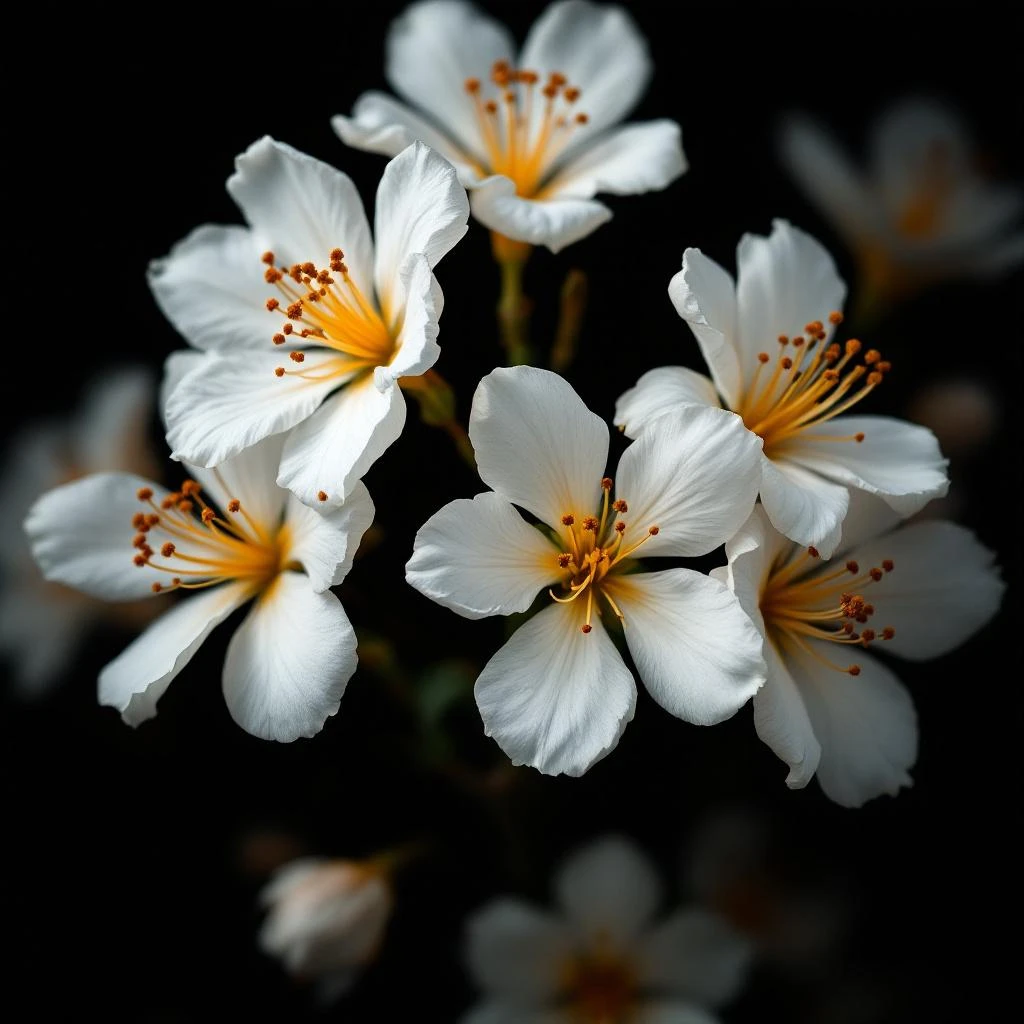
Monarda fistulosa, a wildflower native to North American prairies. Its tubular lavender blooms and aromatic leaves yield an essential oil prized in niche perfumery for its complex, herbaceous character.
Character
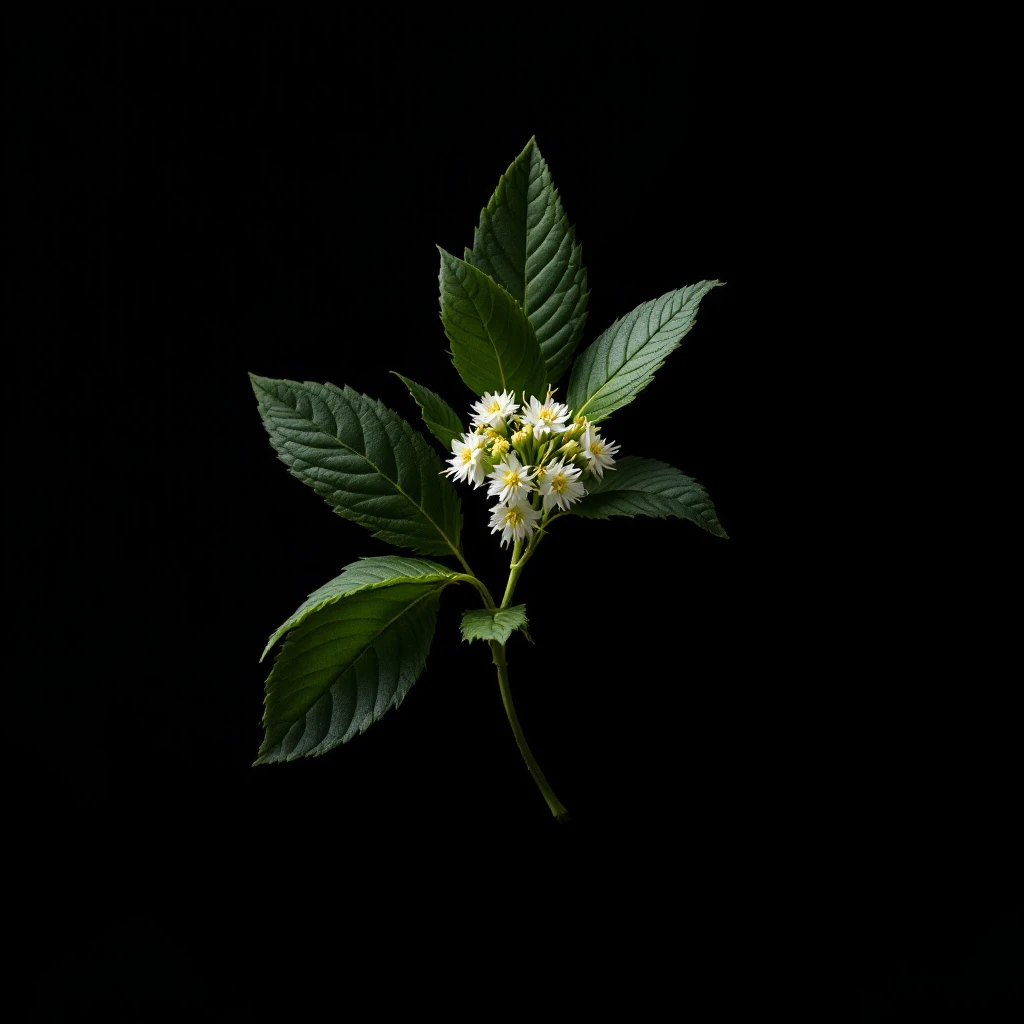
How it smells
A North American wildflower with perfumery secrets.
Indigenous peoples called this plant "bee balm" because its bright blooms attracted pollinators so intensely that the surrounding air hummed.




Origin
United States
Indigenous peoples of North America used Monarda fistulosa as a medicinal herb for centuries before European contact. Various tribes applied the plant to address respiratory ailments, digestive complaints, and skin irritations. The common name "bee balm" reflects the flower's powerful attraction for pollinators.
Swedish botanist Carl Linnaeus formally described the species in 1753, naming the genus Monarda to honor Nicolás Bautista Monardes, a Spanish physician who documented New World medicinal plants in the 16th century. The specific epithet "fistulosa" refers to the tubular shape of the individual flowers. European settlers adopted the plant rapidly, incorporating it into their own folk medicine traditions.
The species naturalized widely across North America, thriving in prairie ecosystems from Canada to Mexico. Horticulturists developed numerous ornamental cultivars over the following centuries, though the wild type retains distinct aromatic properties prized by perfumers. The plant's occasional use as a bergamot substitute in flavor applications stems from superficial similarities with Citrus bergamia, the true source of Earl Grey tea's characteristic taste.
Wears it best
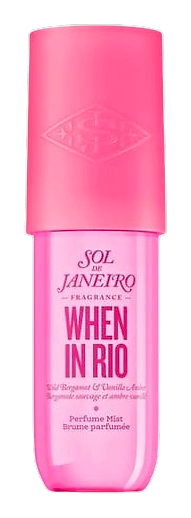
Fragrances featuring Wild Bergamot

Brands
Brands known for Wild Bergamot
Good to know
Questions, answered
The essentials on Wild Bergamot in perfumery: how it smells, where it comes from, and how it behaves on skin.
Is wild bergamot the same as bergamot citrus?
No. Wild bergamot (Monarda fistulosa) is a North American wildflower in the mint family. Citrus bergamia is a Mediterranean citrus fruit. Both have aromatic complexity, but they belong to entirely different botanical families and produce distinct aromatic profiles.
Where does wild bergamot grow?
Wild bergamot grows across central and eastern North America, from southern Canada through the Great Plains into Mexico. It thrives in prairie ecosystems, open woodlands, and meadows with well-drained soils.
What does wild bergamot smell like?
Wild bergamot essential oil is herbaceous with pronounced thyme-like warmth, subtle citrus undertones, and gentle floral sweetness. The dominant compound, thymol, gives it a clean, medicinal freshness that distinguishes it from true citrus bergamot.
How does wild bergamot differ from bergamot in perfumery?
Citrus bergamot yields bright, sparkling top notes with sweet-floral and slightly bitter facets. Wild bergamot (Monarda) produces deeper, herbaceous heart notes with more complex, earthy dimensionality. Perfumery applications differ substantially.
What regions produce wild bergamot oil?
The primary production regions include the American Midwest and southern Canada, particularly Ontario. Organic farms in Minnesota, Wisconsin, and surrounding states supply most commercial quantities. Wild-crafted material also comes from undisturbed prairie remnants.
What is wild bergamot's traditional use?
Indigenous tribes including the Menominee, Cherokee, and others used wild bergamot as a medicinal tea for colds, sore throats, and digestive discomfort. They also applied poultices made from crushed leaves to wounds and skin irritations.
How is wild bergamot oil extracted?
Steam distillation extracts the essential oil from fresh-cut flower tops and upper foliage. The process requires precise temperature control to preserve thymol and other volatile compounds. Distillation yields approximately 0.1 to 0.5 percent of oil by weight from plant material.
Why is it called wild bergamot?
The name references superficial similarities with true citrus bergamot. The plant's squared stems, aromatic leaves, and tubular flowers vaguely resemble citrus characteristics. "Wild" distinguishes it from cultivated citrus while acknowledging the shared aromatic qualities.