Mesquite Tree
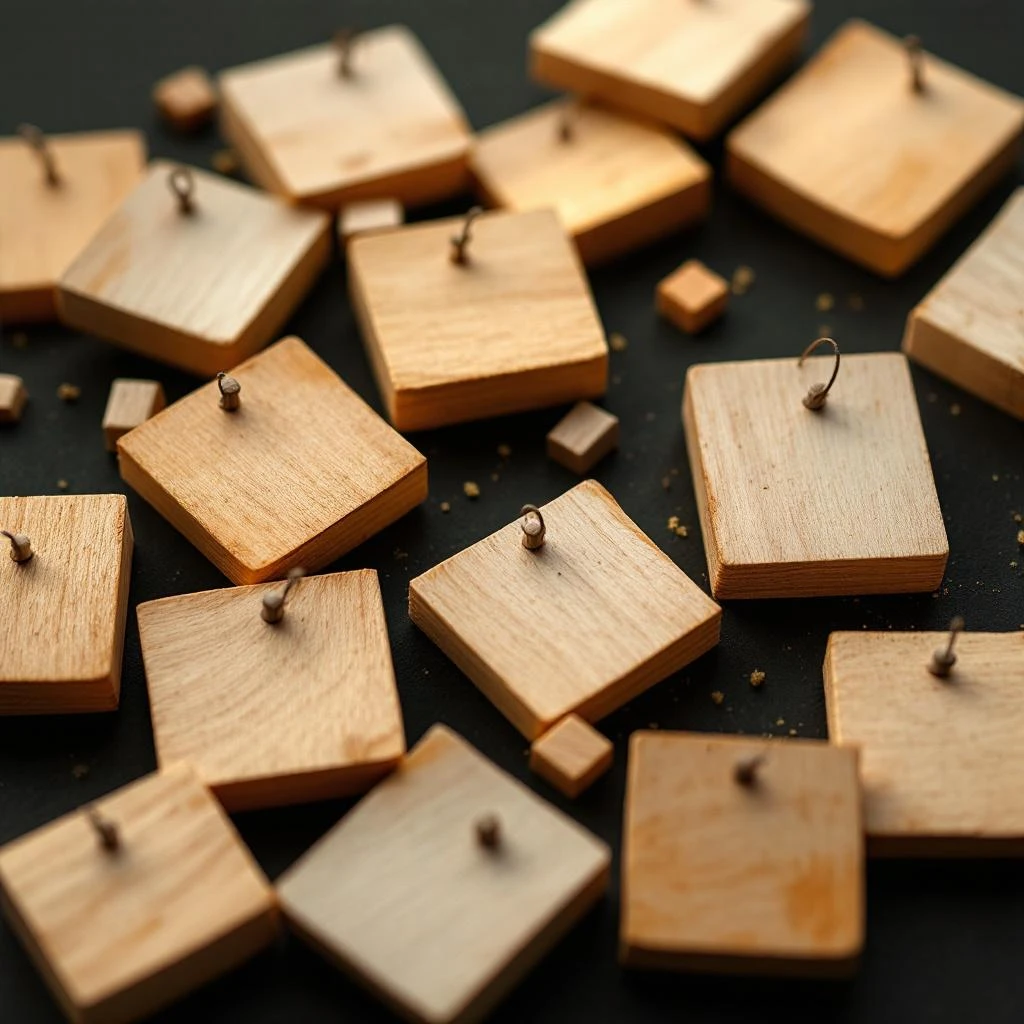
Mesquite in perfumery is a conceptual note that captures the warm, smoky essence of the American Southwest desert. Rather than a distilled oil, perfumers recreate its character using aromatic materials that evoke sun-baked wood, distant campfires, and the resinous sweetness of desert landscapes. The note brings outdoor warmth and rustic authenticity to fragrance compositions.
Character
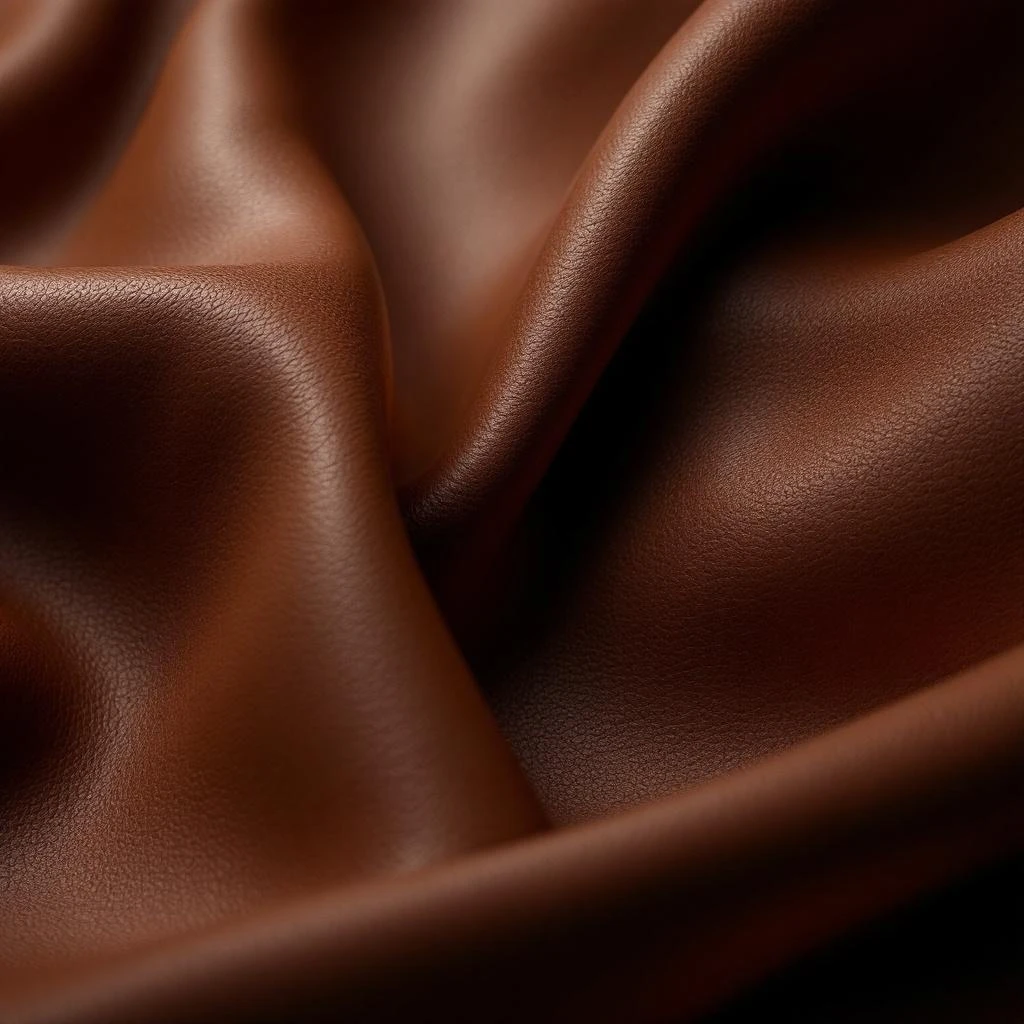
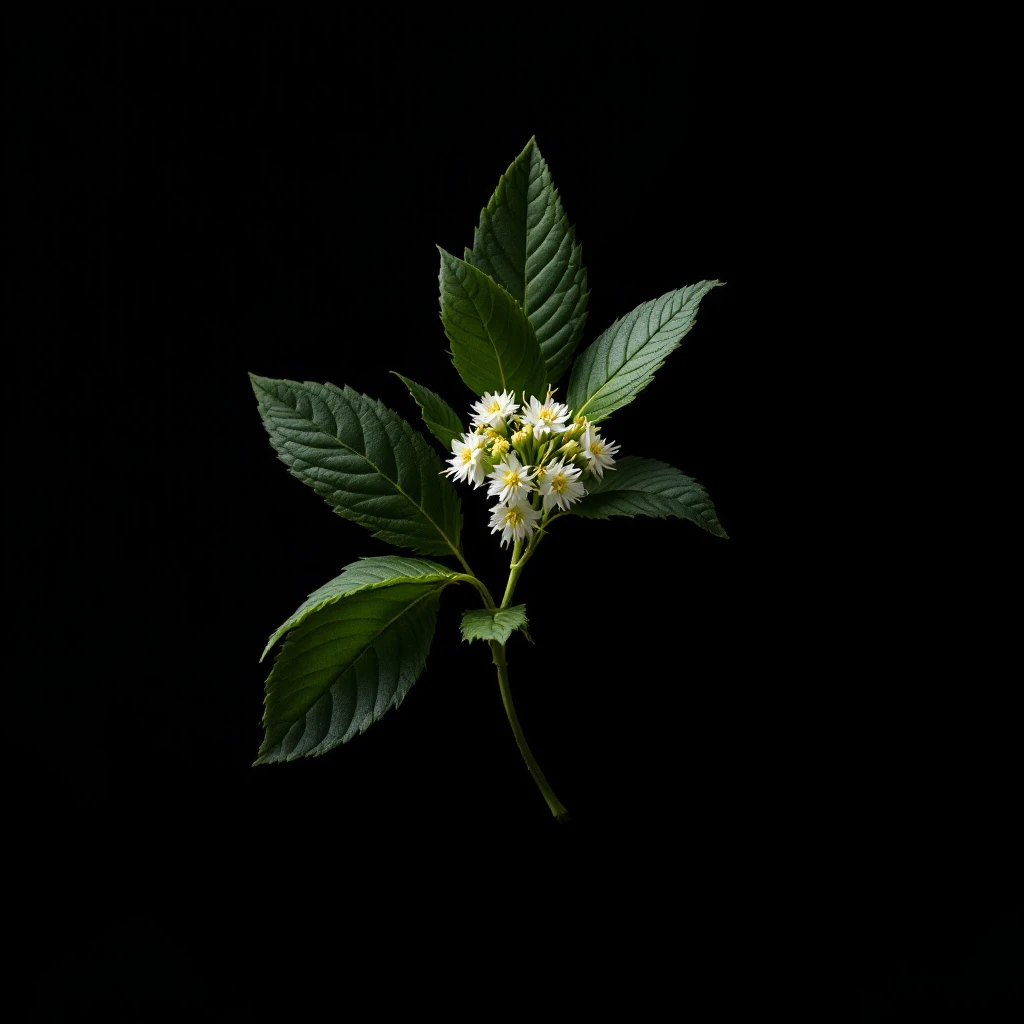
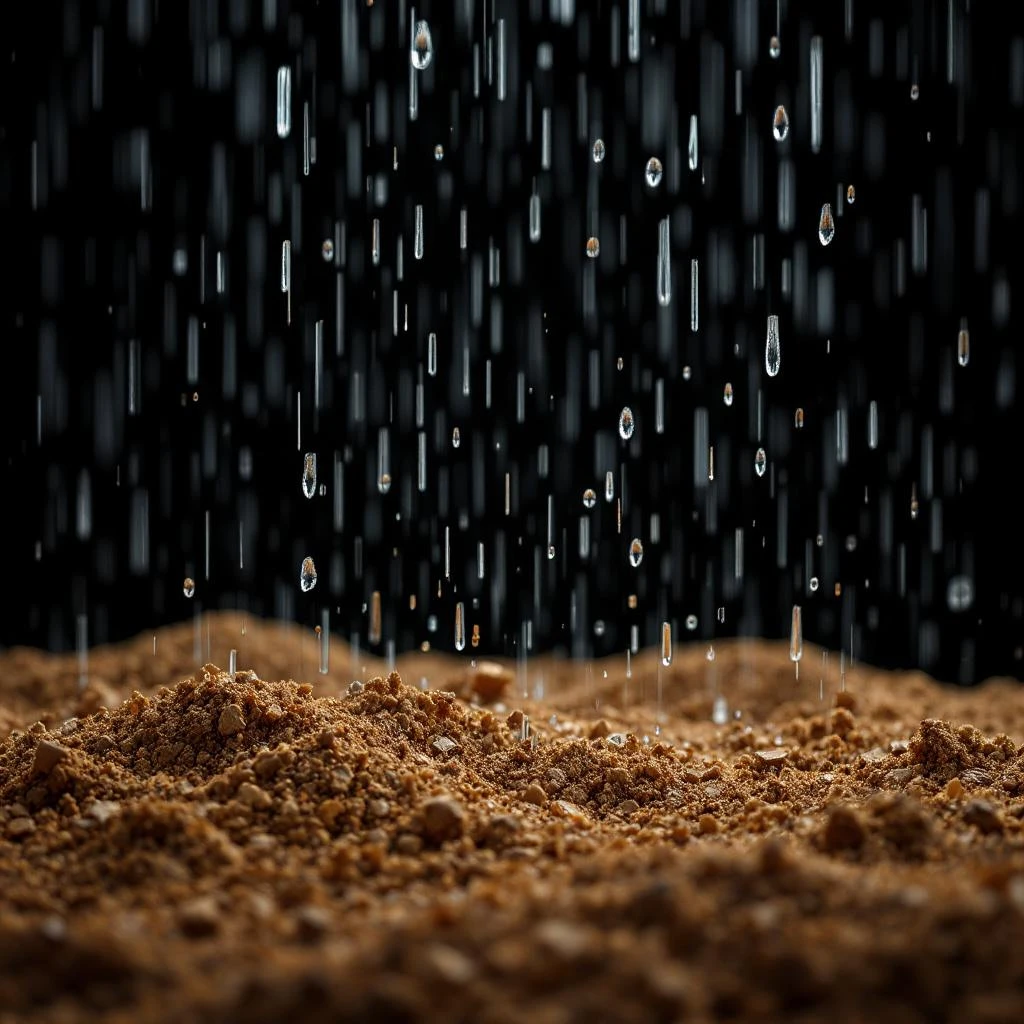
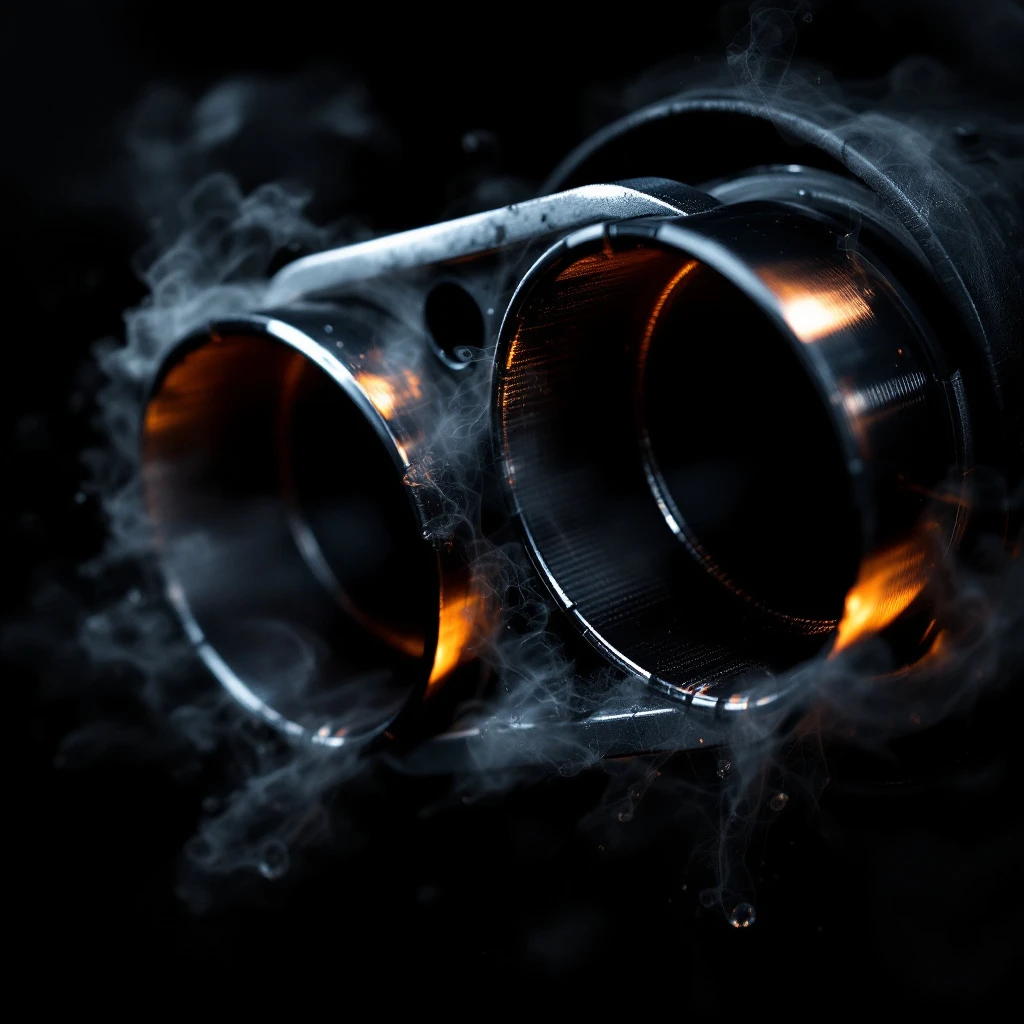
How it smells
The aromatic soul of the desert Southwest, captured in scent.
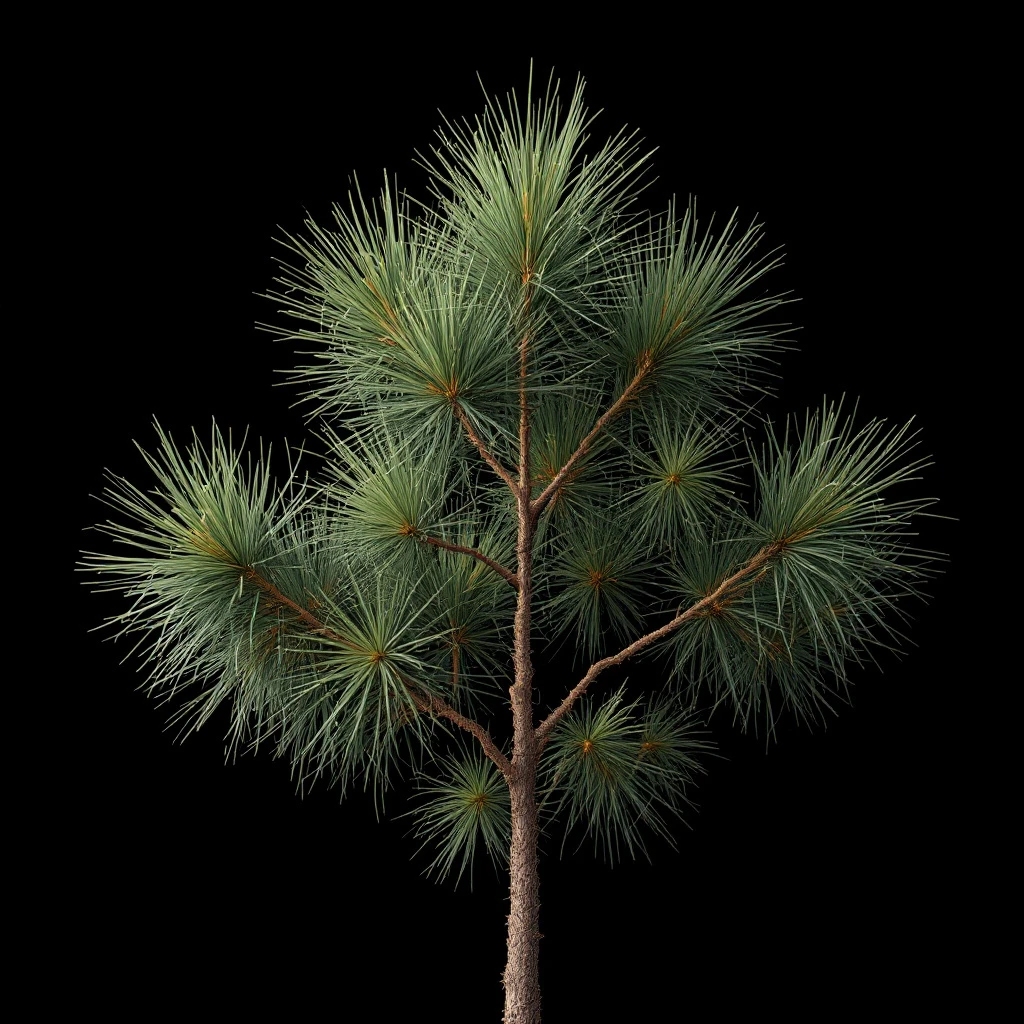
Mesquite trees can live for over 200 years and their deep roots access water sources that other plants cannot reach, giving the wood its concentrated aromatic character.

Origin
United States
Mesquite has shaped the cultural and culinary identity of the American Southwest for centuries. Indigenous peoples of the region relied on mesquite pods as a food source, grinding them into flour for bread and sweet treats. The wood served practical purposes too, providing durable tools and fuel for cooking and warmth.
When Spanish colonizers arrived, they encountered mesquite groves and assigned the name 'algarrobo,' continuing the tree's integration into regional life. During the 19th and 20th centuries, as the American Southwest became popularized in literature and film, mesquite became synonymous with frontier aesthetics: open skies, desert heat, and evening campfires. Perfumery adopted the note later, drawing on these cultural associations to create fragrances that evoke outdoor warmth and natural authenticity.
Today, mesquite remains a marker of regional identity in American perfumery, appearing in compositions that aim to capture a sense of place rooted in the desert landscape.
Wears it best
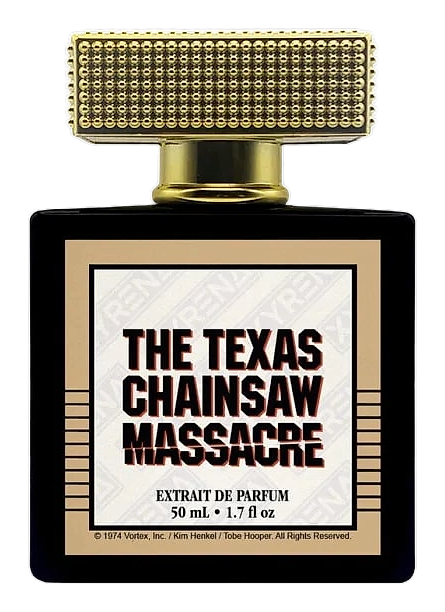
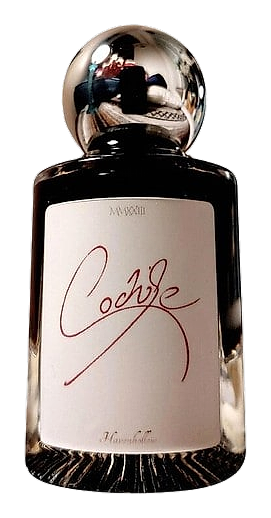
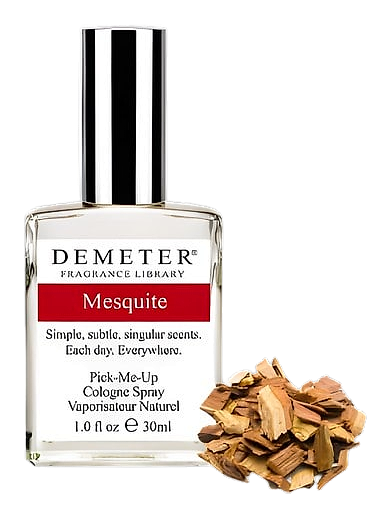
Fragrances featuring Mesquite Tree
Brands
Brands known for Mesquite Tree
Good to know
Questions, answered
The essentials on Mesquite Tree in perfumery: how it smells, where it comes from, and how it behaves on skin.
Is mesquite oil available for perfumery?
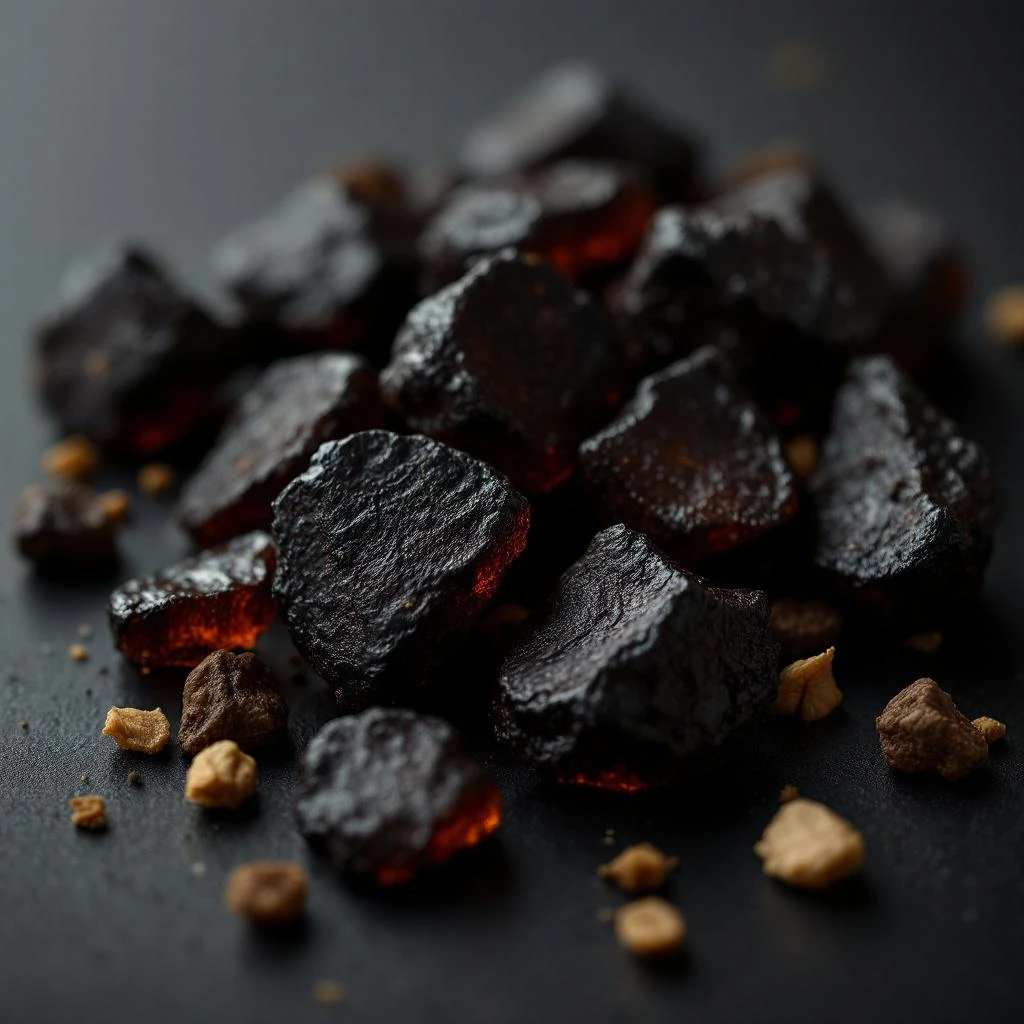
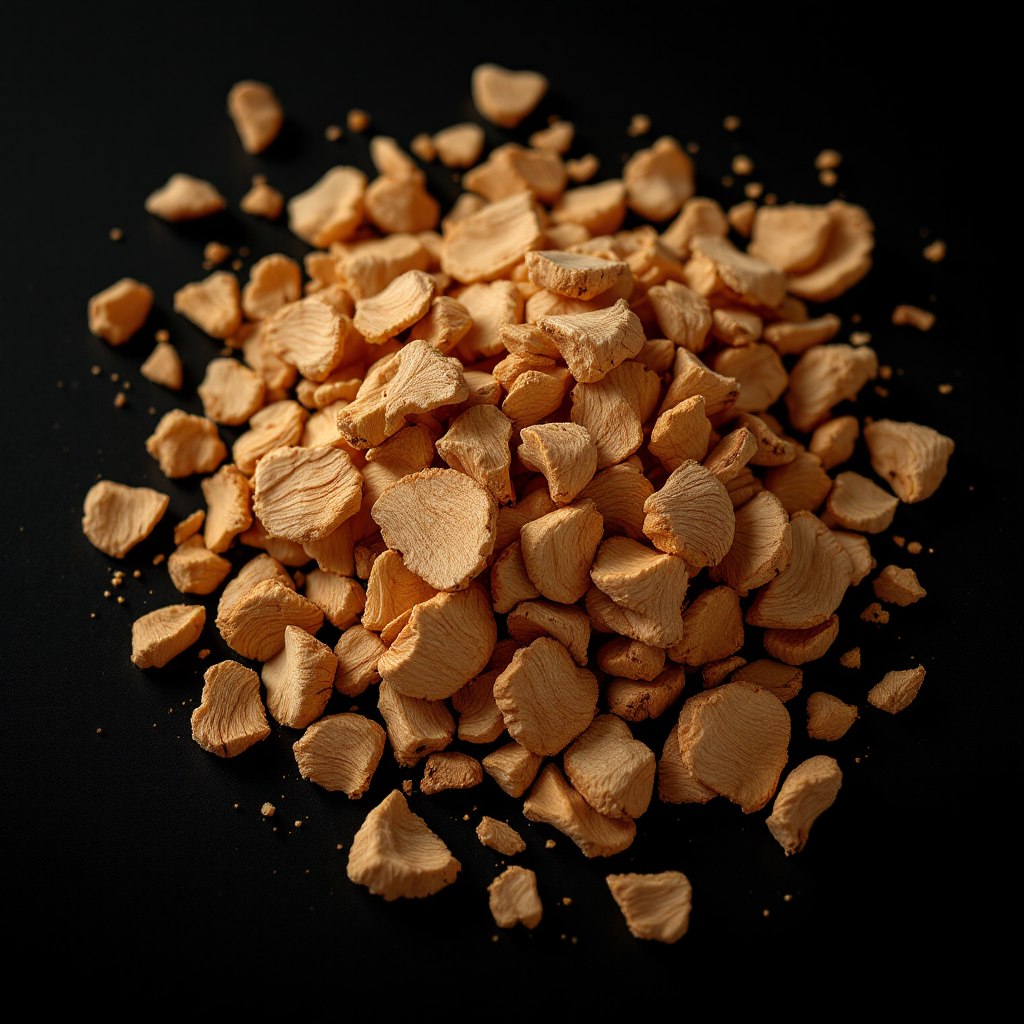
No commercial mesquite essential oil exists. The note is recreated using aromatic materials like cade oil, birch tar, and guaiac wood that together evoke mesquite's smoky, warm character.
What does mesquite smell like in fragrance?
Mesquite conveys warm woodsmoke, subtle sweetness, and dry resinous warmth. It evokes campfires, sun-baked wood, and the atmospheric heat of desert landscapes.
Which fragrances feature mesquite as a note?
Mesquite appears primarily in niche and artisanal fragrances that aim for Western or desert themes. Houses like Lost Apollo and other specialty perfumers incorporate it for its atmospheric qualities.
Is mesquite a natural or synthetic ingredient?
Mesquite functions as a conceptual note recreated through natural aromatic materials like smoke extracts and resinous woods. No synthetic analog specifically named 'mesquite' exists in perfumery.
Why do perfumers use mesquite instead of other smoky notes?
Mesquite carries specific cultural associations with the American Southwest that other smoke notes lack. It provides geographic specificity rather than generic woodsmoke character.
Does mesquite have any traditional perfumery use?
Unlike sandalwood or rose, mesquite has no historical tradition in perfumery. Its use emerged in the late 20th century as niche perfumery sought regional American olfactory identities.
Can mesquite wood be used directly in perfumery?
Some artisanal perfumers create macerations by soaking mesquite wood in alcohol, but this remains uncommon. The approach requires access to raw material and produces small quantities.
What fragrance families pair well with mesquite?
Mesquite complements leather, wood, and amber notes. It works in masculine and unisex compositions that aim for outdoor warmth, Western aesthetics, or desert-inspired atmospheres.