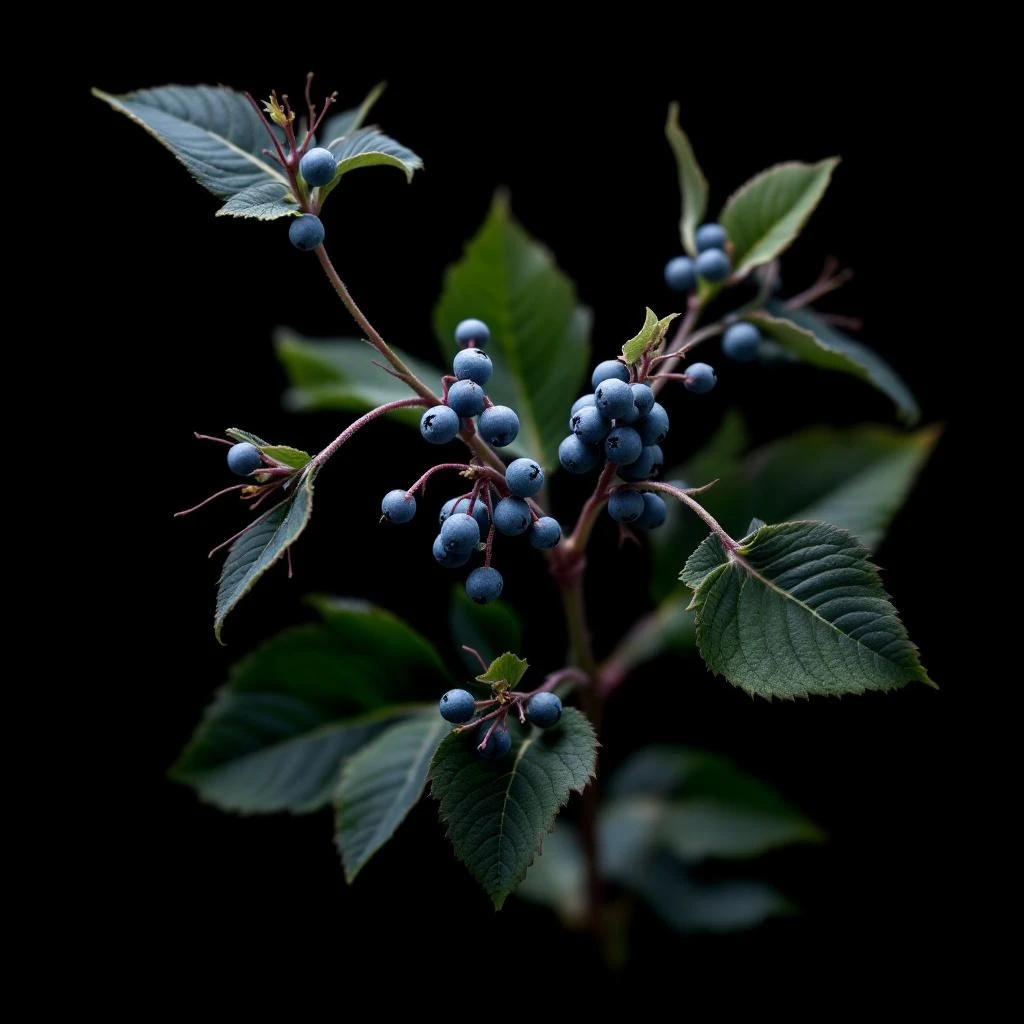
Pinus Arizonica Resin
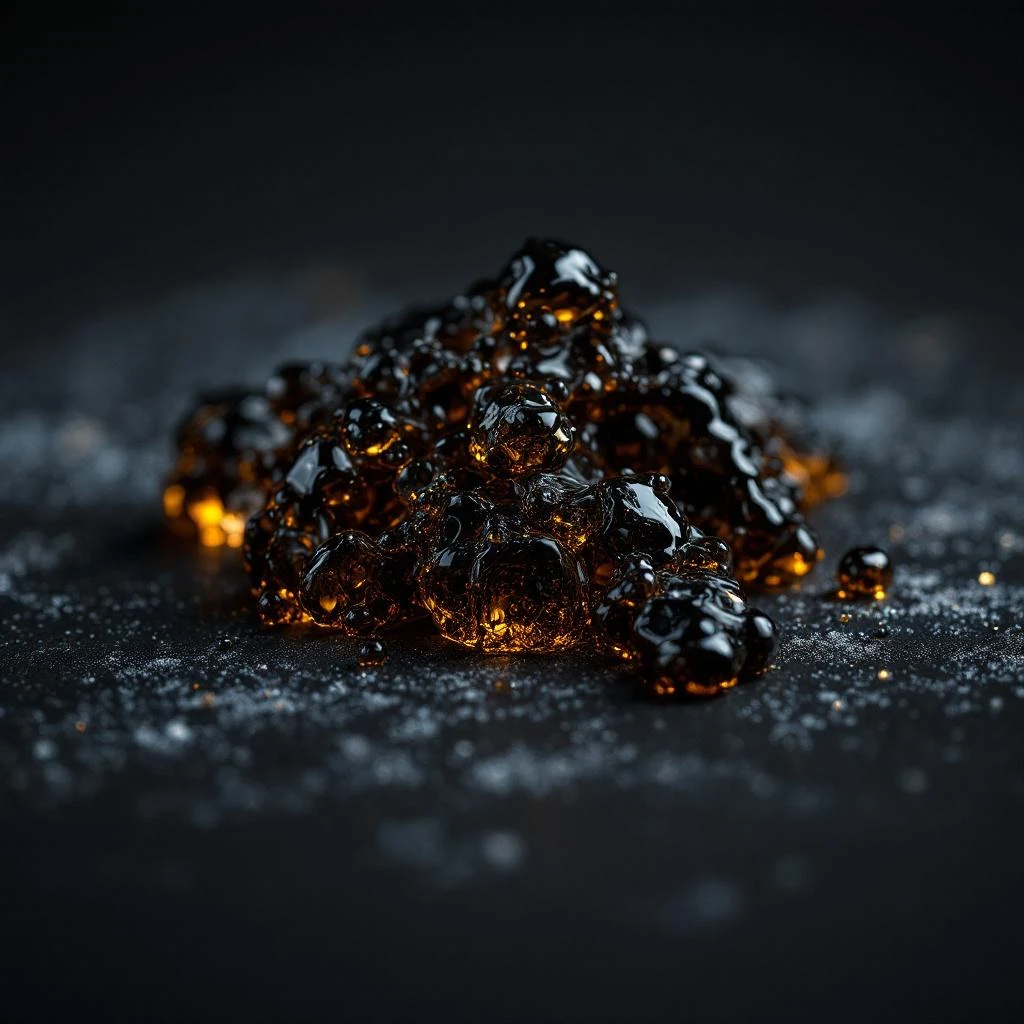
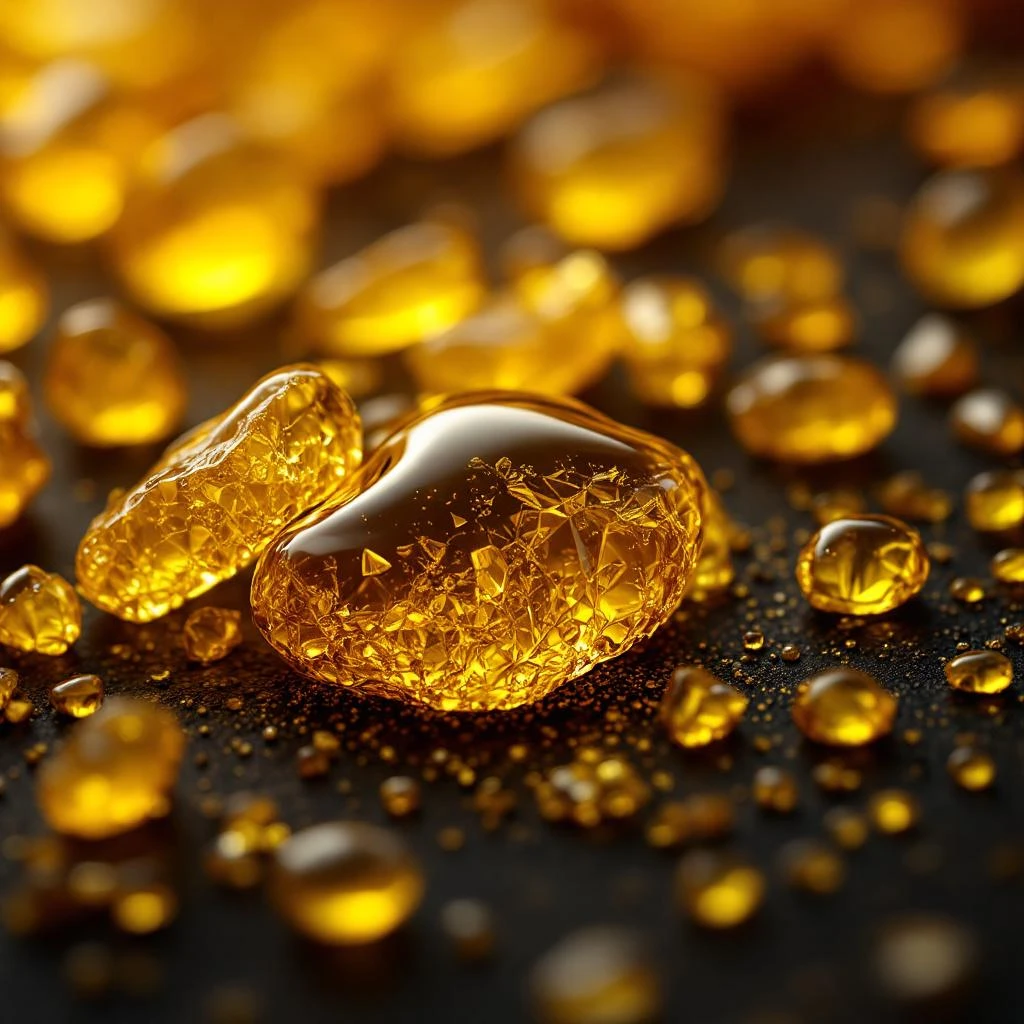
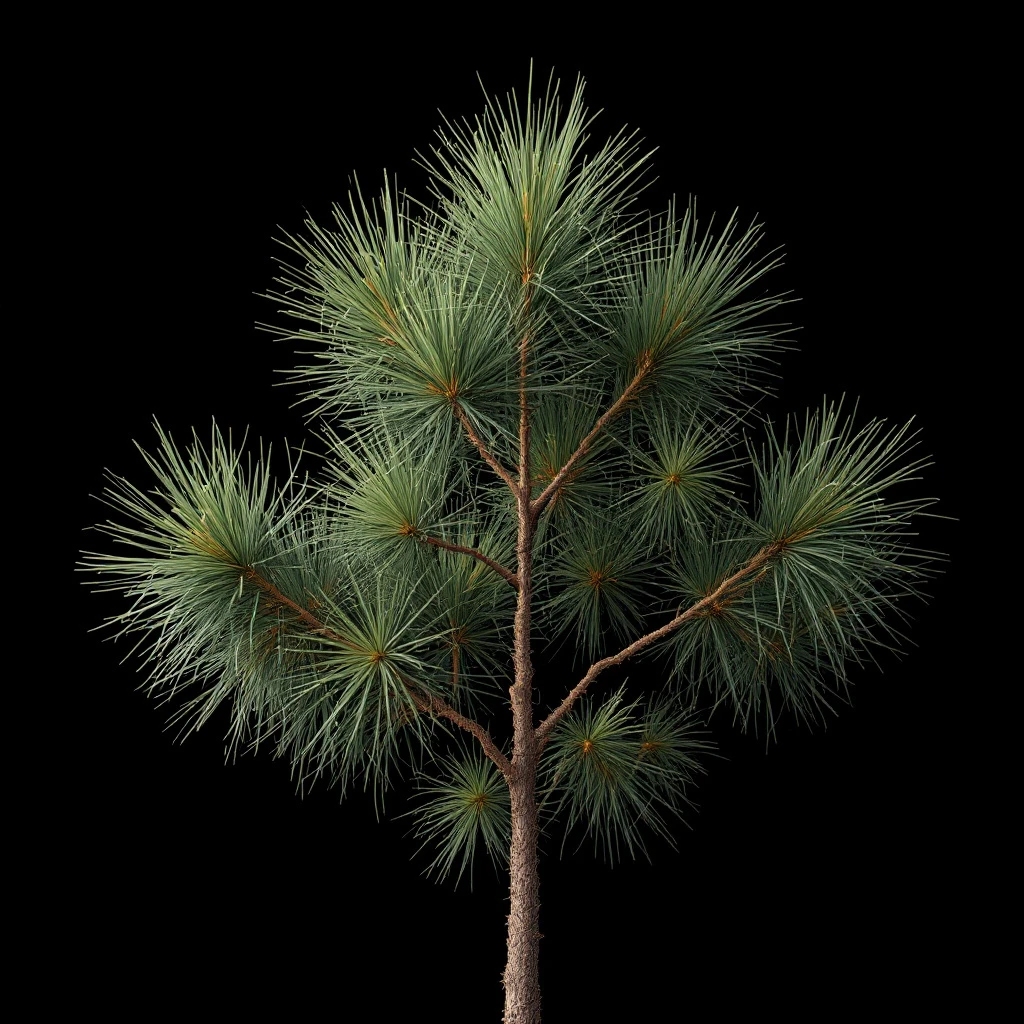
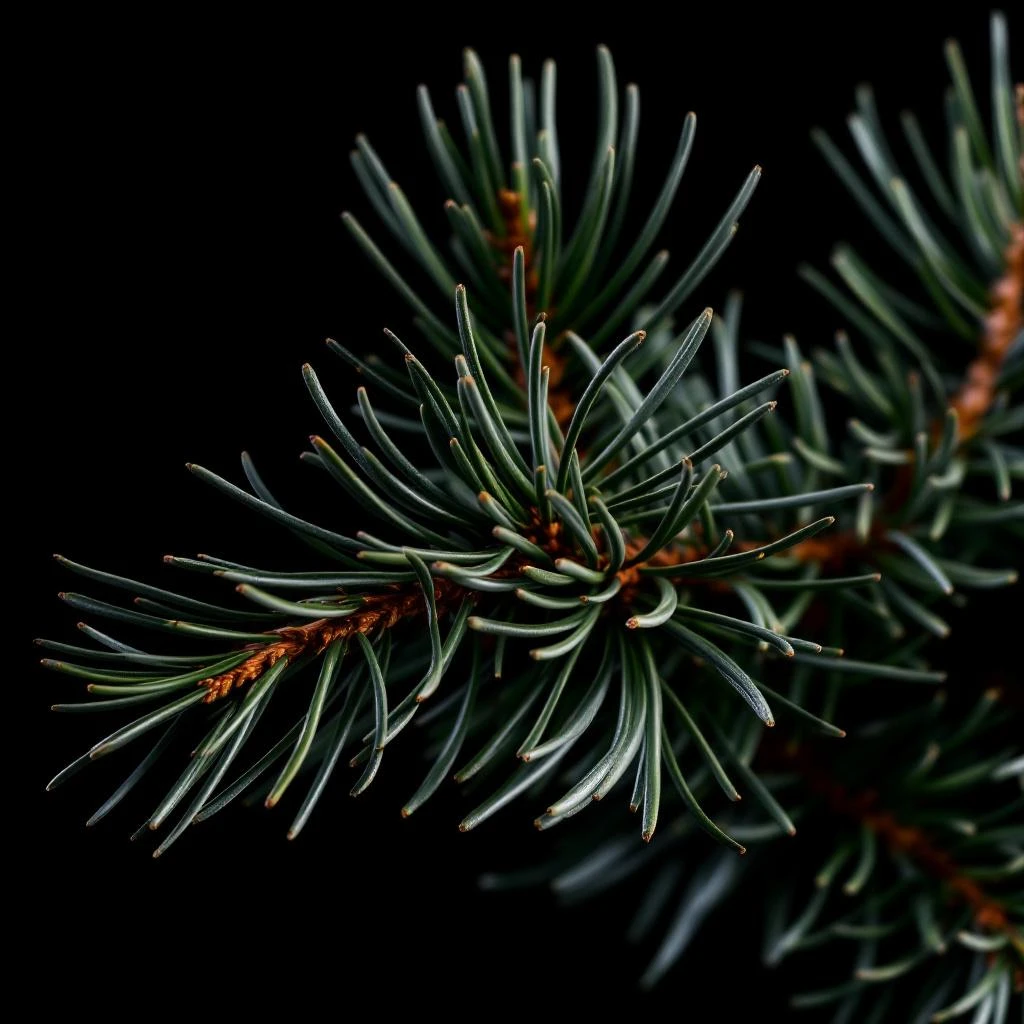
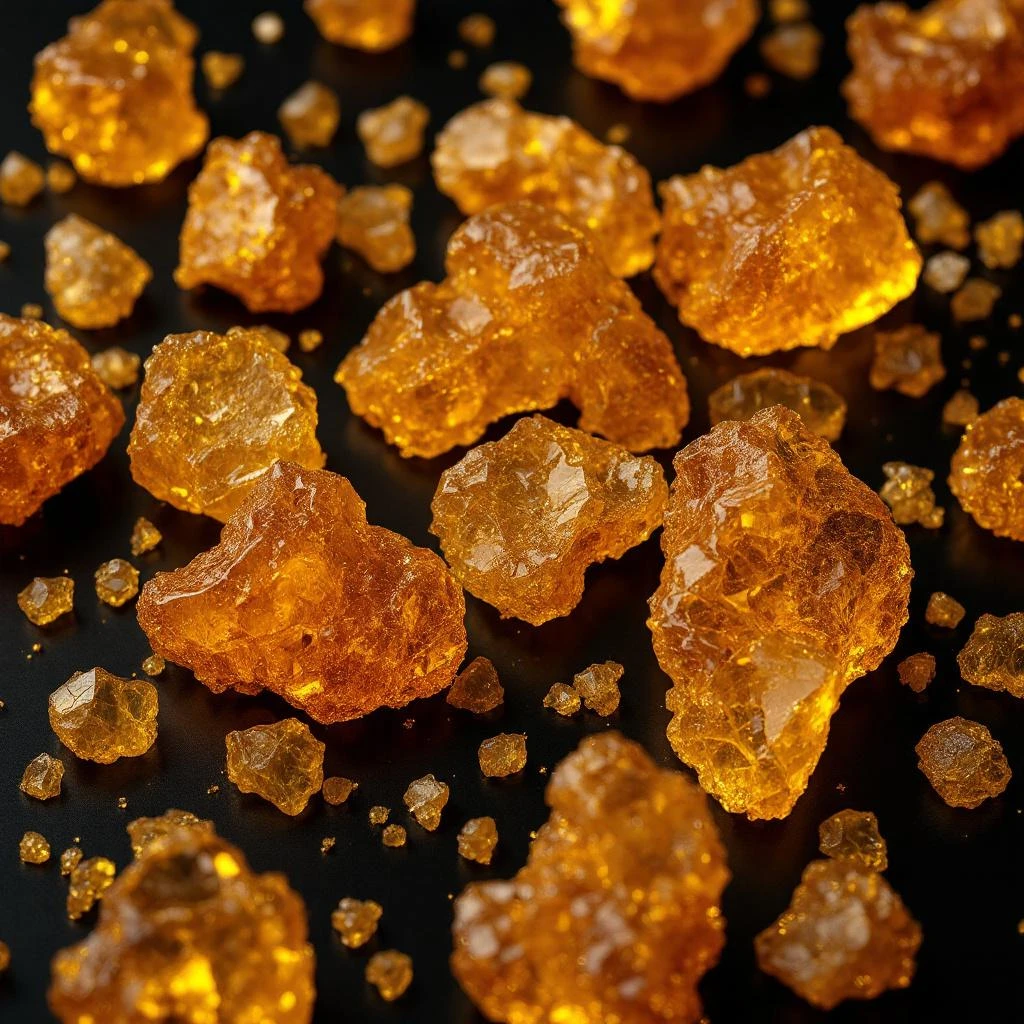
Pinus arizonica resin captures the rugged essence of high-altitude southwestern forests. This aromatic resin imparts a distinctive woody, balsamic character with subtle smoky undertones that bring depth and longevity to fragrance compositions.
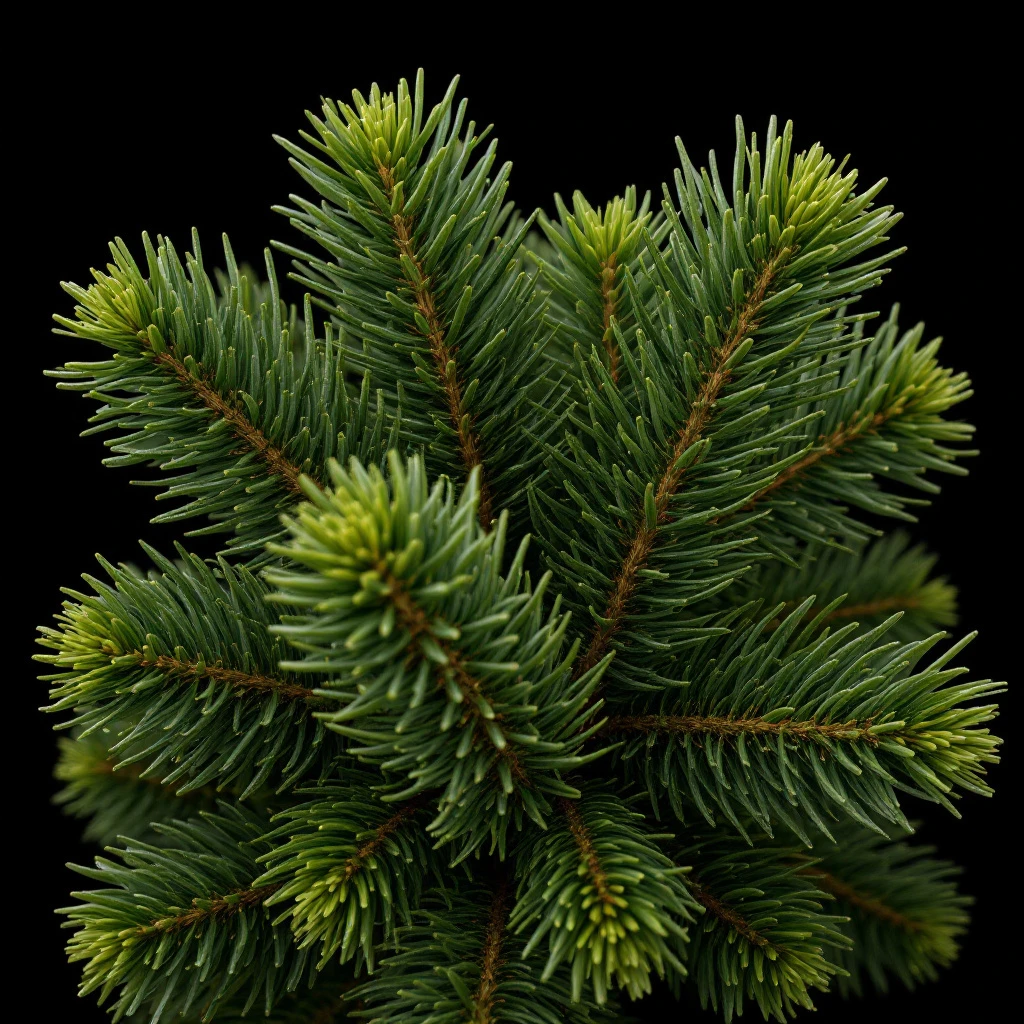
Character
How it smells
Aromatic resin from the American Southwest's high-altitude pine forests.
Native American cultures used pine resin ceremonially, burning it to create sacred smoke during rituals and spiritual gatherings.
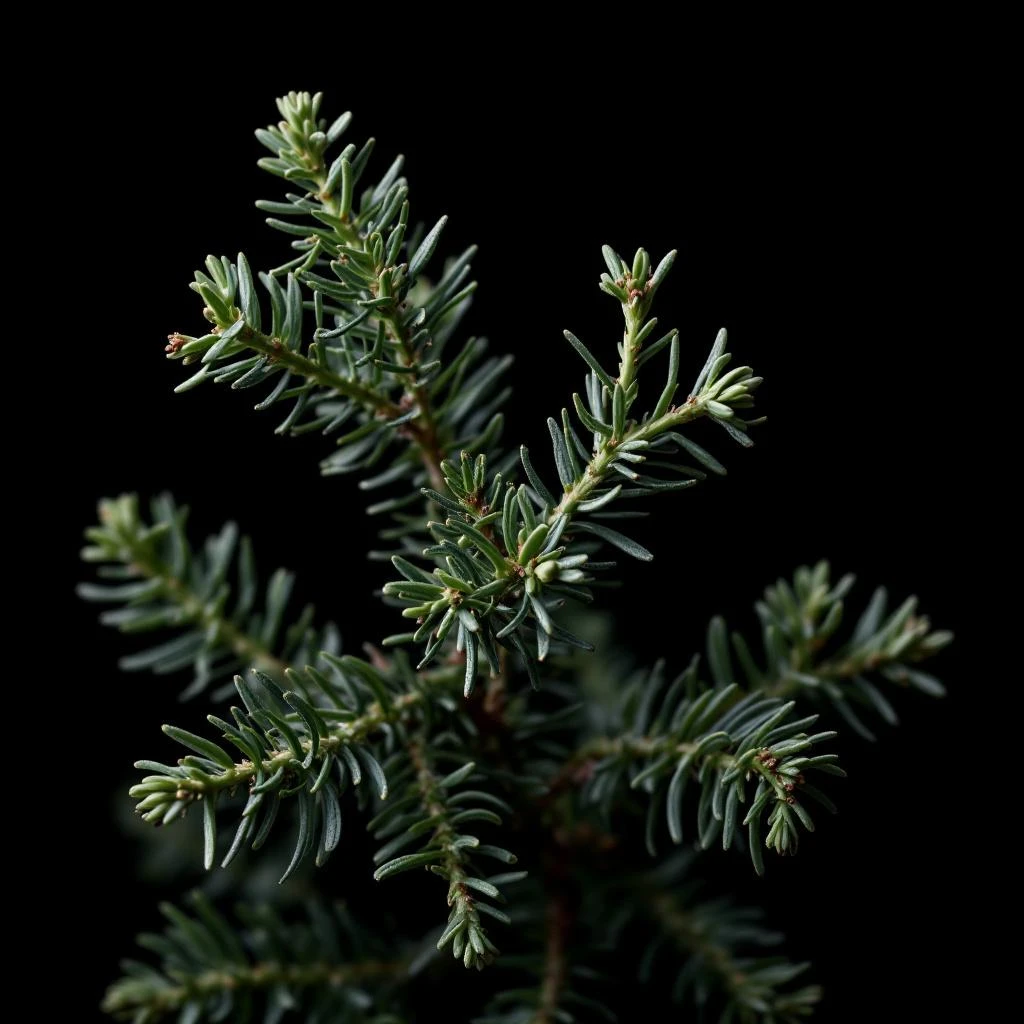
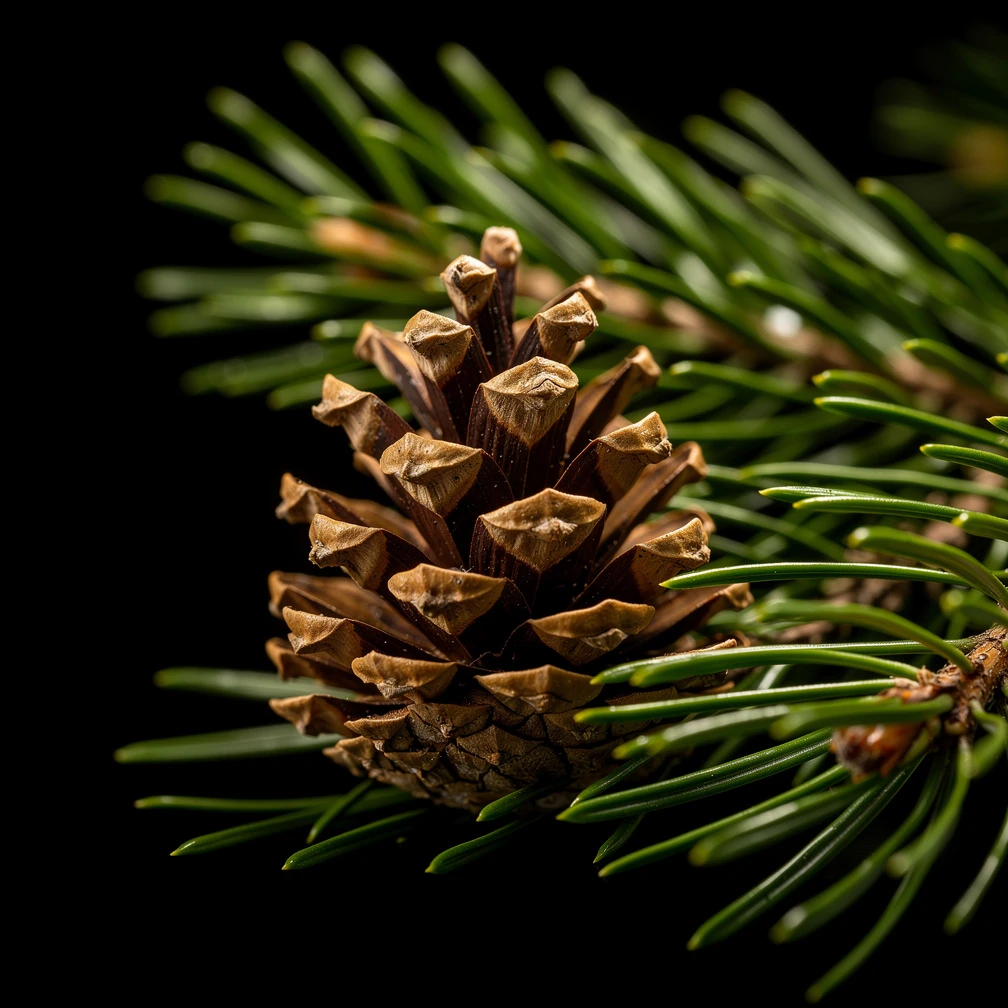

Origin
United States
Pine resin has served humanity since antiquity. The Egyptians used pine in mummification rituals, while the Greeks applied it medicinally for respiratory ailments.
The Romans incorporated pine notes into bathing rituals and personal fragrances. Indigenous communities of the American Southwest maintained their own ancient relationship with pine resin, using it in sacred ceremonies and as a natural adhesive.
As perfumery evolved through the Renaissance and modern era, pine resin established itself as a foundational aromatic ingredient. Today, Pinus arizonica resin represents a growing interest in North American botanical sources, harvested sustainably from wild trees growing in high-elevation forests.
Wears it best
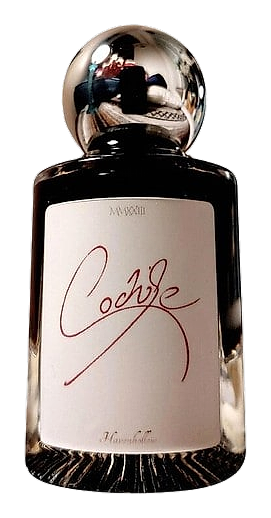
Fragrances featuring Pinus Arizonica Resin
Brands
Brands known for Pinus Arizonica Resin
Good to know
Questions, answered
The essentials on Pinus Arizonica Resin in perfumery: how it smells, where it comes from, and how it behaves on skin.
What does Pinus arizonica resin smell like?
Pinus arizonica resin has a bold, forest-forward aroma combining fresh, resinous pine notes with warm balsamic depth and subtle smoky undertones.
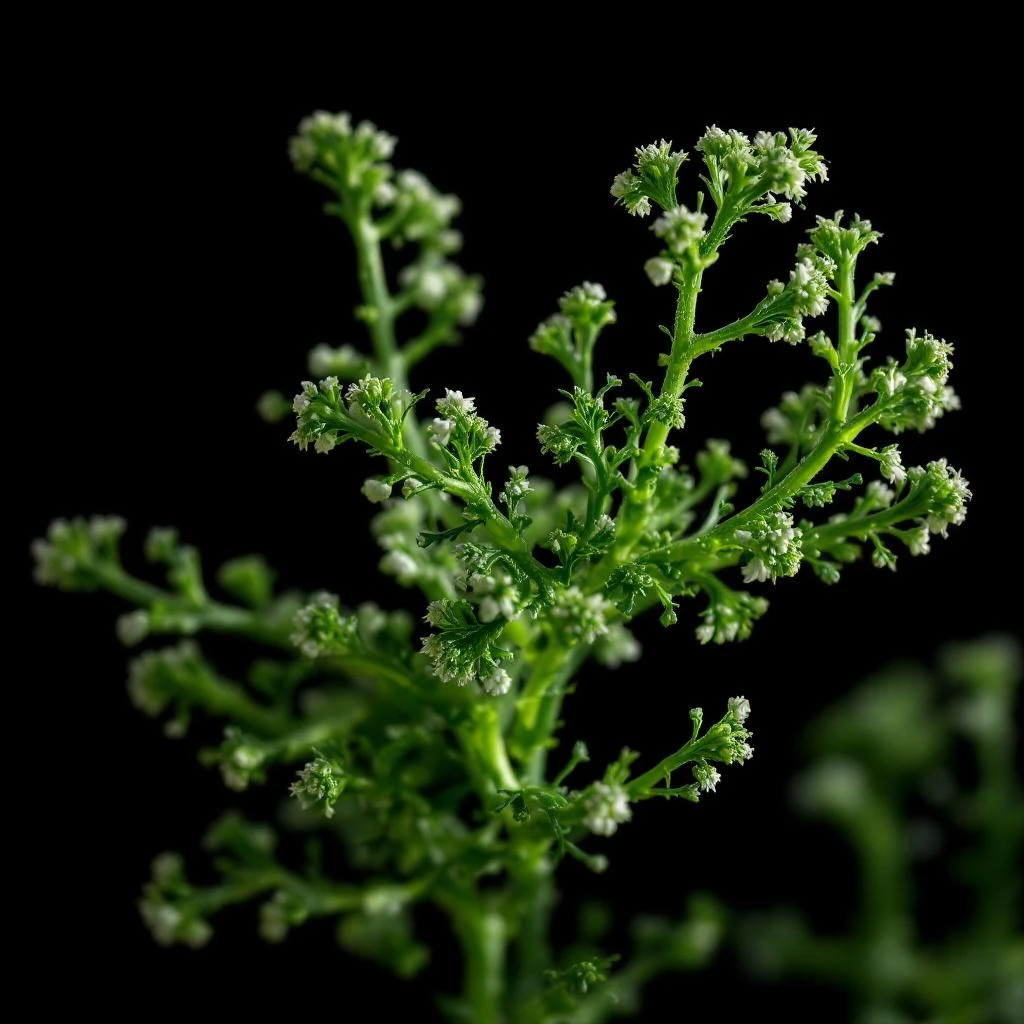
Where does Pinus arizonica grow?
Pinus arizonica is native to the American Southwest, specifically Arizona and New Mexico, and extends into northern Mexico at elevations between 1,500 and 3,000 meters.
How is pine resin harvested for perfumery?
Harvesters use traditional tree-tapping, making controlled incisions in the bark to allow oleoresin to flow. This method allows continued production from the same trees across multiple seasons.
What extraction method produces perfumery-grade resin?
After collection, the raw oleoresin undergoes solvent extraction to create a concentrated resinoid or absolute suitable for fragrance formulation.
Why is Pinus arizonica resin used in perfumery?
The resin acts as a natural fixative, extending the longevity of lighter fragrance components while adding rich woody, balsamic depth with smoky undertones.
What fragrance families pair well with this resin?
Pinus arizonica resin works exceptionally well in forest, fougère, and chypre compositions, complementing conifer oils, herbs, and spice notes.
Is pine resin harvesting sustainable?
Responsible tapping methods allow continued resin production from the same trees over many seasons without causing permanent damage to the tree.
What compounds give this resin its characteristic aroma?
The resin contains monoterpenes including alpha-pinene, beta-pinene, and limonene, which create its fresh, turpentine-like quality alongside deeper balsamic notes.