Powdery Woods
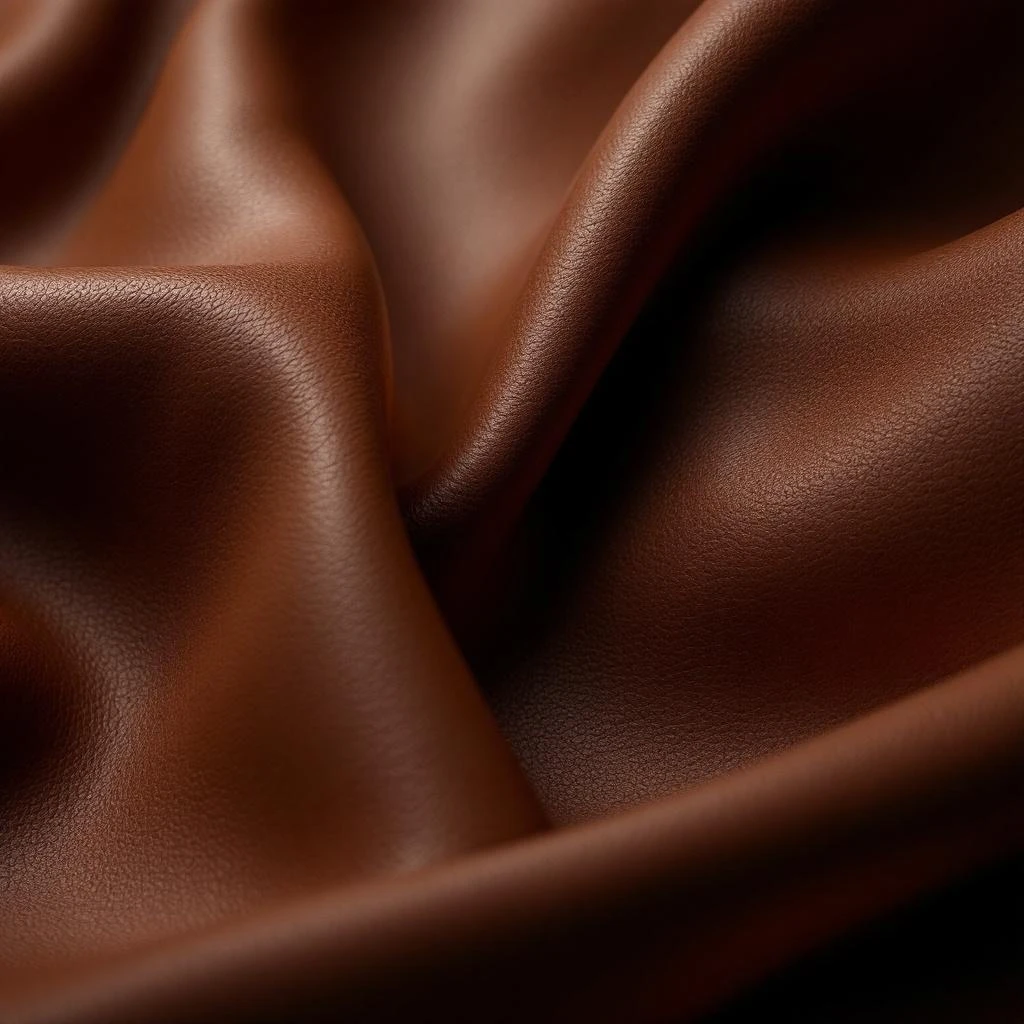
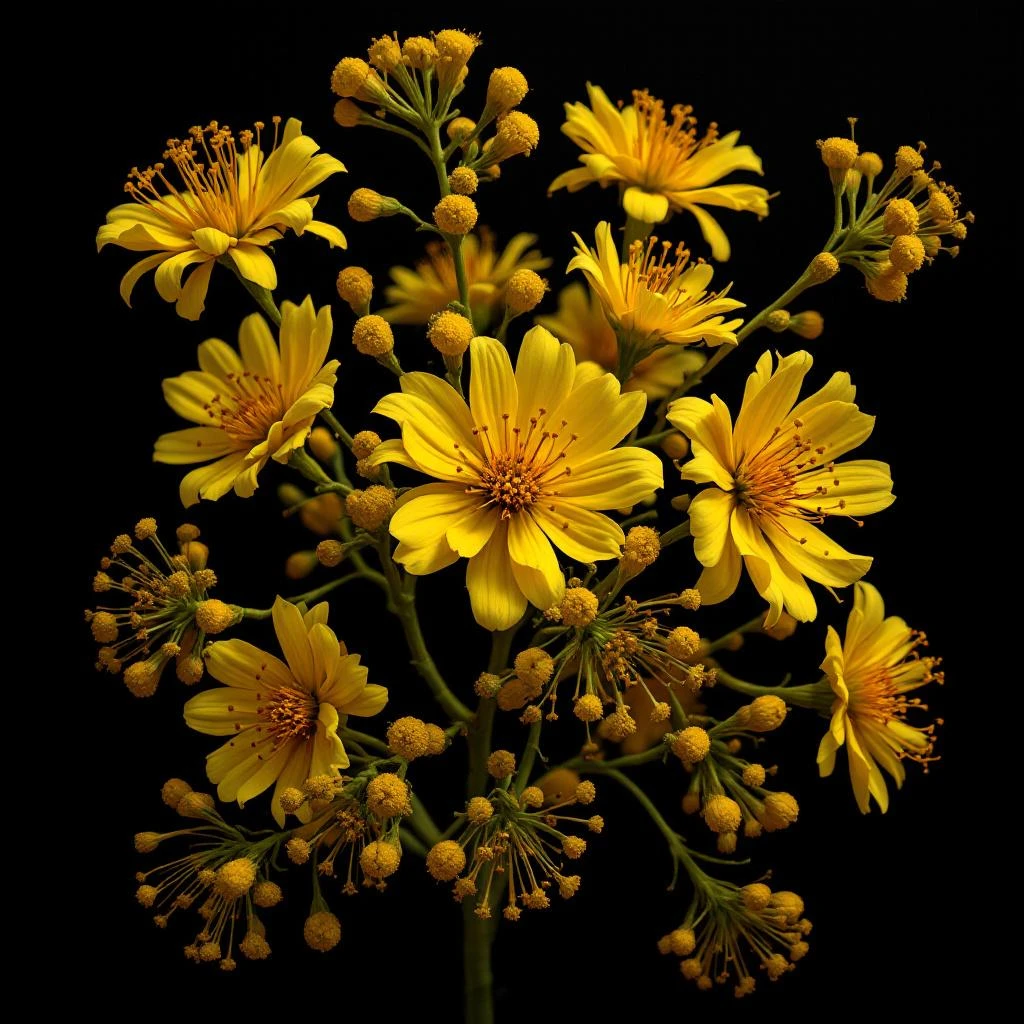
Powdery Woods blends dry cedar, soft sandalwood, and iris root into a haze of warmth and softness, evoking suede, chalk, and sun-warmed timber.
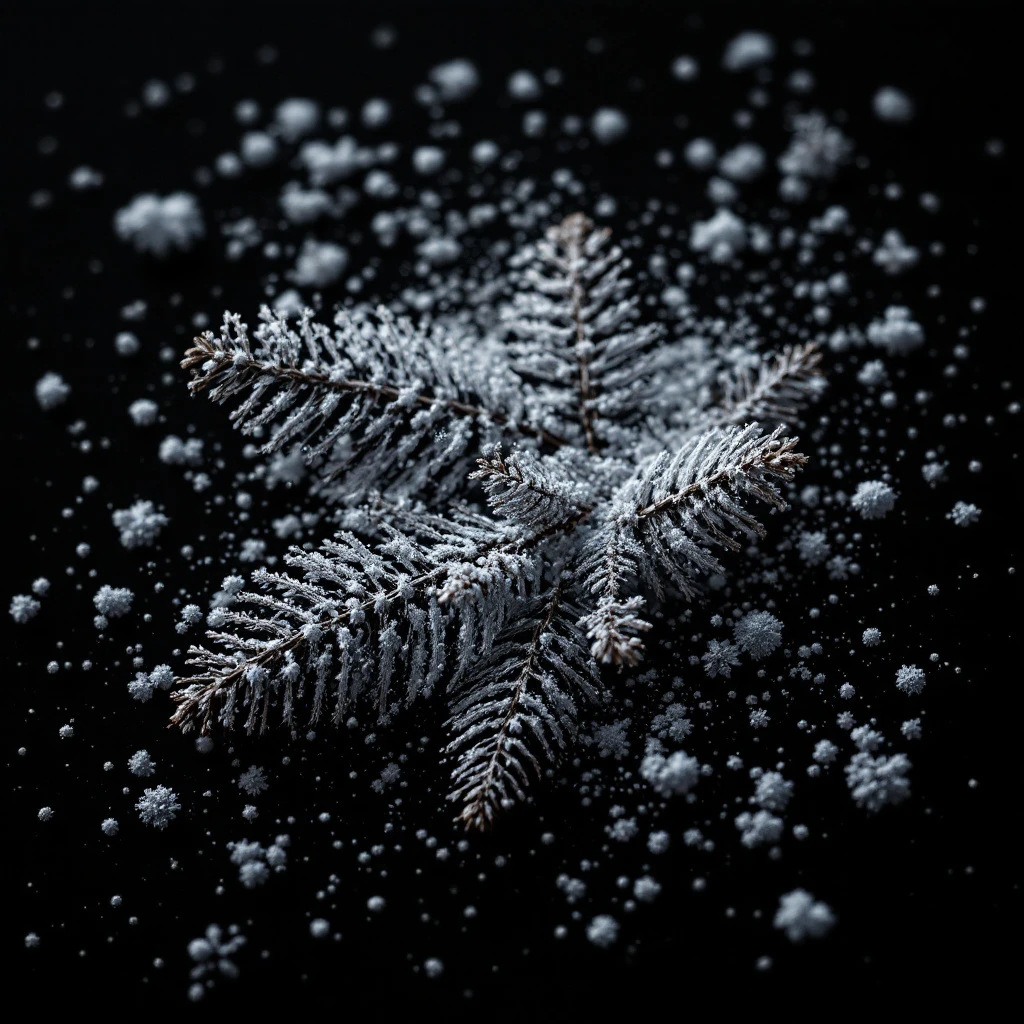
Character
How it smells
Soft timber wrapped in a quiet, velvety dust.
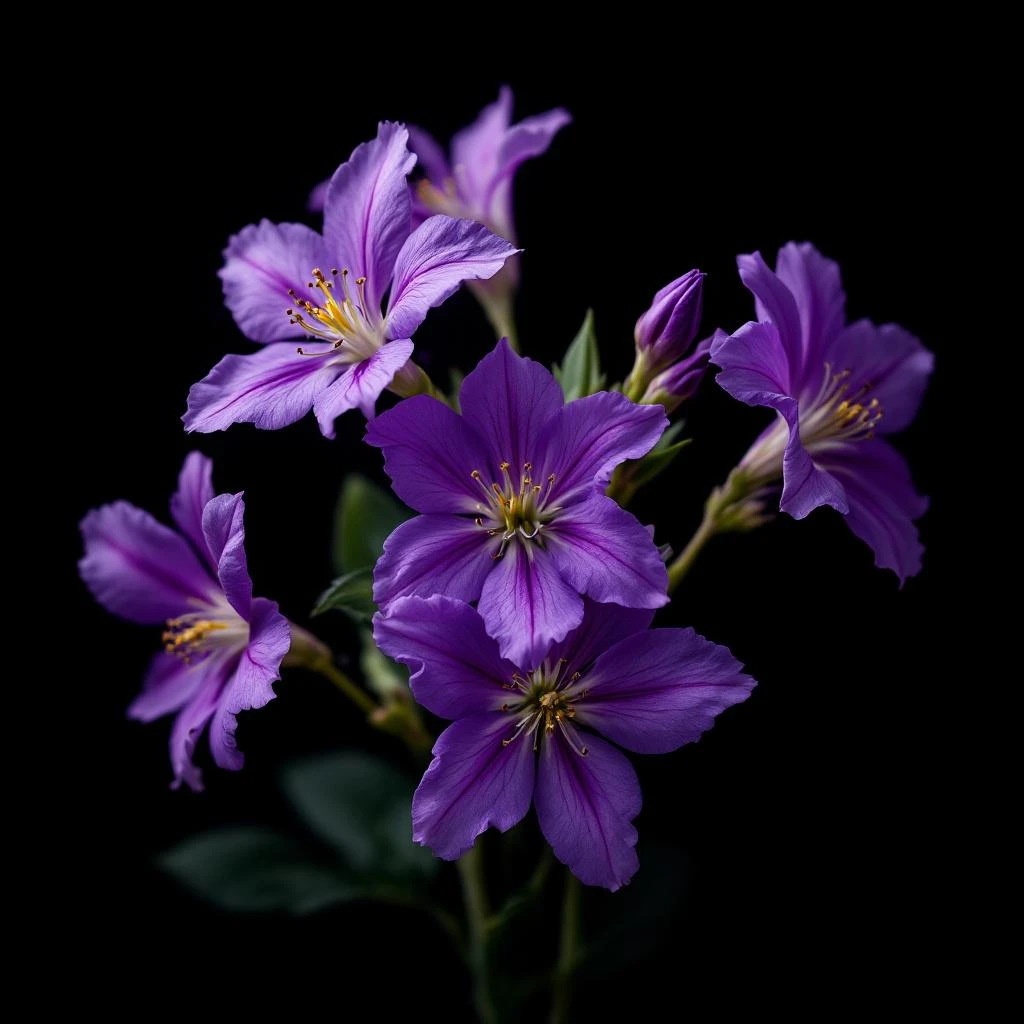
The powdery quality in many woody fragrances comes not from wood at all, but from iris rhizome, which smells uncannily like crushed velvet and old paper.




Origin
India
The powdery woods aesthetic emerged gradually through the 20th century as perfumers gained access to refined orris derivatives and white musks. Iris pallida cultivation in Tuscany dates to the 19th century, with the town of Florence historically commanding the highest prices for aged rhizomes.
Sandalwood, by contrast, carries millennia of use in Indian temple incense and Ayurvedic preparations, with documented trade along the Indian Ocean as early as the 2nd century BCE. Cedarwood's role in perfumery expanded after the 1920s, when Virginia cedar became a domestic alternative to scarce Mysore sandalwood.
The fusion of these materials into a recognizable powdery-woods family accelerated after 1950, when synthetic musks allowed perfumers to soften woody notes without animalic bases. Houses like Guerlain and Chanel built iconic compositions around this combination, cementing powdery woods as a distinct sensory category rather than a fleeting trend.
Wears it best
Fragrances featuring Powdery Woods
Brands
Brands known for Powdery Woods
Good to know
Questions, answered
The essentials on Powdery Woods in perfumery: how it smells, where it comes from, and how it behaves on skin.
What does Powdery Woods smell like?
Powdery Woods combines dry cedar or sandalwood with the soft, chalky scent of iris root, producing a warm yet muted impression reminiscent of suede, raw silk, and sunlit timber. It reads as comforting rather than sharp, with a matte finish rather than a resinous glow.
Is Powdery Woods a natural or synthetic ingredient?
It is a constructed accord. Individual components like sandalwood oil and orris butter are natural, while the clean, soft haze often relies on synthetic musks developed after the 1950s. Most modern powdery woods compositions blend both.
Which materials create the powdery effect?
Iris rhizome is the primary source of powderiness, contributing irones that smell like crushed velvet and dry paper. Ambrette seed adds a soft, musky warmth that reinforces the effect without sharp edges.
Is Powdery Woods sustainable?
Sustainability varies by component. Indian sandalwood has faced severe overharvesting, pushing growers toward plantations in Australia and New Caledonia. Iris requires three to five years of rhizome aging, making orris one of perfumery's slowest crops.
What fragrances feature Powdery Woods?
Chanel No. 5, Guerlain L'Heure Bleue, and Dior Diorissimo are foundational examples. More recent compositions including Prada Infusion d'Iris and Le Labo Iris 39 also center on powdery woods structures with modern twists.
How is orris root processed for perfume?
Iris rhizomes are harvested, peeled, and dried for three to five years, allowing irones to form through slow oxidation. The aged rhizomes are then steam-distilled to yield orris butter, which carries the characteristic powdery violet scent.
Can Powdery Woods be worn year-round?
Yes. The soft, skin-adjacent quality makes it versatile, though it reads especially well in cooler months when its warm, dry character contrasts with damp air. In summer, lighter concentrations offer a clean, suede-like effect.
What's the difference between Powdery Woods and regular woody notes?
Standard woody notes lean resinous or smoky. Powdery Woods replaces that intensity with matte softness, using iris and white musks to diffuse the wood into a quieter, more intimate impression, closer to fabric than forest.




