Pomegranate Juice
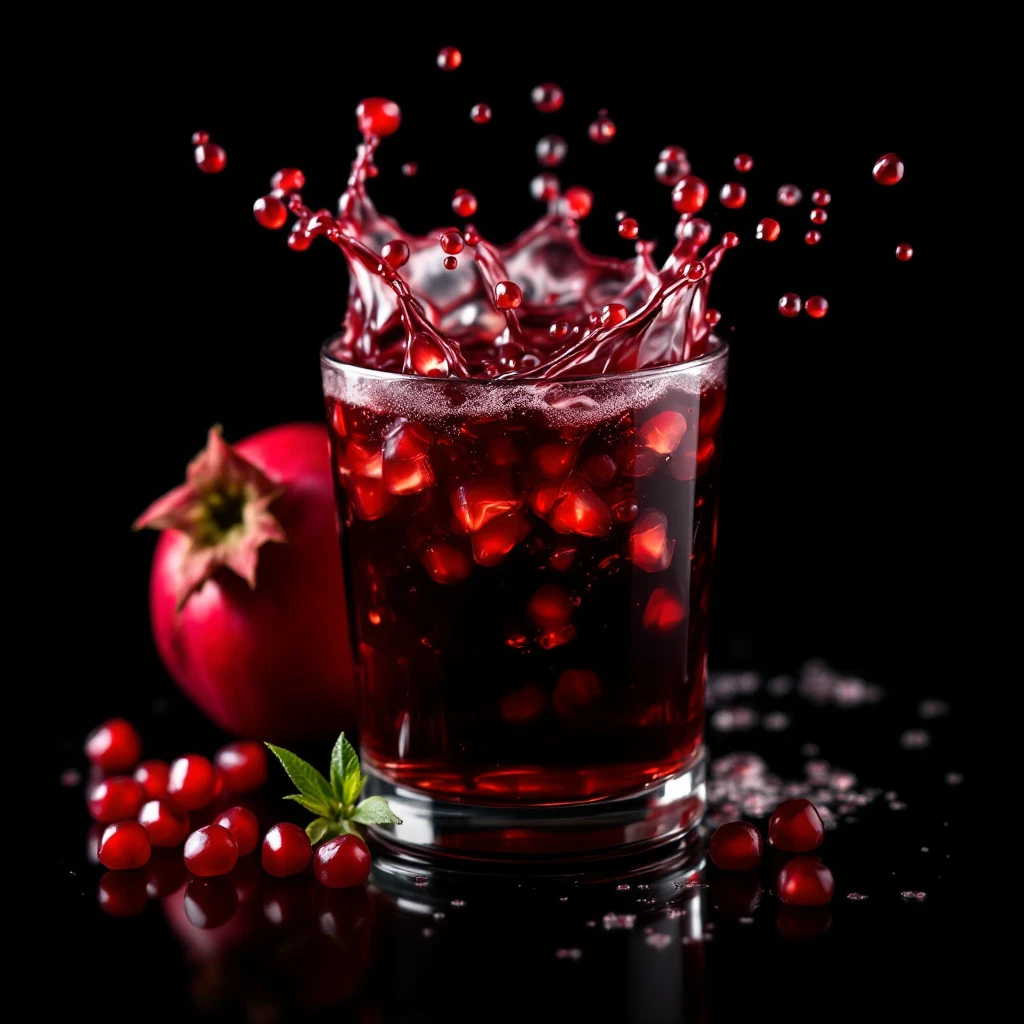
Like biting into a sun-ripened pomegranate, this note captures the rare balance of tart brightness and sweet depth. In perfumery, it rarely exists as a natural extract—most pomegranate juice notes are lab-crafted to precision.
Character
How it smells
Tart, juicy, and unexpectedly complex.
Ancient Persians scattered pomegranate seeds as a symbol of fertility and prosperity at weddings.




Origin
Iran
Pomegranate (Punica granatum) traces its roots to Iran and the broader Persian Gulf region, where cultivation began over 4,000 years ago. The fruit held deep symbolic weight across ancient civilizations—Phoenicians spread it westward through the Mediterranean, while Egyptians incorporated it into burial rituals and medicinal practices.
Greek mythology connected the fruit to Persephone and the cycles of seasons. Hebrew scriptures mention pomegranate as one of the Seven Sacred Species of Israel.
Despite this rich heritage, the fresh, watery nature of pomegranate juice made it unsuitable for early perfumery techniques. The note only became accessible to perfumers with the rise of organic synthesis in the late 19th century, when chemists could reconstruct its vibrant profile from lab-produced compounds.
Wears it best
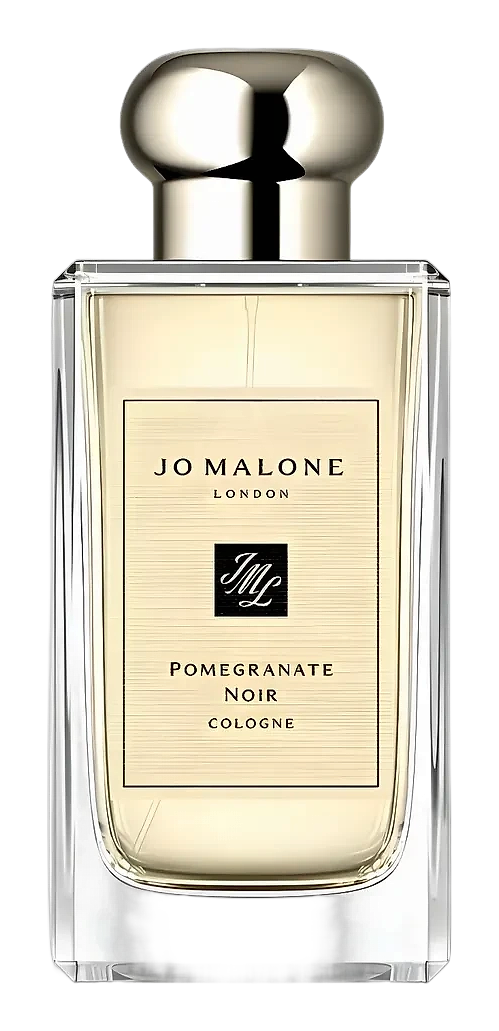
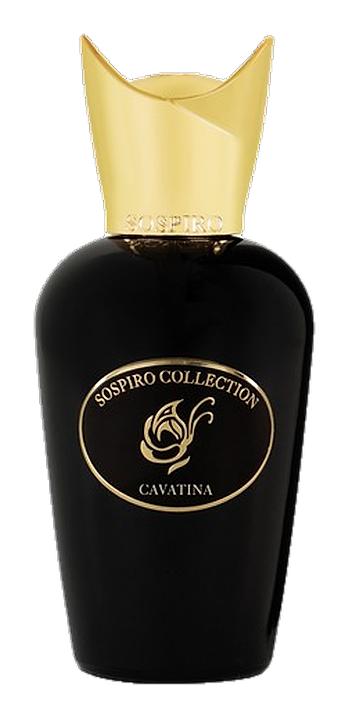
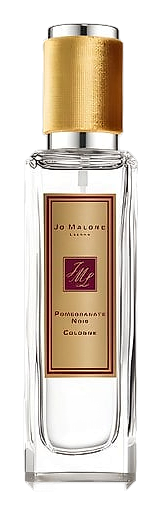
Fragrances featuring Pomegranate Juice
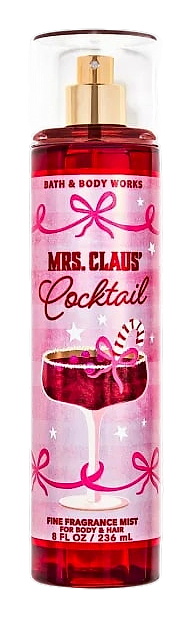
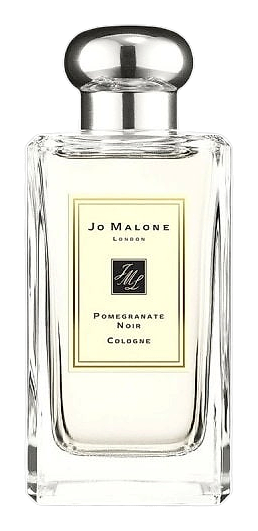
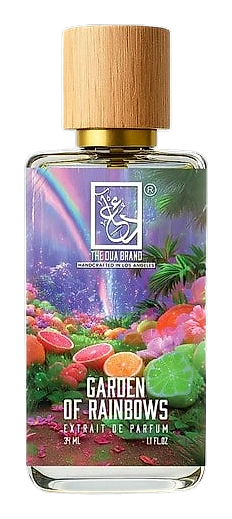
Brands
Brands known for Pomegranate Juice
Good to know
Questions, answered
The essentials on Pomegranate Juice in perfumery: how it smells, where it comes from, and how it behaves on skin.
Is pomegranate juice a natural fragrance ingredient?
No. Pomegranate juice does not survive traditional extraction processes due to its volatile, water-based nature. Perfumers create this note using synthetic esters and aldehydes that replicate the fruit's tart, juicy character.
What does pomegranate smell like in perfume?
The note presents as bright, tart, and juicy with a sweet undertone. It evokes the sensation of biting into ripe arils—sharp acidity balanced by subtle fruit sweetness. Perfumers often layer it to add freshness and energy to compositions.
When did pomegranate enter perfumery?
Pomegranate only became viable as a fragrance note after the late 19th century, when organic synthesis advanced. Natural extraction could not capture the fruit's ephemeral aromatic profile.
Which fragrance families use pomegranate notes?
Pomegranate appears most often in fruity chypres, modern florals, and fresh oriental compositions. It works well in summer fragrances and contemporary women's perfumes where bright, juicy accents are desired.
Is the fruit used in any actual perfume extractions?
While absolute extracts exist from pomegranate flowers and peel in limited specialty production, the juice itself is not extracted. Fragrance pomegranate is always a reconstructed aromatic.
How does pomegranate compare to other red fruits in perfumery?
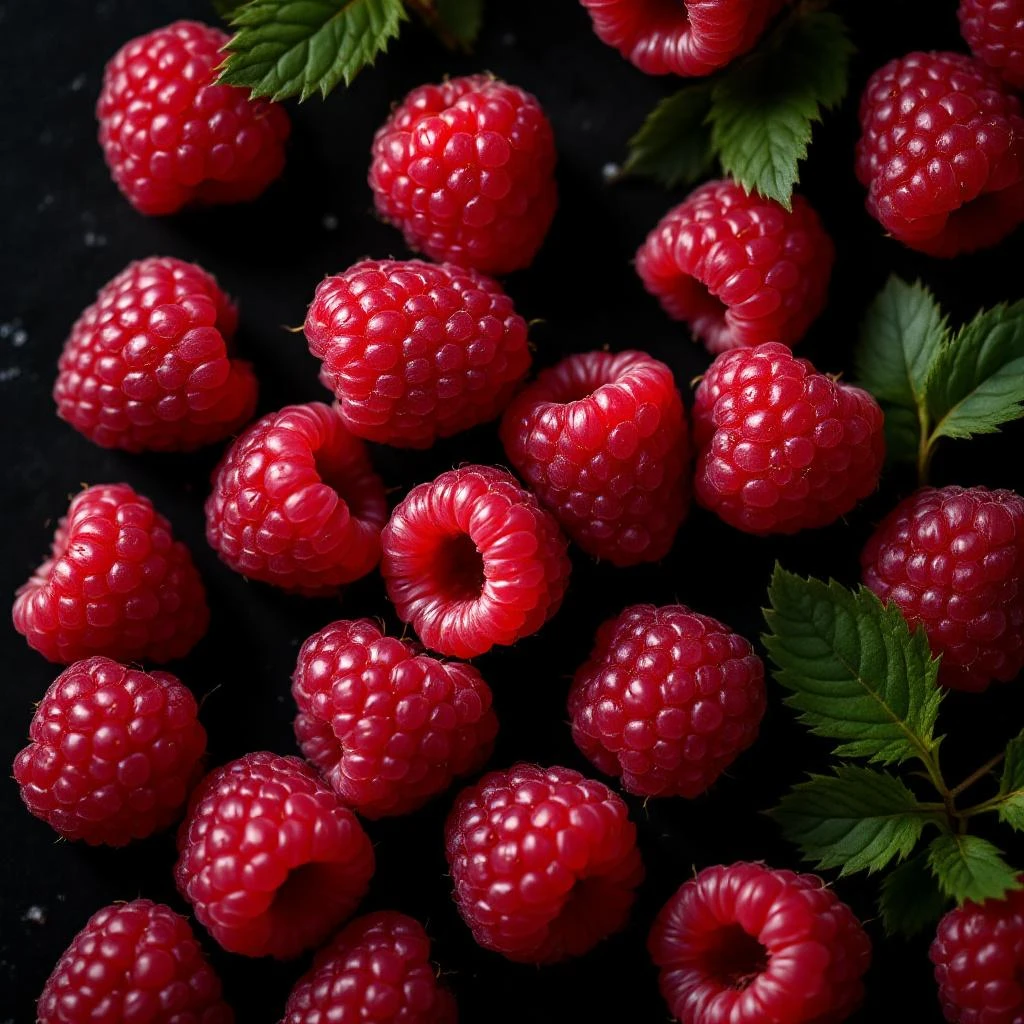
Pomegranate sits between raspberry and cranberry in character—more tart than raspberry but less acidic than cranberry. Its unique quality lies in a slightly bitter, wine-like depth that other red fruits lack.
What compounds give pomegranate its characteristic tartness?
The tartness derives from specific aldehydes and short-chain esters used in its synthetic reconstruction. These compounds mimic the natural acidity of the fruit's arils, creating that distinctive bright, almost sparkling quality.
Are there any natural pomegranate fragrance materials?
Pomegranate blossom absolute exists as a specialty material with a sweet, floral-green character, but it differs significantly from the juice note. The blossom does not capture the fruit's tart, juicy signature.