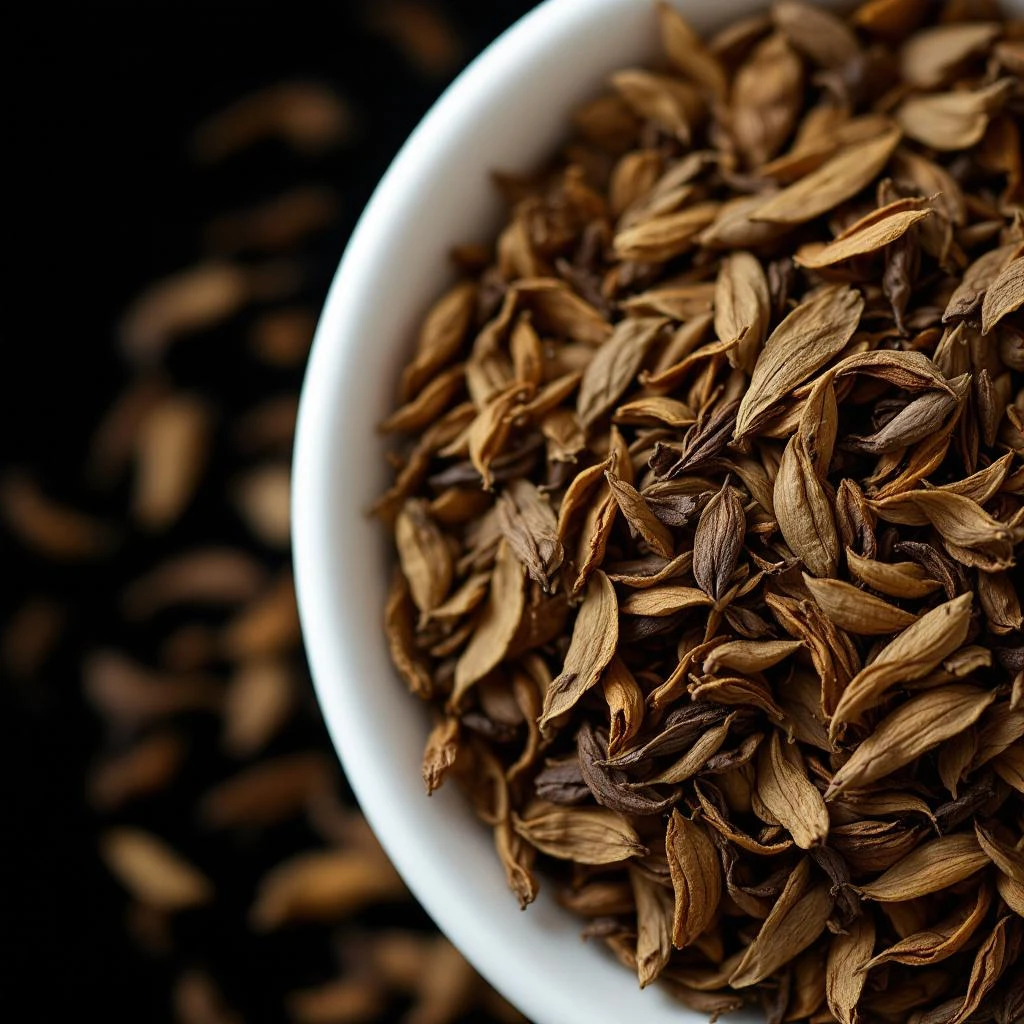
Pistachio Tree
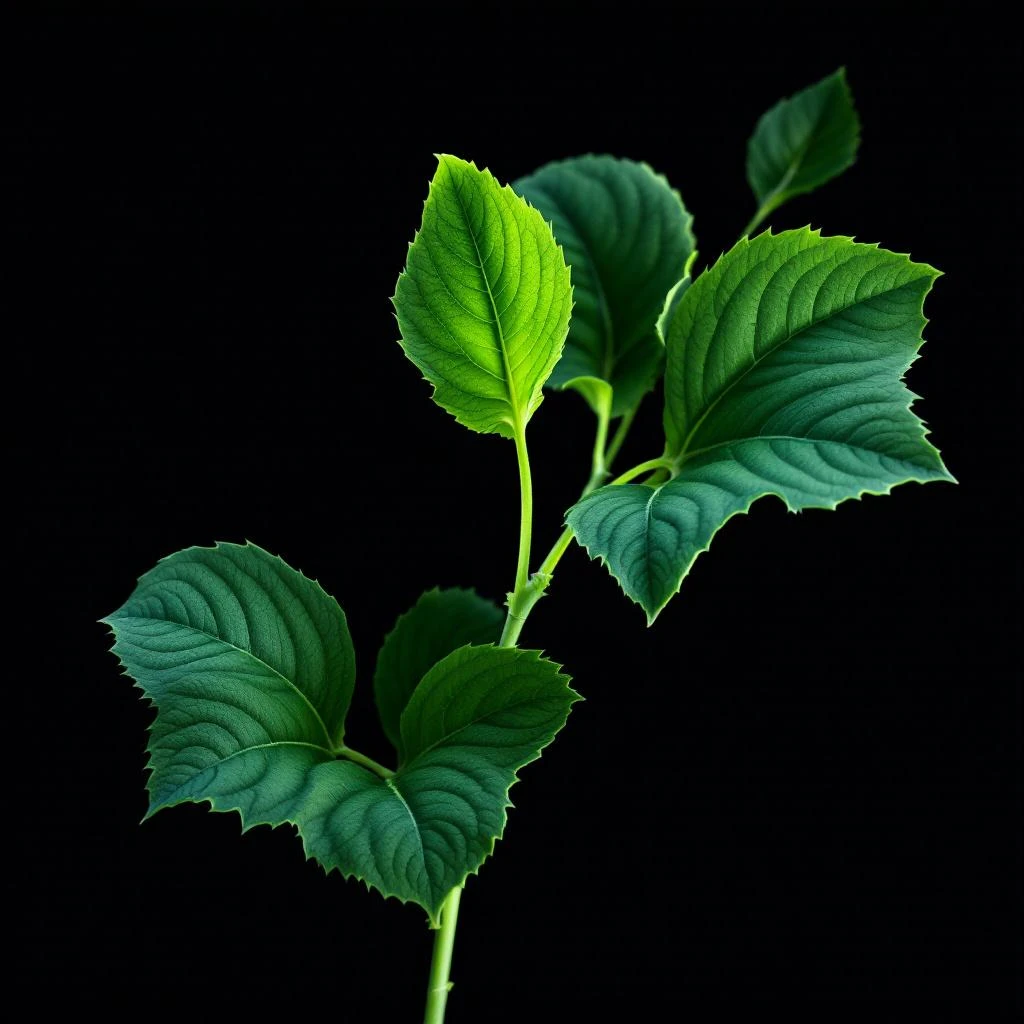
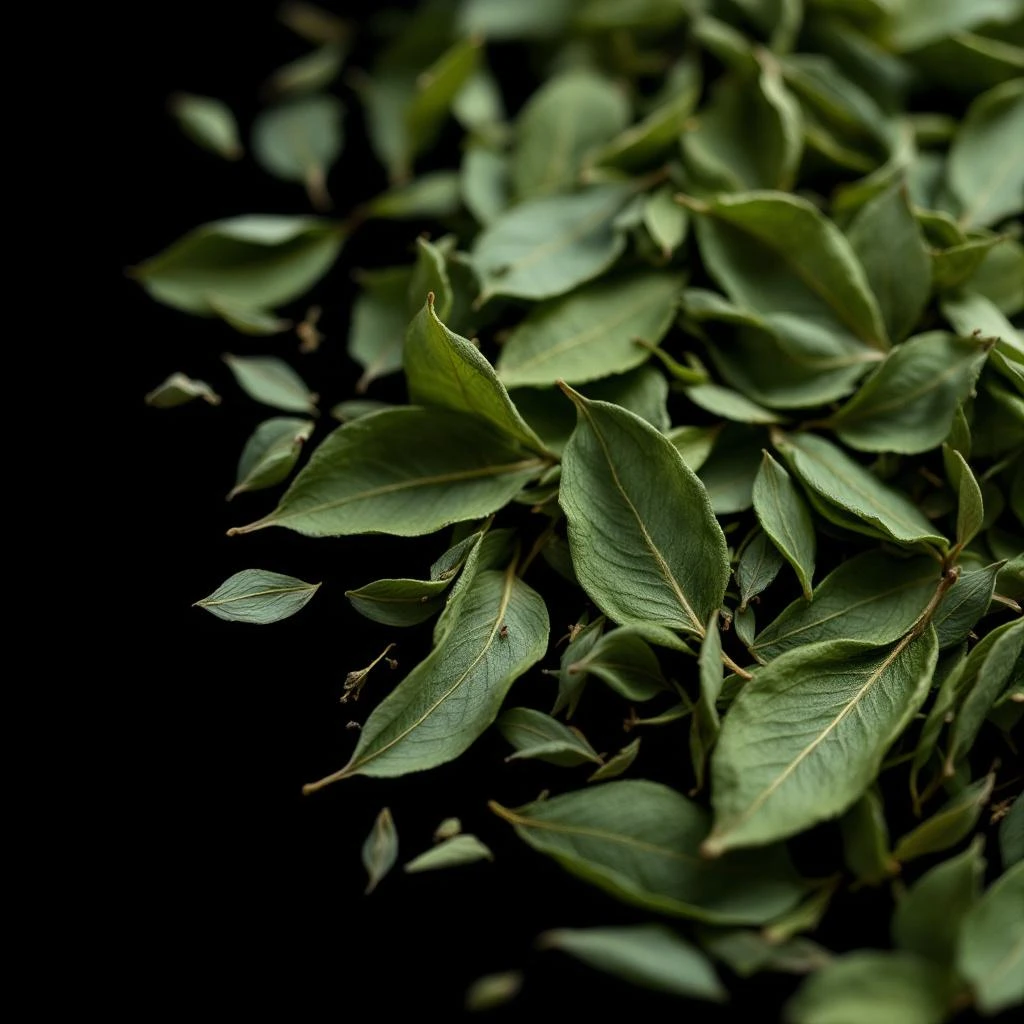
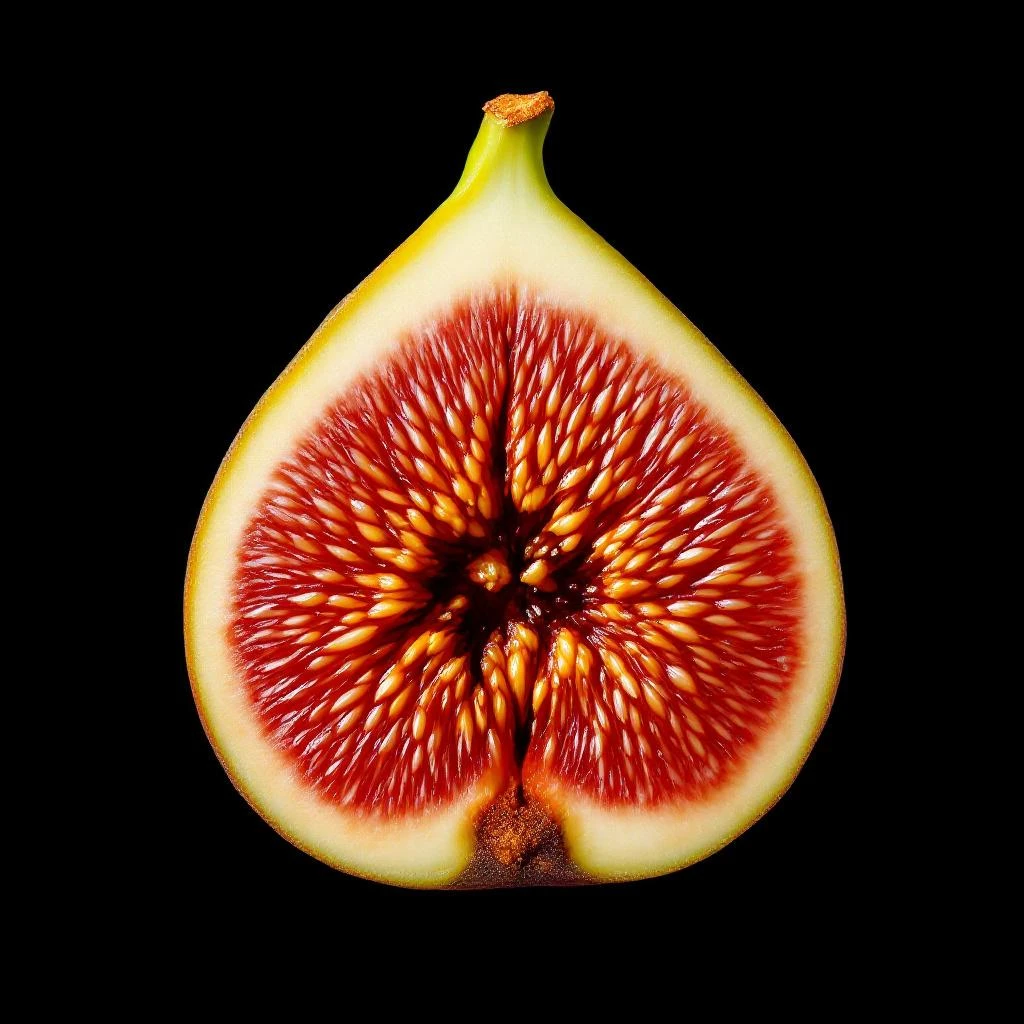
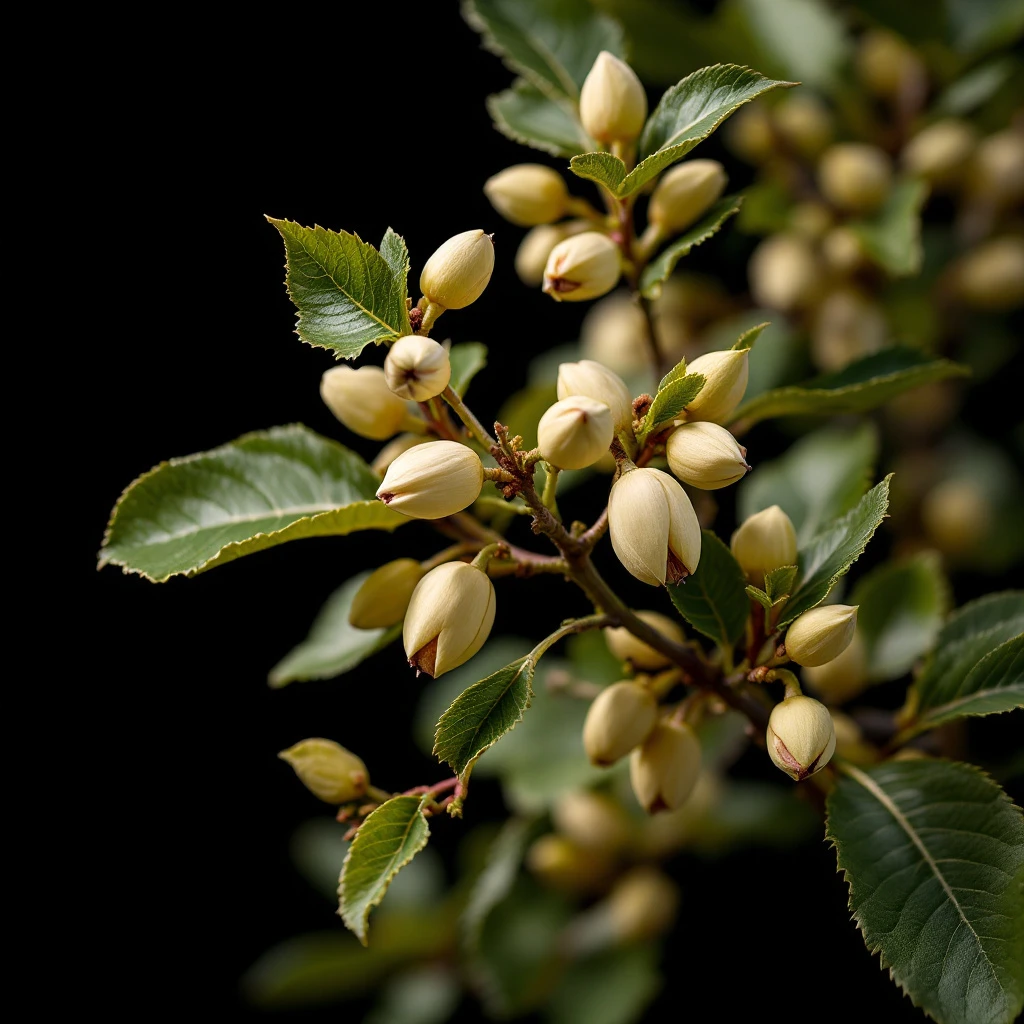
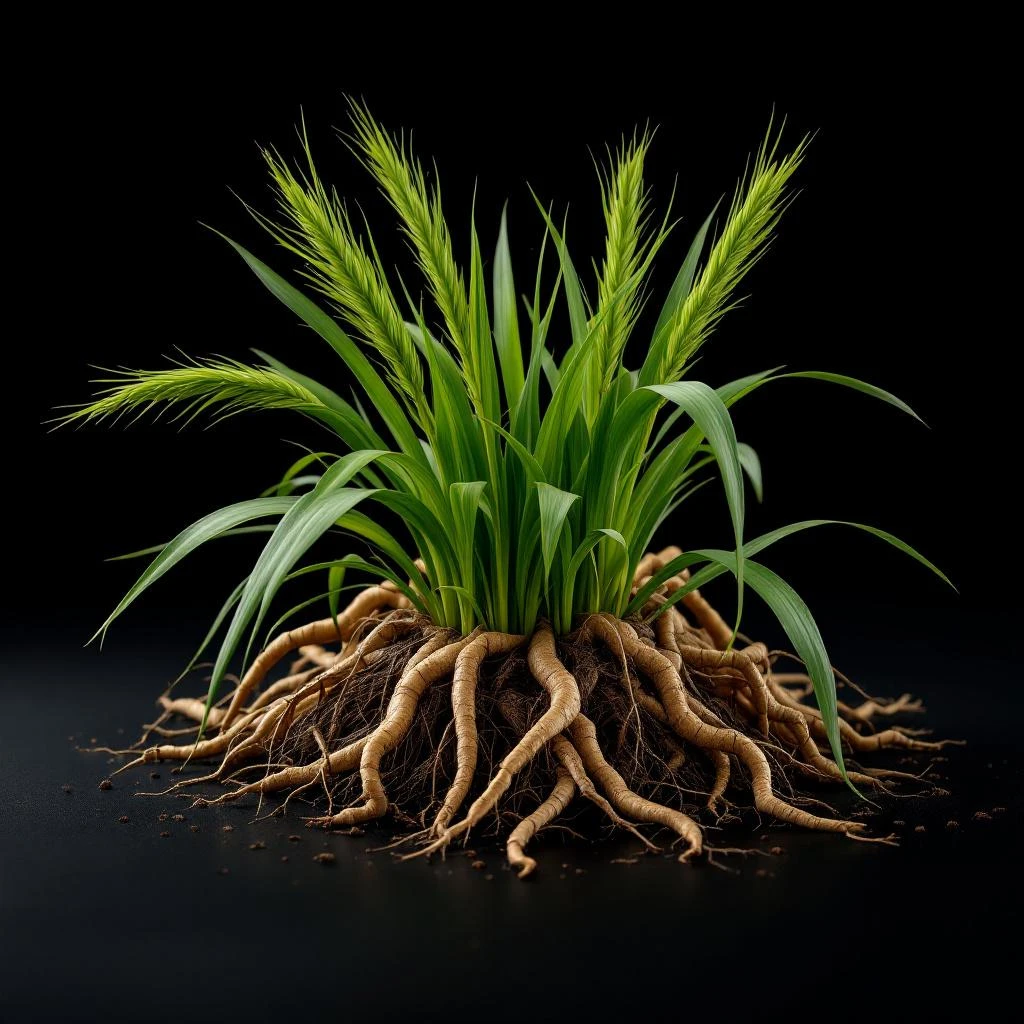
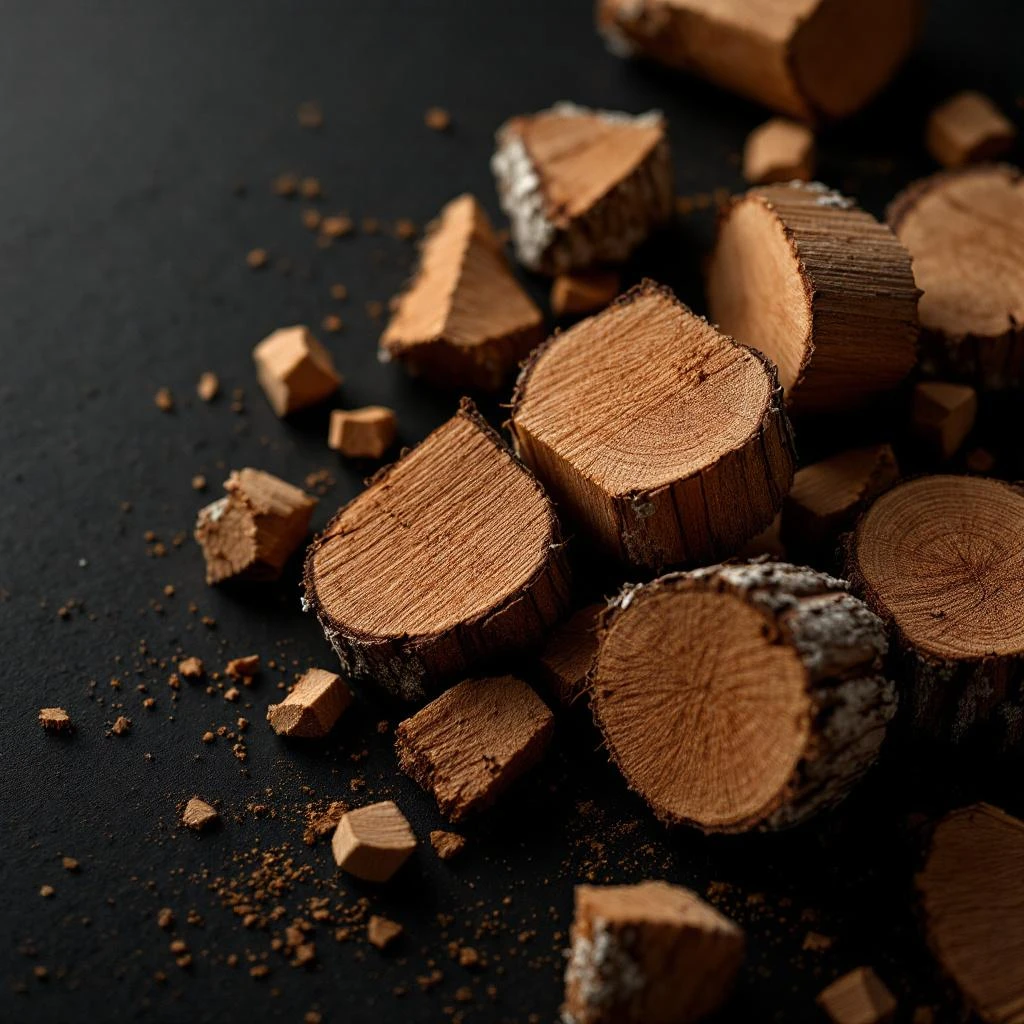
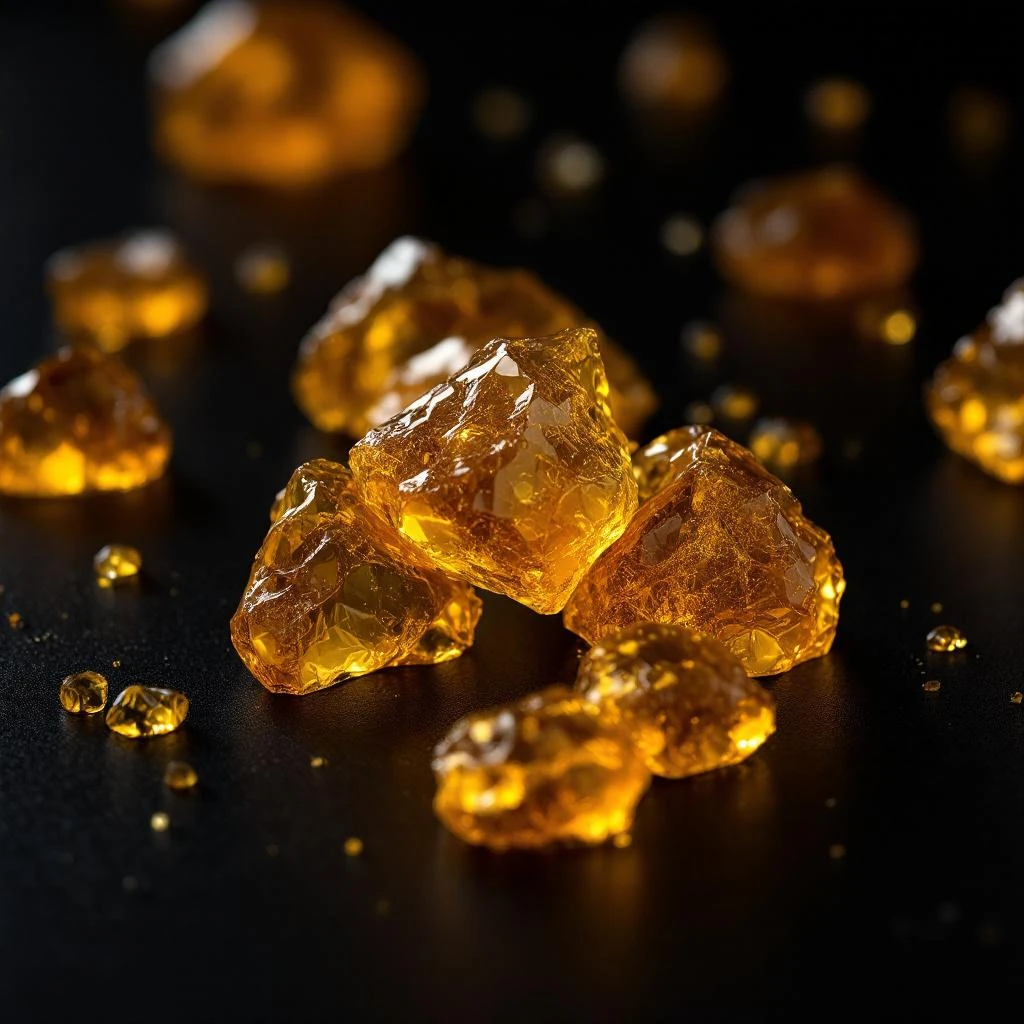
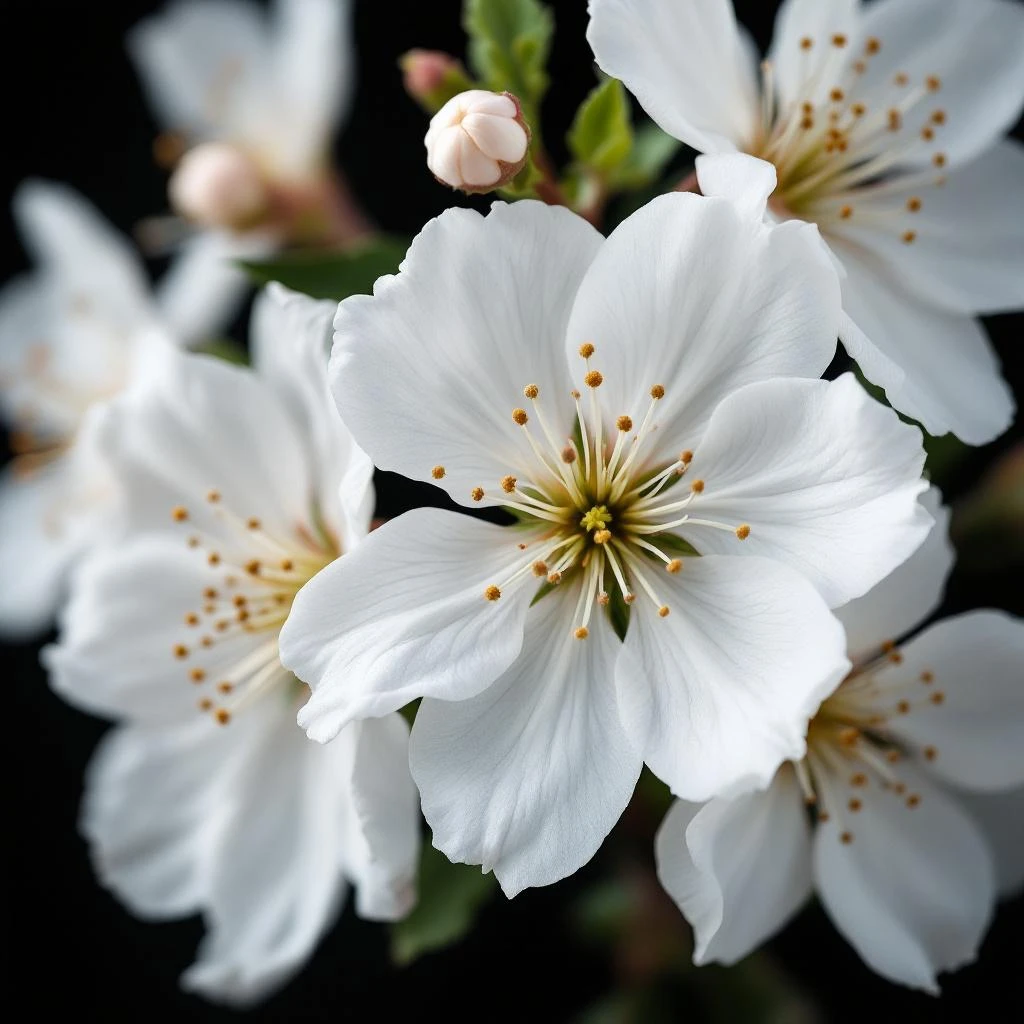
Pistachio Tree brings a softly nutty, green character to fragrance, recalling the fruit’s creamy texture, fresh leaves, and subtly resinous wood.
Character
How it smells
Green nuttiness with a polished resinous edge.
The pistachio reached Greece through the conquests of Alexander the Great between 334 and 323 BC.
Origin
Iran
The pistachio tree has a long history in the Middle East and is native to Iran and Central Asia. Pistachios have been cultivated there for thousands of years, valued as food and as a source of local trade.
Historical accounts connect the nut’s spread to the Greek world with the conquests of Alexander the Great between 334 and 323 BC. Its appearance in perfume follows a broader history of plant-based fragrance making, when natural materials such as fruits, leaves, woods, and resins formed the basis of many early perfumes.
From the 19th century onward, organic synthesis expanded the palette of available aroma materials, allowing perfumers to express familiar food-like impressions with greater consistency. Today, pistachio is used mainly as a fragrance concept or composed effect, blending nutty, green, woody, and slightly resinous qualities into modern perfume compositions.
Wears it best
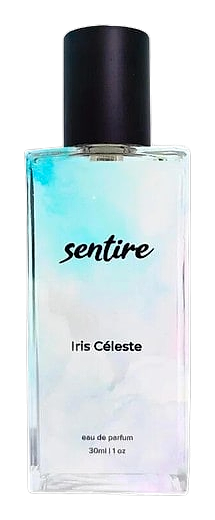
Fragrances featuring Pistachio Tree
Brands
Brands known for Pistachio Tree
Good to know
Questions, answered
The essentials on Pistachio Tree in perfumery: how it smells, where it comes from, and how it behaves on skin.
What does pistachio smell like in perfume?
Pistachio usually smells soft, nutty, green, and slightly resinous. It is a composed fragrance impression rather than one universally identical extract, so its profile depends on the materials used with it.
Is pistachio a natural perfume ingredient?
It can be represented through plant-derived extracts, but many pistachio effects are built with fragrance compounds and supporting naturals. Perfumers use the note to create a mild, creamy, nutty character, not simply to reproduce the food’s flavor.
Where do pistachio trees originate?
The pistachio is native to Iran and Central Asia, with Iran closely associated with its long cultivation history. Pistachio trees have been grown in the Middle East for thousands of years.
What plant parts are used for pistachio fragrance?
Depending on the formulation, a perfumer may reference fruit, leaves, or woody materials from the pistachio tree. The named note can also be created without a single direct extract from one plant part.
How did pistachio reach Greece?
Historical accounts associate its movement to Greece with the conquests of Alexander the Great. This expansion occurred between 334 and 323 BC, carrying the nut beyond its traditional Middle Eastern growing area.
Does pistachio smell like the edible nut?
It shares the nut’s mild, creamy impression, but perfume pistachio is usually softer and more stylized. Green, woody, vanilla-like, or resinous supporting notes may extend it beyond the scent of the fruit.
Is terebinth the same plant as pistachio?
No. Terebinth, Pistacia terebinthus, is a related Pistacia species known for aromatic resin. Pistachio, Pistacia vera, is the cultivated nut tree; both belong to the same botanical genus.
Which fragrance notes complement pistachio?
Pistachio pairs well with vanilla, tonka, almond-like notes, woods, and subtle greenery. These materials can emphasize its creamy nuttiness or add depth without making it taste overtly sweet.