Pink Sugar
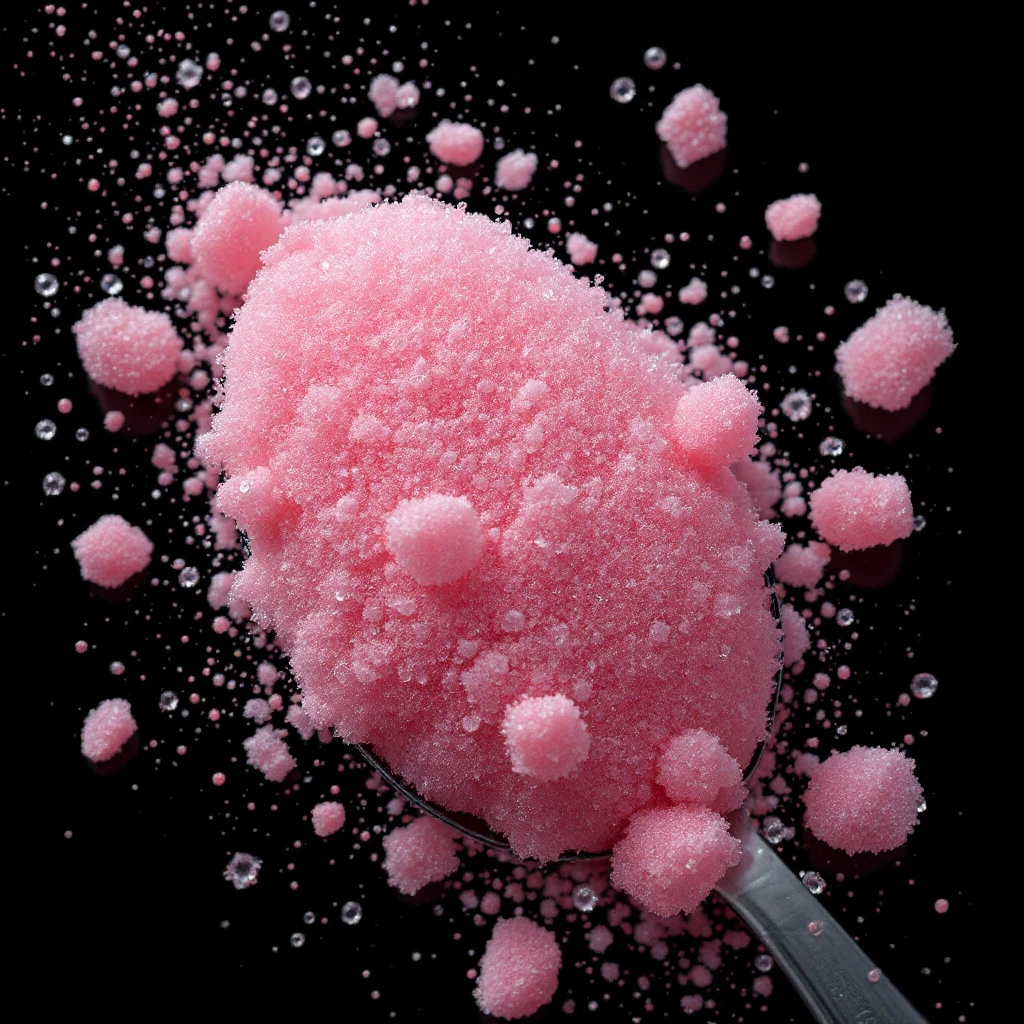
Pink Sugar is a gourmand accord built on sweet, caramelized warmth. The note conjures spun sugar, vanilla-laced cotton candy, and a whisper of berry syrup in one bright, sugary signature.
Character
How it smells
Caramel warmth spun into vapor
The Pink Sugar accord borrows furaneol, the same aroma molecule responsible for the scent of fresh cotton candy, caramelized fruit, and even strawberry yogurt.




Origin
France
Sweet, dessert-like accords became commercially viable only after chemists in the mid-twentieth century isolated molecules that mimicked caramelized sugar. Ethyl maltol, discovered during flavor research in the late 1960s, gave perfumers their first reliable tool for conjuring cotton-candy sweetness without using literal sugar in a formula. Before this breakthrough, gourmand fragrances were rare; perfume traditions from ancient Egypt through nineteenth-century France favored floral, resinous, and animalic compositions over edible-smelling ones.
Sugar itself, though central to the perfume industry's economic history through Caribbean cane plantations and European refining, was never a practical perfume ingredient. The Pink Sugar accord as a recognizable style emerged in the early 2000s, when a wave of niche and commercial fragrances began leaning into confectionery profiles. The category drew on earlier dessert-inspired works but relied on newly affordable synthetic aroma chemicals.
Today, the note anchors everything from youthful orientals to niche gourmands, proving that chemistry, not the kitchen, built modern sweetness.
Wears it best
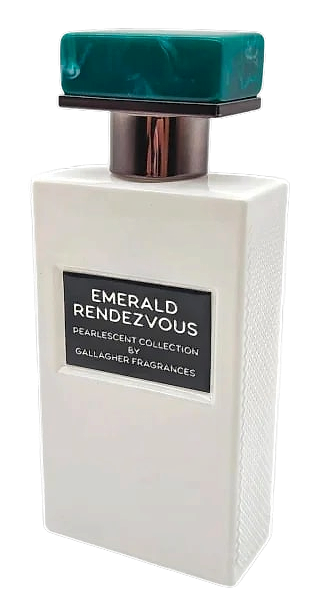
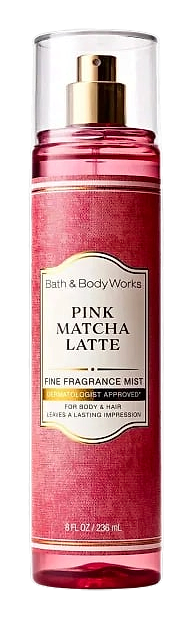
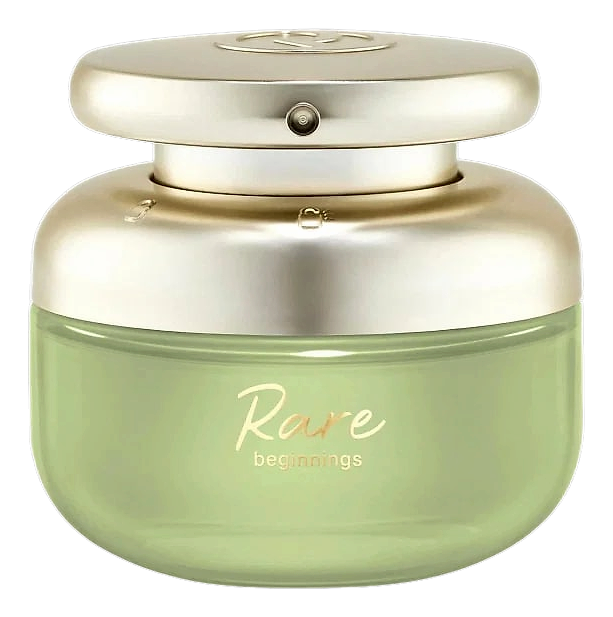
Fragrances featuring Pink Sugar
Brands
Brands known for Pink Sugar
Good to know
Questions, answered
The essentials on Pink Sugar in perfumery: how it smells, where it comes from, and how it behaves on skin.
What does Pink Sugar smell like?
Pink Sugar smells like spun sugar, cotton candy, and warm vanilla with hints of caramel and red berries. It reads as sweet, powdery, and gourmand rather than floral or fresh.
Is Pink Sugar a natural or synthetic note?
Pink Sugar is built primarily from synthetic aroma chemicals, mainly ethyl maltol. Natural sugar extracts contribute trace sweetness in some formulas, but the signature character comes from laboratory-made molecules.
What is ethyl maltol and why is it in Pink Sugar?
Ethyl maltol is a synthetic aroma chemical discovered in 1969 that smells like caramelized sugar and cotton candy. At very low concentrations, it gives Pink Sugar its sugary warmth without making the perfume sticky or heavy.
When did gourmand fragrances like Pink Sugar become popular?
Gourmand fragrances rose to mainstream popularity in the early 2000s, after ethyl maltol became widely available to perfumers. Before that, edible-smelling perfumes were rare in commercial fragrance.
Is Pink Sugar safe to wear on skin?
Yes, the aroma chemicals used in Pink Sugar accords are approved for cosmetic use by the International Fragrance Association. Concentration levels are well within established safety thresholds for leave-on skin products.
Can Pink Sugar be layered with other fragrances?
Pink Sugar pairs well with vanilla, amber, and soft musk bases. It can sweeten floral compositions with rose or peony, though heavy oud or smoky notes often clash with its bright candy character.
Does Pink Sugar contain actual sugar?
No, Pink Sugar fragrances do not contain literal sugar crystals. The sweetness is recreated entirely through aroma chemicals that mimic caramelization, a technique rooted in flavor chemistry research.
Why is Pink Sugar associated with cotton candy?
Cotton candy aroma is produced by furaneol and ethyl maltol, the same molecules central to the Pink Sugar accord. This overlap is why the note consistently evokes fairground spun sugar.