Vanilla Foam
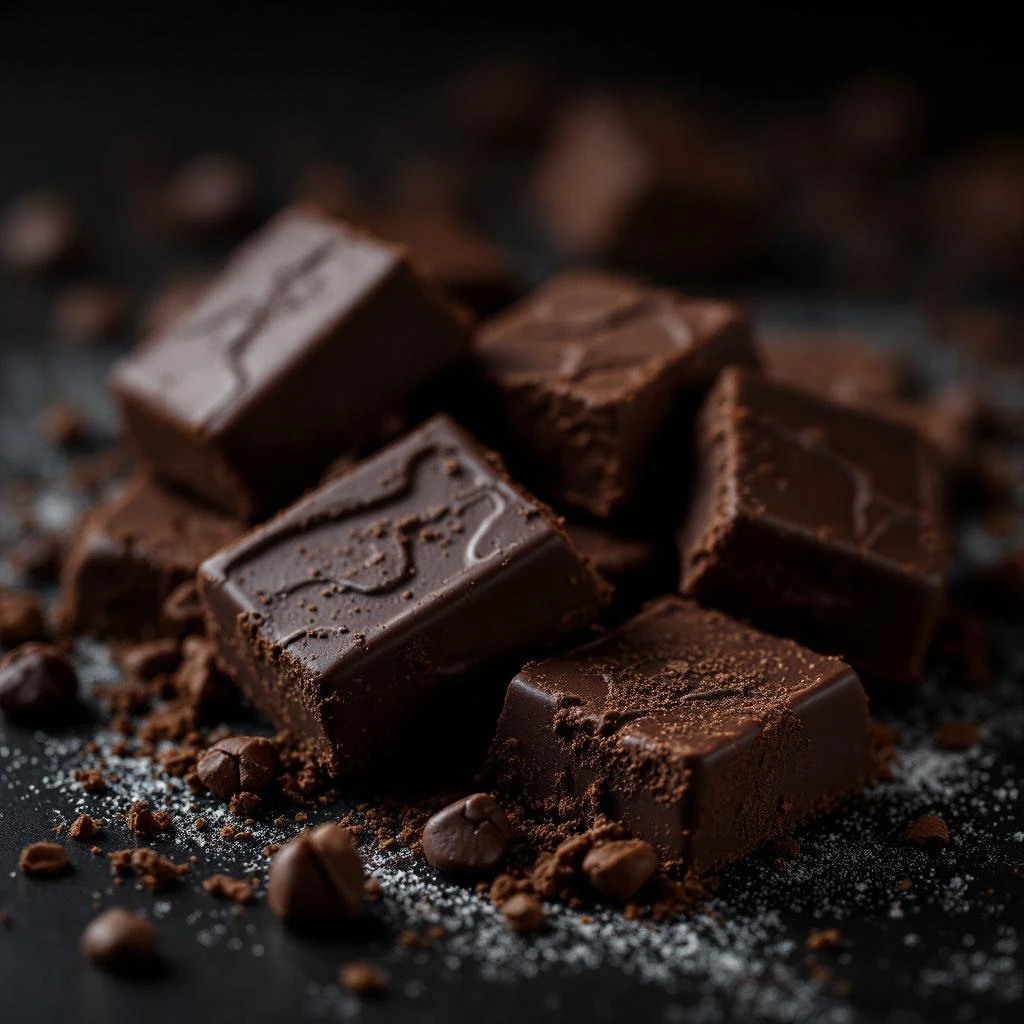
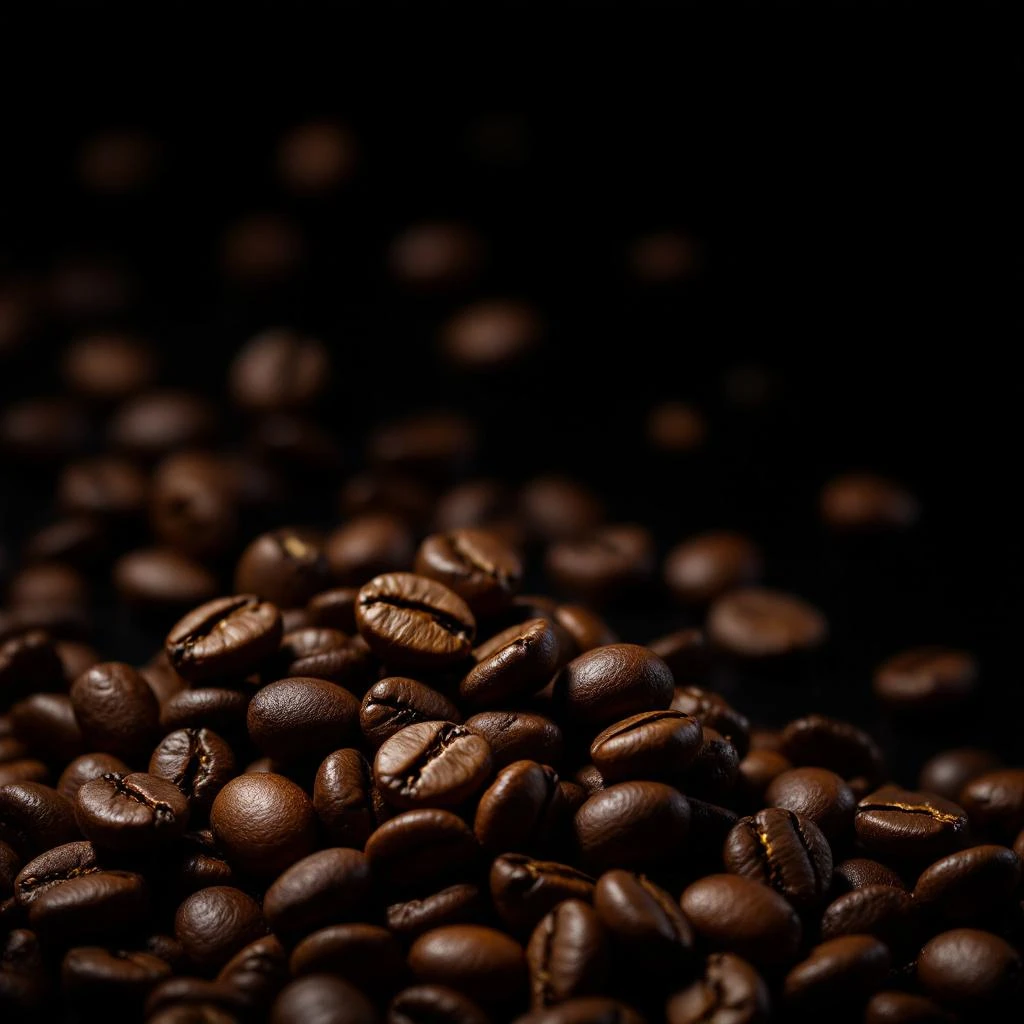
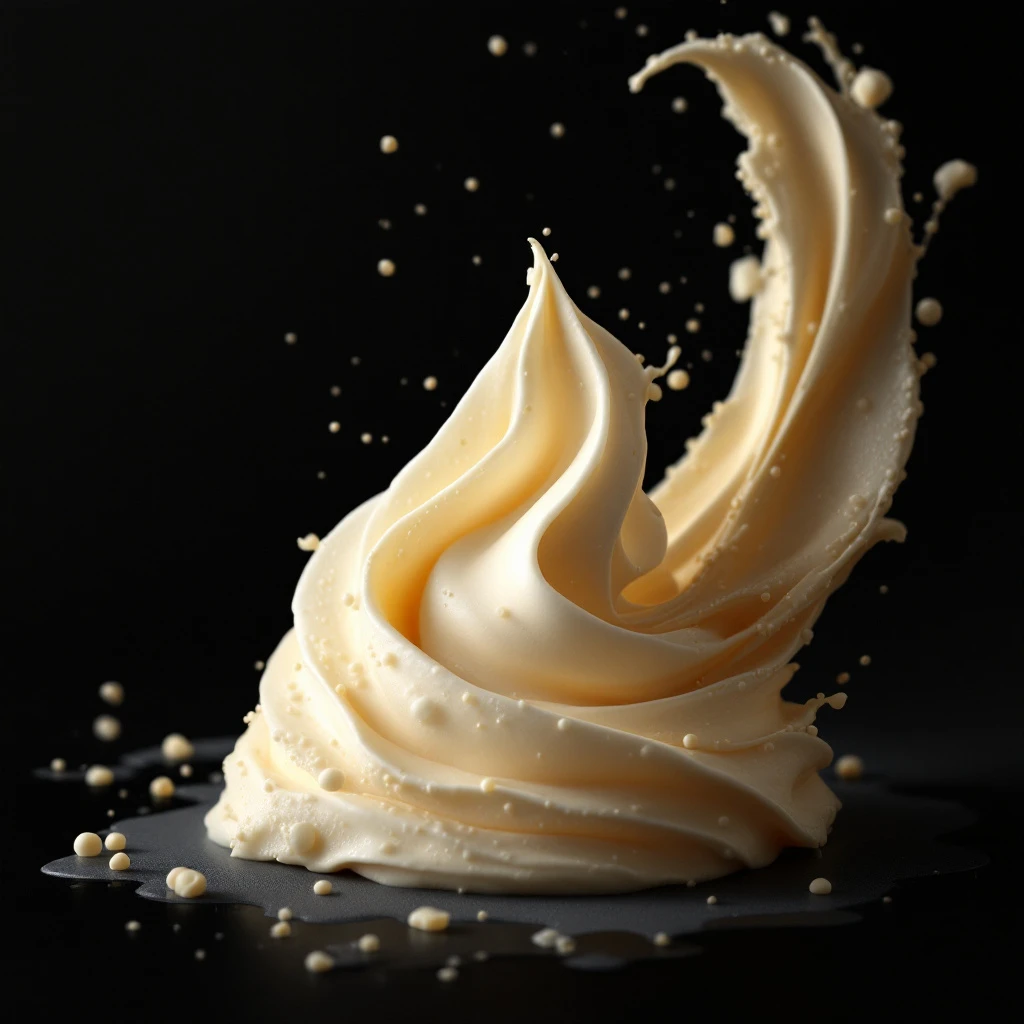
Vanilla Foam captures the ethereal, whipped quality of vanilla at its most delicate. Unlike dense vanilla extracts, this interpretation channels the airy sweetness of vanilla clouds, offering a nuanced warmth that lingers without overwhelming. A modern perfumery achievement rooted in ancient Mesoamerican traditions, it bridges centuries of olfactory artistry.
Character
How it smells
Whipped warmth: vanilla reimagined as airy sweetness.
Vanilla is the second most expensive spice after saffron because each flower must be hand-pollinated, a technique developed in 1841 by Belgian botanist Edmond Albius.
Pairs beautifully with
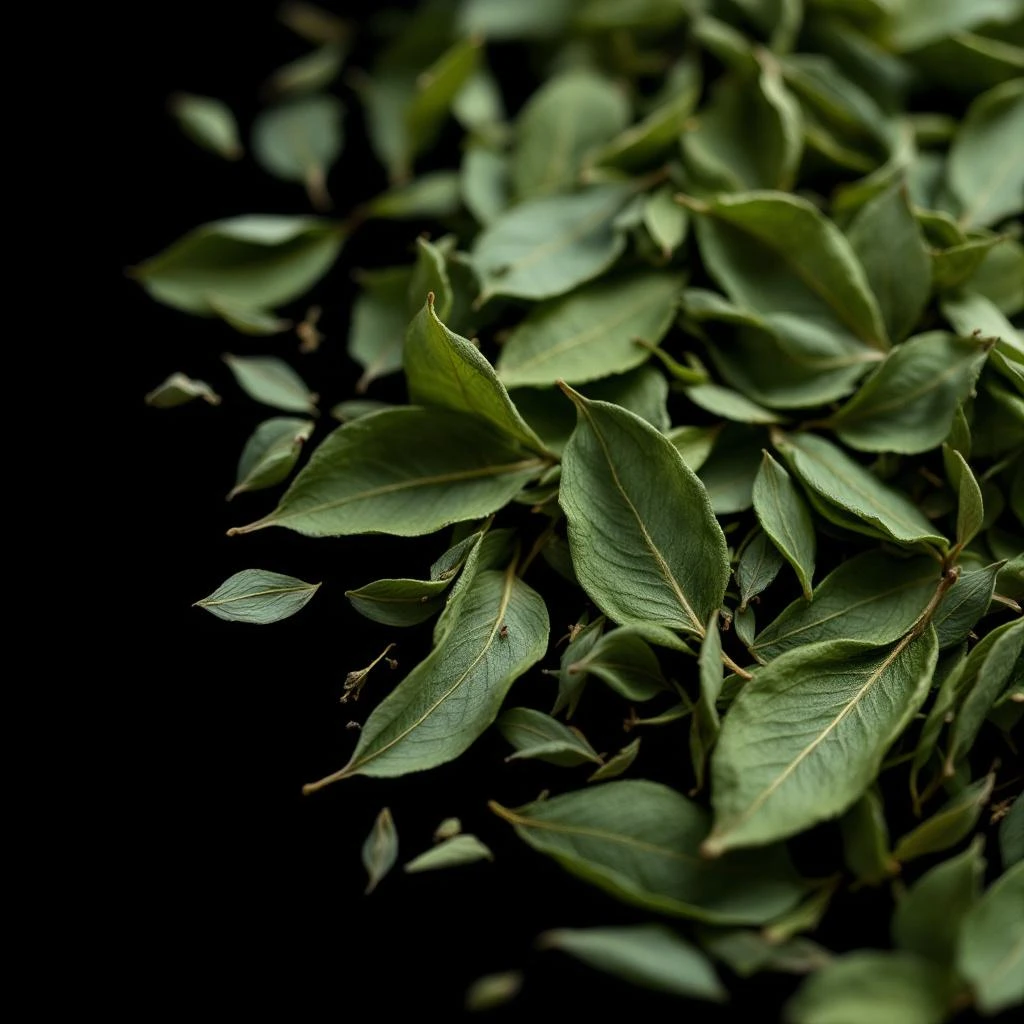

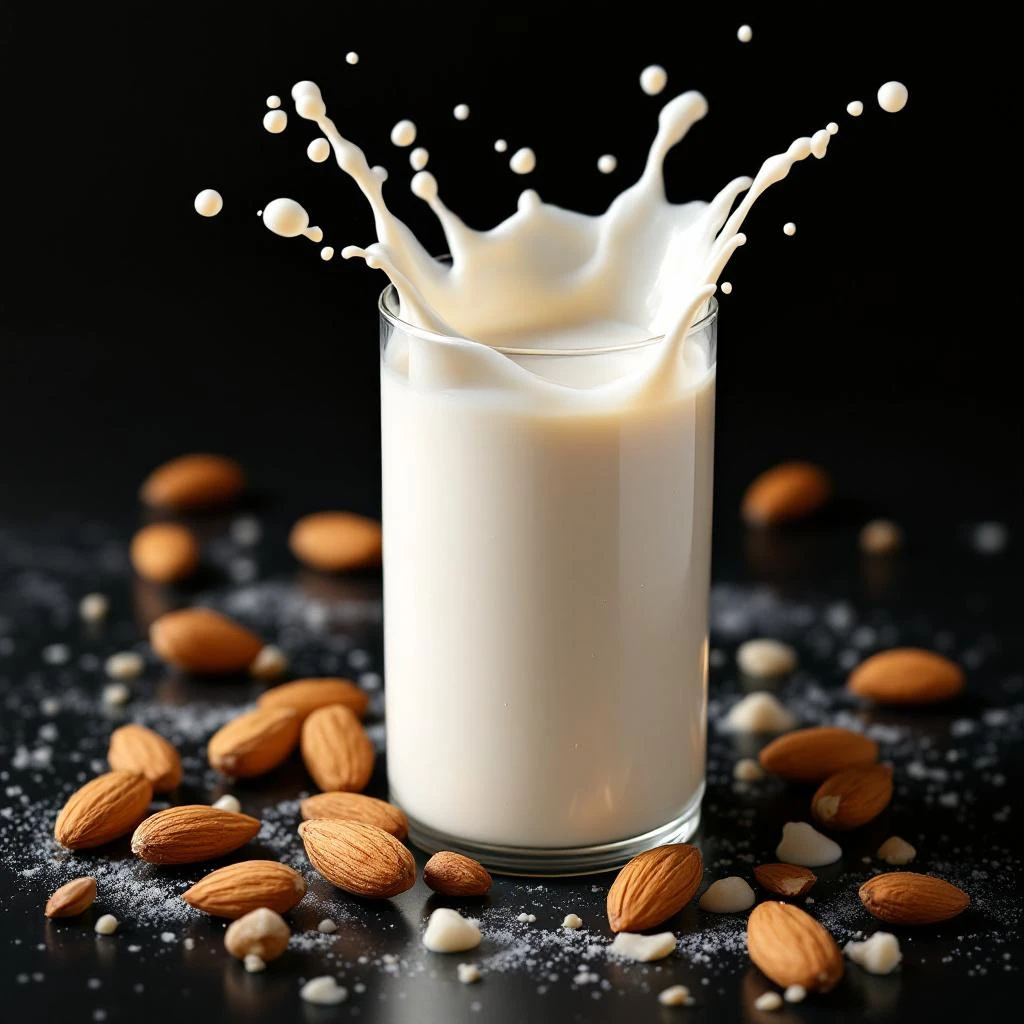
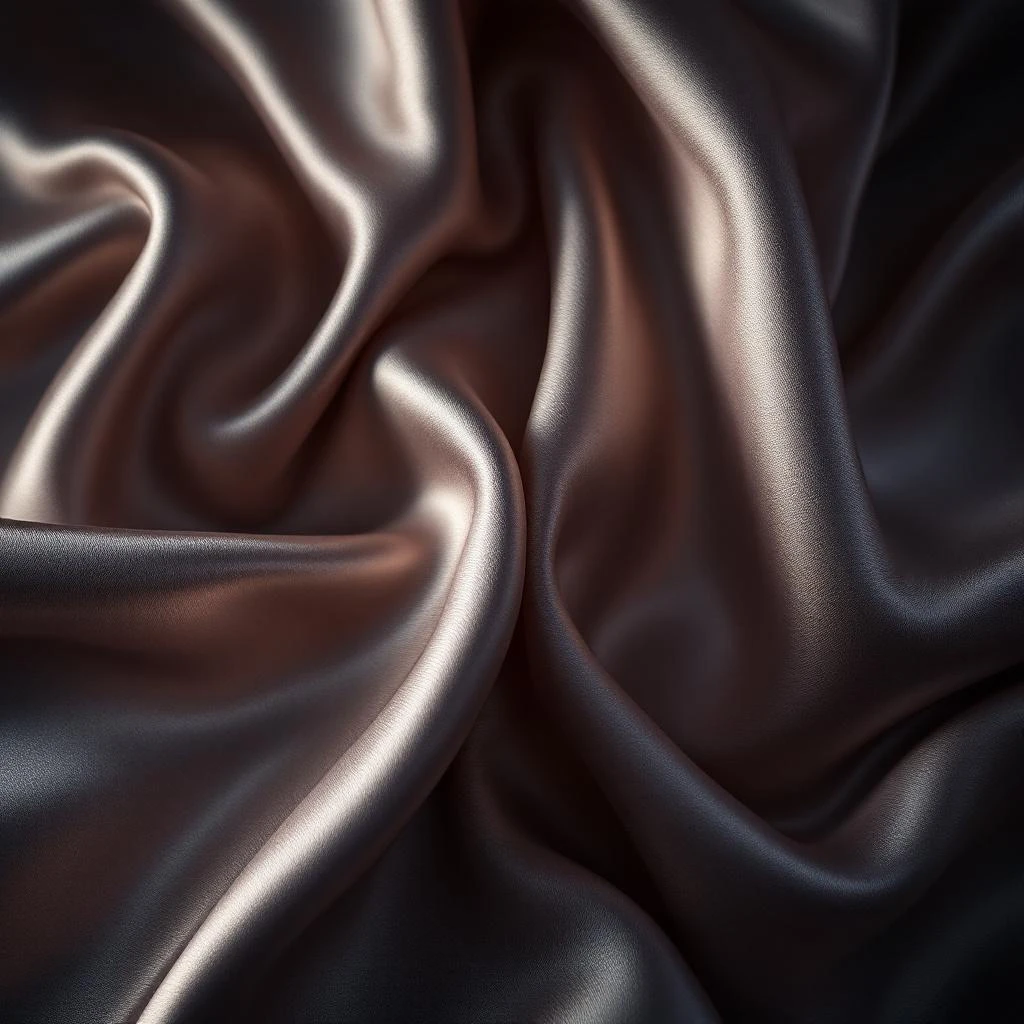
Origin
Mexico
Vanilla's journey in perfumery traces back to the Aztec empire, where Montezuma's court prized vanilla-scented chocolate beverages as divine elixirs. Spanish conquistadors brought vanilla to Europe in the 16th century, though its cultivation remained mysterious for centuries.
The orchid's Central American origins meant European growers struggled to produce fruit until 1841, when Edmond Albius discovered the hand-pollination technique that enabled global cultivation. French perfumers first embraced vanilla as a fragrance ingredient in the 19th century, blending it with rose and jasmine in powdered cosmetics.
The late 1800s marked a turning point when chemists synthesized vanillin in 1894, followed by ethylvanillin shortly after, democratizing vanilla's use in perfumery. Today, vanilla remains one of the most recognizable and comforting notes in fragrance, appearing in approximately 80% of all perfumes in some capacity, yet the pursuit of capturing its most delicate expressions continues to inspire perfumers worldwide.
Wears it best
Fragrances featuring Vanilla Foam
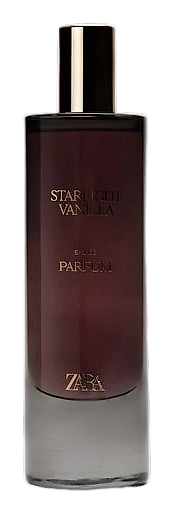
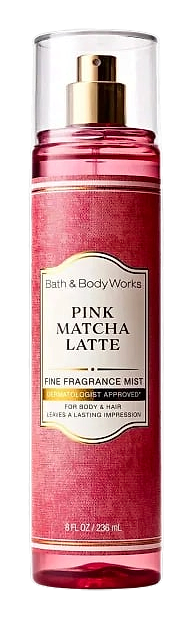
Brands
Brands known for Vanilla Foam
Good to know
Questions, answered
The essentials on Vanilla Foam in perfumery: how it smells, where it comes from, and how it behaves on skin.
What makes Vanilla Foam different from regular vanilla extract?
Vanilla Foam captures the lighter, more volatile aromatic compounds in vanilla rather than the heavy base notes. The result is a delicate, airy sweetness that provides warmth without the dense richness typical of standard vanilla extracts.
How is Vanilla Foam produced?
The process combines traditional maceration with modern fractionation techniques. Cured vanilla pods undergo extended alcohol extraction, followed by selective isolation of lighter aromatic molecules to achieve that characteristic whipped, airy quality.
What does Vanilla Foam smell like?
The scent profile features creamy sweetness with milky undertones, subtle floral facets reminiscent of iris and jasmine that emerge in the drydown, and a warm base that lingers delicately on skin.
Which countries produce the best vanilla for perfumery?
Madagascar produces approximately 80% of the world's vanilla used in perfumery. Indonesia, Mexico, and Tahiti also cultivate vanilla, with each region contributing distinct aromatic characteristics based on terroir and variety.
Is Vanilla Foam natural or synthetic?
Vanilla Foam typically combines natural vanilla extracts with modern isolation techniques. The base material is genuine vanilla, but processing methods may include selective refinement of aromatic compounds.
What fragrance families pair well with Vanilla Foam?
Vanilla Foam complements oriental fragrances with amber and benzoin, adds warmth to floral compositions, enhances gourmand accords with tonka and caramel, and provides subtle sweetness to fresh chypre formulations.
How long has vanilla been used in perfumery?
European perfumers began incorporating vanilla in the 19th century after the orchid's hand-pollination technique enabled reliable cultivation. Its use expanded dramatically after vanillin synthesis in the late 1800s.
Does Vanilla Foam perform differently in fragrance than traditional vanilla?
The lighter molecular profile of Vanilla Foam means it tends to appear in the top and heart notes rather than the base. It offers better diffusion in the opening phases while still providing lasting warmth in the drydown.