Pink Lilac
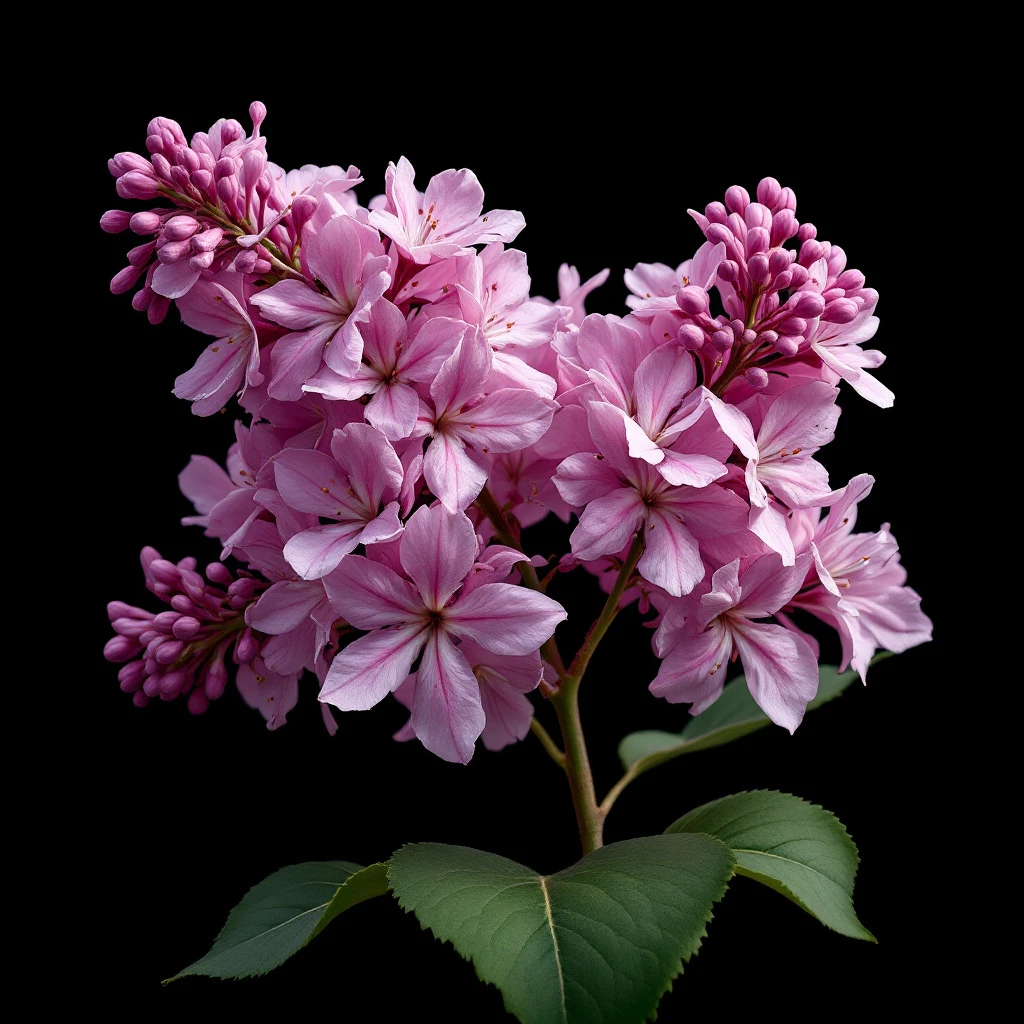
Pink Lilac captures spring's soft, dewy florality in a hue that speaks to gentle romance. The scent is impossibly hard to capture naturally, which is precisely why it enchants.
Character
How it smells
The flower perfumers can never quite bottle
Lilac cannot be extracted by steam distillation or solvents, so every drop in fragrance is a perfumer's careful illusion built molecule by molecule.






Origin
Balkans region (Serbia, Romania, Bulgaria)
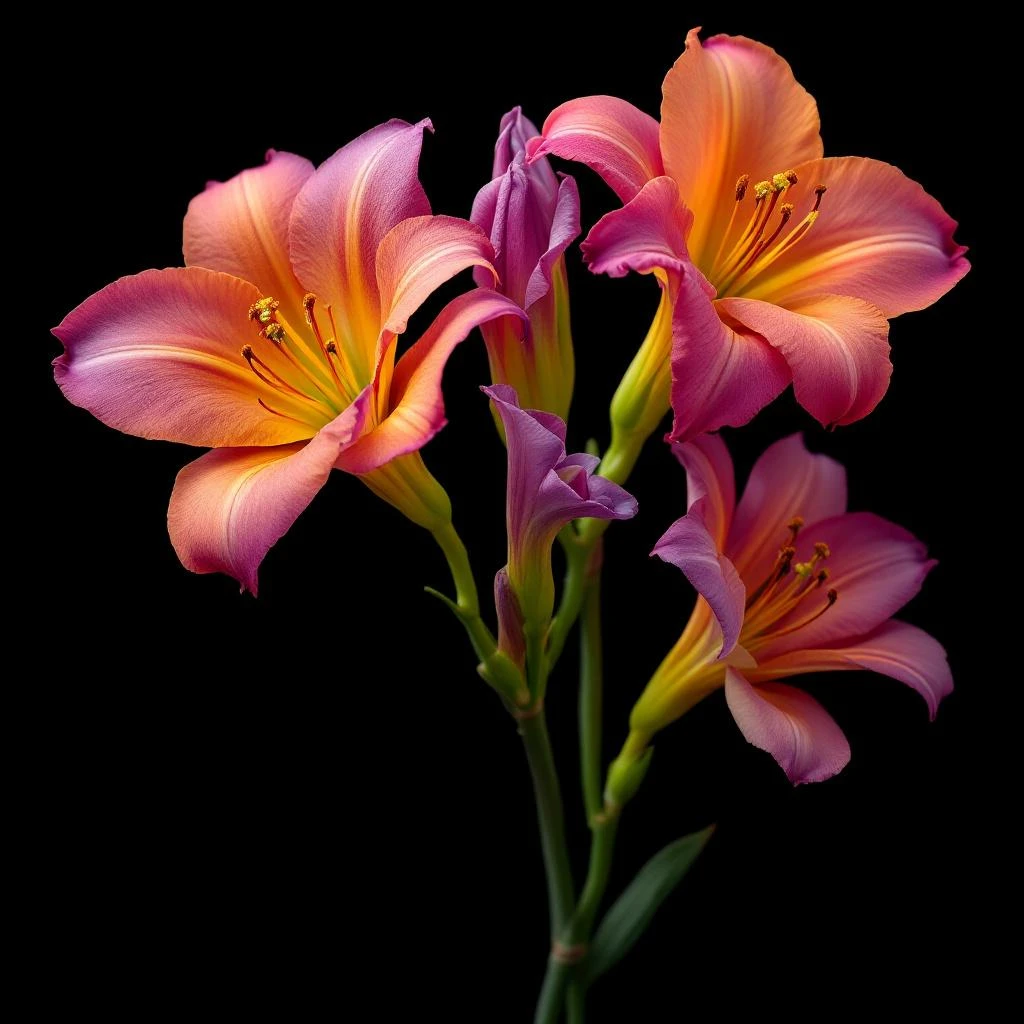
The lilac (Syringa vulgaris) arrived in Europe from the Arab world through Spain around the 16th century, carried along trade routes that had already reshaped Mediterranean horticulture. Its earliest fragrant use was humble: the dried blooms scented pomanders and sachet blends, tucked into closets and linens to perfume domestic spaces. By the 19th century, as organic synthesis unlocked new aroma chemicals, perfumers began attempting to recreate lilac's elusive scent in the laboratory.
The first convincing reconstructions appeared in the early decades of the 20th century, when chemists identified floral aldehydes that captured some of lilac's airy, dewy quality. Lilac aldehyde became one of the signature accords of mid-century floral perfumery, appearing in compositions that sought to bottle the optimism of spring gardens. Pink-flowered lilac cultivars, developed through selective breeding in European and American nurseries, added visual softness to a flower already prized for fragrance.
Botanically, the genus traces back to the Balkans and the foothills of the Carpathians, where wild Syringa still grows on rocky slopes. From these origins, lilac spread east to Asia and west across colonial gardens, becoming a temperate-zone favorite whose scent, paradoxically, remained just beyond perfumery's grasp.
Wears it best
Fragrances featuring Pink Lilac
Brands
Brands known for Pink Lilac
Good to know
Questions, answered
The essentials on Pink Lilac in perfumery: how it smells, where it comes from, and how it behaves on skin.
Can you extract essential oil from pink lilac?
No. Lilac flowers resist both steam distillation and solvent extraction because their delicate fragrance molecules either break down under heat or fail to transfer into the solvent. Perfumers must reconstruct the scent synthetically instead.
What does pink lilac smell like in perfumery?
The recreated note reads as soft, dewy, and green-floral with a powdery sweetness. It evokes fresh-cut stems and the airy quality of spring blossoms without the heavier indolic depth of white flowers.
Is lilac natural or synthetic in fragrances?
Almost entirely synthetic. Because extraction is unfeasible, lilac accords are built from aroma chemicals like hydroxycitronellal, lilial, and phenylethyl alcohol blended with green and floral naturals.
Where does the lilac plant originally come from?
Wild lilacs (Syringa vulgaris) originate in the Balkan Peninsula, particularly the rocky slopes of Serbia, Romania, and Bulgaria. The plant spread east into gardens across Europe and Asia from these mountainous origins.
When were lilacs first used in perfumery?
Dried lilac blooms scented European pomanders from the 16th century onward, but the first synthetic lilac reconstructions appeared in the early 20th century once chemists isolated suitable floral aldehydes.
Are there natural lilac perfumes available today?
True natural lilac perfume does not exist commercially. Recent biotech methods, including plant-cell fermentation, have begun producing some authentic lilac compounds, but these remain niche compared to synthetic reconstructions.
How do perfumers create a convincing lilac note?
Perfumers layer synthetic floral aldehydes with green-leaf accents and indolic undertones. The goal is to suggest the living flower's airy sweetness rather than replicate its exact chemical profile.
Does pink lilac smell different from purple lilac?
Color does not significantly affect scent chemistry. Both pink and purple cultivars share the same delicate floral profile, though individual cultivars may vary slightly in sweetness and greenness depending on breeding.




