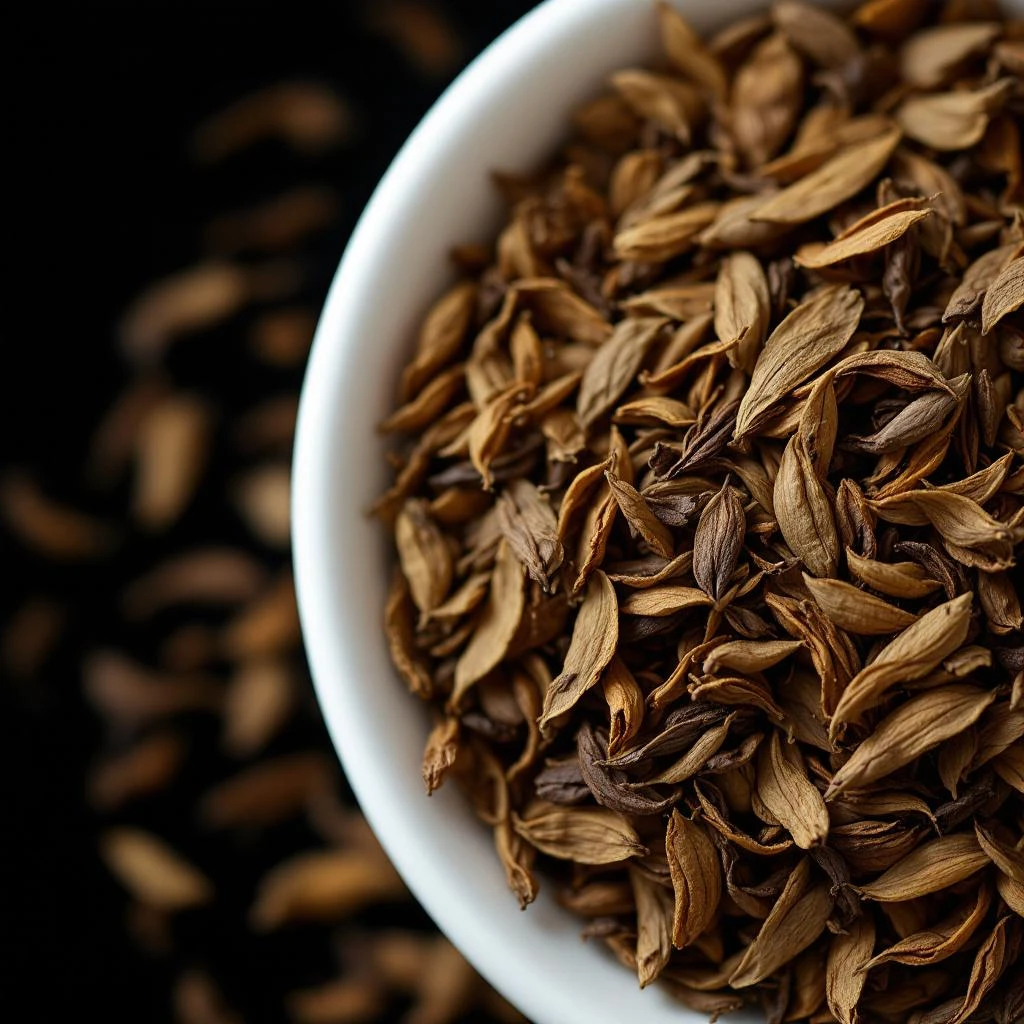
Rose Stem
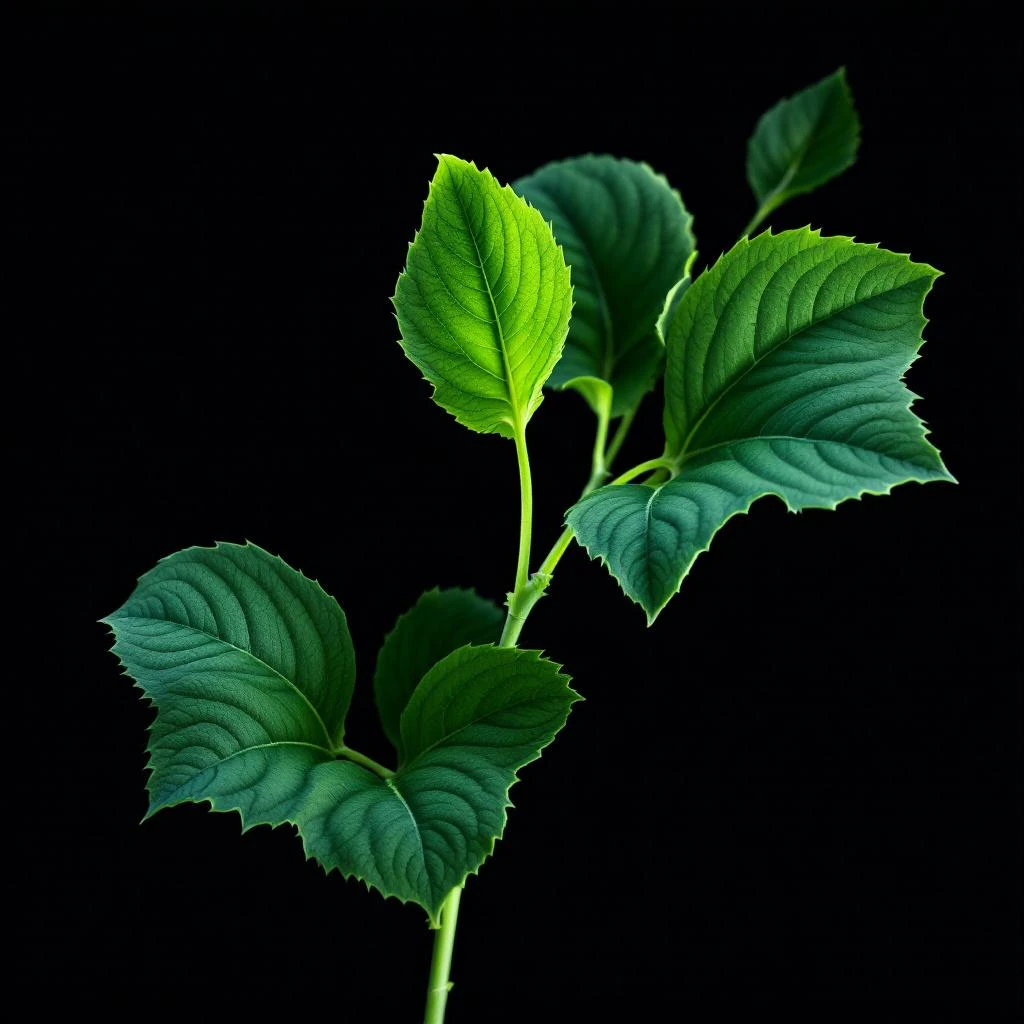
Rose stem captures the green, slightly woody essence of the rose plant—earthy depth beneath the bloom's romantic reputation. Rarely spotlighted, this material offers a grounded counterpoint to rose's famous floralcy.

Character
How it smells
The grounded soul beneath the rose's bloom.
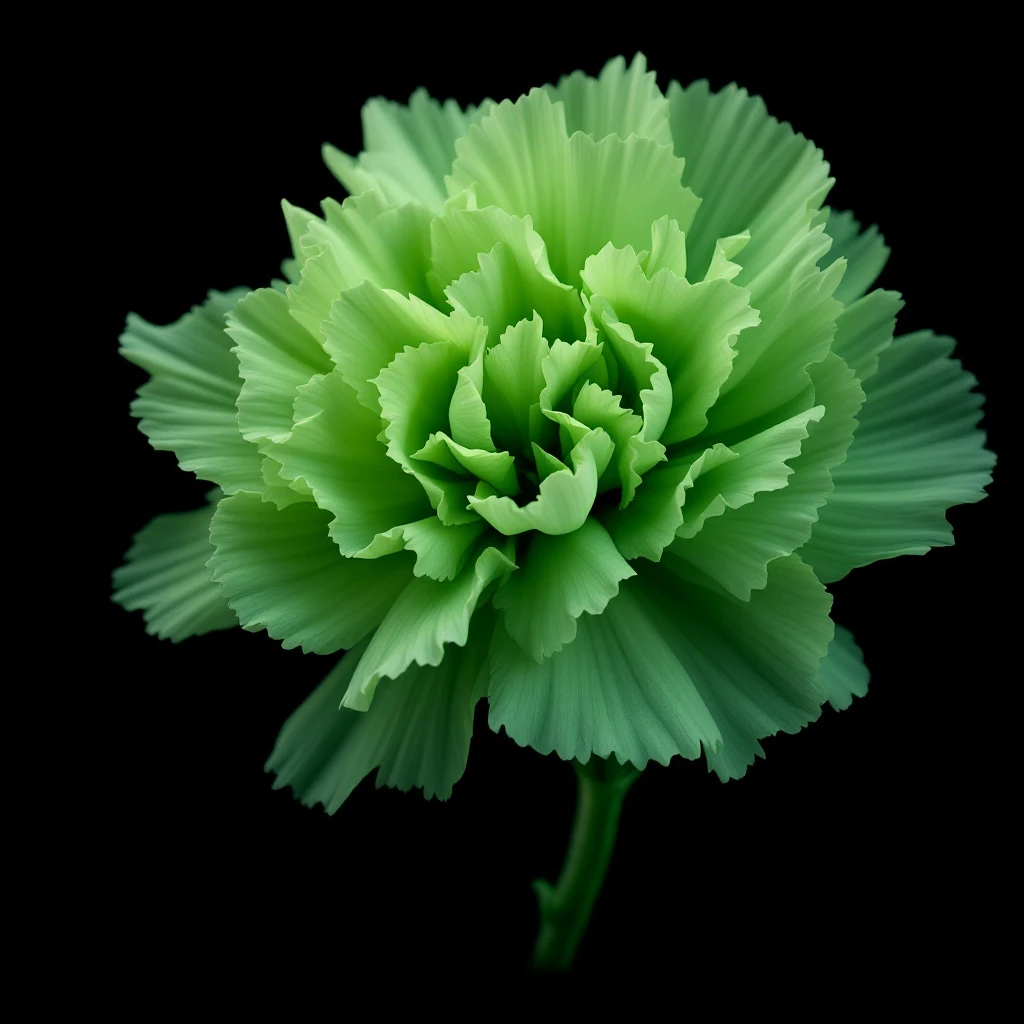
Rose stems contain trace aromatic compounds distinct from the flower, offering a green, slightly bitter facet rarely found in rose petal extracts.






Origin
Bulgaria
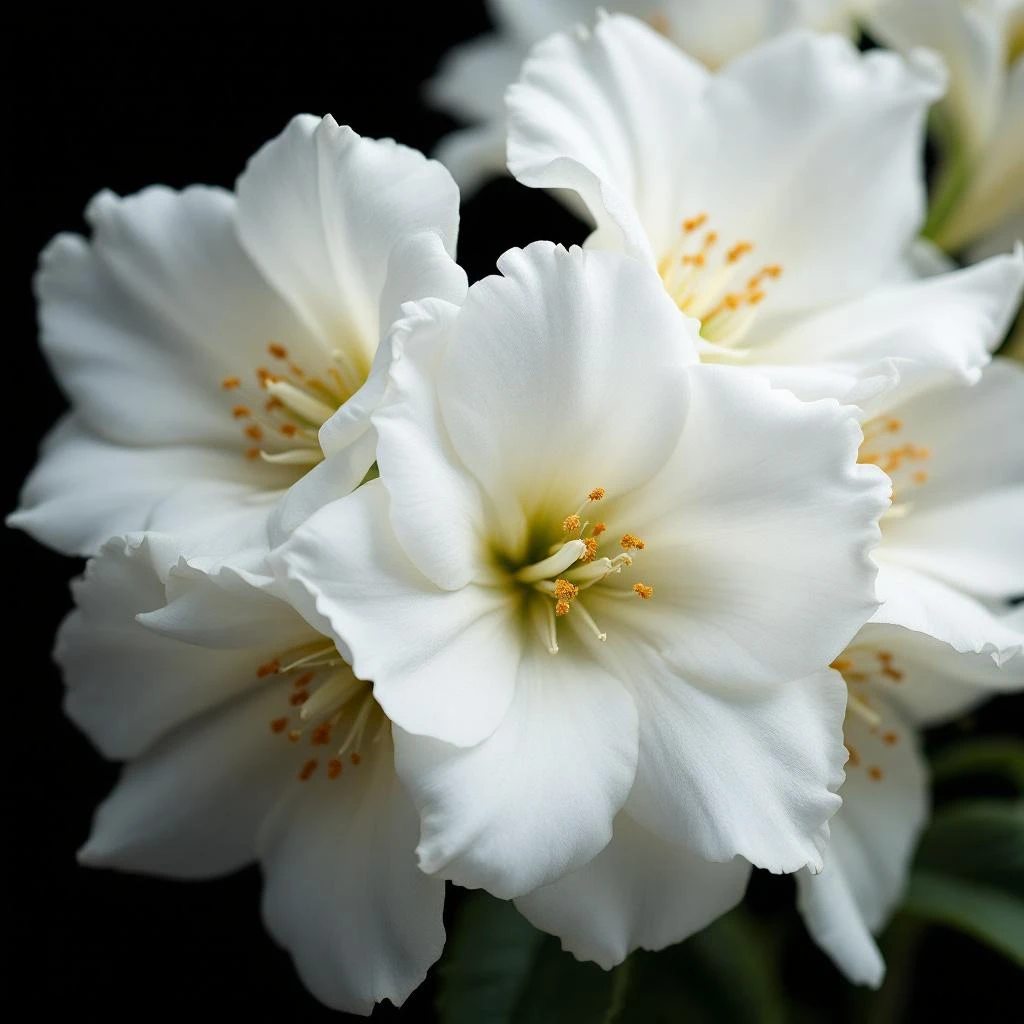
While roses themselves have been celebrated since ancient Chinese and Sanskrit texts, documented use of rose stems as a distinct fragrance material is rare in historical records. The ancient Persians, Egyptians, Greeks, and Romans prized rose flowers for cosmetics and religious rituals, but typically discarded the stems as waste. By the 17th century, rose cultivation and oil extraction had become an industry in Persia, though focus remained firmly on petal yields.
Rose stem as a fragrance ingredient represents a relatively modern discovery—perfumers began exploring full-plant extraction methods in the late 20th century, driven by interest in capturing more of the rose's botanical complexity. Today, small-scale producers in Bulgaria, Turkey, and Morocco experiment with stem extraction as the industry seeks sustainable ways to utilize entire harvests.
Wears it best
Fragrances featuring Rose Stem

Brands
Brands known for Rose Stem
Good to know
Questions, answered
The essentials on Rose Stem in perfumery: how it smells, where it comes from, and how it behaves on skin.
What does rose stem smell like?
Rose stem offers a green, slightly woody aroma with vegetative and earthy undertones—distinct from the sweet floralcy of rose petals. It reads as grounded and organic, adding botanical authenticity to fragrances.
Is rose stem a common fragrance ingredient?
No. Rose stem remains uncommon in commercial perfumery, appearing mainly in artisanal or niche fragrances. Most rose extracts use only petals, making stem a rare material.
How does rose stem differ from rose absolute?
Rose absolute comes from petals via solvent extraction and captures rich floral sweetness. Rose stem distillate delivers green, woody qualities the petal material lacks—offering a different aromatic profile entirely.
What extraction method is used for rose stem?
Steam distillation is the primary method for extracting aromatic compounds from rose stems. The fresh stems undergo distillation shortly after harvest to preserve volatile green notes.
Which regions produce rose stem extract?
Rose stem extraction occurs primarily in traditional rose-growing regions: Bulgaria's Rose Valley, Turkey's Isparta province, and Morocco's Taounate region. These areas have the infrastructure for full-plant rose processing.
Can rose stem be synthesized?
Synthetic rose stem compounds exist, but natural extraction remains preferred among natural perfumers. The material's rarity makes synthetic alternatives uncommon in the market.
What fragrance families pair well with rose stem?
Rose stem complements green, chypre, and woody fragrance families. It grounds overly floral compositions and adds authenticity to botanical, garden-inspired scents.
Is rose stem sustainable to harvest?
Using rose stems represents a sustainable practice—harvesting stems alongside petals means nothing goes to waste. This full-plant approach maximizes yield without additional cultivation.