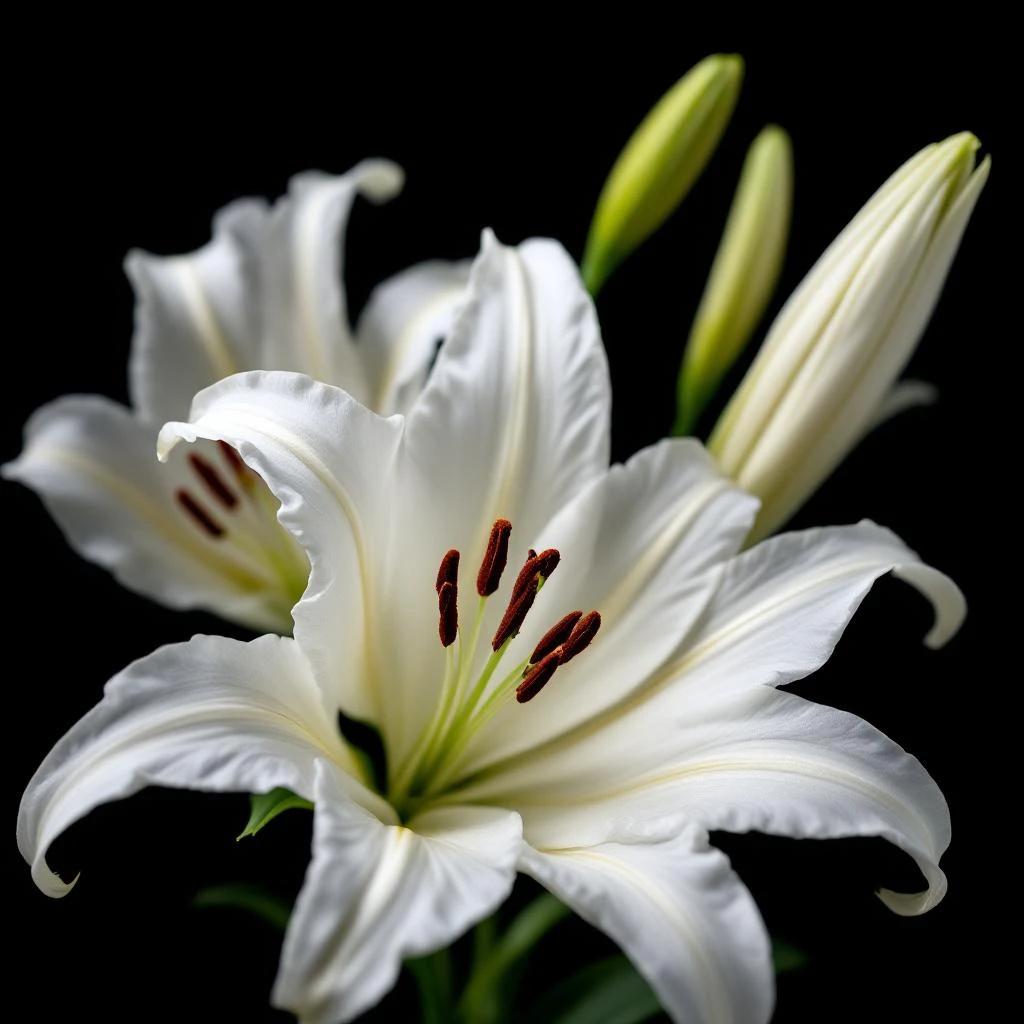
Rose Thorn
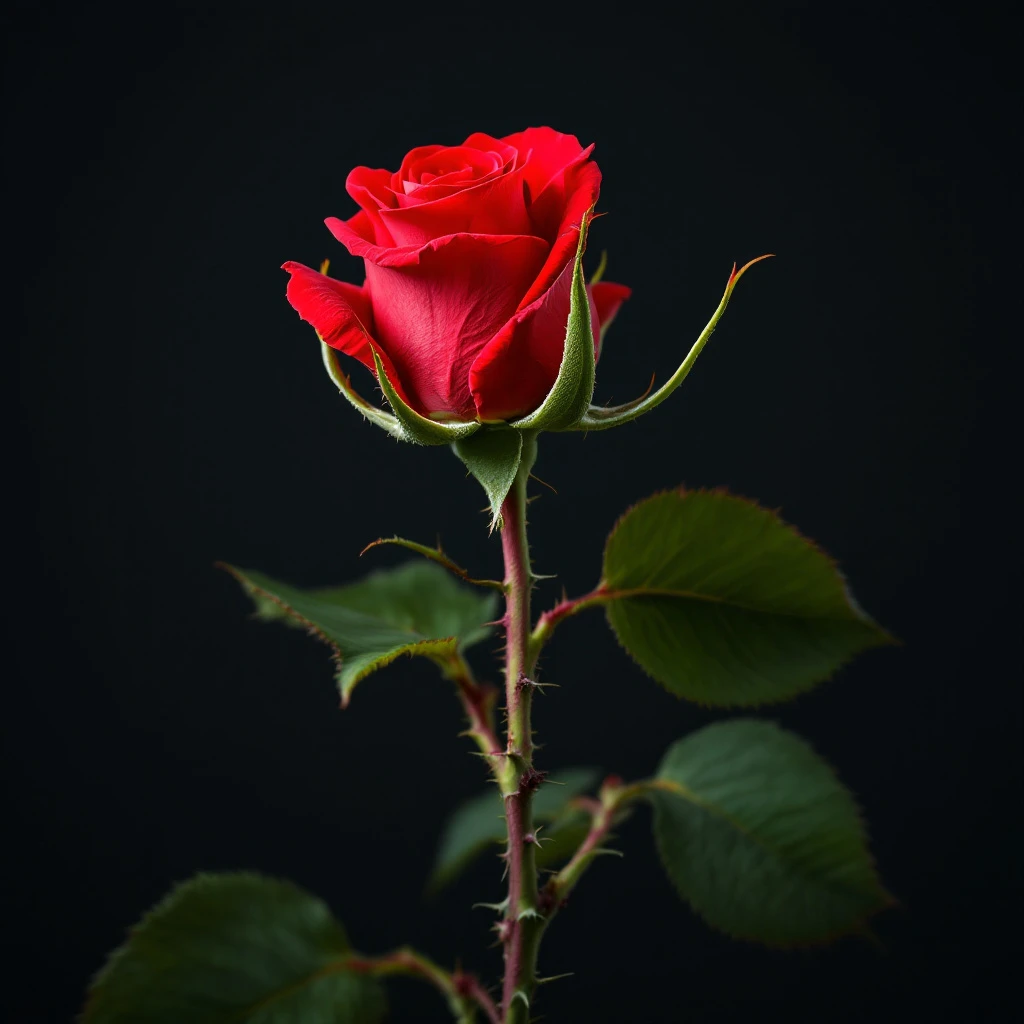
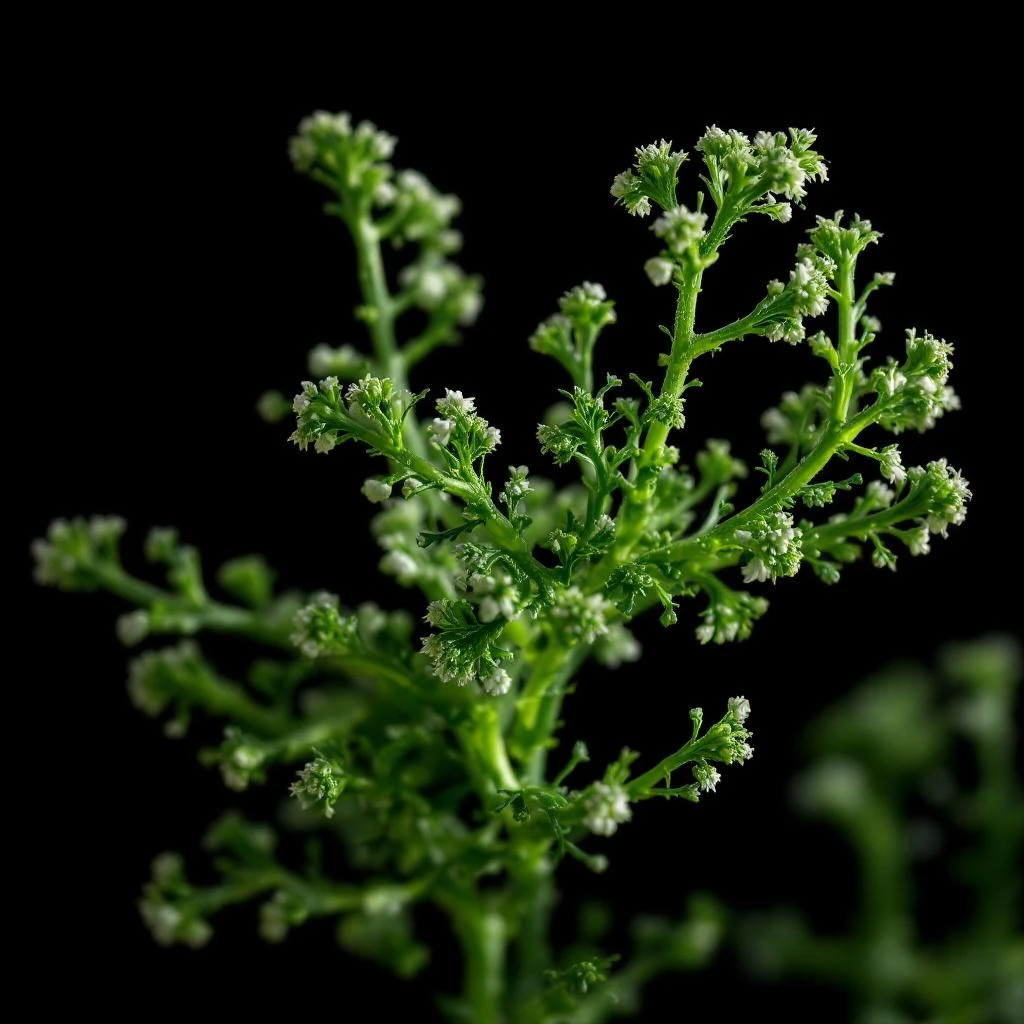
The green, woody, and subtly bitter extract derived from rose thorns and stems. This unusual ingredient captures the untamed essence of the rose plant, adding a wild, natural depth that contrasts with conventional floral rose materials.
Character
How it smells
The rose's hidden bite
Rose thorns contain distinct aromatic compounds not found in petals, giving perfumers a way to capture the untamed, green character of living roses.




Origin
Bulgaria
While roses have ancient roots in perfumery, traced to Persian, Egyptian, Greek, and Roman civilizations, the use of rose thorns as a fragrance material is a more recent development. Ancient cultures focused on rose petals for their beauty and fragrance, discarding thorny stems as waste.
The Damask rose, originating in Syria and spread along ancient trade routes, became the primary rose for perfumery. Bulgaria emerged as the world's leading rose otto producer under the Ottoman Empire, particularly from the 19th century.
Modern perfumers began exploring rose thorns as fragrance ingredients only in recent decades, seeking to capture more of the rose plant's full aromatic range. This exploration reflects a broader trend in contemporary perfumery toward unusual botanical parts and complex natural materials that tell a more complete story of their source plants.
Wears it best
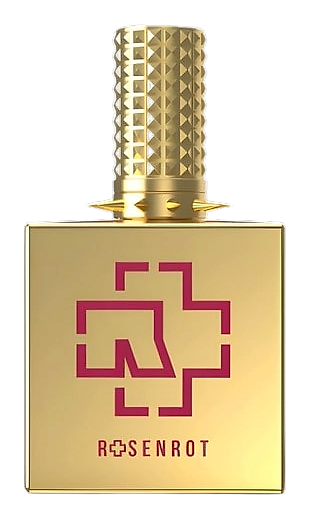
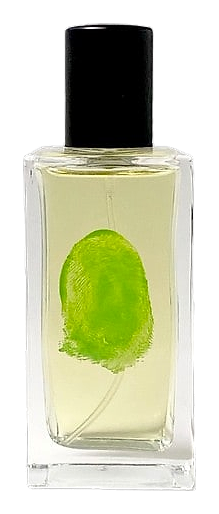
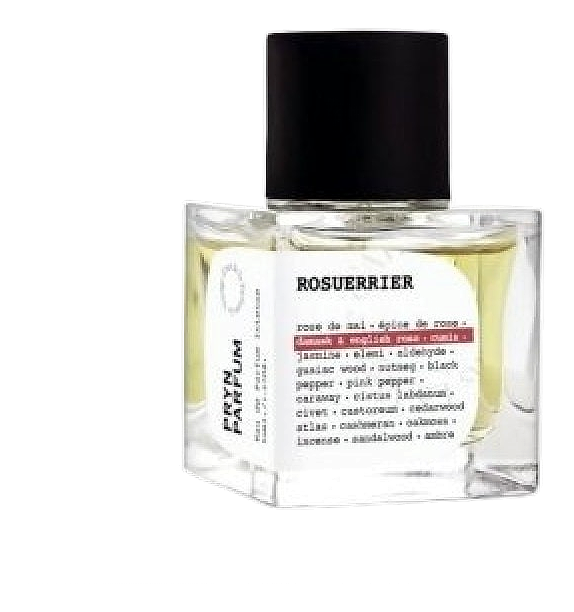
Fragrances featuring Rose Thorn

Brands
Brands known for Rose Thorn
Good to know
Questions, answered
The essentials on Rose Thorn in perfumery: how it smells, where it comes from, and how it behaves on skin.
What does rose thorn smell like?
Rose thorn emits a green, woody aroma with subtle bitter and vegetative qualities. It lacks the sweet floral character of rose petals, instead offering an earthy, natural scent reminiscent of fresh-cut stems and living plant matter.
Is rose thorn a natural or synthetic ingredient?
Rose thorn exists in both natural and synthetic forms. Natural extraction uses solvent methods on harvested thorns and stems, while synthetic versions reproduce specific aromatic molecules found in the material.
Why is rose thorn used in perfumery?
Perfumers use rose thorn to add depth and complexity to rose compositions. It provides a green, realistic quality that makes floral fragrances feel more like living roses rather than单纯的花瓣香精。
Which rose varieties produce the best thorn material?
Damask rose (Rosa damascena) produces the most valued thorn material for perfumery. The Bulgarian variant is particularly prized for its aromatic complexity.
How is rose thorn harvested sustainably?
Thorns are collected during seasonal pruning of rose bushes, making the process inherently sustainable. No additional plants are harvested; the material would otherwise be discarded.
What complementary ingredients pair well with rose thorn?
Rose thorn pairs naturally with rose petals, geranium, woody accords like sandalwood, and green notes such as galbanum. It adds realism to many floral compositions.
When did rose thorn first appear as a perfumery ingredient?
Rose thorn emerged as a distinct perfumery material in the late 20th century as perfumers began exploring beyond traditional petal extracts to capture fuller botanical profiles.
Does rose thorn contain the same compounds as rose petals?
Rose thorns contain different aromatic compounds than petals, with higher concentrations of green, woody molecules like certain sesquiterpenes that are present in only trace amounts in petals.