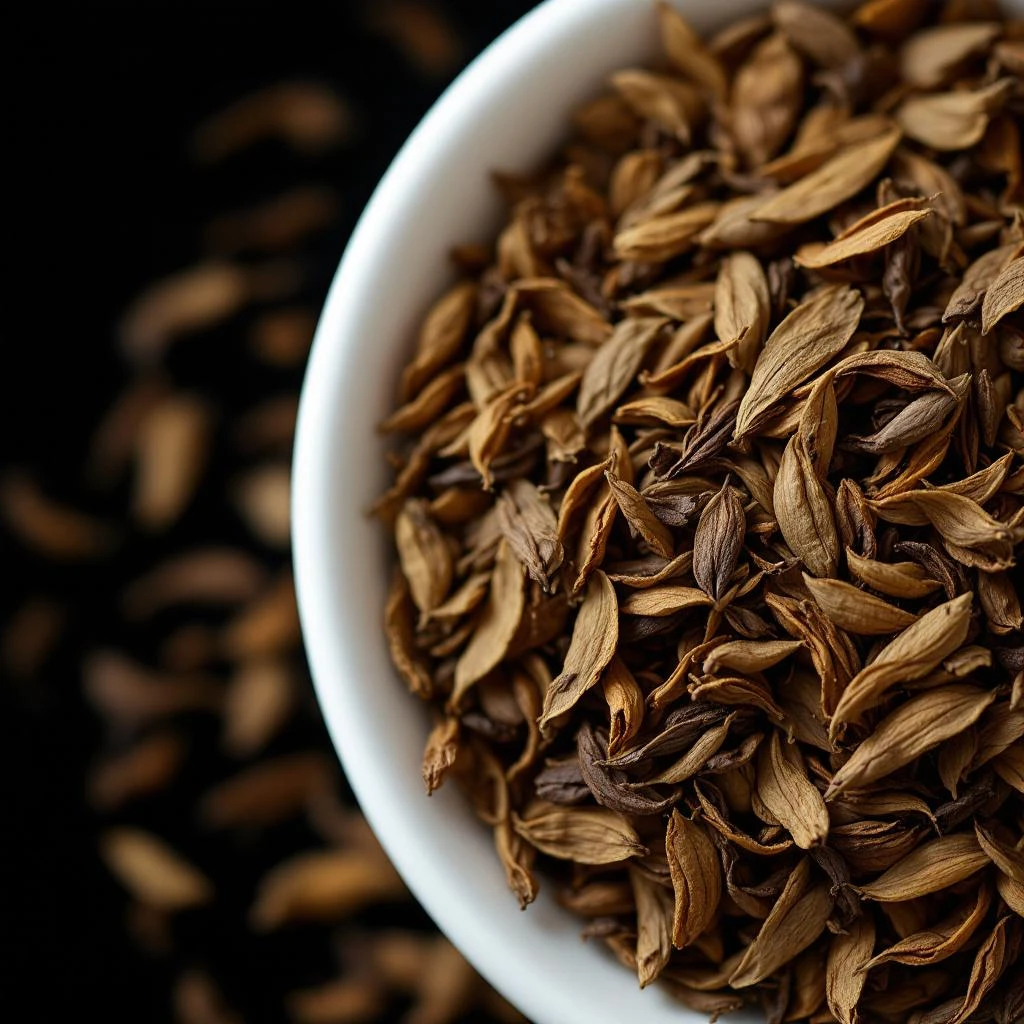
Nasturtium Stem
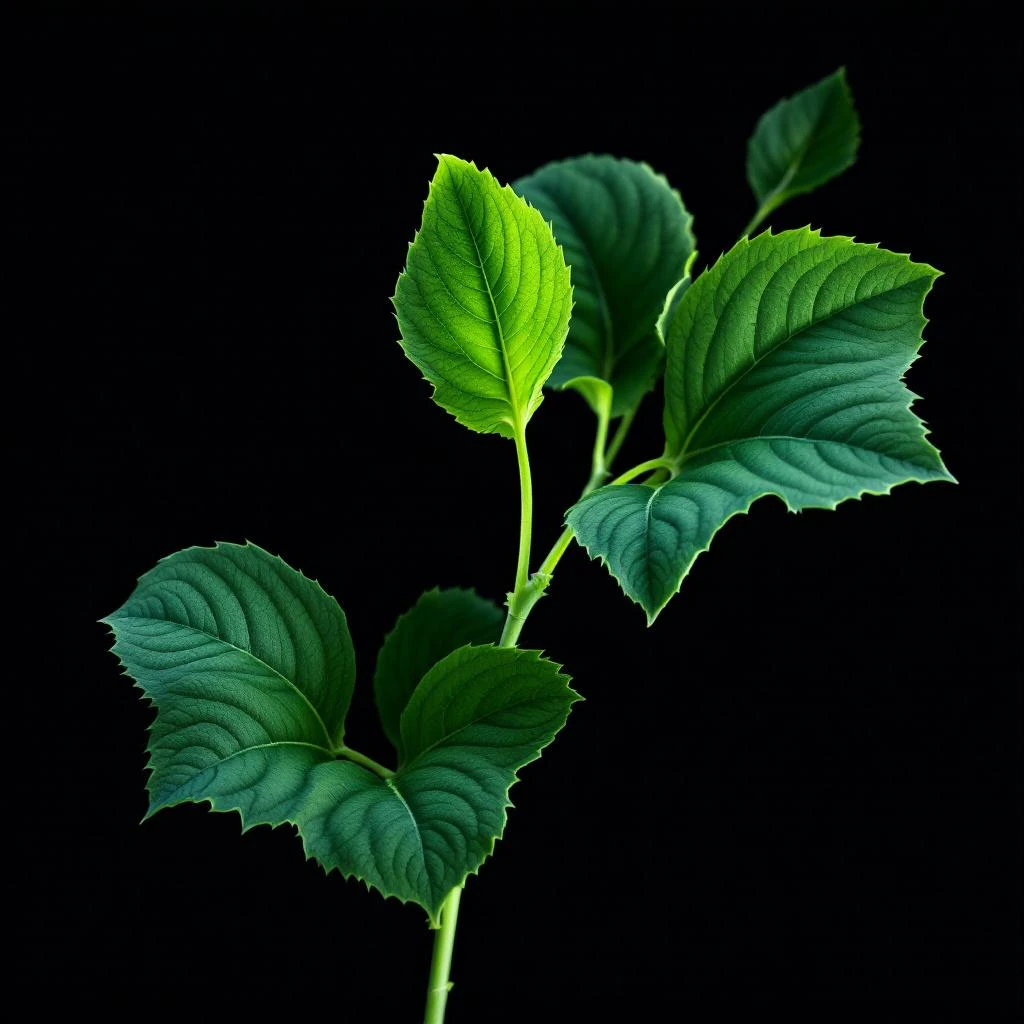
Nasturtium stem captures the living essence of a garden that has just been clipped—green, peppery, and startlingly fresh. Originating from the high Andes, this botanical brings an unexpected vibrancy to fragrance compositions, lending a crispness that balances richer notes.
Character
How it smells
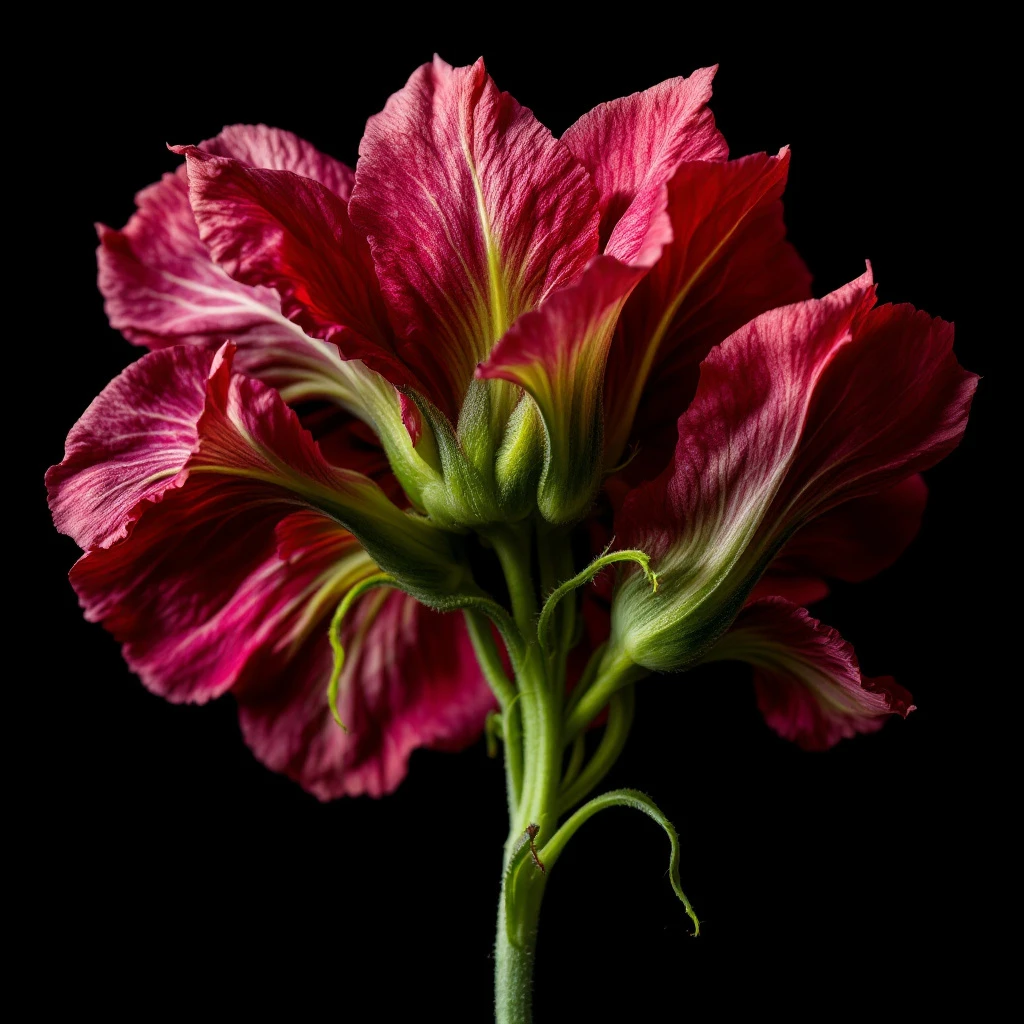
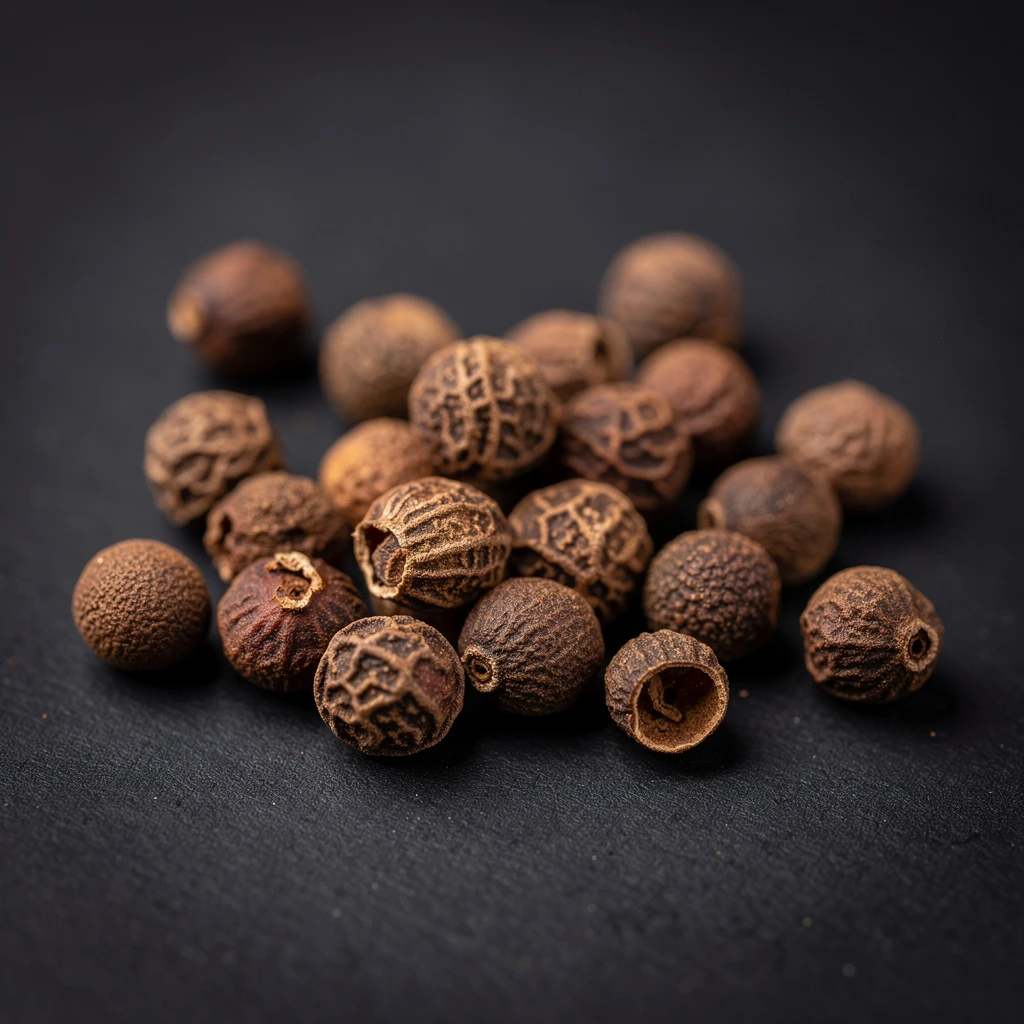
Green, peppery, and unmistakably alive—nasturtium stem.
Spanish conquistadors carried nasturtium from Peru to Europe in the 16th century, where it was initially called Indian cress for its watercress-like bite.






Origin
Peru
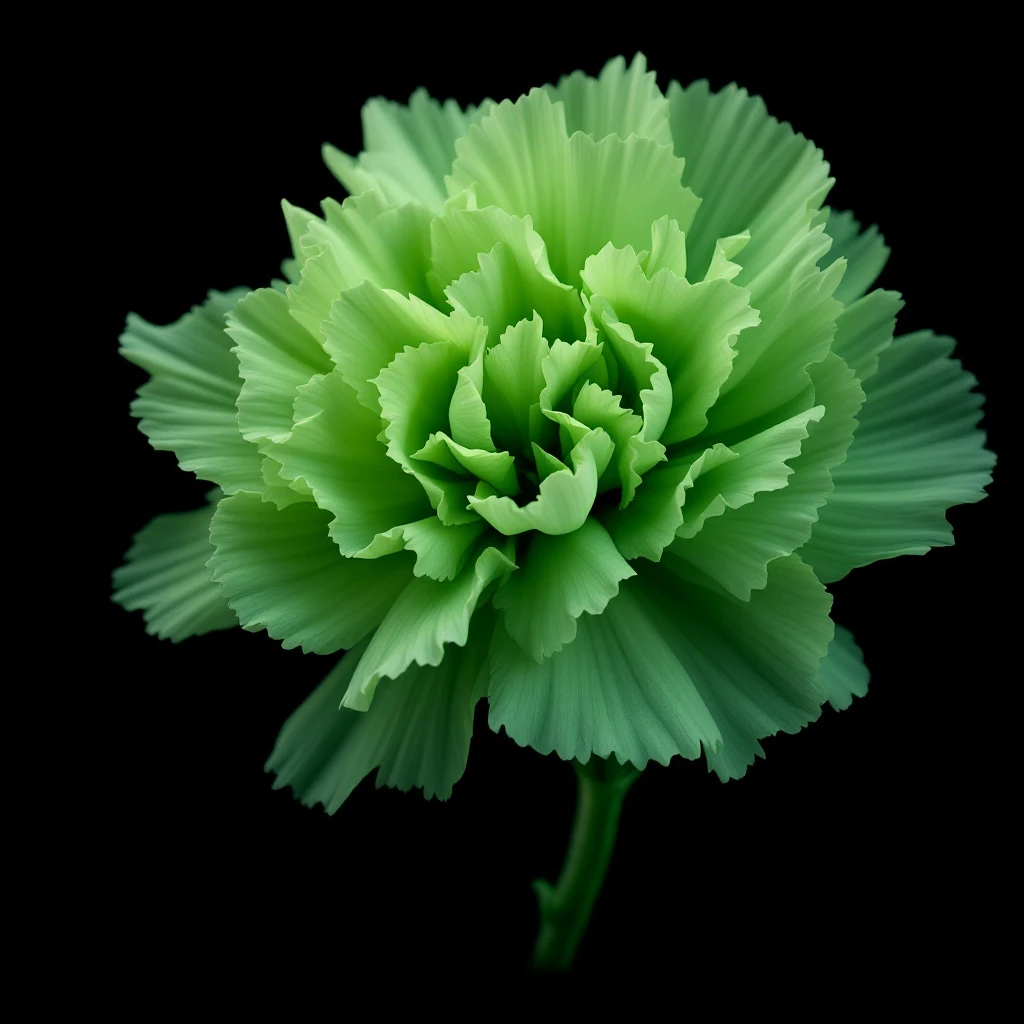
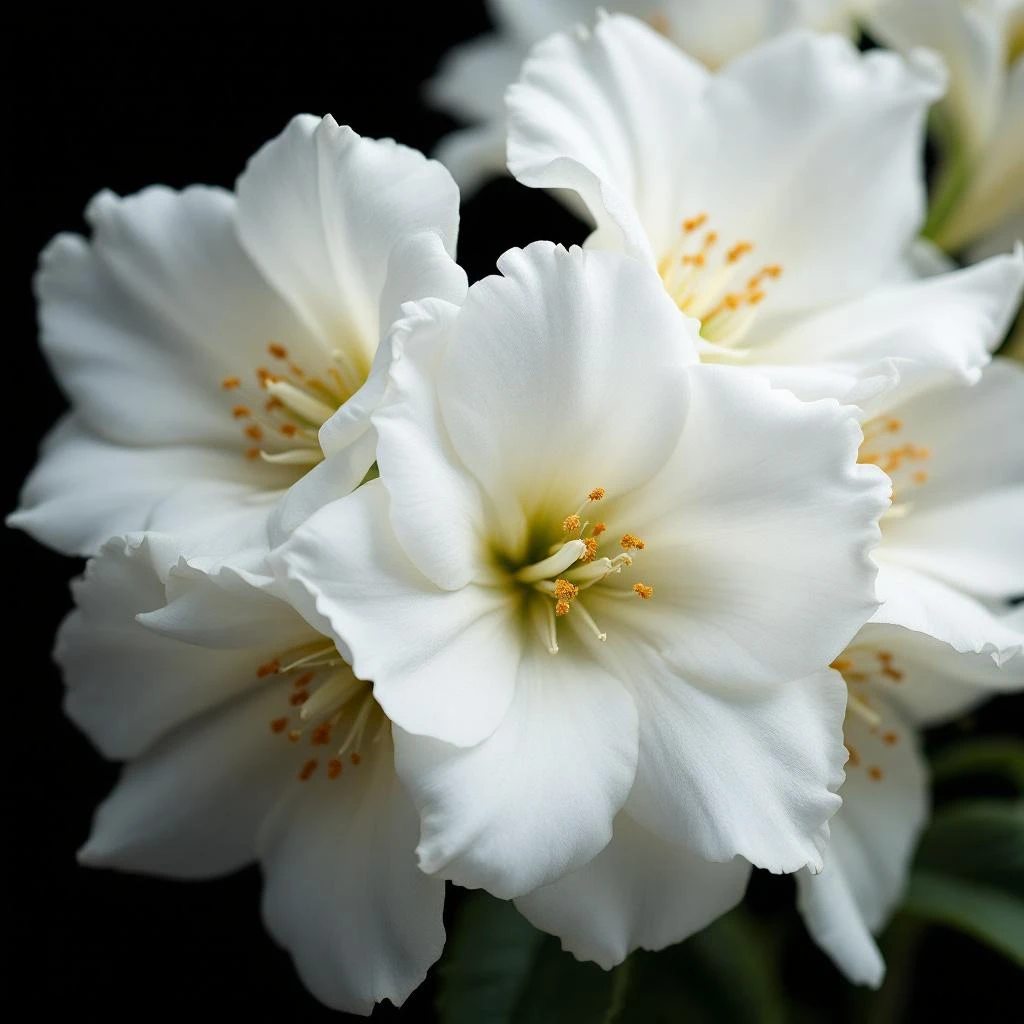
Nasturtium traces its lineage to the misty highlands of Peru, where Andean peoples cultivated it long before European contact. The plant earned the name Tropaeolum majus from Carl Linnaeus, who noted its shield-like leaf shape. Europeans encountered it through Spanish colonial networks in the 1500s and promptly renamed it Indian cress, appreciating its peppery flavor as a watercress substitute.
The plant migrated across colonial gardens, eventually becoming a fixture in European cottage gardens by the 18th century. Perfumery's interest in nasturtium stem developed more recently, as modern fragrance creators sought green, natural materials that could inject freshness without the typical floral associations. Today, nasturtium stem represents a niche but valued ingredient—a bridge between the plant's centuries-old culinary history and contemporary scent design.
Its use remains most common among natural perfumers who value ingredients with clear geographic and botanical origins.
Wears it best
Fragrances featuring Nasturtium Stem
Brands
Brands known for Nasturtium Stem
Good to know
Questions, answered
The essentials on Nasturtium Stem in perfumery: how it smells, where it comes from, and how it behaves on skin.
What does nasturtium stem smell like in perfume?
Nasturtium stem delivers a sharp, green aroma with peppery and watercress-like qualities. It smells distinctly fresh and alive in blends, adding crispness that balances sweeter or heavier notes.
Is nasturtium stem a natural or synthetic ingredient?
Nasturtium stem is a natural ingredient extracted via steam distillation from the fresh stems of Tropaeolum majus. Its use in perfumery remains relatively uncommon due to modest extraction yields.
What fragrance families use nasturtium stem?
Nasturtium stem appears primarily in green and fresh fragrance compositions. Perfumers pair it with citrus, marine, and herbal notes to enhance a scent's natural, garden-fresh character.
Where does nasturtium stem originate?
The plant originates from the Andes of Peru, specifically the highland regions around -10 latitude. Spanish colonizers introduced it to Europe in the 16th century.
Does nasturtium stem contain any allergens?
Like many botanical extracts, nasturtium stem may contain natural compounds that appear on allergen disclosure lists. Always check specific product formulations for individual sensitivities.
Can nasturtium stem replace nasturtium flower in a formula?
No. The flower carries sweeter, more complex aromatic qualities while the stem delivers sharper green and peppery notes. They serve different functions in perfumery.
How is nasturtium stem harvested for perfumery?
Stems are harvested in the morning when essential oil concentration peaks. Processing occurs quickly after harvest to prevent aromatic degradation and preserve the ingredient's fresh character.
What makes nasturtium stem unusual in perfumery?
It offers a rare combination of green freshness and natural spiciness without typical floral associations. Few ingredients match its specific balance of watercress-like sharpness and garden vitality.