Green Carnation
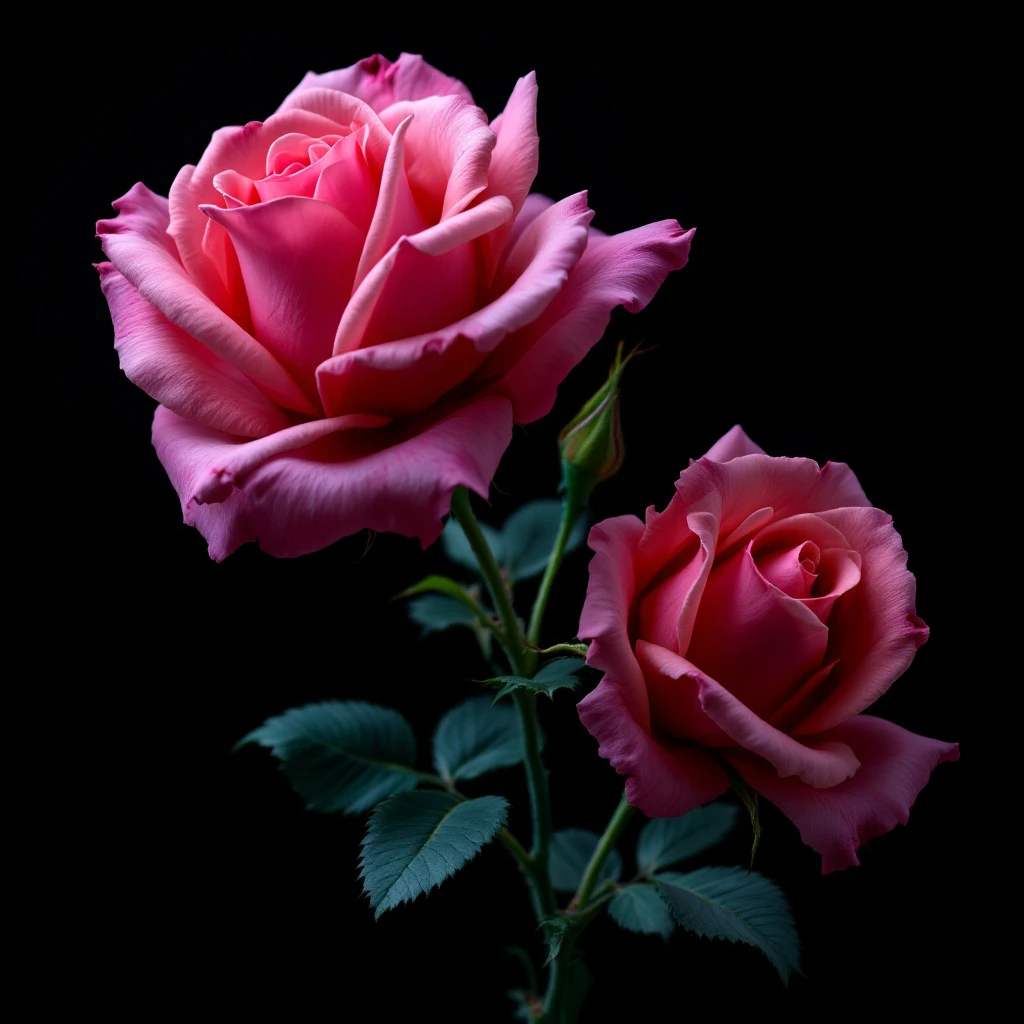
A paradoxical floral: the clove-warmth of carnation meets the snap of fresh-cut stems. Green Carnation captures both the spice of the flower and the crispness of its stem, a note that smells alive. Spicy yet verdant, it bridges warm floral richness and cool green freshness in a way few ingredients achieve.
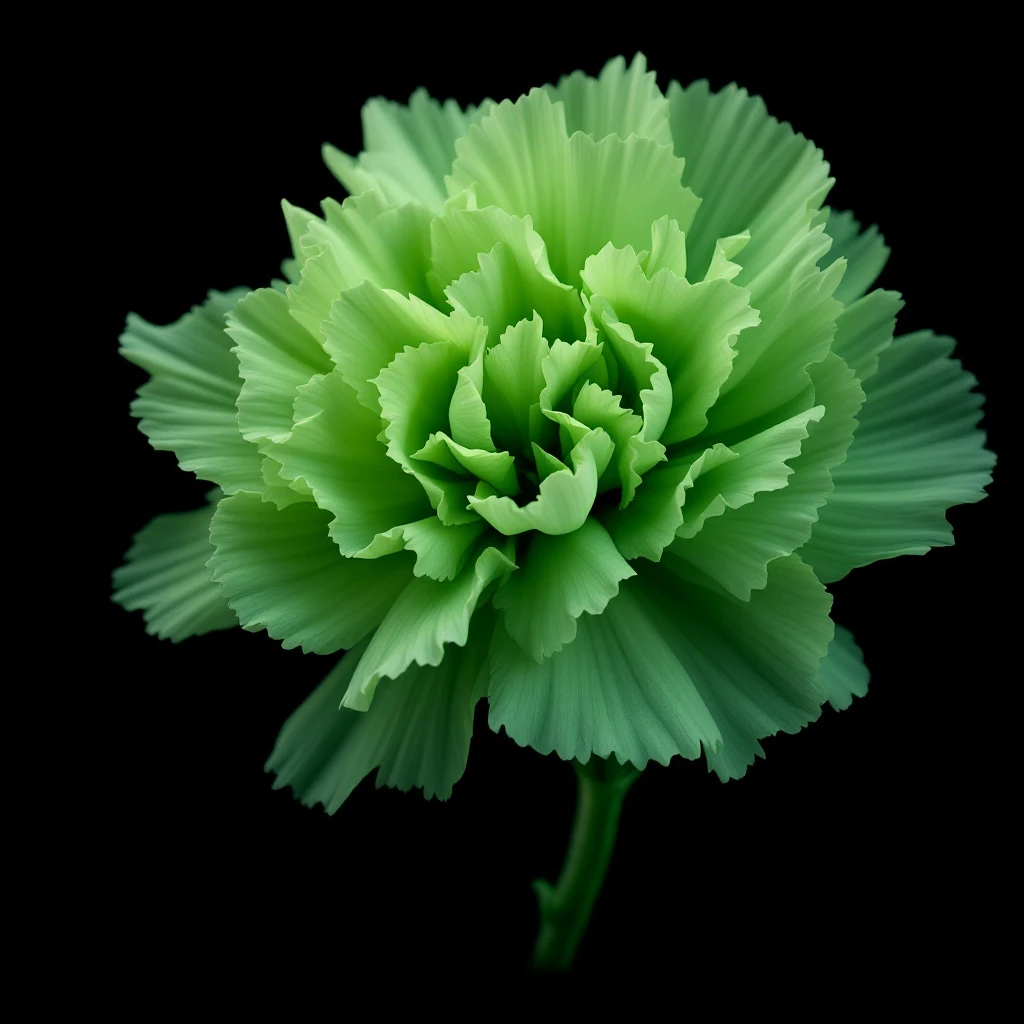
Character
How it smells
Spicy florals meet fresh-cut stems.
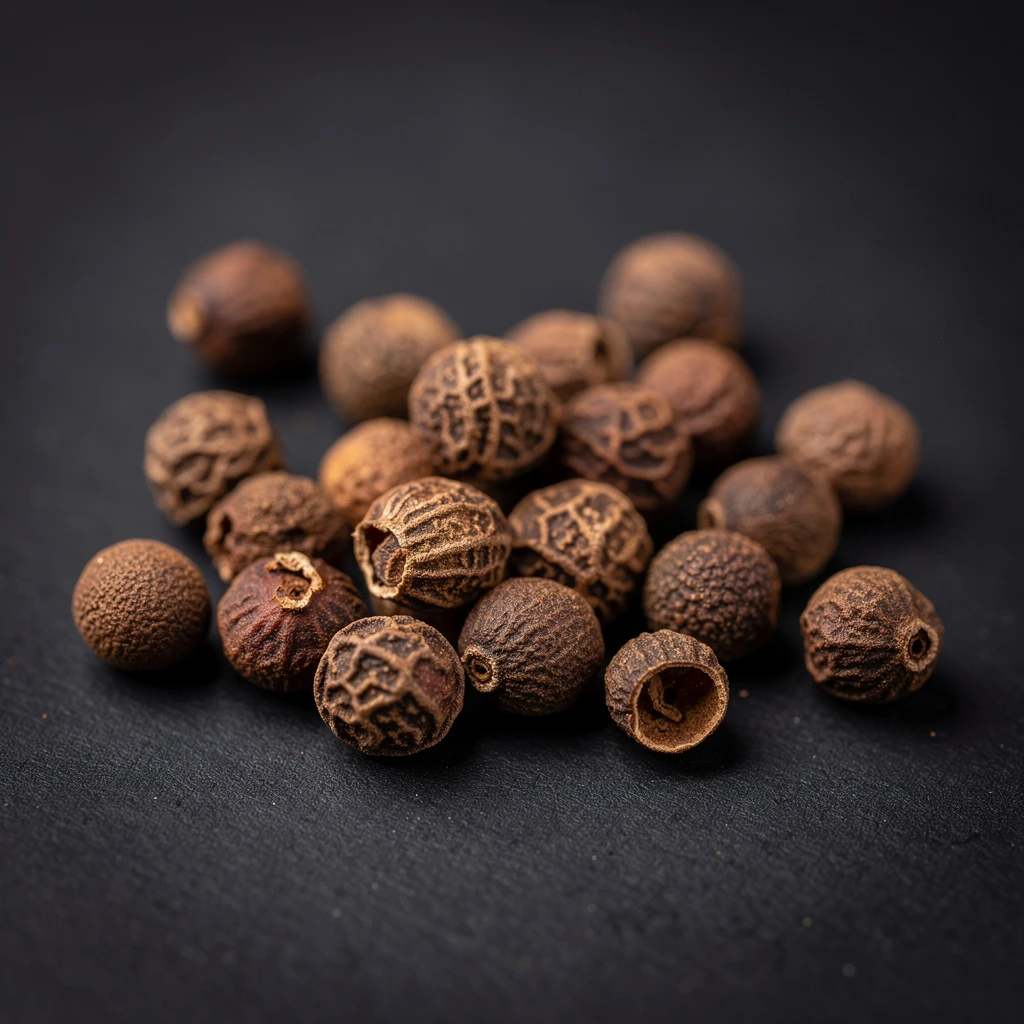
Carnations' botanical name, Dianthus caryophyllus, comes from the Greek word for clove—'karyophyllon'—because the flower and the spice share the same aromatic compound: eugenol.


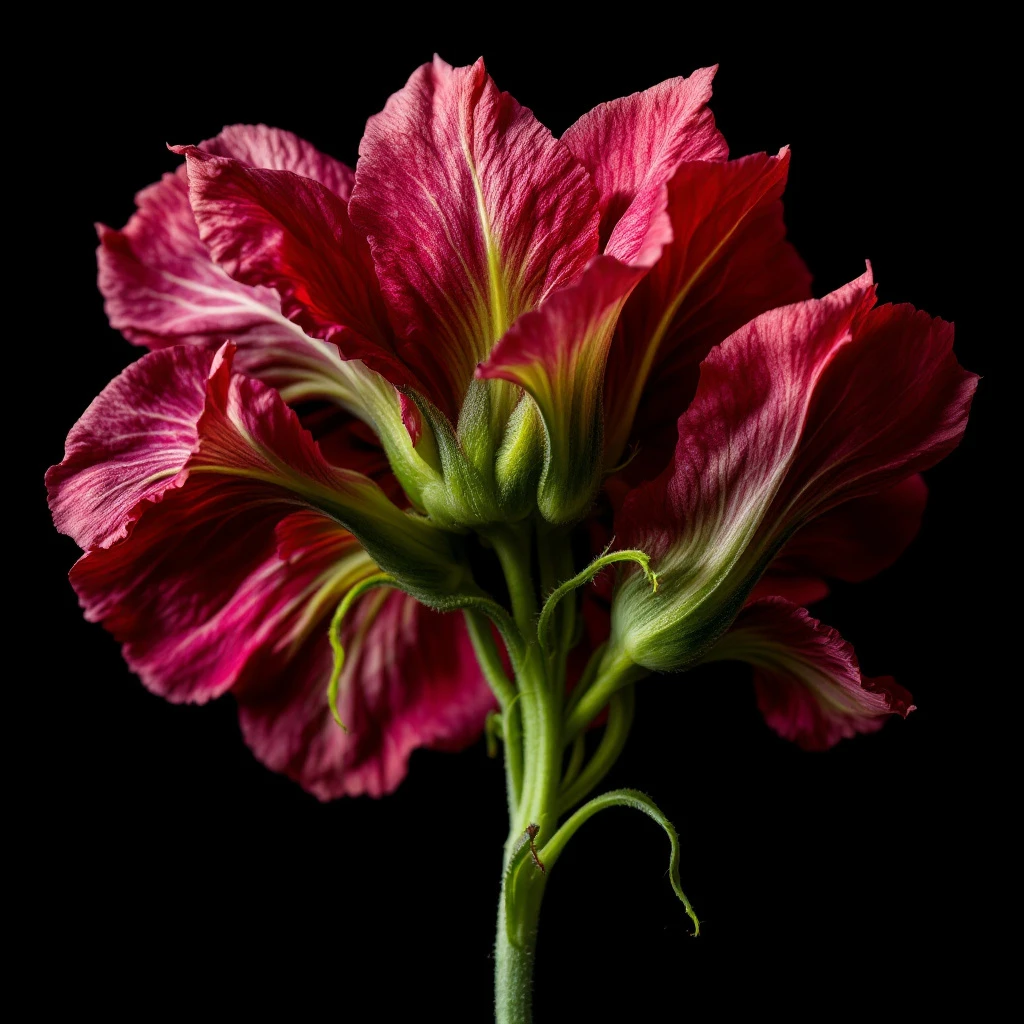


Origin
Mediterranean Region
Carnations have grown wild along Mediterranean shores since ancient Greek and Roman times, valued as much for their scent as for their ornamental beauty. The flowers earned their botanical name—Dianthus caryophyllus—from the Greek word for clove, a nod to their warm, eugenol-rich fragrance. Yet perfumers largely ignored the flower until 1905, when François Coty created the first major carnation-centered fragrance, proving the flower could anchor a composition rather than merely support it.
Before that, carnation appeared mostly in folk traditions: worn at festivals, woven into garlands, and in some regions, carried at funerals as a symbol of remembrance. Coty's wager changed everything, opening a chapter for a flower that had waited centuries for its moment.
Wears it best
Fragrances featuring Green Carnation
Brands
Brands known for Green Carnation
Good to know
Questions, answered
The essentials on Green Carnation in perfumery: how it smells, where it comes from, and how it behaves on skin.
What does Green Carnation smell like?
Green Carnation combines the warm, clove-like spice of carnation with crisp green notes from the stem and leaves. The result is a unique balance of warmth and freshness that feels both alive and richly floral.
Which perfume families use Green Carnation?
Green Carnation appears most often in chypre and fougère compositions, where its spicy-green character bridges warm florals and fresh herbal notes. It also shows up in contemporary woody-spicy fragrances seeking a natural floral edge.
When did carnation become a perfumery ingredient?
Carnation secured its place in perfumery in 1905, when François Coty created the first major carnation-focused fragrance. Before this, the flower had been used decoratively for centuries but rarely as a primary scent material.
Is Green Carnation natural or synthetic?
Both exist. Natural carnation absolute comes from solvent extraction and alcohol washing of the concrete, primarily in southern France. Most modern fragrances use synthetic aromatics that reproduce the spicy-green profile at scale and lower cost.
Where does natural carnation absolute come from?
Natural carnation absolute is produced almost exclusively in the south of France, particularly around Grasse. The region remains the center for this specialty extraction due to the specific expertise required and limited global demand.
What is the etymology of carnation?
Carnation's botanical name, Dianthus caryophyllus, derives from the Greek 'karyophyllon,' meaning clove. The name reflects the flower's shared aromatic compound, eugenol, with the spice clove.
How is Green Carnation used in perfumery?
Green Carnation works as a heart note, adding spicy-floral depth while the green facets keep the composition feeling fresh. It pairs well with rose, ylang-ylang, oakmoss, and aromatic herbs like lavender and clary sage.
Does carnation have cultural significance beyond perfumery?
Ancient Greeks and Romans cultivated carnations for festivals and decorations. The flower's clove-like scent made it a natural choice for garlands and ceremonial contexts long before perfumery existed.


