Pink Black Locust
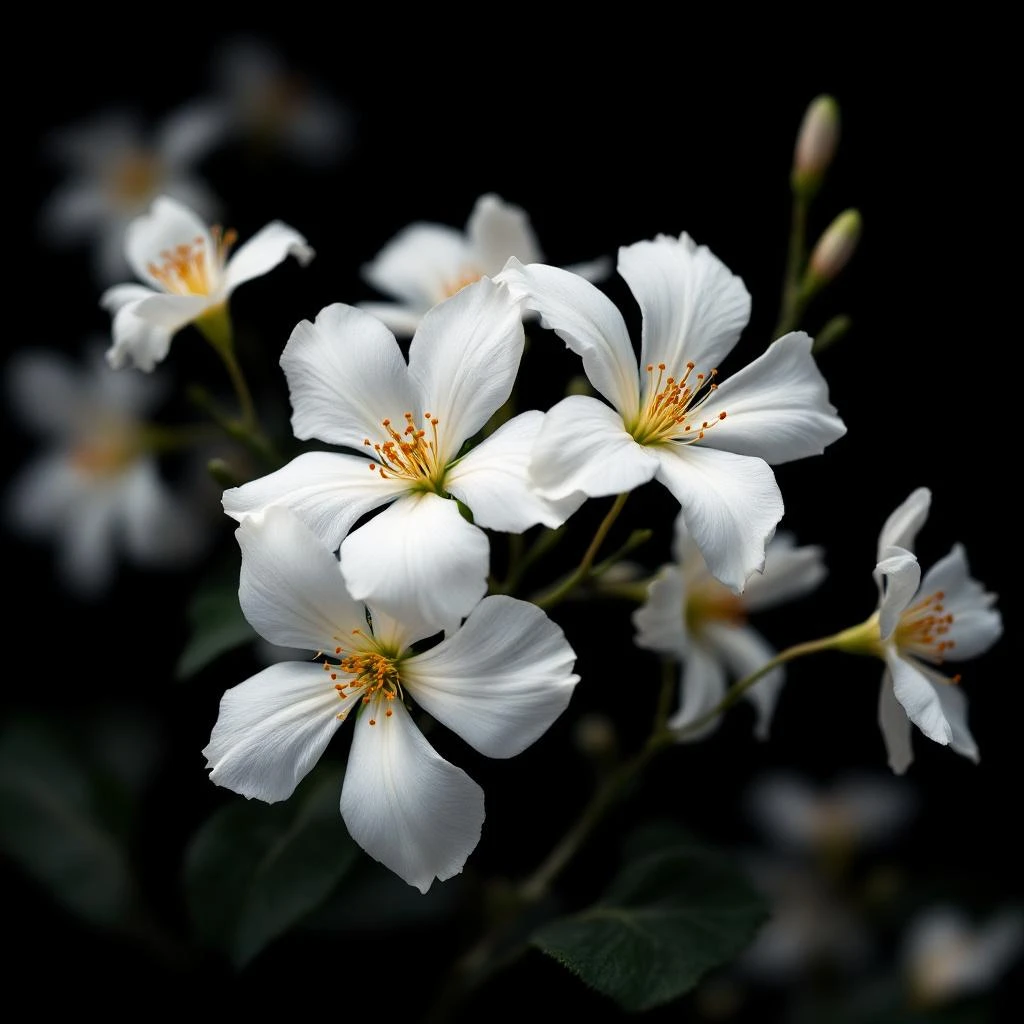
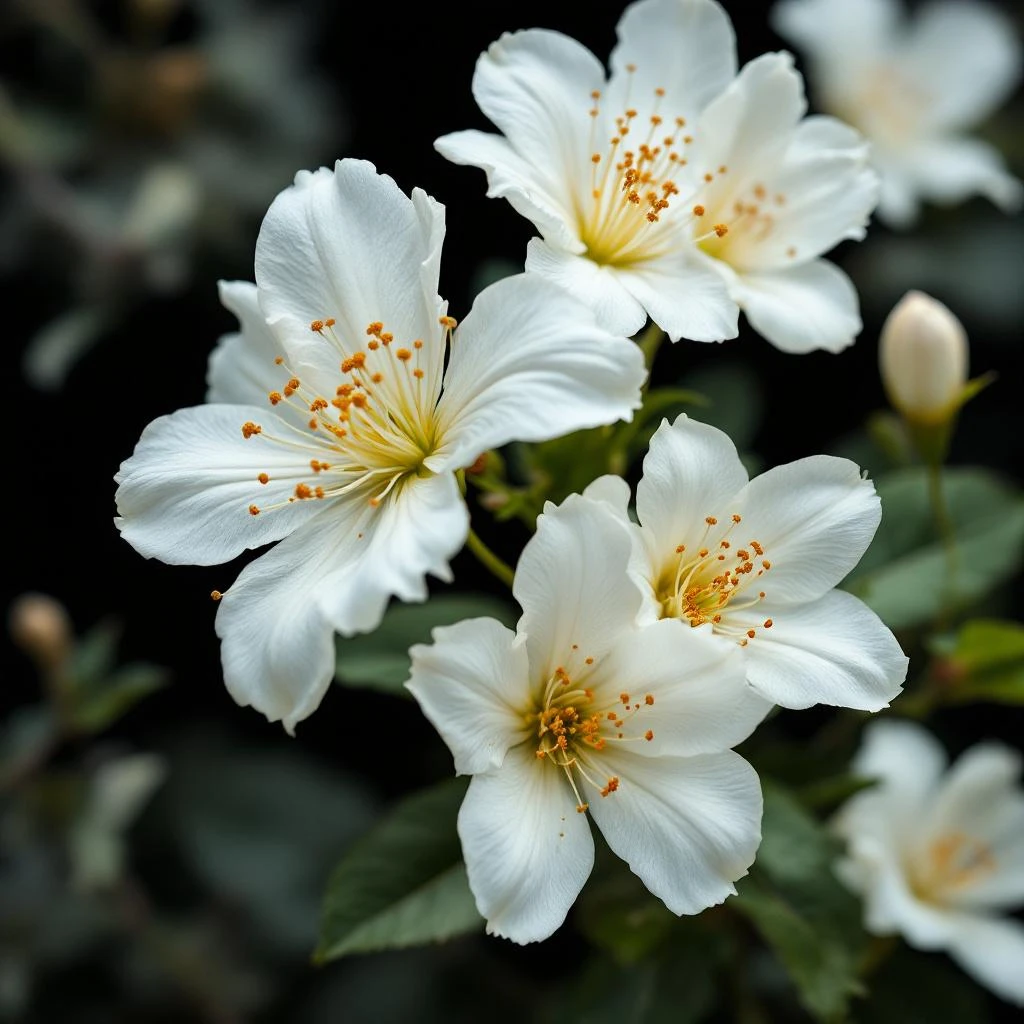
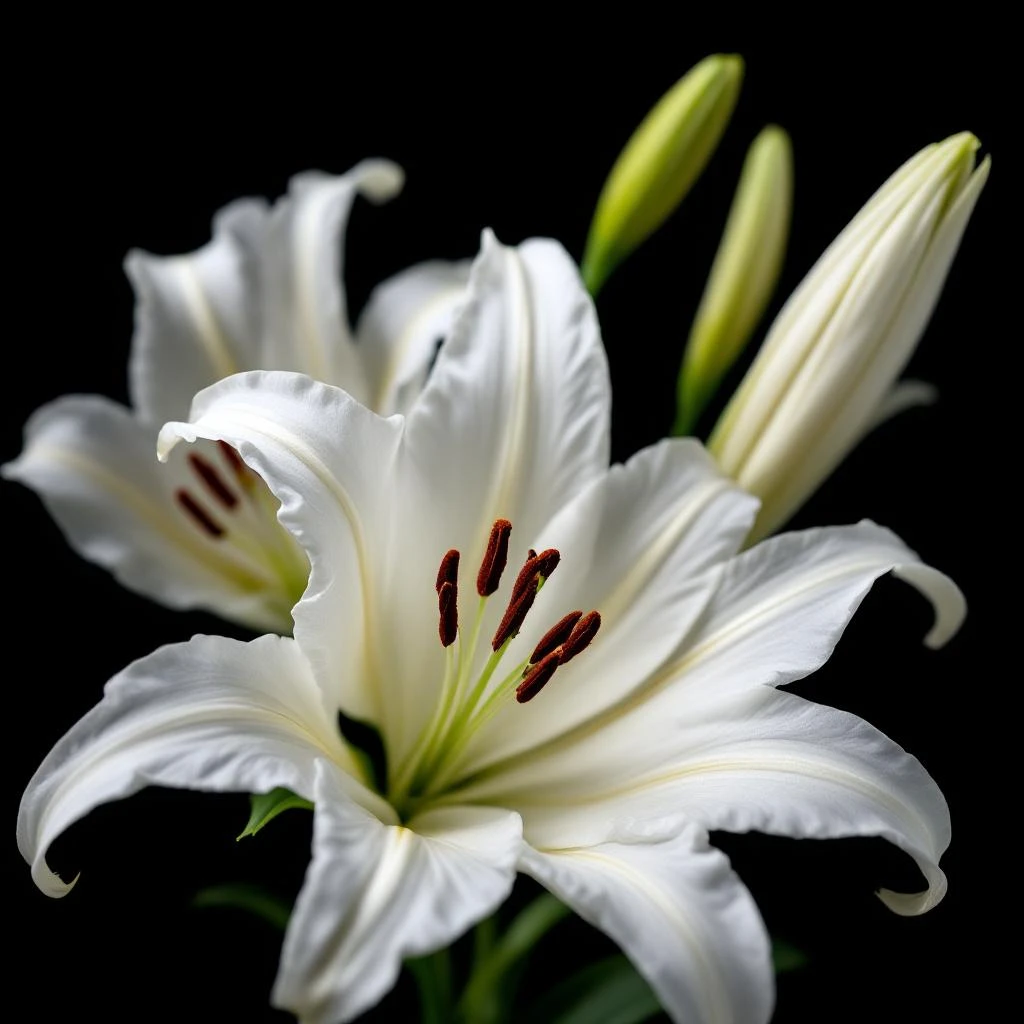
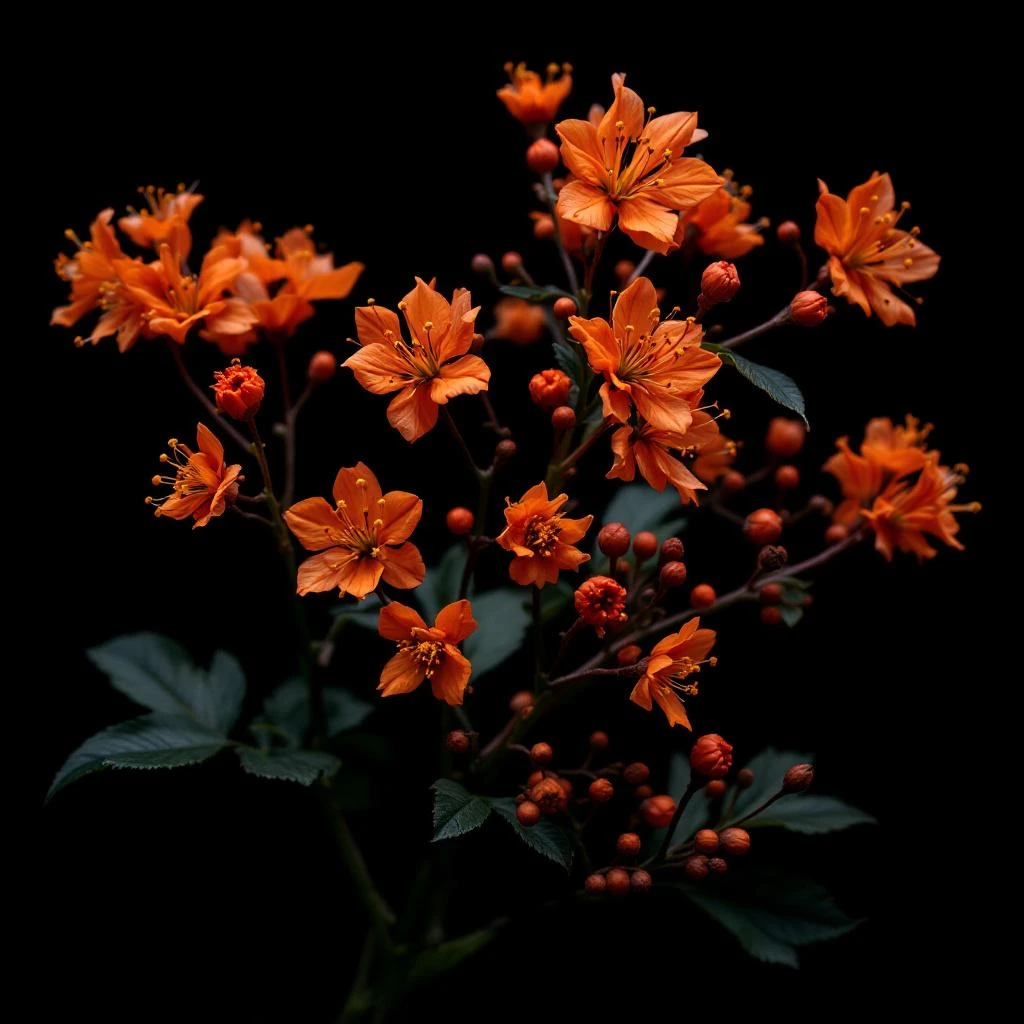
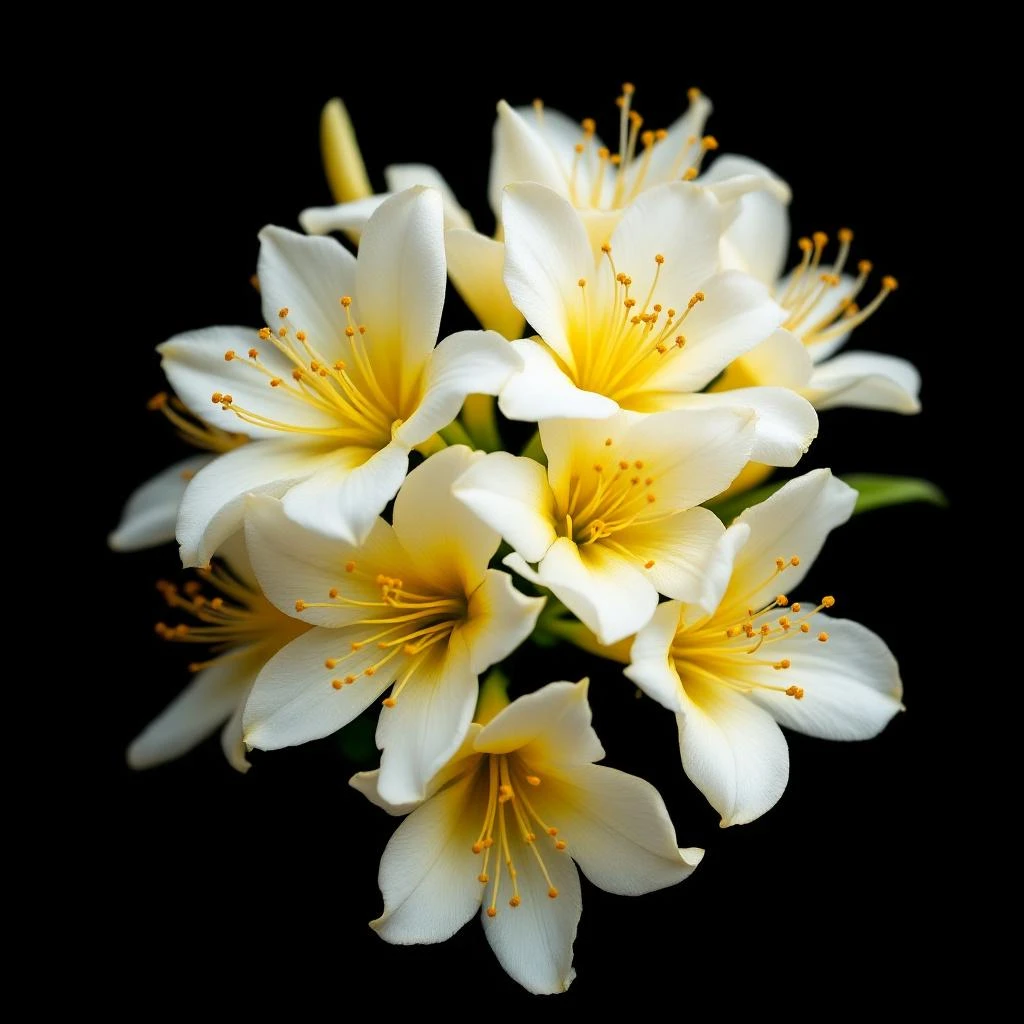
Pink Black Locust captures the fleeting sweetness of Robinia pseudoacacia blossoms. The aroma opens with honeyed orange blossom, layers in grape candy and soft hay, then settles into a warm, golden nectar that feels both floral and gourmand.
Character
How it smells
Honeyed blossoms caught at peak bloom
Black Locust flowers produce so much nectar that a single mature tree can yield enough for beekeepers to harvest a rare, monofloral honey prized across Europe.



Origin
United States
Robinia pseudoacacia is native to the southeastern United States, particularly the Appalachian region, where it grew long before European settlement. Spanish botanists carried seeds to Europe in the early 1600s, and the tree adapted so successfully across France, Hungary, and Italy that many now assume it originated there.
In France, the flowers became known as acacia and earned a place in perfumery traditions by the 19th century, often associated with springtime and rural landscapes. Beekeepers valued the trees for the light, pale honey their blossoms produced, one of the few monofloral honeys with a clean, vanilla-tinged sweetness.
The flower's presence in European fragrance history ties closely to this honey trade, and perfumers eventually turned their attention from the nectar to the fresh petals themselves. Today, Black Locust remains a niche but cherished material among artisan and independent perfumers who seek its unique blend of honeyed, floral, and faintly fruity character.
Wears it best
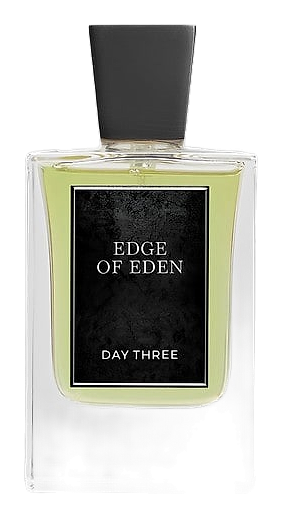
Fragrances featuring Pink Black Locust
Brands
Brands known for Pink Black Locust
Good to know
Questions, answered
The essentials on Pink Black Locust in perfumery: how it smells, where it comes from, and how it behaves on skin.
What does Pink Black Locust smell like in perfume?
Pink Black Locust smells like sweet orange blossom blended with grape candy, clear honey, and dry hay. The accord reads as sunny and floral, with a soft gourmand warmth that recalls late-spring orchards in full bloom.
How is Pink Black Locust absolute produced?
Producers pick fresh Robinia pseudoacacia blossoms at peak bloom and apply solvent extraction using hexane or ethanol. This captures the delicate honeyed and fruity facets that steam distillation tends to destroy.
Is Pink Black Locust the same as acacia flower?
Yes. Robinia pseudoacacia is commonly called Black Locust in North America and false acacia in Europe. Perfumers often list it simply as acacia flower on ingredient labels.
Where does Black Locust originally come from?
Black Locust is native to the southeastern United States, especially the Appalachian Mountains. Spanish explorers introduced it to Europe in the early 1600s, where it naturalized widely.
Why is Black Locust rare in modern perfumery?
The flowers yield very little oil through extraction, making true Black Locust absolute expensive and uncommon. Most commercial fragrances use synthetic accords to recreate its honeyed character.
Can Black Locust be steam distilled?
Steam distillation is rarely successful for this flower because the heat diminishes its airy, sugary top notes. Solvent extraction preserves the grape, honey, and hay facets far better.
Does Black Locust honey smell like the flower?
Black Locust honey carries a mild, vanilla-soft sweetness, but it lacks the bright orange blossom and grape notes of the fresh petals. Perfumery extracts the flowers directly rather than working from the honey.
What fragrance families does Pink Black Locust belong to?
Pink Black Locust sits primarily in the floral family, with strong overlaps into gourmand because of its honey and candied fruit facets. It pairs especially well with white florals, vanilla, and green leaves.