Pineapple Nectar
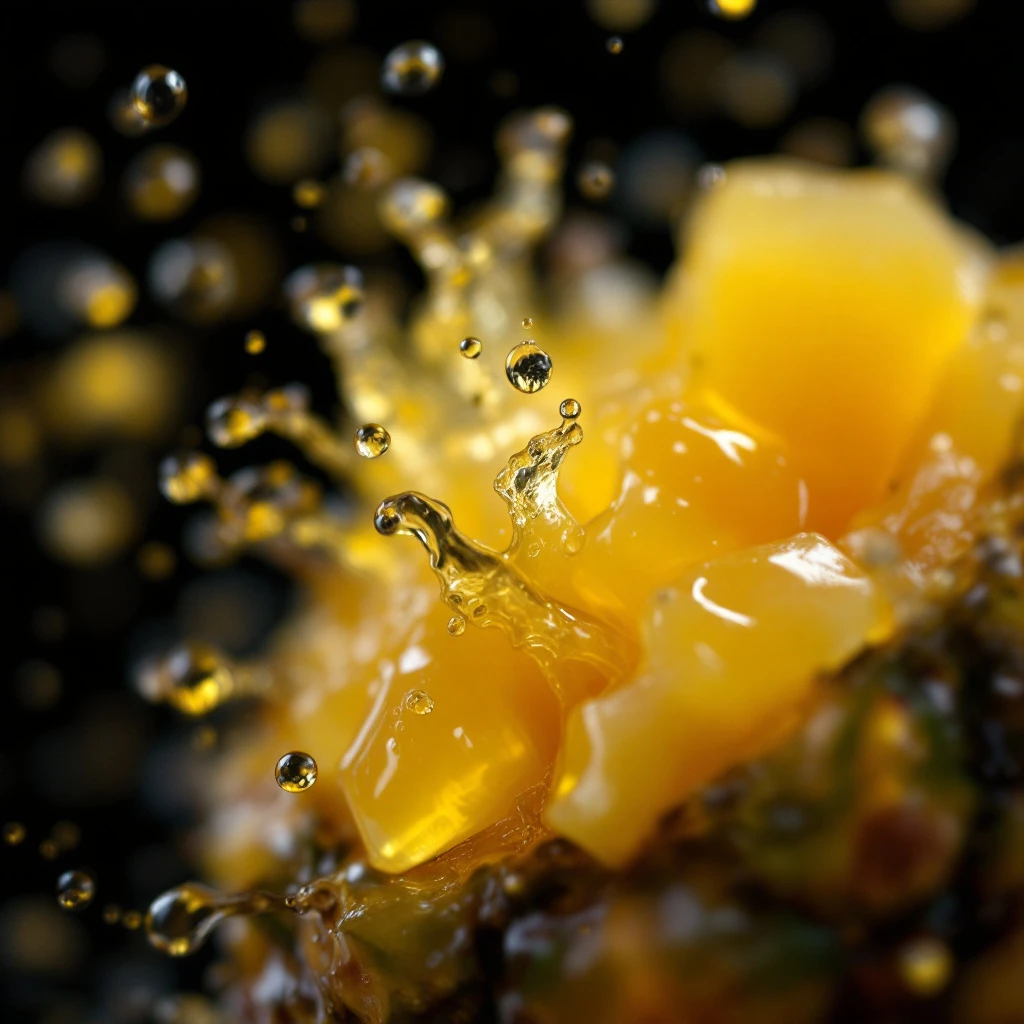
Pineapple nectar smells exactly like biting into cold fruit at peak ripeness: juicy, electric sweetness cut by sharp tropical acidity. The perfumery version amplifies this candied, sun-warmed flesh through aroma molecules that nature's extraction process cannot easily deliver.
Character
How it smells
Sun-soaked tropical sweetness, rebuilt molecule by molecule
True pineapple essential oil does not exist commercially: the fruit's high water content and sugar levels make steam distillation impossible, so perfumers reconstruct its scent from isolated aroma chemicals.



Origin
Brazil (fruit origin); synthetic production global
Pineapple (Ananas comosus) arrived in Europe after Columbus's 1493 voyage to Guadeloupe, where his crew encountered it being cultivated by the Carib people. The fruit came to symbolize wealth and hospitality; Renaissance hostesses displayed pineapple sculptures at their tables because fresh specimens cost more than the room they decorated.
By the 18th century, European perfumers working with tropical fruits faced an old problem: how to bottle something so perishable. Sugar-based fruit pomades and fruit vinegars offered short-lived approximations. Genuine pineapple fragrance had to wait for chemistry to catch up.
The breakthrough came in the late 1800s, when chemists isolated allyl caproate and related esters and reproduced them on an industrial scale. Aroma chemicals like ethyl butyrate became pillars of early synthetic perfumery. By the early 20th century, pineapple notes appeared in aldehyde-based florals, in the fruity chypres of the 1940s and 1950s, and later in the tropical, beachy compositions of the 1990s.
Interestingly, the most familiar 'pineapple' accord in fragrance history belongs to men. Pierre Cardin's Pour Monsieur (1972) reportedly features an intensely pineapple-like top note.
Today, the 'pineapple nectar' descriptor signals a riper, sweeter, more confectionary treatment. Modern perfumers build it for gourmand and tropical fragrances, layering esters with vanillin, coconut aldehydes, and mango-style lactones.
Wears it best
Fragrances featuring Pineapple Nectar
Brands
Brands known for Pineapple Nectar
Good to know
Questions, answered
The essentials on Pineapple Nectar in perfumery: how it smells, where it comes from, and how it behaves on skin.
Is pineapple fragrance natural or synthetic?
Synthetic. True pineapple essential oil does not exist commercially because the fruit's 85% water content prevents steam distillation. Perfumery versions use aroma chemicals such as allyl caproate and ethyl-2-methylbutyrate to rebuild the scent molecule by molecule.
What molecules make pineapple smell like pineapple?
Three key esters drive the effect: allyl caproate provides sweet fruity volume, ethyl-2-methylbutyrate adds juicy tropical brightness, and trace methyl-3-methylthiopropionate delivers the sharp, slightly sulfuric freshness characteristic of ripe pineapple.
Where does pineapple originally come from?
Pineapple (Ananas comosus) originated in South America, likely the Brazil-Paraguay region. It spread through Caribbean cultivation by the Carib people before reaching Europe after Columbus's 1493 voyage.
Why doesn't perfumery use real pineapple juice?
Direct extraction fails because pineapple is roughly 85% water, and its acids and enzymes break down delicate aroma compounds. Chemists must isolate individual esters and reconstruct the scent synthetically.
Is pineapple a top, heart, or base note?
Pineapple always functions as a top note. The esters responsible for its scent are highly volatile and evaporate within 15 to 30 minutes, making it a bright opener rather than a long-lasting foundation.
What fragrances famously use pineapple notes?
Pineapple appears in Pierre Cardin Pour Monsieur (1972), Creep Creeps (1972), and many 1990s tropical compositions. Modern perfumes from brands like Dolce and Gabbana use riper, nectar-style pineapple accords in their summer flankers.
Does pineapple nectar smell different from regular pineapple notes?
Yes. 'Nectar' formulations add vanillin, coconut aldehydes, and mango-style lactones, producing a sweeter, riper, more confectionary effect than standard pineapple accords, which tend to read sharper and more acidic.
Can pineapple fragrance trigger allergies?
Possible but uncommon. Allyl caproate and related esters are EU-registered allergens when present above specific thresholds. Most finished fragrances keep these well under sensitization levels, so reactions are rare in properly formulated products.